

Antique Wood Busts
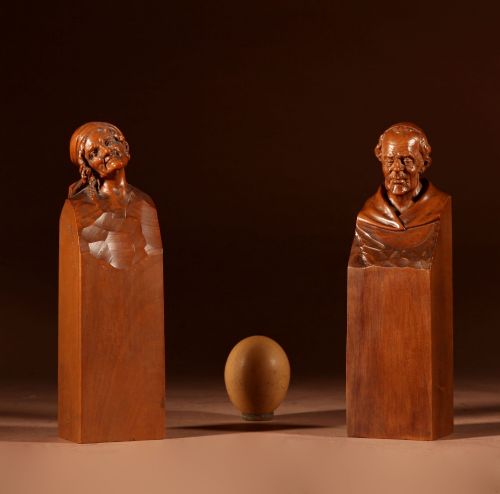
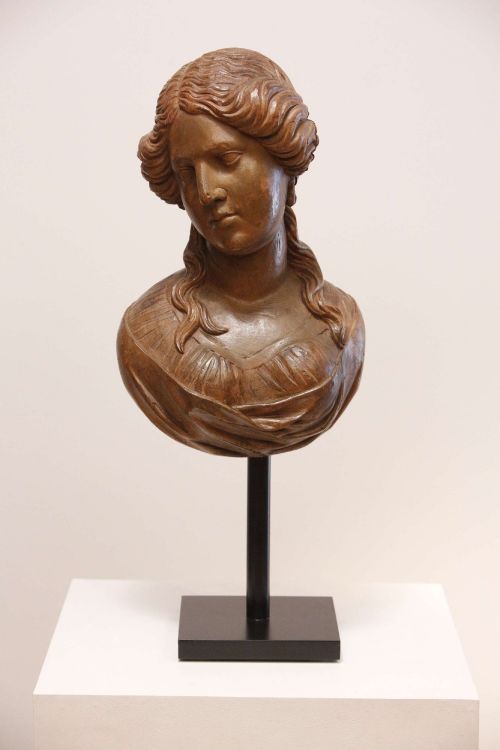
These antique wood busts are sculptural portrayals of human and animal forms carved across several centuries, prized for their expressive detail and tangible age.
Antique Wood Busts
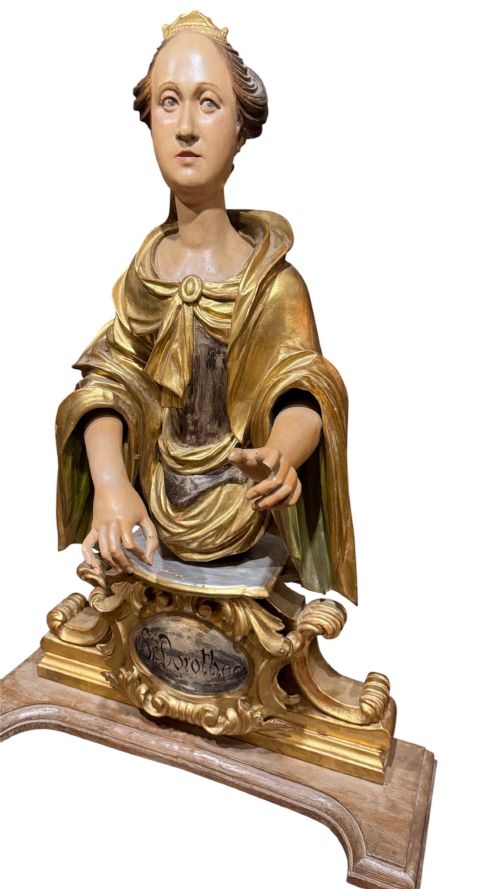
When you search for antique wood busts, you encounter carved representations spanning from the sixteenth century to the early twentieth century. The selections available here range from ecclesiastical figures and saints to literary subjects, nobility, and regional folk art sculpture.
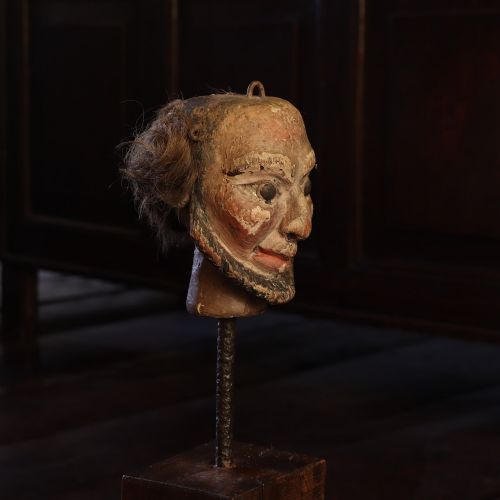
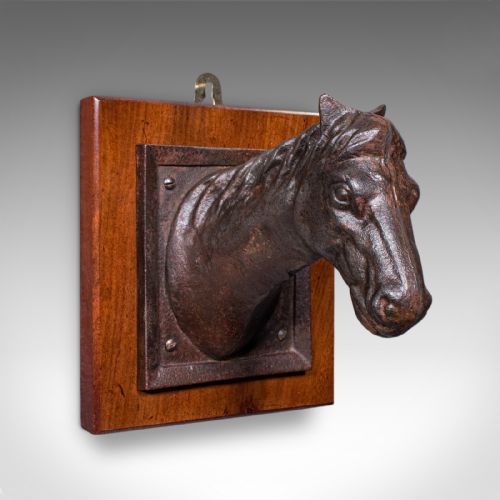
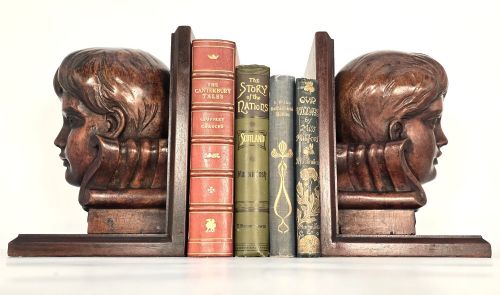
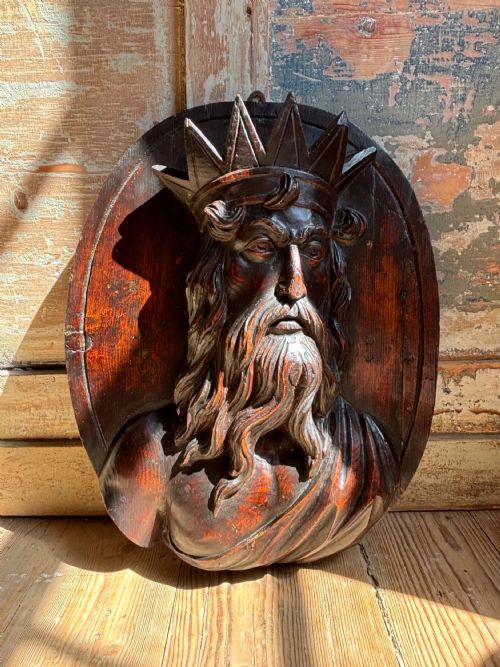
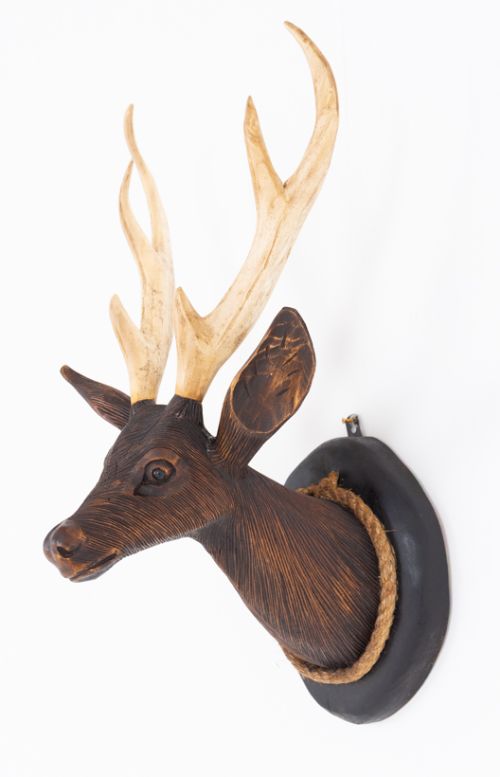
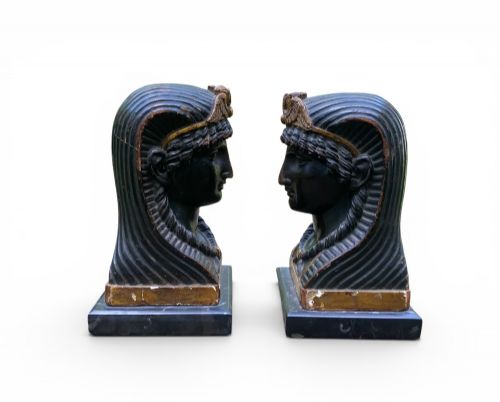
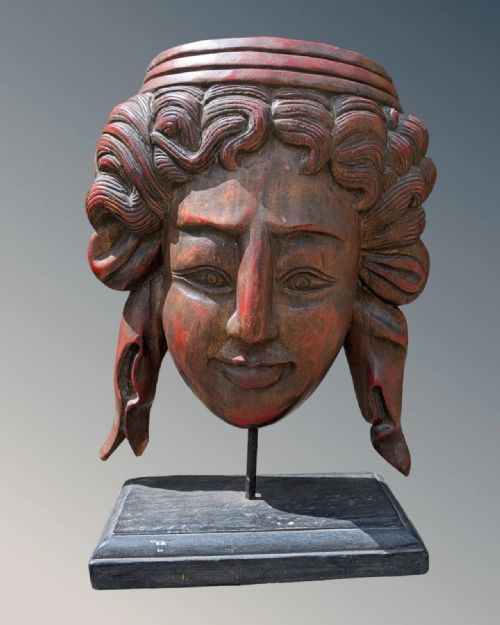
You are most likely to meet nineteenth-century examples, alongside eighteenth-century religious pieces and distinct regional carvings such as Black Forest animal heads or folk art puppet fragments. The forms include standalone portrait busts, wall-mounted sculptures, architectural plaques, and functional items like bookends.
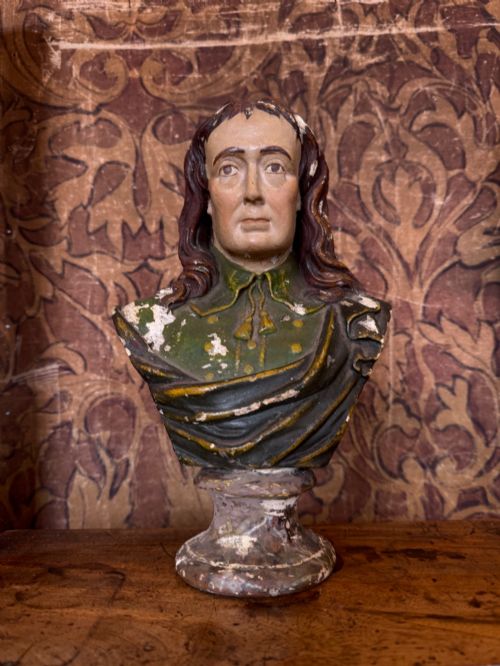
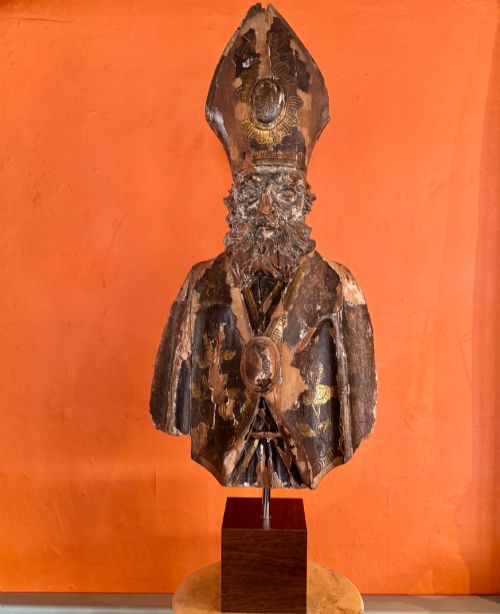
Origins stretch across Britain, continental Europe, and beyond, encompassing Italian walnut studies, Spanish polychrome character heads, and French ecclesiastical works. Each piece captures the specific aesthetic concerns of its period, shifting from Renaissance devotion through Baroque drama to Victorian realism and early twentieth-century modernism.
How they were made
Carvers utilised a variety of timbers suited to their region and design, including dense hardwoods such as oak, walnut, mahogany, and fruitwoods like pear and yew burr. These woods were shaped using traditional hand gouges and chisels to achieve fine facial expressions and flowing drapery.
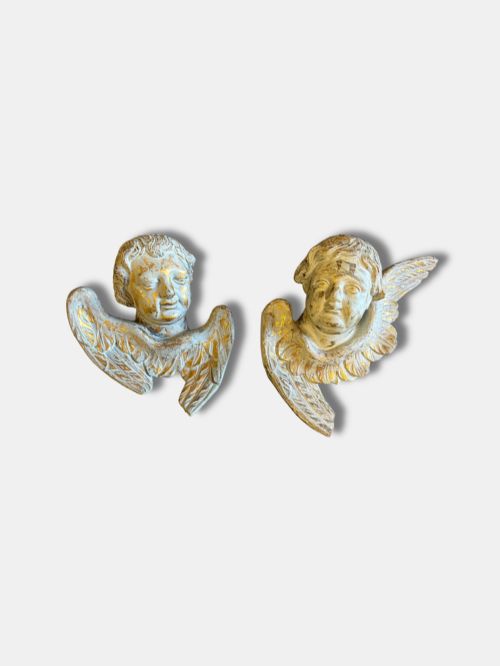
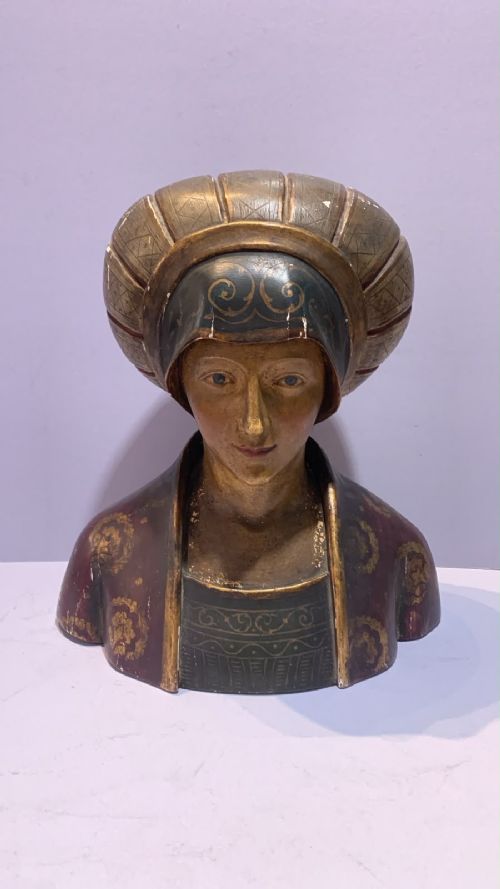
Many surfaces received further decorative treatment through the application of gesso, gold leaf, and polychrome paint, adding colour and ecclesiastical splendour to the carved grain. Some works retain their original paint layers, while others display the warm, patinated tones of bare or stained timber.
Antique Wood Busts Retail Price Guide 2026
Typical asking prices for wood busts among the pieces listed under this phrase on Sellingantiques today, from the lower quarter to the upper quarter. They describe what is for sale here now, not the wider market.
Among the silent watchers stand frozen stags, painted puppets, and wooden sphinxes keeping a wooden watch over the room.
What varies in quality
The distinction between ordinary and exceptional antique wood busts lies in the sensitivity of the carving and the anatomical conviction of the sculpture. Master carvers captured subtle shifts in expression, texture in hair, and realistic folds in fabric that lesser makers missed.
Original surface preservation heavily influences the standing of a piece, particularly where polychrome paint, gilding, or gesso remain intact rather than stripped or overpainted. Works bearing signatures from known artists or originating from esteemed European workshops command greater recognition for their documented provenance.
George Henry Paulin RBS·Boudewijn Tuerlinckx·V Ramirez
The Antique Wood Busts Glossary
- Polychrome
- Painted in several colours. This finish is frequently found on religious sculptures and folk art heads to simulate life.
- Gesso
- A plaster mixture applied to wood as a base for gilding or painting. It provides a smooth surface for the application of gold leaf.
- Black Forest
- A nineteenth-century style of intricate wood carving originating from Switzerland and Germany. These pieces typically depict animals, foliage, and rustic subjects.
- Torchiere
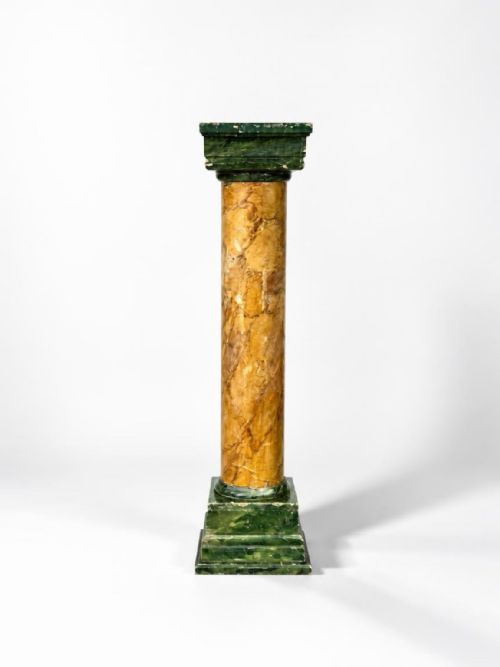
- A tall stand or pedestal used to elevate a bust or lamp. They are often carved from wood in classical or revival styles.
- Folk Art
- Objects created by self-taught or traditional artisans outside academic traditions. These carvings display regional character and unpretentious materials.
Antique Wood Busts: Frequently Asked Questions
What are antique wood busts?
Antique wood busts are carved sculptural portrayals of human heads and shoulders, alongside occasional animal forms, created from the sixteenth century onwards. They serve as historical portraits, religious icons, and decorative works of art.
These pieces reflect the carving techniques, aesthetic tastes, and cultural priorities of the eras in which they were produced, using timbers ranging from native oak to exotic hardwoods.
How were these busts used originally?
Many ecclesiastical busts functioned as devotional objects in churches and domestic chapels, depicting saints, bishops, and biblical figures. Others served as scholarly adornments in libraries, grand tour souvenirs, or decorative accents in country house interiors.
Some pieces, such as bookends or architectural brackets, combined ornamental sculpture with practical utility in domestic settings.
How do I live with an antique wood bust?
Placing a carved wooden bust in a room requires stable environmental conditions away from direct heat sources and strong sunlight, which can dry out or bleach the timber. Displaying them on sturdy surfaces, dedicated columns, or brackets allows the sculptural form to be viewed from multiple angles.
Pairing historical wooden sculptures with contemporary interiors creates a striking contrast that highlights the texture, grain, and age of the material.