

Antique Wood Bowl
These antique wood bowl examples range from utilitarian dairy vessels to turned treen, offering tactile warmth and historic domestic utility for the modern home.
Antique Wood Bowl
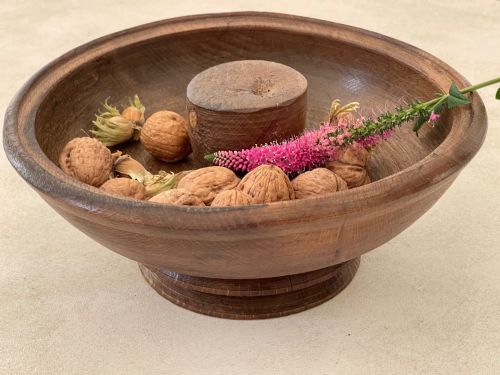
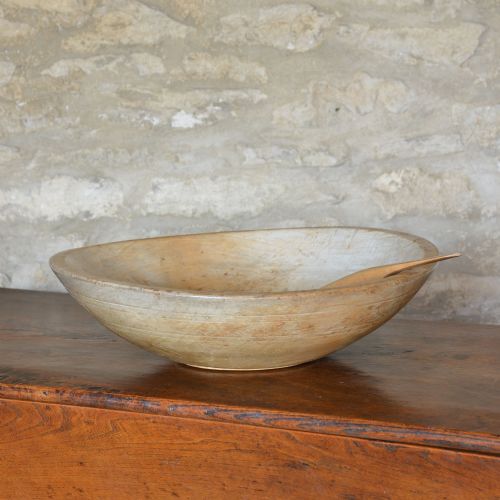
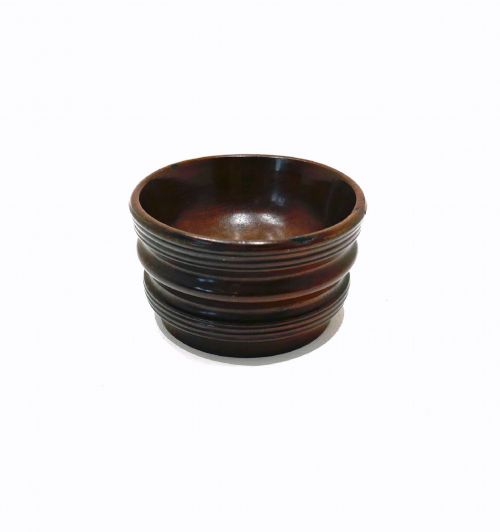
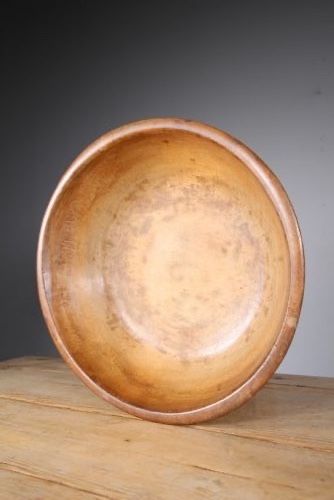
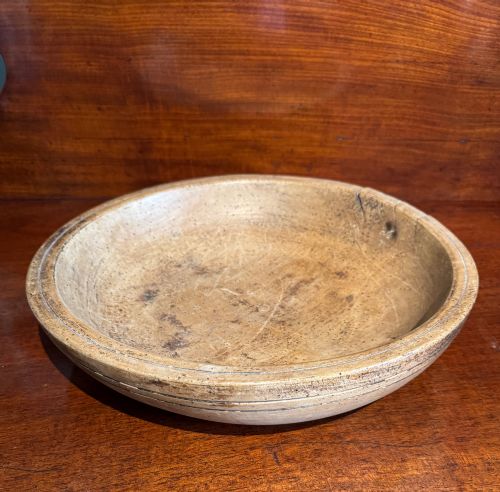
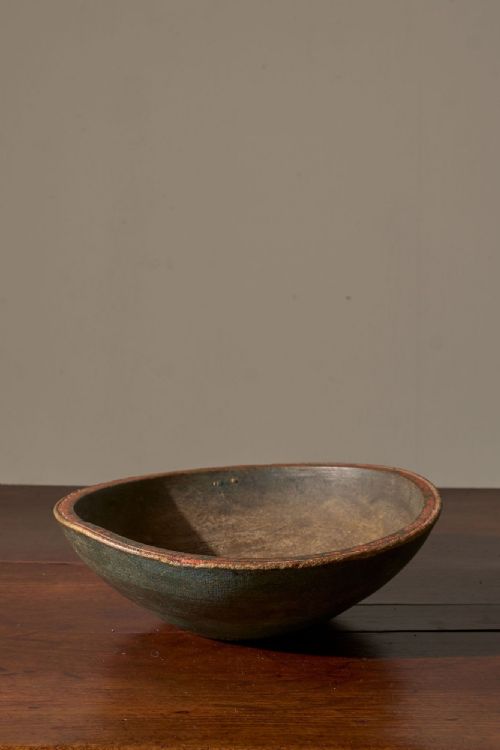
Makers shaped these utilitarian objects from native timbers such as sycamore, ash, laburnum, and elm, often leaving tool marks visible beneath generations of handling. Alongside British country treen, you meet continental European dairy vessels, Scandinavian pieces, and turned items associated with domestic food preparation.
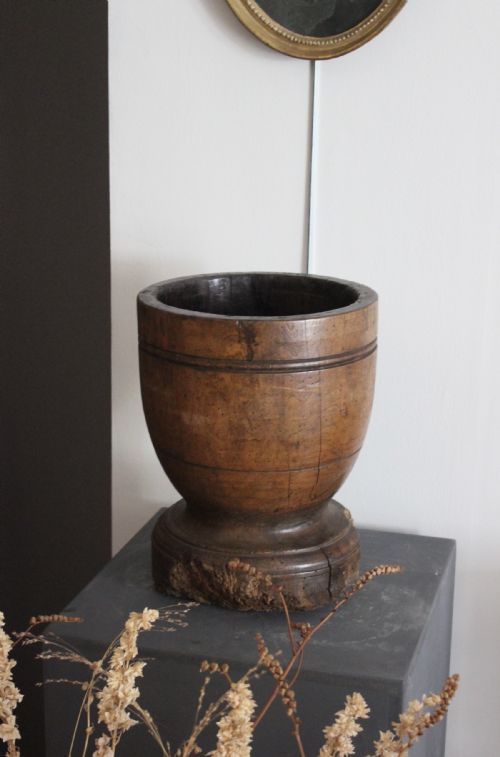
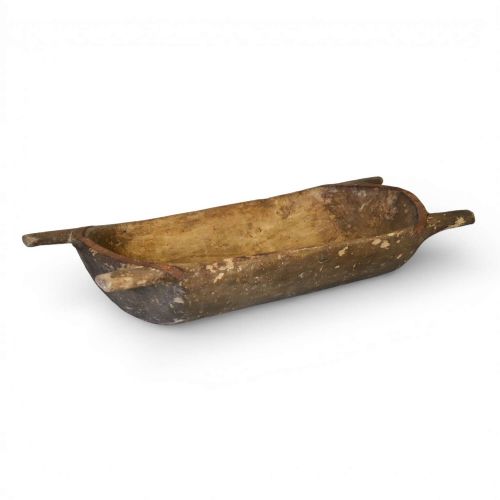
The assortment includes specialised forms like dough troughs, small salts, and mortar bowls alongside simpler serving vessels. Each piece carries the physical evidence of rural economies where turned wood served daily domestic routines.
How they were made
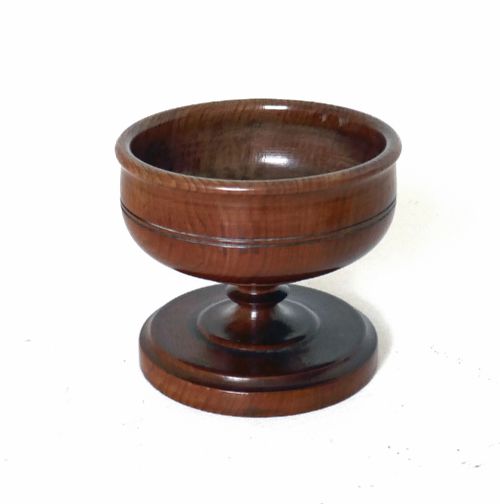
Woodturners shaped green timber on lathes using gouges and chisels, exploiting the natural grain patterns of hardwoods like sycamore, walnut, and yew. Turning green wood allowed the material to warp slightly as it dried, resulting in the organic asymmetry characteristic of early treen.
Dairying and kitchen vessels required tight-grained timbers that resisted splitting when exposed to moisture and milk fats. Craftsmen selected woods such as sycamore for its clean, pale surface and resistance to tainting, finishing surfaces with simple oils or leaving them bare to absorb the patina of daily use.
Antique Wood Bowl Retail Price Guide 2026
Typical asking prices for wood bowl among the pieces listed under this phrase on Sellingantiques today, from the lower quarter to the upper quarter. They describe what is for sale here now, not the wider market.
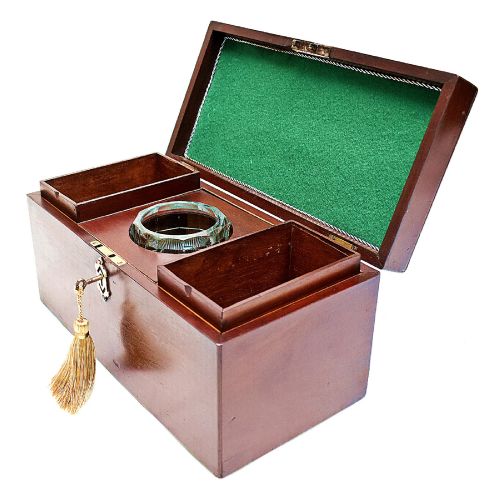
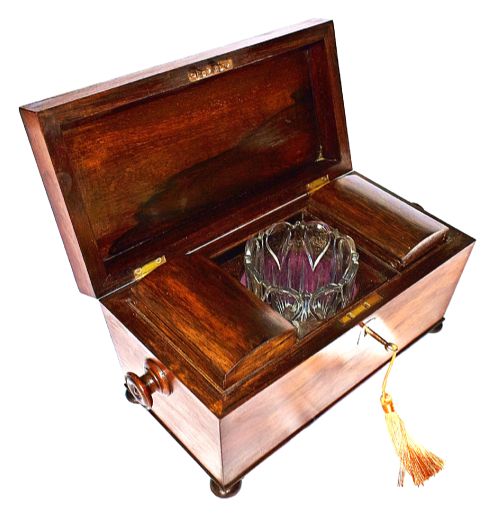
Several items survive from households where cats commanded stands alongside dairy bowls and tea caddies.
What varies in quality
Quality in these wooden vessels rests upon the balance of the turning, the health of the timber, and the depth of the patination earned through active service. A well-proportioned rim and wall thickness demonstrate the turner's skill at the lathe, whilst a warm, undisturbed surface skin reveals careful preservation over generations.
Deterioration from aggressive scrubbing, active woodworm, or structural shrinkage cracks alters the integrity and visual coherence of a piece. The finest examples retain their original geometric crispness at the foot and rim whilst displaying the subtle, honeyed tones acquired from historic use.
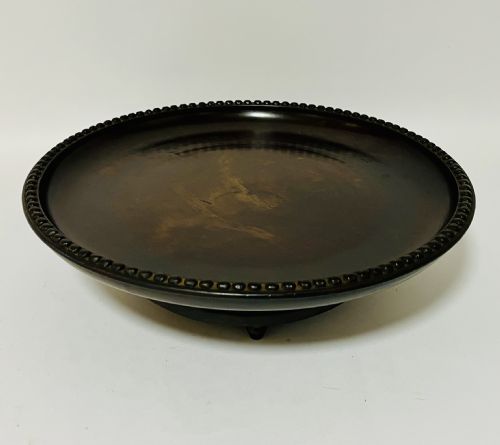
Christopher Dresser for Hukin & Heath
The Antique Wood Bowl Glossary
- Treen
- Small handmade wooden objects for domestic use. This term encompasses turned bowls, spoons, platters, and dairy vessels made before mass production.
- Dairy bowl
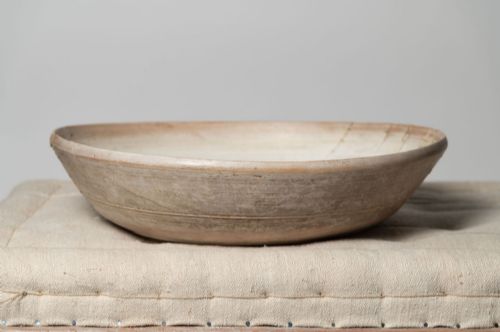
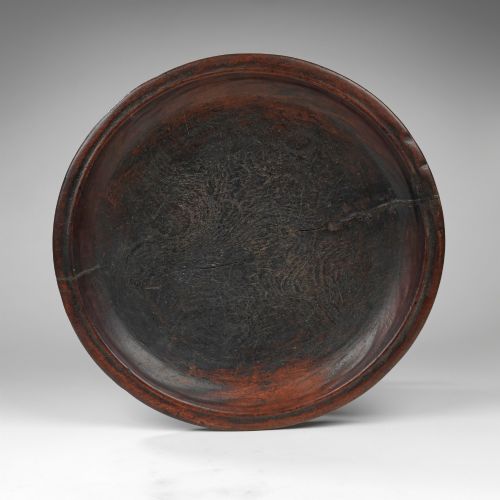
- A shallow vessel used historically for setting milk to allow the cream to rise to the surface. Sycamore was the preferred timber due to its clean properties.
- Patina
- The surface sheen and colour developed by wood over long periods through handling, oxidation, and exposure to oils or light.
- Lathe turning
- A manufacturing technique where a piece of wood rotates against cutting tools to create symmetrical hollow forms and round vessels.
Antique Wood Bowl: Frequently Asked Questions
What were antique wood bowls used for?
These vessels served practical tasks in historic households, primarily in dairies for setting milk, kneading dough, or holding fruit and provisions.
Over time, utility items migrated from working spaces into domestic display as people began collecting vernacular wooden artefacts.
How do I clean an antique wood bowl?
Dust the surface with a dry cloth and avoid submerging the wood in water or exposing it to harsh detergents.
Occasional treatment with a neutral food-safe mineral oil helps maintain the moisture balance in dry timbers without harming the historic finish.
How can I tell the age of a wooden bowl?
Age is determined by tool marks, timber choice, wear patterns, and the character of the surface patina accumulated over centuries.
Turned pieces from the Georgian and 18th-century periods often exhibit distinct lathe characteristics and specific wood species typical of regional British and European craft.
Can I use an antique wood bowl for food?
Most historic wooden vessels feature dry surfaces, shrinkage cracks, or historic residues that make them unsuitable for holding moist modern food.
It is best to reserve these pieces for dry display, such as holding fruit, or to appreciate them as sculptural examples of historical treen.