

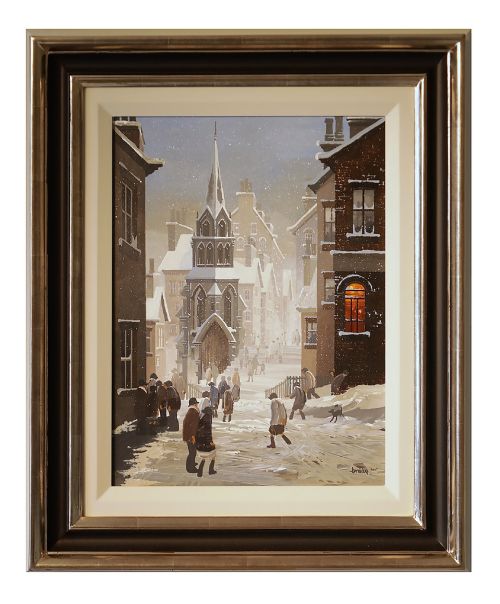

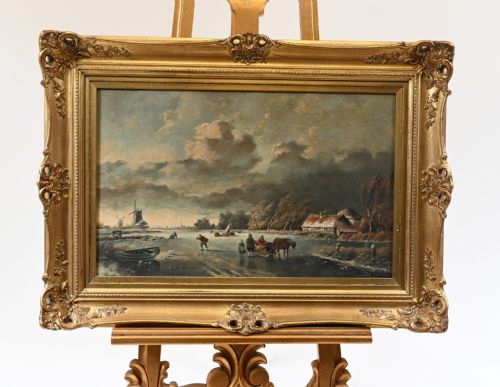

Antique Winter Painting
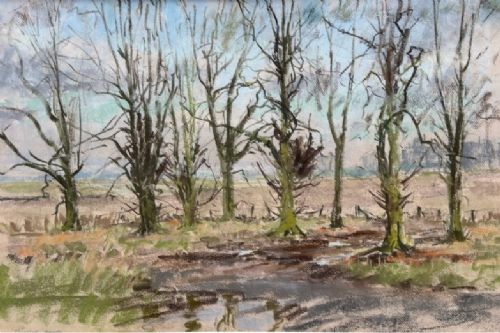
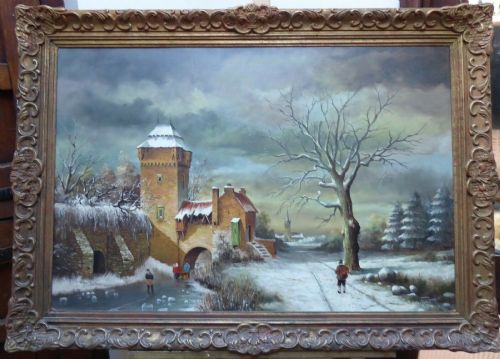
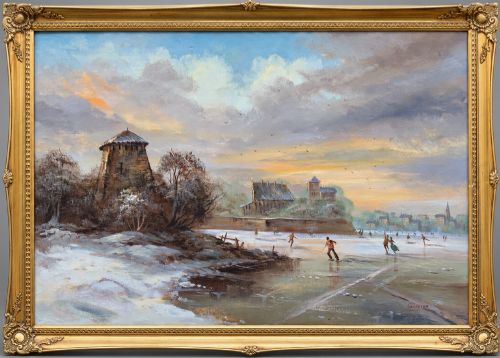
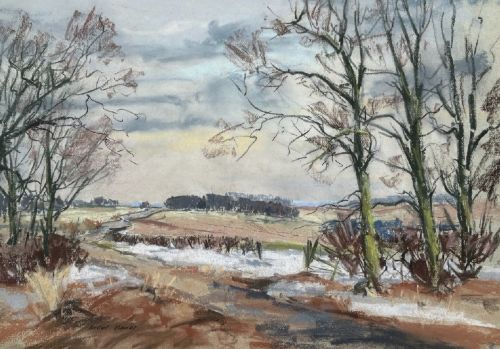
These antique winter painting works capture snowy landscapes, frozen rivers and cold seasons across canvas, paper and glass.
Antique Winter Painting
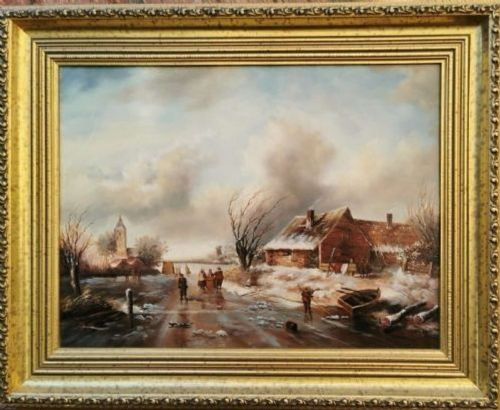
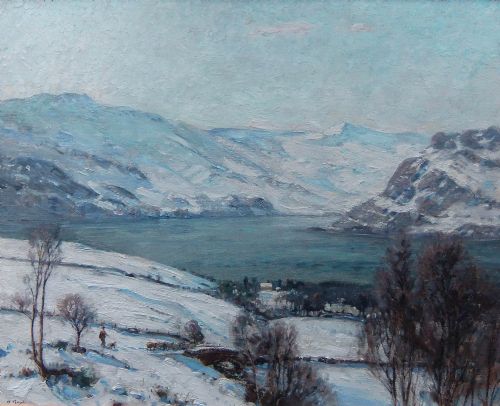
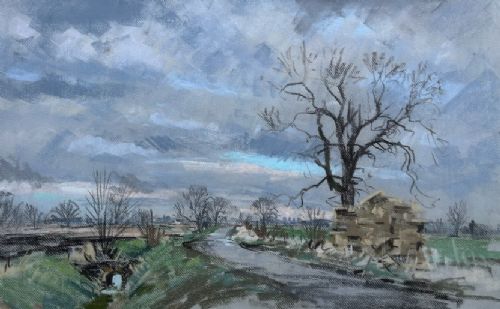
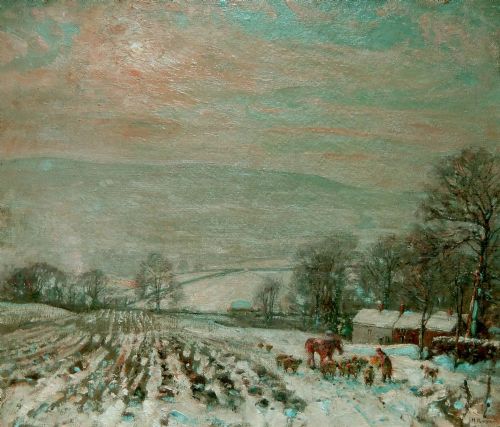
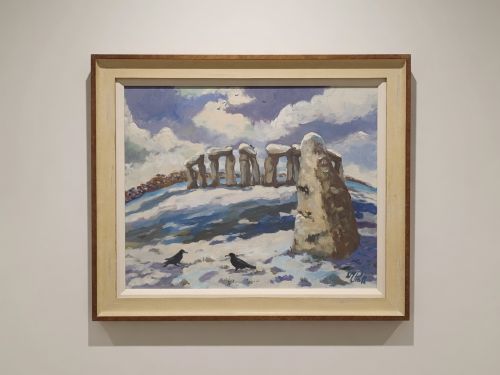
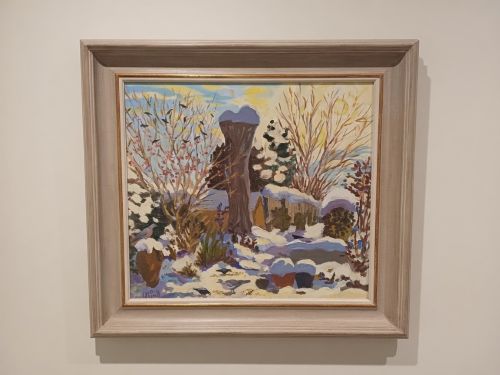
An antique winter painting captures cold weather, snow-covered villages and frozen waterways across canvases and watercolours spanning the nineteenth and twentieth centuries. You will frequently encounter oils on canvas depicting Dutch-influenced frozen landscapes alongside British impressionist scenes of snow and ice.
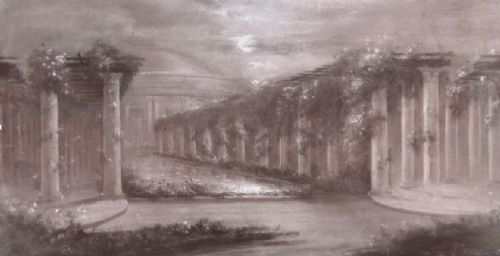
The selection ranges from rural coaching scenes and agricultural views to delicate watercolours and reverse glass prints. Works emerge from various schools, including Dutch manner interpretations and domestic regional paintings from artists working in the Victorian and Edwardian periods.
How they were made
Artists applied oil paint to stretched canvas or wooden board, often building thick textures of white and grey to render snow and overcast skies. Watercolours utilise paper supports with washes of pigment and gouache to create luminous winter light.
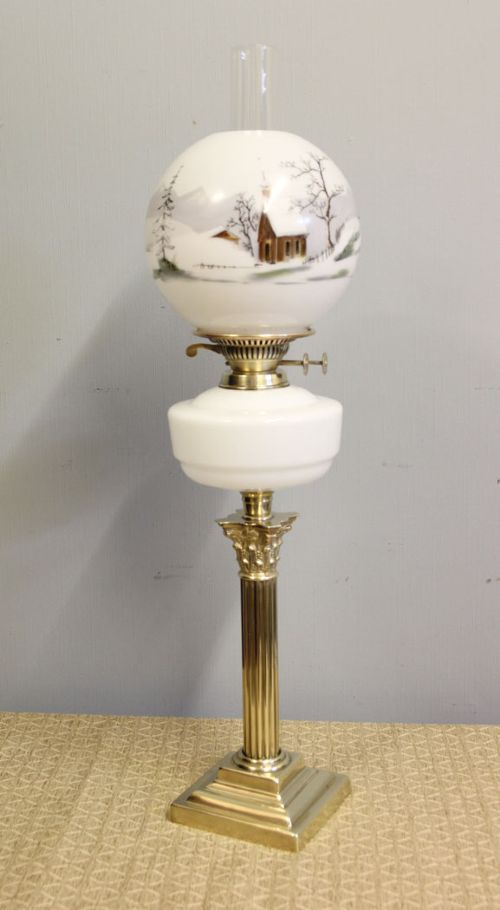
Many works retain their original gilt wood frames embellished with gold leaf, while alternative pieces utilise glass panels or leaded windows for painted winter scenes.
Antique Winter Painting Retail Price Guide 2026
Typical asking prices for winter painting among the pieces listed under this phrase on Sellingantiques today, from the lower quarter to the upper quarter. They describe what is for sale here now, not the wider market.
Listings feature canvases, watercolours, glass panels and wood supports dating from the nineteenth and twentieth centuries.
What varies in quality
Atmospheric depth and brushwork control separate standard decorative winter scenes from masterworks by listed artists who captured natural light and frost convincingly. The handling of perspective in coaching scenes and frozen figures indicates the skill of the painter.
Condition of the canvas, stability of the pigment layer and the presence of an original period gilt frame influence the integrity of the piece.
Herbert Royle·John Charles Maggs·William Tatton Winter·Pieter Cornelis Steenhouwer·Alexis De Leeuw
The Antique Winter Painting Glossary
- Dutch School
- A grouping of painters following the stylistic traditions of the Netherlands, often known for detailed winter landscapes and frozen canal scenes. This tradition influences many subsequent European landscape painters.
- Gilt
- A thin layer of gold leaf applied to wooden frames or decorative objects. It provides a reflective border that complements dark winter palettes.
- Watercolour
- A paint consisting of water-soluble pigments used on paper. It allows for transparent washes ideal for capturing snowy mists.
- Reverse Glass Print
- An image applied directly to the back of a glass panel. This technique produces a glossy surface finish seen in decorative seasonal pairs.
Antique Winter Painting: Frequently Asked Questions
How do I date an old winter painting?
Examine the canvas preparation, stretcher frames and stylistic clues within the clothing of any figures depicted. Signatures and exhibition labels on the reverse also help establish the decade.
Pigment analysis and framing styles provide additional supporting evidence for the period of creation.
Are watercolours more fragile than oils?
Watercolour paintings require protection from direct sunlight to prevent fading of the pigments on paper. They must be framed under glass with acid-free mounts to guard against moisture.
Oil paintings on canvas offer greater resilience against environmental factors, provided the paint layer remains stable.
What subjects appear in these winter scenes?
Common subjects include frozen lakes with skaters, stagecoaches navigating snowstorms, rural villages at dusk and agricultural animals feeding in snow. Artists frequently recorded local Yorkshire dales or traditional Dutch waterways.
Industrial and urban rooftops also feature in mid-twentieth century modernist interpretations of cold weather.
How should I display a winter painting at home?
Hang the artwork away from direct heat sources and strong sunlight to protect the canvas or paper from warping and fading. Maintain stable room temperatures to preserve the surrounding gilt frame.
Ensure adequate wall space allows the atmospheric depth of the snow scene to register clearly.