



Antique Winter Landscape Art
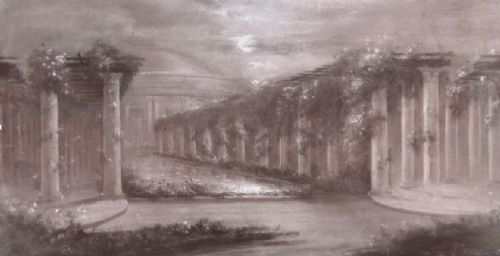
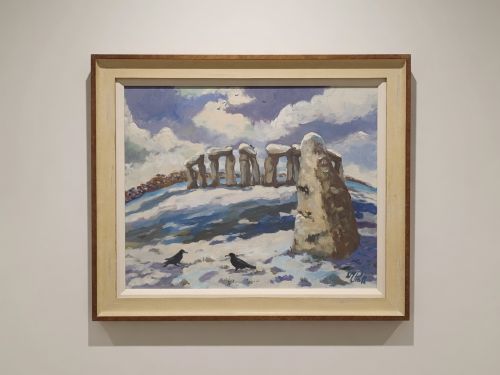
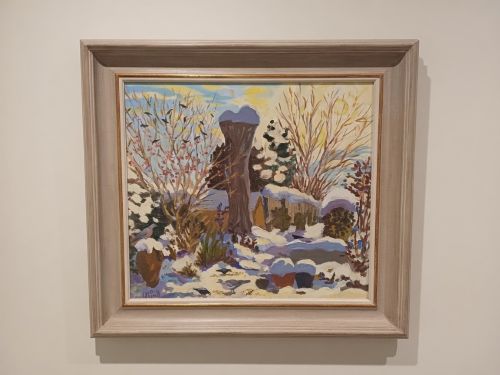
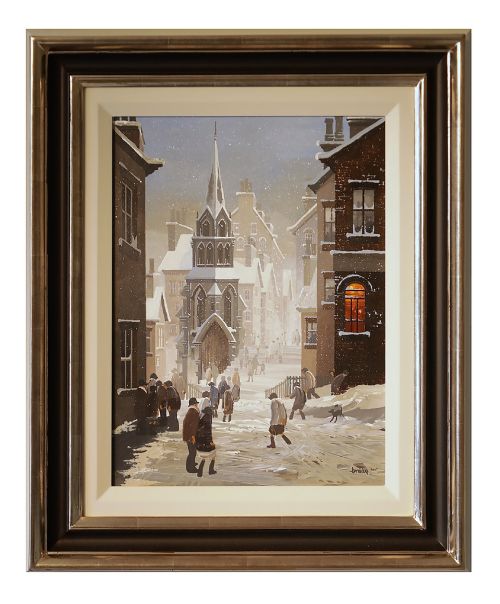
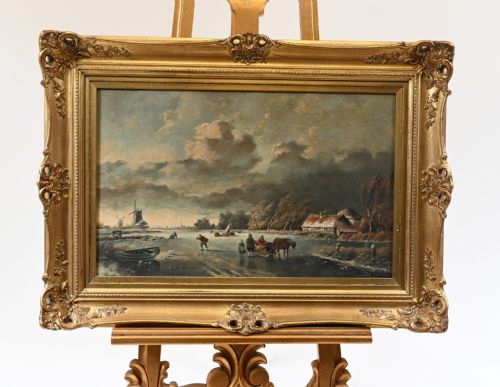
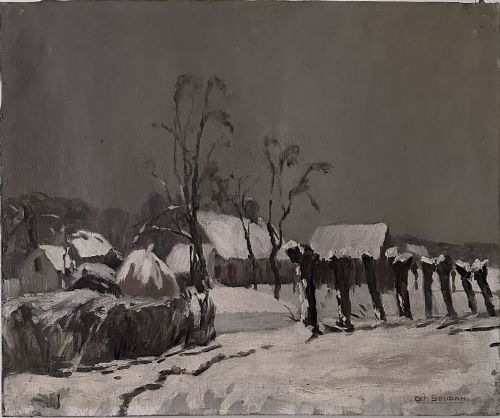
Antique winter landscape art captures cold weather scenes through paint, glass and paper to bring quiet atmosphere indoors.
Antique Winter Landscape Art
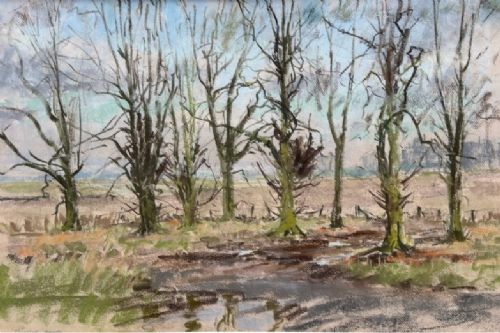
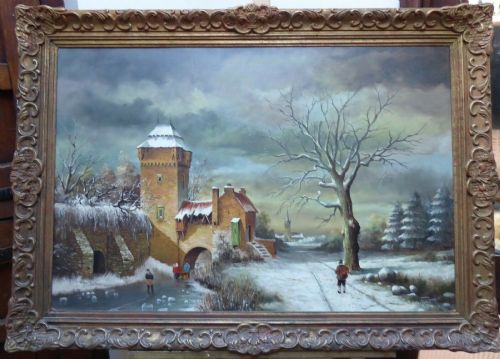
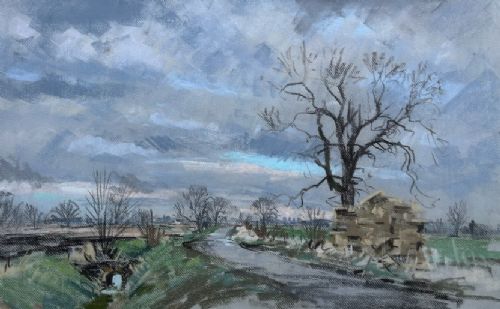
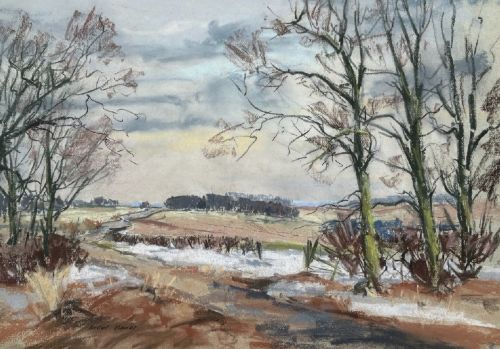
Antique winter landscape art encompasses oil paintings, watercolours and glassware depicting frozen lakes, snow-covered villages and barren fields. These works date from the nineteenth century through the mid-twentieth century, spanning periods like the Victorian era, Edwardian years and the 1920s.
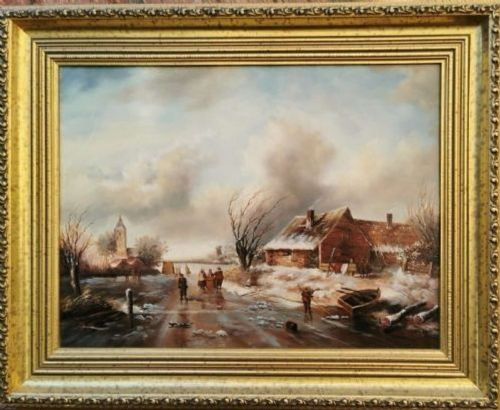
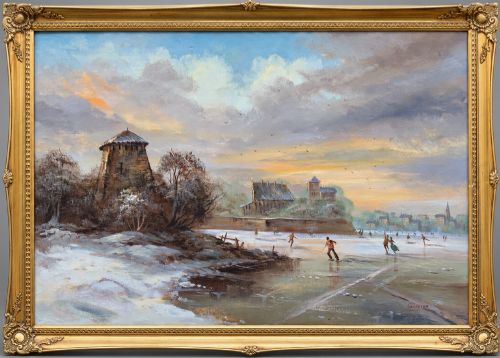
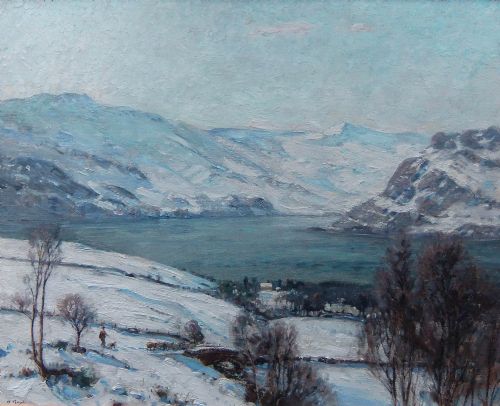
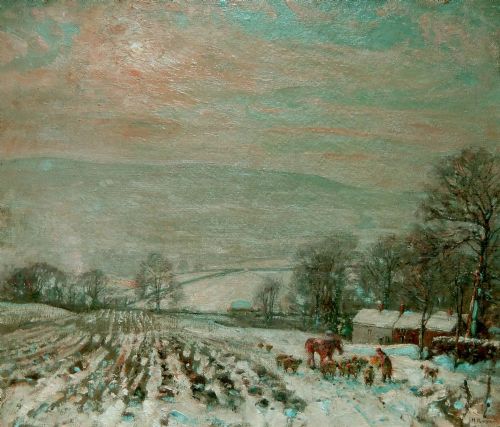
The selections on this page feature British and continental European scenes, including Yorkshire views, Dutch frozen canals and French rural settings. Pastoral subjects, coaching scenes and village rooftops dominate the available forms.
Buyers will encounter framed watercolours on paper alongside substantial oil paintings on canvas and board. Cameo glass vases and enameled table lamps also appear, demonstrating how the winter theme extended beyond flat art into decorative objects.
Materials and Techniques
Painters utilised oil paint on canvas, board or wood panels, building up texture to represent snow and frost. Watercolours and gouache on paper provide lighter, fluid depictions of winter light and overcast skies.
Makers of decorative glass applied acid-etching, enamelling and cameo layering to shape wintry motifs around vases and lamps. These techniques required precise control of heat and chemicals to achieve the characteristic frosted appearance.
Antique Winter Landscape Art Retail Price Guide 2026
Typical asking prices for winter landscape art among the pieces listed under this phrase on Sellingantiques today, from the lower quarter to the upper quarter. They describe what is for sale here now, not the wider market.
Regional British scenes from Yorkshire and Cumberland sit alongside Dutch frozen waterways and French pastoral views.
Assessing Quality and Execution
Quality rests upon the artist's handling of light and atmosphere, particularly the difficult rendering of cold grey daylight and white snow. Strong compositions demonstrate confident brushwork or watercolour washes rather than stiff, mechanical rendering.
In glass and ceramics, the depth of the cameo layers and the crispness of the enamel details separate standard production items from masterworks. Provenance, legible signatures and exhibition history further elevate individual pieces.
Daum Frerès·Herbert Royle·John Charles Maggs·Legras·William Tatton Winter
The Antique Winter Landscape Art Glossary
- Cameo glass
- Glassware formed with multiple layers of different colours, acid-etched to create a raised design. This technique allows intricate snowy scenes to wrap around curved vessel walls.
- Gouache
- An opaque water-based paint mixed with a white pigment to create denser, heavier coverage than traditional watercolour. Artists use it to add solid highlights of snow.
- Impressionism
- A nineteenth-century painting style characterised by relatively small, thin yet visible brush strokes and open composition. It focuses on accurate depiction of light in its changing qualities.
- Oil paint
- A slow-drying paint made with particles of pigment suspended in a drying oil. It permits rich blending and textured impasto suited for thick snowdrifts.
Antique Winter Landscape Art: Frequently Asked Questions
How do I date an antique winter painting?
Dating relies upon stretcher construction, canvas types, artist signatures and framing styles. Costume details on figures within the scene also provide reliable chronological markers.
Examine the reverse of the canvas or board for old exhibition labels, stamps or handwritten inscriptions left by previous owners or galleries.
Where should I hang winter art?
These works suit rooms with neutral colour schemes where the muted blues, greys and whites of snow scenes can establish a calm focal point. Avoid direct sunlight to protect watercolours and oil pigments from fading.
Pairing framed paintings with period lighting creates a cohesive display in studies, drawing rooms or hallways.
Are watercolours as durable as oils?
Watercolours on paper are sensitive to light and moisture, requiring framing behind protective glass with acid-free mounts. Oil paintings on canvas are more robust but still benefit from stable indoor humidity.
Keep both mediums away from damp walls and direct heat sources to preserve the paper support and paint layers.
What subjects are most common?
Rural Yorkshire valleys, Dutch frozen waterways with figures skating, and coaching scenes navigating snowstorms appear frequently. Artists often focused on local pastoral views during the winter months.
Domestic items like enameled glass lamps and vases also depict seasonal tree lines and frosted landscapes.