


Antique Winter Artwork
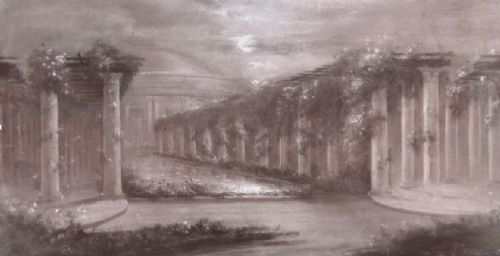
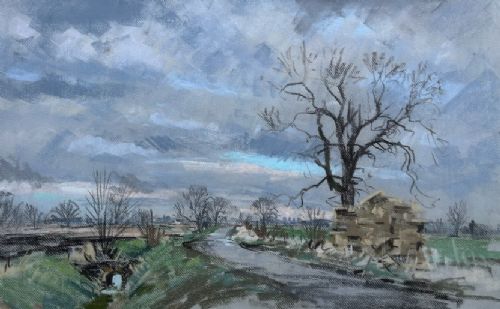
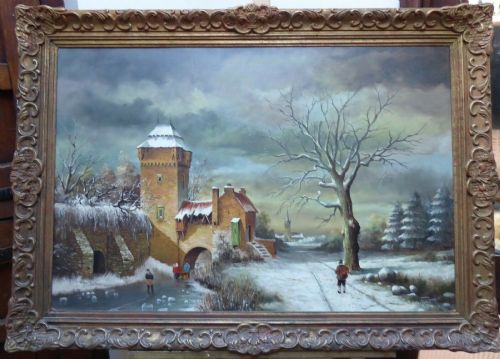
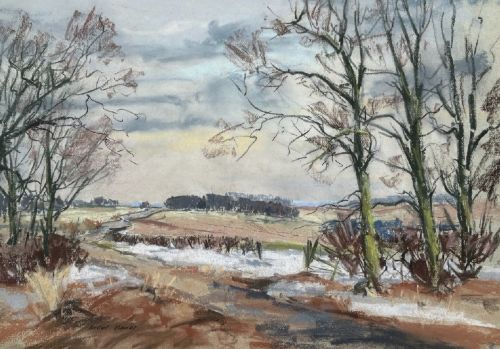
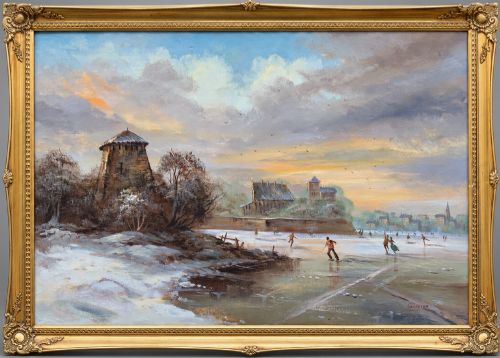
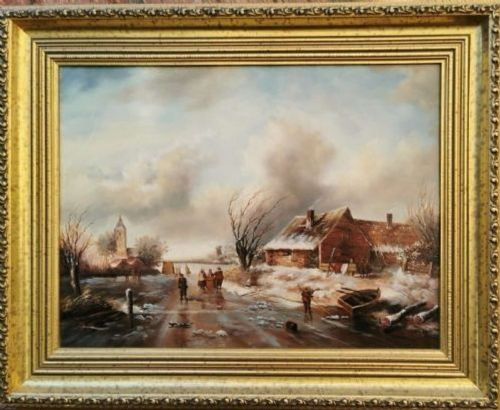
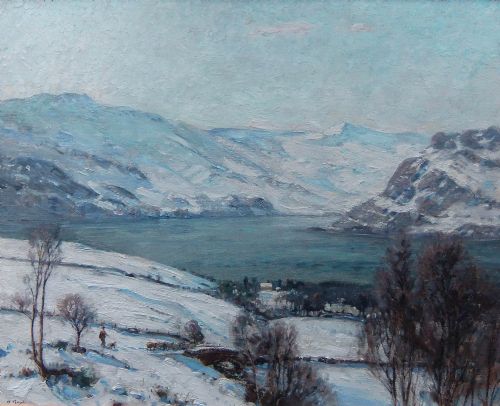
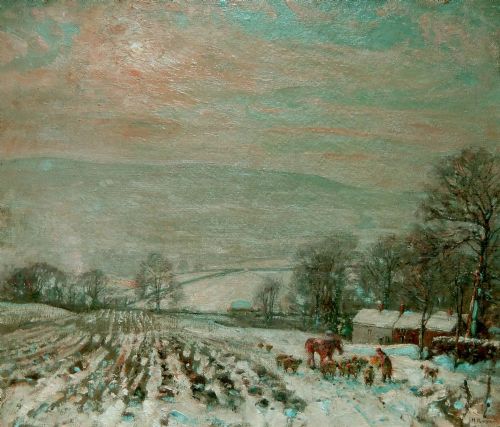
These pieces of antique winter artwork capture frosty landscapes, snowy villages and cold days through oil, watercolour and canvas.
Antique Winter Artwork
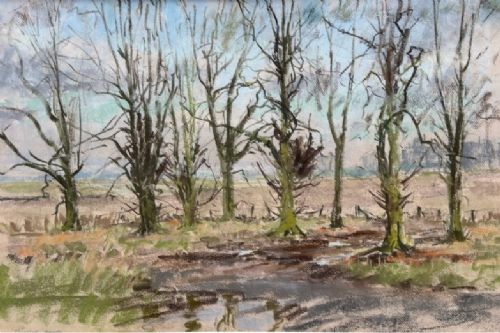
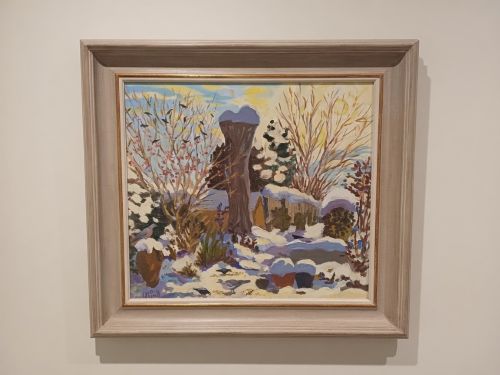
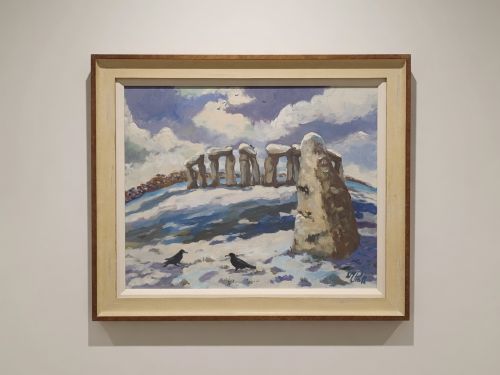
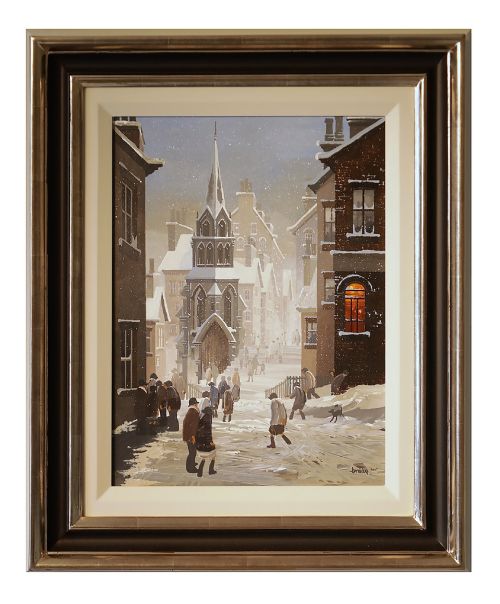
Antique winter artwork encompasses paintings and watercolours that portray cold seasons, snowy villages, frozen waterways and winter farming. The pieces span from the Georgian period through the nineteenth century into the mid-twentieth century, including British Impressionism and the Dutch School. Subjects range from coaching scenes in snowstorms and sheep-droving in the snow to quiet rural landscapes and bustling city streets on cold days.
Watercolours and oil paintings dominate the selection, executed on canvas, paper, wood, glass and board. Works vary from detailed Victorian animal portraits and Dutch winter landscapes to early twentieth-century pastoral scenes and mid-century cityscapes. Buyers encounter named artists alongside works from the English and Dutch schools, capturing seasonal chill across different regional traditions.
Materials and Technique
Artists painted these winter scenes primarily in oil paint or watercolour, applying pigment to stretched canvas, paper, wood panels or board. Oil paint provided rich layers for rendering heavy snow and frost, while watercolour allowed for delicate, translucent washes on paper depicting pale winter light. Some works incorporate gouache or pastel to heighten specific textural elements in the composition.
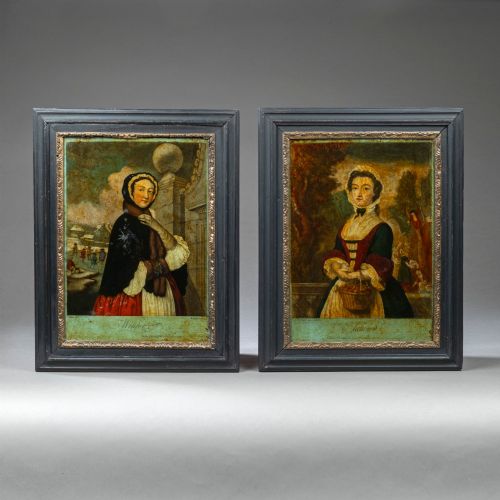
Supports range from traditional canvas and heavyweight paper to specialised items like reverse glass prints and Japanese scroll paintings. Framing often utilises wood to protect the delicate surfaces of paper works and oil paintings alike. The combination of durable oil media and fine paper supports defines how these seasonal images survive.
Antique Winter Artwork Retail Price Guide 2026
Typical asking prices for winter artwork among the pieces listed under this phrase on Sellingantiques today, from the lower quarter to the upper quarter. They describe what is for sale here now, not the wider market.
Listings feature works spanning the nineteenth century through the 1960s, utilising canvas, paper, wood, glass and oil paint.
Distinctions in Quality
Quality rests in the handling of light, atmosphere and the specific chill of the season rather than the mere presence of snow. Superior works demonstrate skilled brushwork that conveys the heavy density of falling snow or the crisp clarity of a frozen lake, whereas lesser pieces rely on formulaic repetition without atmospheric depth. The articulation of figures, animals and architecture within the cold landscape separates accomplished compositions from standard decorative items.
The provenance and attribution to a listed or recognised artist elevate a piece above anonymous works from the various regional schools. Material integrity, such as the preservation of the original canvas or paper and the stability of the paint layer, dictates the standing of the work. Well-preserved signatures and documented historical periods further distinguish the finer examples.
Herbert Royle·John Charles Maggs·William Tatton Winter·Charles Jones·Alexis De Leeuw
The Antique Winter Artwork Glossary
- Canvas
- A heavy woven fabric stretched across a wooden frame to serve as a durable support for oil painting.
- Watercolour
- A paint consisting of pigment suspended in a water-based solution, applied to paper to create translucent layers.
- Reverse Glass Painting
- An artwork applied directly to the back of a glass pane so the image is viewed through the front.
- Gouche
- An opaque watercolour paint containing pigment mixed with a binding agent and white filler, yielding a heavier finish.
- Dutch School
- A collective term for seventeenth-century and later artists working in the Netherlands, known for landscape and genre painting.
Antique Winter Artwork: Frequently Asked Questions
What subjects appear in winter artwork?
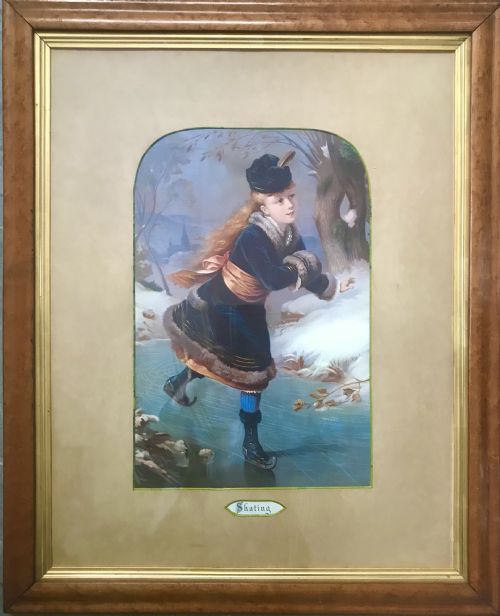
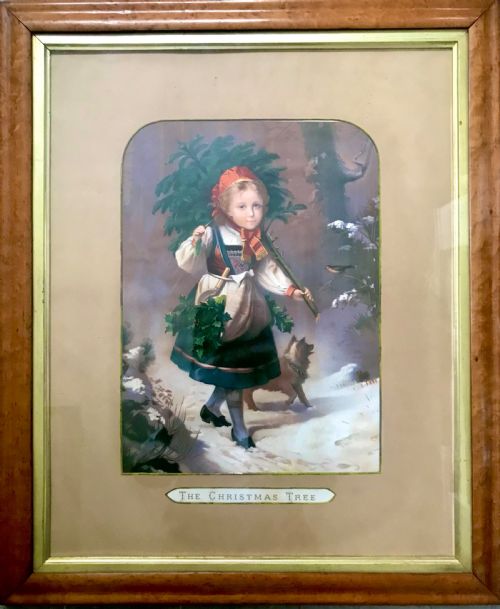
These pieces depict snowy landscapes, frozen lakes with skaters, stagecoaches in blizzards, hunting hounds in snow and cold city streets. Artists captured rural farm life, sheep-droving and quiet woodland scenes during the colder months.
The imagery reflects regional traditions from British pastoral scenes to Dutch frozen waterways, illustrating how different cultures experienced and recorded winter weather.
How should I care for watercolour winter pieces?
Watercolour paintings on paper require protection from direct sunlight to prevent the pigments and paper from fading. Framing under glass with acid-free mounts keeps moisture and atmospheric pollutants away from the delicate surface.
Position these works on interior walls away from direct heat sources and fluctuating humidity to preserve the integrity of the paper support.
How do I identify the period of an oil painting?
Dating relies on stylistic clues, the stretcher frames, the canvas weave and any signatures or inscriptions left by the artist. Victorian pieces often feature narrative genre scenes or detailed animal portraits, while twentieth-century works lean towards impressionistic brushwork.
Examining the back of the canvas or board frequently reveals historical labels, stamps or handwritten notes that confirm the date of execution.
What is the difference between oil and watercolour?
Oil paint utilises a drying oil binder, allowing for thick impasto applications that physically mimic the texture of snow and frost. Watercolour employs water-soluble binders on paper, creating light, transparent effects suited to pale winter skies.
Oils are typically displayed on stretched canvas or wood panels without glass protection, whereas watercolours require glazing to shield the paper.