

Antique Wingback Seat
An antique wingback seat brings deep draught-excluding sides and upholstered comfort into a room, drawing on centuries of domestic seating design.
Antique Wingback Seat
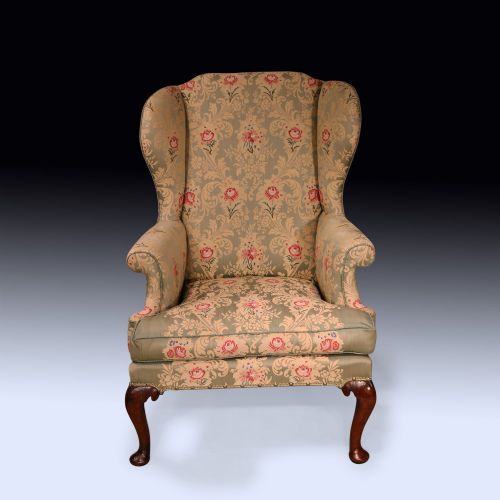
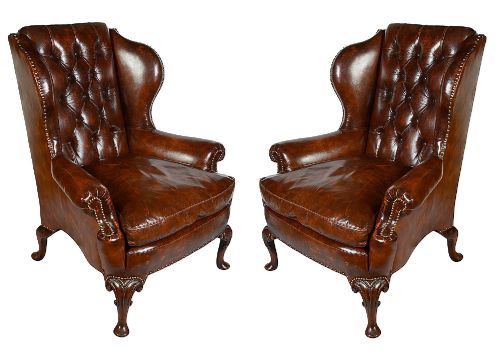
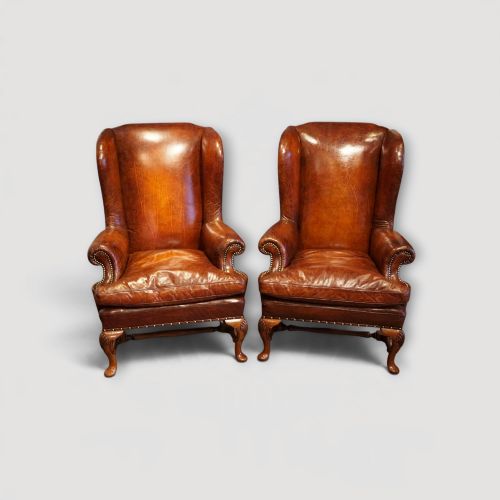
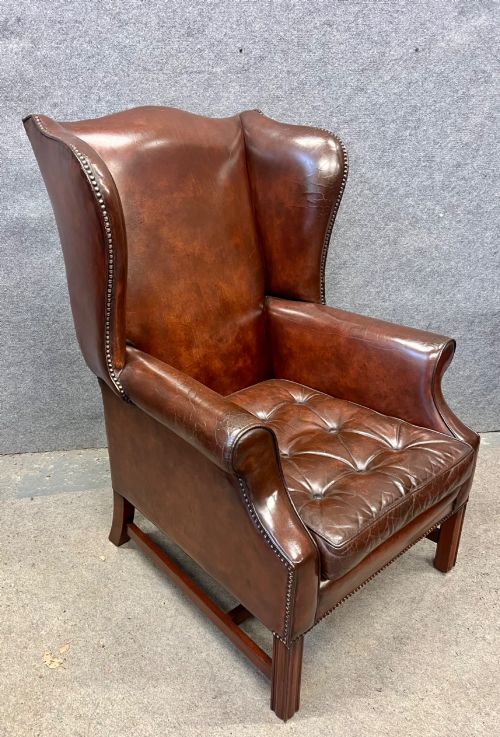
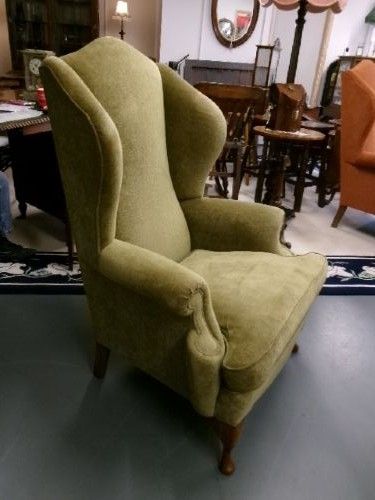
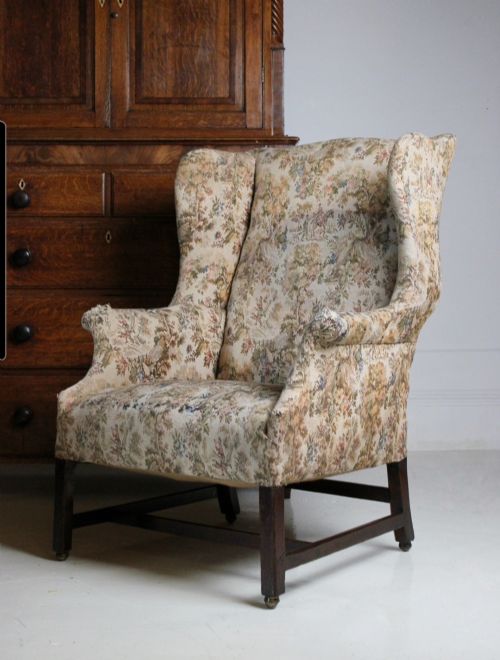
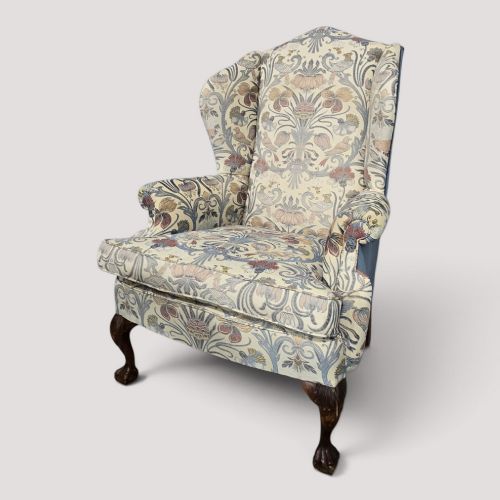
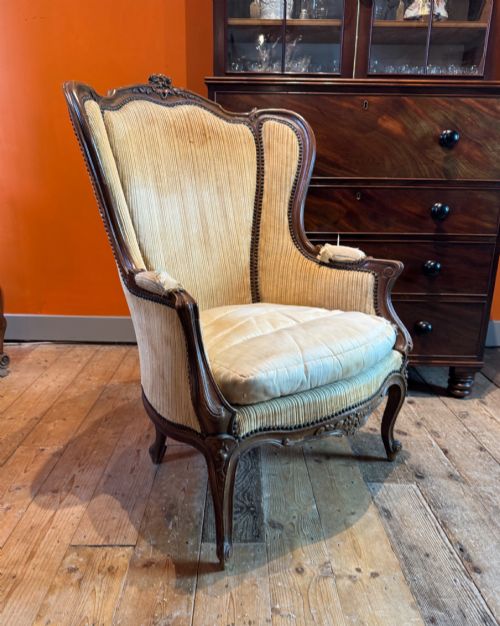
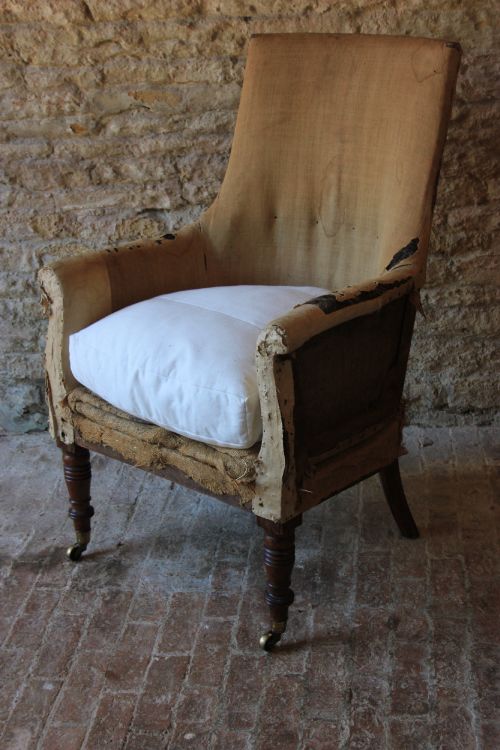
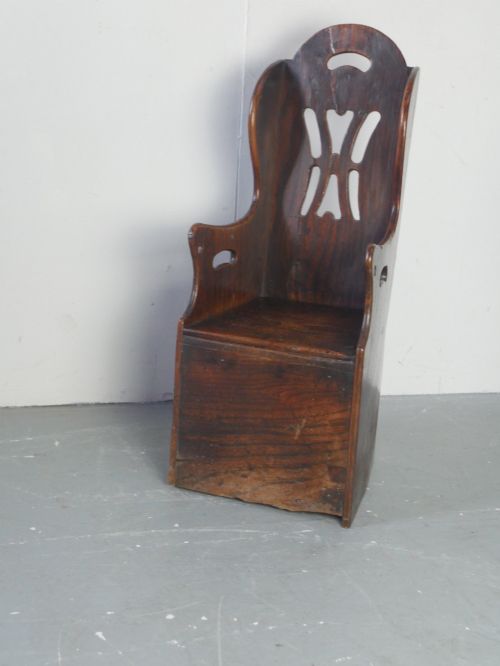
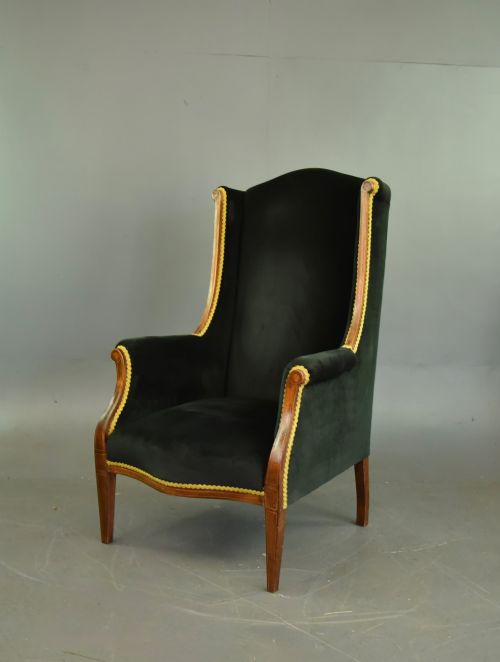
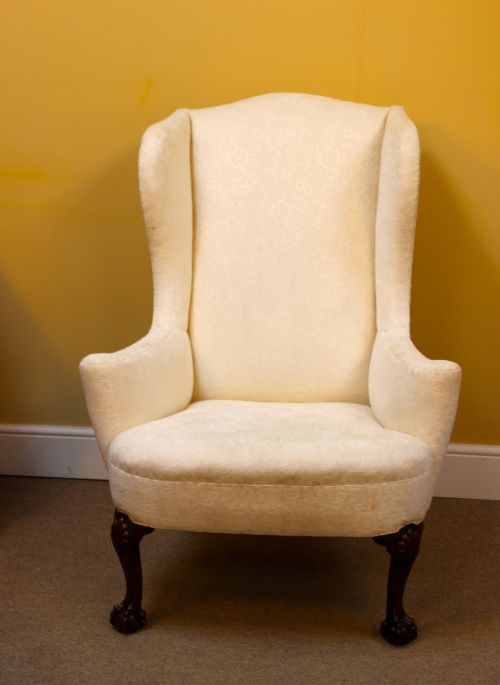
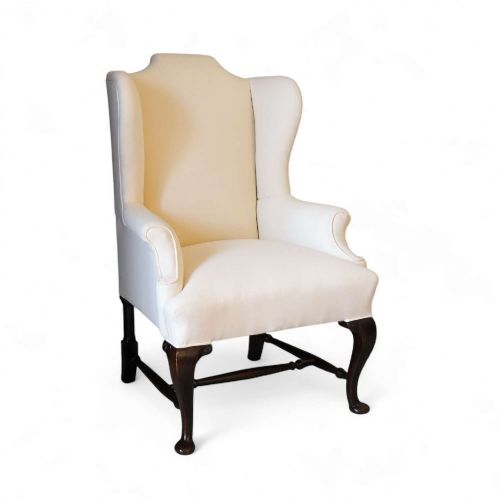
An antique wingback seat is a high-backed armchair or sofa designed to shelter the sitter from draughts, featuring distinctive side wings attached to the armrests. Buyers searching for an antique wingback seat will find examples spanning from the eighteenth century through the Edwardian period and into the 1930s.
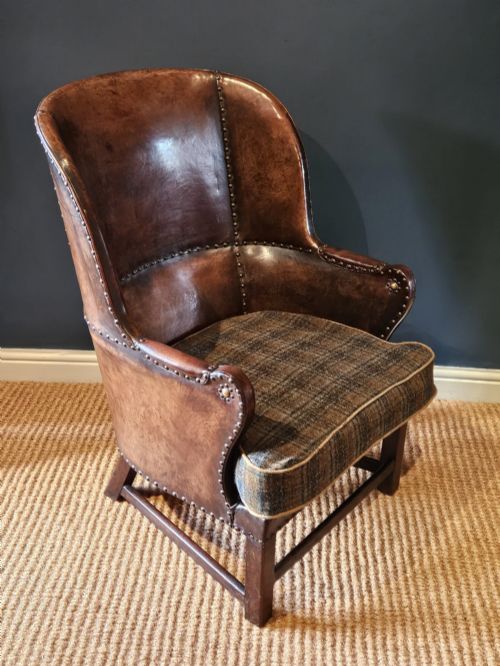
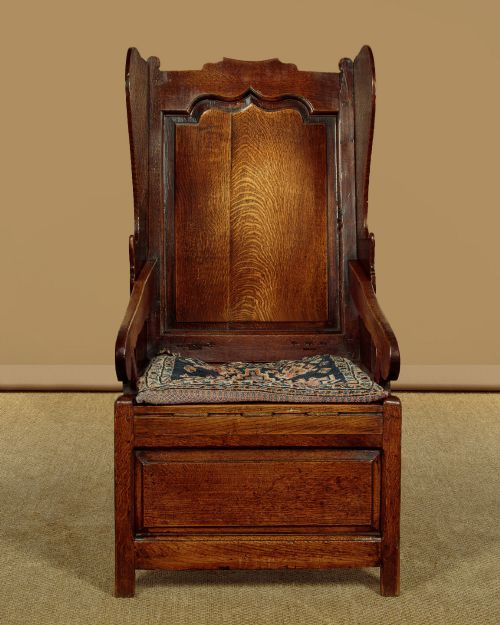
The selection ranges from early oak and walnut frames to later mahogany and satinwood interpretations, alongside revival styles like Queen Anne and Georgian. Forms include traditional armchairs, barrel backs, and larger settees.
Makers and workshops utilised various timber frames beneath upholstery ranging from modern cotton and chenille to traditional leather and velvet. Each piece displays the evolving proportions of its respective period, from generous Georgian proportions to neat Edwardian lines.
Materials and construction
Frames rely on solid timbers such as mahogany, walnut, oak, and general wood or timber, often joined with traditional woodworking techniques. Brass elements sometimes appear in castors or decorative hardware.
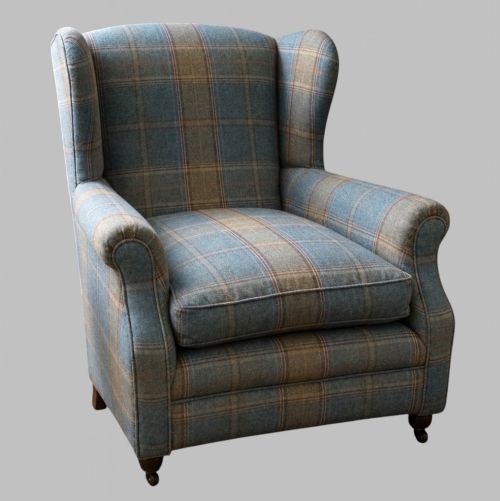
Upholstery materials recorded in the evidence include leather, velvet, satinwood inlay, and various textiles like calico, chenille, and cotton fabric. Interior padding ranges from feather fillings to traditional stuffings.
Antique Wingback Seat Retail Price Guide 2026
Typical asking prices for wingback seat among the pieces listed under this phrase on Sellingantiques today, from the lower quarter to the upper quarter. They describe what is for sale here now, not the wider market.
Listings feature periods spanning the 17th century through the 1930s, including Georgian, Victorian, Edwardian, and Art Deco styles.
Judging the standard
Quality rests in the integrity of the timber frame and the sculptural sweep of the wings and arms. Pieces that retain their original proportions and sturdy wood construction stand apart from lesser or heavily altered examples.
The refinement of the upholstery work and the choice of covering material, whether aged leather or fine textile, influence the overall character of the piece. Subtle details like mahogany grain and careful inlay distinguish the finer examples.
Whytock & Reid·Sopwith
The Antique Wingback Seat Glossary
- Wingback
- An armchair or sofa featuring projecting side panels designed to trap heat and block draughts. These wings evolved from earlier panelled settles.
- Barrel back
- A seating form where the upholstered back curves continuously into the arms in a semi-circular shape. This style provides a particularly enclosed and supportive seat.
- Satinwood
- A durable, light-coloured tropical timber frequently utilised for decorative inlays on mahogany furniture during the eighteenth and Edwardian periods.
- Chenille
- A fuzzy woven fabric frequently utilised for soft upholstery, offering a textured surface and tactile warmth.
Antique Wingback Seat: Frequently Asked Questions
How do I identify an eighteenth century wingback?
Eighteenth century wingback chairs typically feature sturdy timber frames of walnut or mahogany, with hand-shaped wings and structural joinery appropriate to the period. Their proportions tend to be robust and designed for domestic warmth.
Later revival pieces from the Victorian era or the 1930s often imitate these earlier Georgian lines but can be distinguished by secondary woods, modern upholstery methods, and machine-cut components.
Are these seats comfortable for daily use?
Many antique wingbacks are surprisingly comfortable, offering supportive high backs and padded armrests. Internal padding varies from traditional stuffings to feather fillings.
Buyers intending daily use should examine the internal support and upholstery condition, noting that many pieces have been newly upholstered in modern textiles or calico.
How do I care for leather wingback chairs?
Leather-upholstered wingbacks require gentle cleaning with appropriate leather care products to prevent drying and cracking. Keeping them away from direct heat sources preserves the hide.
Regular dusting and conditioning will maintain the natural sheen and flexibility of sheep's hide or traditional leather upholstery over time.