




Antique Wine Ewer
An antique wine ewer brings classical pourers into the dining room, combining functional service with sculptural grace for the table.
Antique Wine Ewer
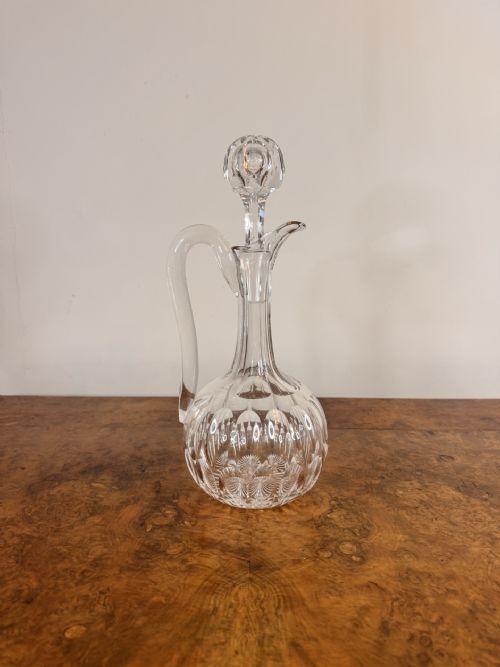
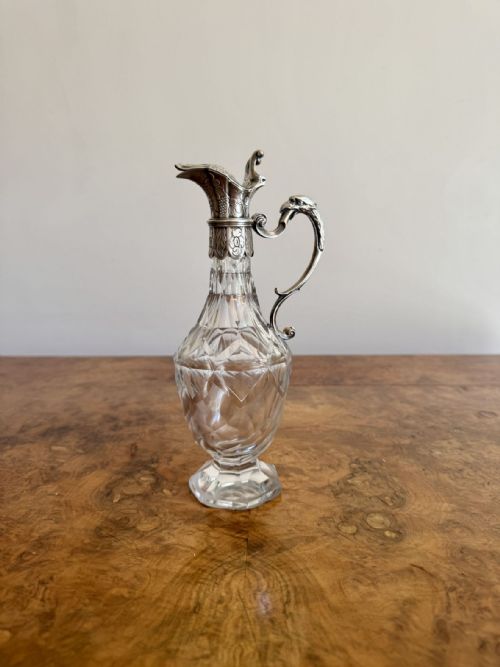
An antique wine ewer serves as a decorative vessel designed for pouring wine or water at the table. These vessels appear across diverse periods, ranging from Georgian silver examples to Victorian glass pieces.
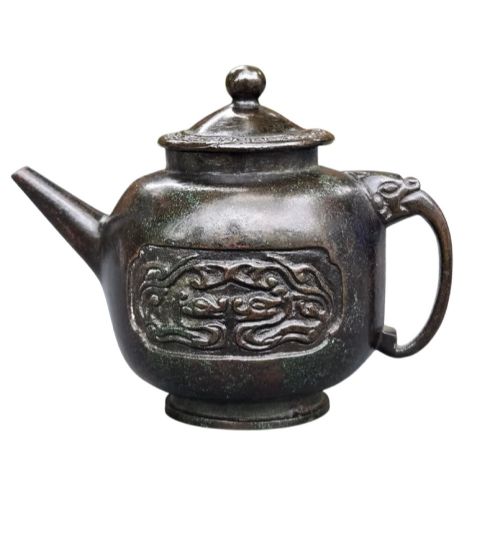
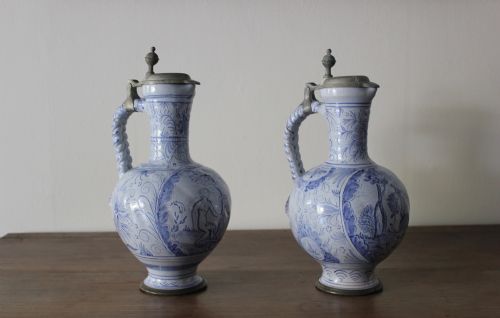
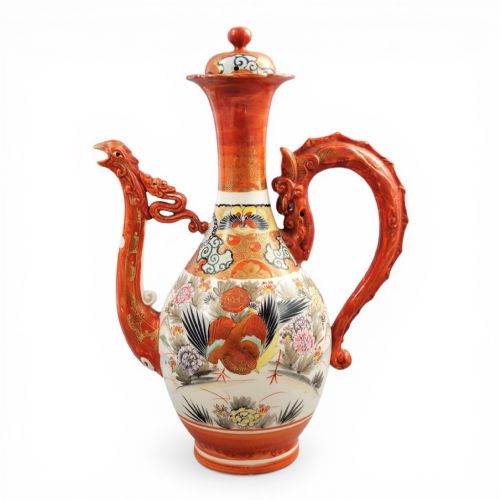
The selections on this page span several centuries and cultures, including English silver, Japanese porcelain, and Chinese ceramic items. Buyers frequently encounter Edwardian cut glass versions alongside nineteenth-century metal designs.
Makers shaped these forms for specific domestic rituals, employing materials from lead crystal to electroplated metal. Each piece reflects the aesthetic priorities of its original period, whether Neoclassical, Victorian, or Ming Dynasty style.
Materials and construction methods
Silversmiths and metalworkers utilised techniques such as casting, hammering, and electrotyping to form bodies in sterling silver, silver plate, bronze, and ormolu. Artisans often chased or engraved heraldic crests and mythological figures directly into the metal surfaces.
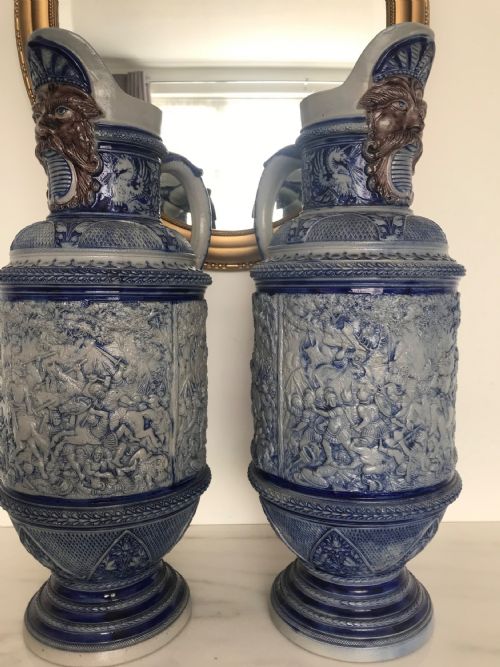
Glassmakers blew lead crystal, green glass, and latticinio vessels into moulds or manipulated them by hand, adding applied handles and intricate spouts. Ceramic pieces combined porcelain, stoneware, and earthenware bodies with cobalt blue underglazes, enamels, and salt glazes.
Antique Wine Ewer Retail Price Guide 2026
Typical asking prices for wine ewer among the pieces listed under this phrase on Sellingantiques today, from the lower quarter to the upper quarter. They describe what is for sale here now, not the wider market.
Listings feature vessels from the seventeenth century through the Edwardian era, utilising porcelain, cut glass, bronze, and silver plate.
Distinctions in craftsmanship
The caliber of an antique wine ewer rests on the crispness of its casting, the weight of its metal or glass, and the precision of its decorative details. Superior examples display balanced proportions and secure handle attachments without visible flaws in the material.
Artisans working at the higher end achieved finer detail in figural handles, such as those depicting Bacchus or dolphins, and applied more complex decorative programmes like cloisonné enamel or hand-painted porcelain scenes.
Simon Peter Gerz·Henry Bourne·John Scofield·Choisy-le-Roi or Sarreguemines·Baccarat
The Antique Wine Ewer Glossary
- Ewer
- A large jug with a wide spout and handle, traditionally used for pouring water or wine at the table. These vessels date back to antiquity and evolved through various decorative styles.
- Electrotype
- A metal object produced by the electrodeposition of silver or copper onto a mould. This nineteenth-century technique allowed makers to create deeply chased, sculptural vessels efficiently.
- Latticinio
- A glassblowing technique involving opaque white or coloured glass threads twisted within a clear glass body. Venetian artisans frequently utilised this method for delicate decanters and jugs.
- Salt glaze
- A vitreous coating of glossy texture formed by throwing common salt into the kiln during high-temperature firing. Stoneware vessels developed a distinct orange-peel surface texture through this process.
- Ormolu
- Gilded bronze used for decorative mounts and stands on nineteenth-century glass vessels. The finish provides a rich gold appearance that complements clear or coloured crystal.
Antique Wine Ewer: Frequently Asked Questions
How were these ewers used?
These vessels were placed on dining tables or sideboards to decant and serve wine to guests during formal gatherings. Their generous spouts and handles facilitated smooth pouring.
Many examples also served as presentation pieces or decorative display items rather than daily tableware.
How do I date an antique wine ewer?
Dating relies on identifying hallmarks on silver pieces, maker stamps on ceramics, and stylistic indicators such as Art Nouveau curves or Neoclassical motifs. Material composition also offers strong clues to the decade of manufacture.
Comparing the manufacturing technique against known historical periods helps narrow down the exact age of the vessel.
How should I clean glass and silver ewers?
Glass vessels require gentle hand washing with lukewarm water and mild soap to protect delicate components like applied handles or latticinio threads. Harsh abrasives must be avoided.
Silver and silver-plated pieces benefit from specialised metal polishes applied sparingly to preserve engraved details and any applied patination.