
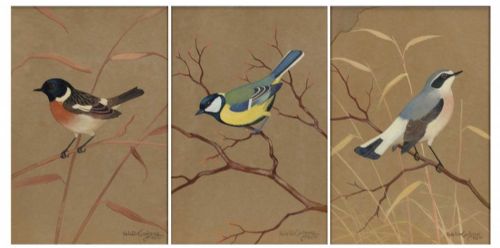


Antique Wildlife Prints
These antique wildlife prints bring the natural world indoors through detailed etchings, watercolours and paintings from the nineteenth and twentieth centuries.
Antique Wildlife Prints
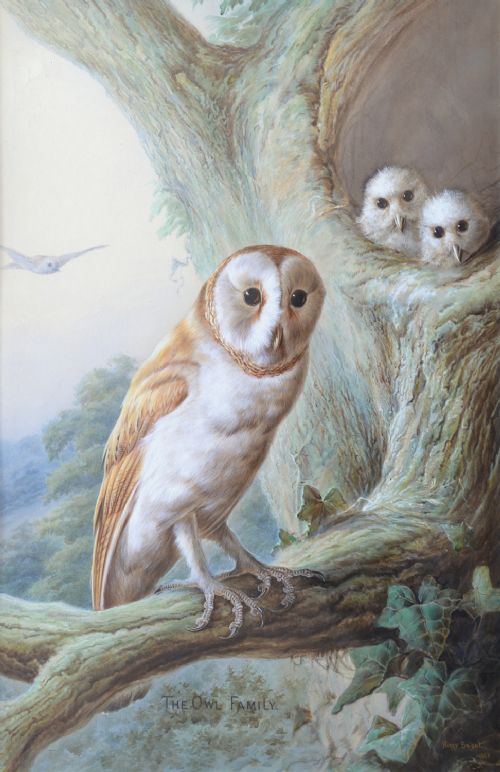
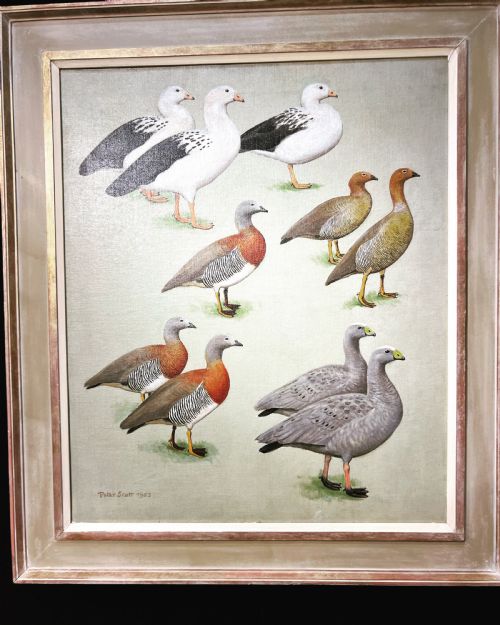
When you search for antique wildlife prints, you encounter works capturing animals and birds across various artistic traditions. The pieces on this page span the Victorian era, Edwardian period and mid-century British art, taking the form of framed prints, etchings and original watercolours.
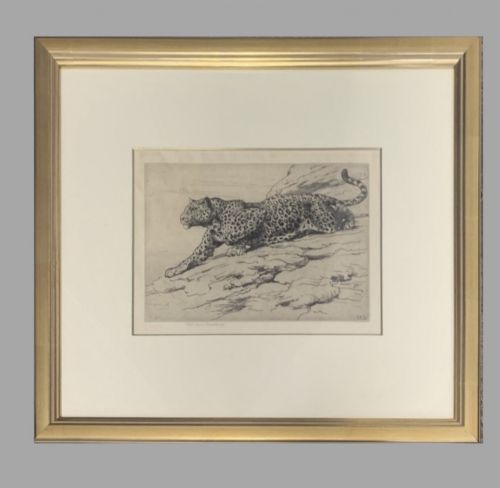
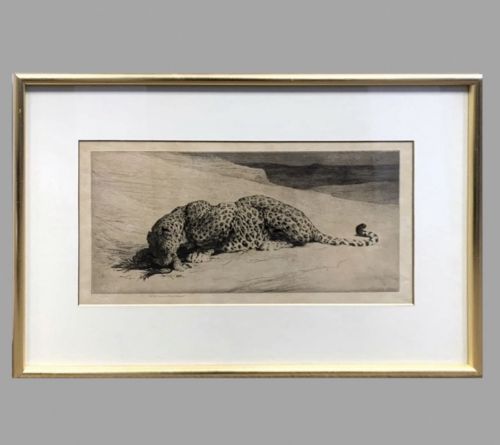
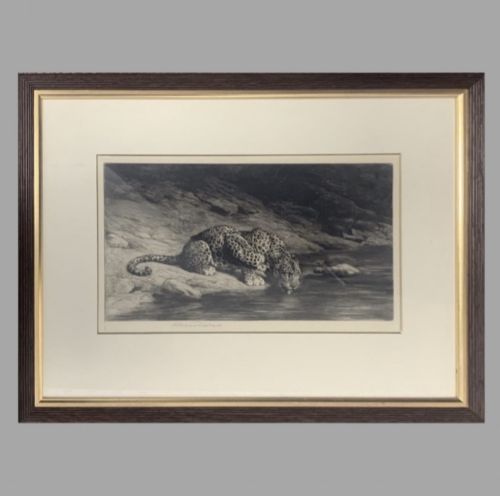
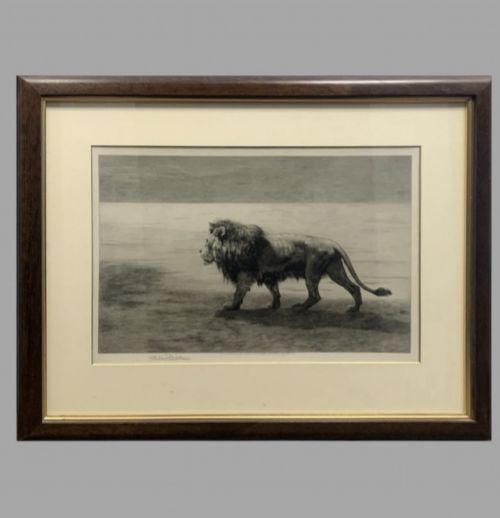
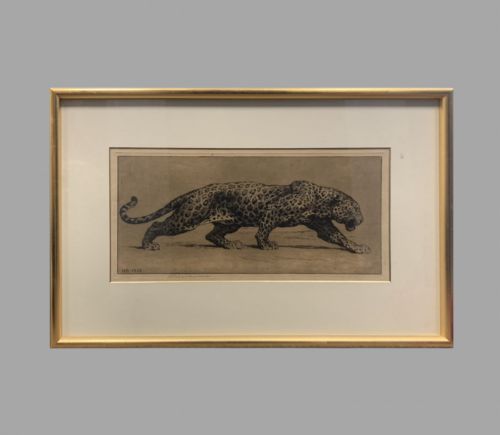
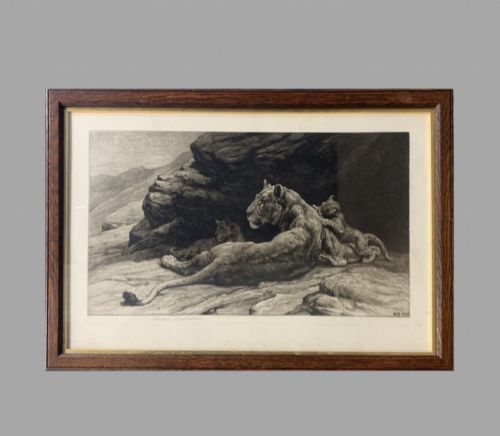
Subjects range from garden birds and game birds to large predators like leopards, lions and bears. You will find both single plates and sets, often executed with meticulous attention to anatomical detail and natural habitat.
Materials and methods
The works rely upon traditional media such as ink, watercolour and lithograph applied to paper or vellum. Many etchings are produced as signed artists proofs on quality paper or vellum.
Framing often involves wood, gilt wood, glass and gold leaf, preserving the delicate paper and watercolour surfaces from environmental damage over the decades.
Depicted animals range from blue tits and black game to leopards, lions, tigers and bears.
Judging quality in wildlife art
Quality rests upon the precision of the draughtsmanship and the prestige of the artist, alongside the condition of the paper and pigment. Signed artists proofs and original watercolours command greater attention than standard published reproductions.
The harmony of the original framing, whether gilt wood or simple wood moulding, contributes to the overall integrity of the piece as a surviving historical object.
Herbert Dicksee·Ralston Gudgeon·Arthur Wardle·Archibald Thorburn·Sir Peter Markham Scott
The Antique Wildlife Prints Glossary
- Etching
- A printmaking process where lines are incised into a metal plate with acid before ink is applied and transferred to paper or vellum. This technique allows for fine, detailed lines.
- Vellum
- A fine parchment made from calfskin, frequently used as a durable and luxurious surface for early twentieth-century print proofs. It holds ink with exceptional clarity.
- Artists Proof
- A trial print pulled to check the state of the printing plate, usually signed by the artist and kept outside the main edition. These carry particular weight with collectors.
- Watercolour
- A painting method where natural pigments are suspended in a water-based solution, often applied to paper to depict birds and botanical scenes with soft washes of colour.
Antique Wildlife Prints: Frequently Asked Questions
How do I care for antique wildlife prints?
Keep works on paper and vellum away from direct sunlight to prevent the watercolour pigments and ink from fading over time.
Ensure that the glass and framing remain sealed to protect the delicate surfaces from humidity and dust.
What is the difference between an etching and a watercolour?
An etching is a printed work pulled from an engraved metal plate, often produced in limited numbered editions.
Watercolours are entirely hand-painted unique works, meaning no two painted studies are identical.
Are these works original or reproductions?
The selection includes original watercolours, oil paintings and hand-signed artist proof etchings created directly by the artists.
Lithographs and published prints from the Victorian and Edwardian periods are also represented among the listings.
How can I tell the period of a print?
Look to the framing materials, paper types and signature styles, which often point towards Victorian or Edwardian conventions.
Artist lifespans and recorded publication dates provide the most reliable chronological markers for these pieces.