



Antique Wildlife Picture
An antique wildlife picture brings the observation of nature into the room through etchings, oils, watercolours and pastels.
Antique Wildlife Picture
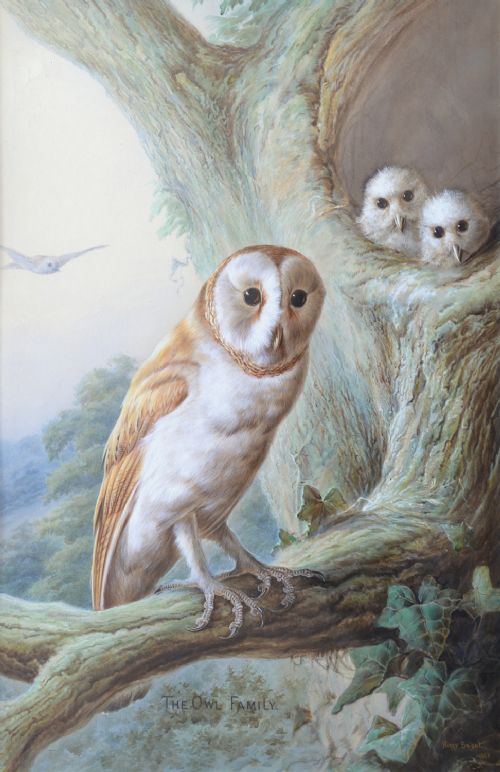
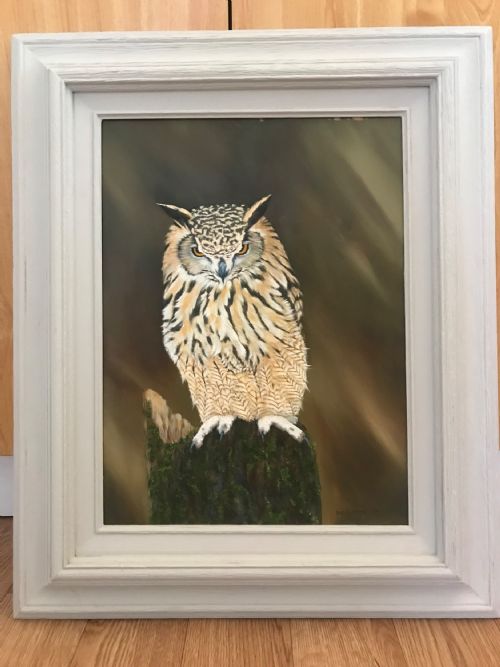
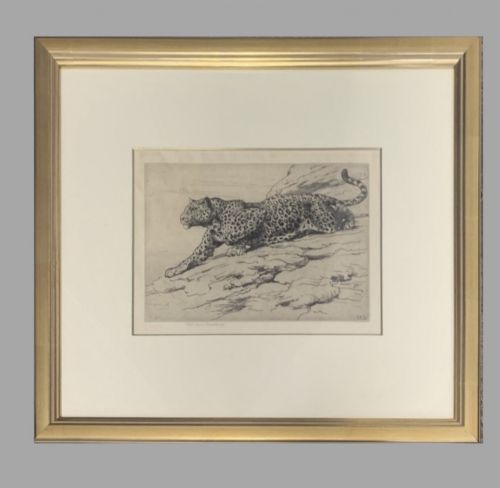
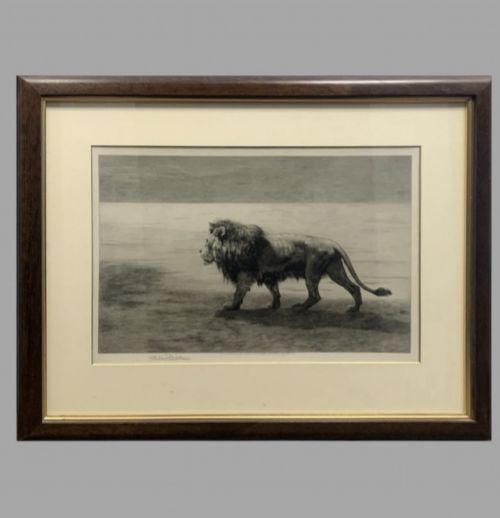
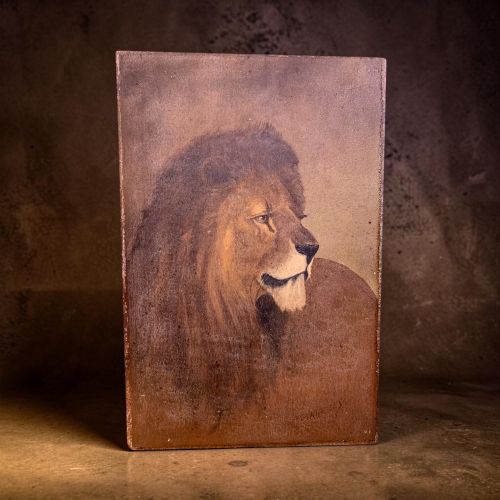
An antique wildlife picture captures animals and birds across varied periods from the eighteenth century to the mid-twentieth century. These works appear as framed prints, oil paintings, watercolours, etchings and pastels.
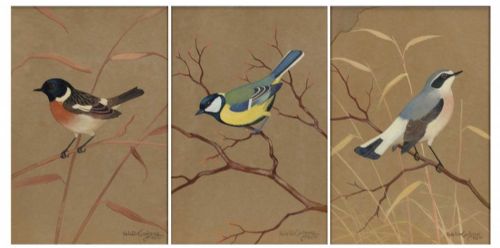
The subjects range from garden birds and river ducks to lions, leopards, deer and red squirrels in natural landscapes. Buyers meet these pieces in styles spanning Victorian naturalism, folk art, Edwardian works and mid-century British art.
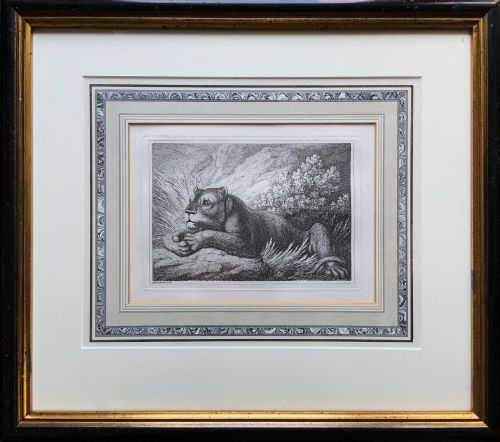
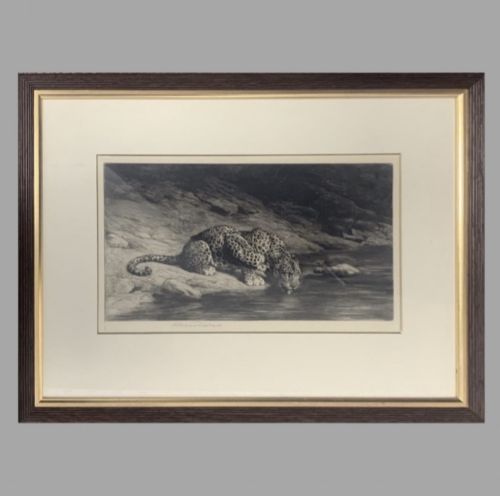
Framed prints and etchings on paper or vellum sit alongside original oil and pastel paintings. Each piece reflects the naturalist observation of its specific decade.
How they were made
Artists utilised traditional mediums such as oil, watercolour, gouache, pastel and ink applied to canvas, paper, vellum and wood. Etchings were produced as signed artist proofs on paper or vellum, often accompanied by gold leaf framing details.
Support materials like canvas and heavy paper preserve the pigment and ink across centuries. Framing in wood and glass protects the delicate watercolours and pastels from environmental damage.
Antique Wildlife Picture Retail Price Guide 2026
Typical asking prices for wildlife picture among the pieces listed under this phrase on Sellingantiques today, from the lower quarter to the upper quarter. They describe what is for sale here now, not the wider market.
One determined squirrel leaves a trail of spilled branches across a nineteenth-century Highland landscape.
What varies in quality
The distinction in quality rests upon the hand of the artist and the precision of natural observation in the subject. Signed artist proofs by established printmakers command different attention compared to naive folk art pieces.
The survival of the original medium, whether delicate pastel, fragile vellum or stable oil on canvas, dictates the visual clarity of the work. Conservation of the framing and the condition of the paper surface further influence the overall character.
Herbert Dicksee·Ralston Gudgeon·Joseph Knight·Constant Ludovic Artz·James Malcolm Stewart·Stephen Elmer·Archibald Thorburn
The Antique Wildlife Picture Glossary
- Etching
- A printmaking process where lines are incised into a metal plate with acid before ink is applied to paper or vellum. This technique allows for fine detail in animal fur and feathers.
- Artist Proof
- A trial print pulled to test the plate before the main edition is printed. These bear the signature of the artist and hold particular collector interest.
- Vellum
- A fine parchment made from prepared calfskin used as a durable drawing surface. It provides a smooth, resilient base for detailed etching.
- Gouache
- An opaque water-based paint that dries to a matte finish. Artists combine it with pastel to build heavy texture and solid colour.
- Folk Art
- Artistic work produced from an indigenous culture or peasant tradition without professional academic training. These pieces display a naive and direct representation of wildlife.
Antique Wildlife Picture: Frequently Asked Questions
How do I care for antique wildlife watercolours?
Keep watercolours and pastels away from direct sunlight to prevent the fading of pigments on paper.
Ensure framing remains sealed to protect the delicate surface from moisture and dust.
What periods do these pictures cover?
The pieces span from the eighteenth century through the Victorian and Edwardian eras into the mid-twentieth century.
Each period brings distinct framing methods and artistic approaches to naturalism.
Are these works original or prints?
The selection includes both original oil and pastel paintings alongside signed artist proof etchings and lithographic prints.
Listings specify the exact medium used for each individual piece.
How were antique wildlife pictures displayed?
Owners typically hung these framed works in studies, libraries and drawing rooms to display an interest in natural history.
Sets of multiple pictures, such as game prints or garden birds, were often grouped together on a wall.