
Antique White Mirror
An antique white mirror brings light and period character to a room, offering grand proportions and painted surfaces shaped by nineteenth-century hands.
Antique White Mirror
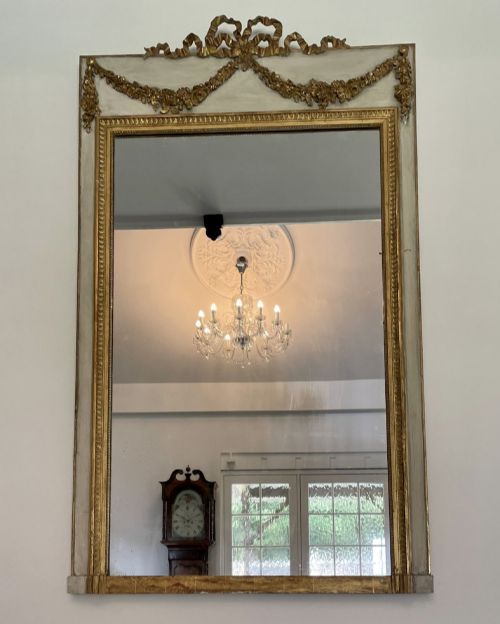
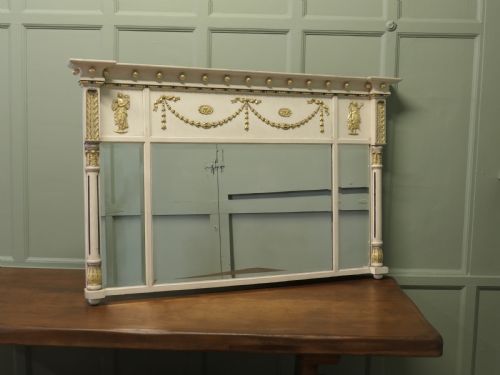
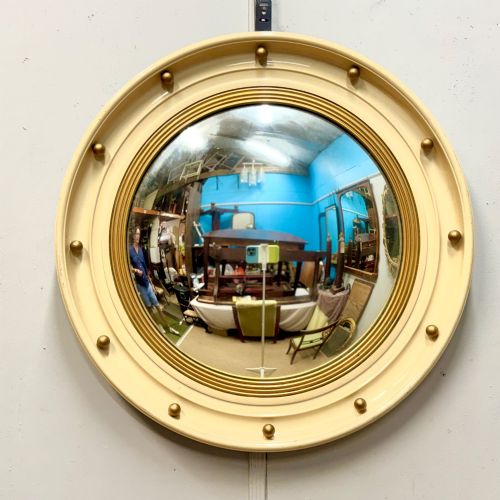
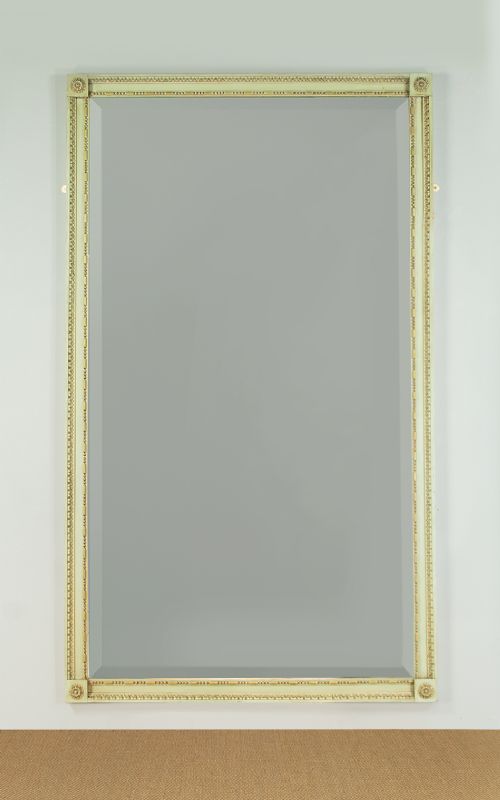
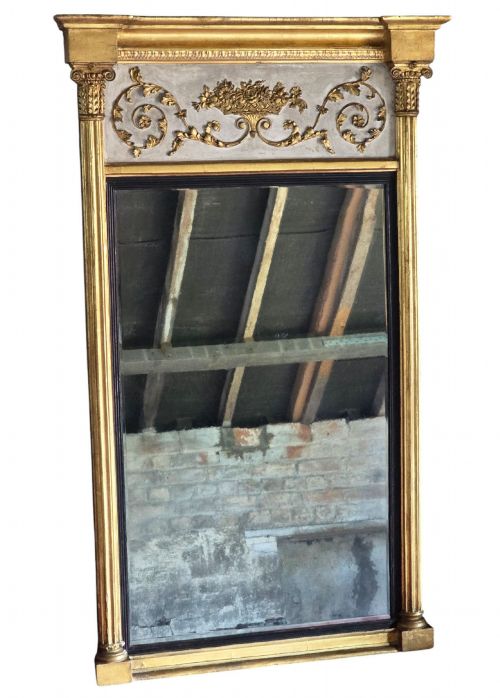
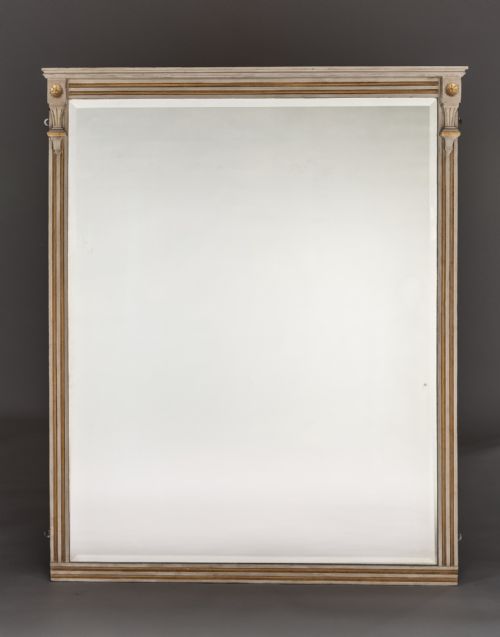
An antique white mirror serves primarily as a wall or overmantel hanging, originating predominantly from the nineteenth century in English and French workshops. When searching for an antique white mirror, buyers most commonly encounter large nineteenth-century overmantel and wall mirrors finished in original white paint, often accented with parcel-gilt details.
The form spans substantial architectural overmantels designed to sit above a fireplace to smaller French arched and shaped frames. These pieces reflect stylistic revivals including Rococo, Neoclassical, and Louis Philippe designs, featuring carved wooden structures built to dominate a wall.
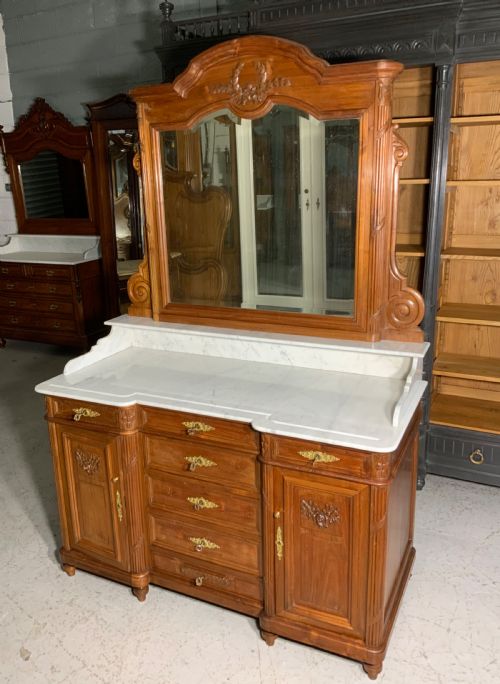
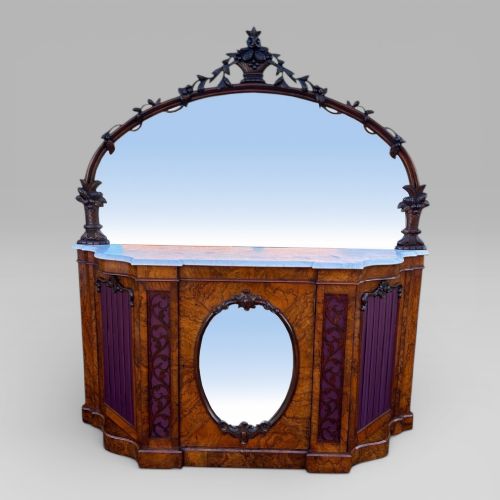
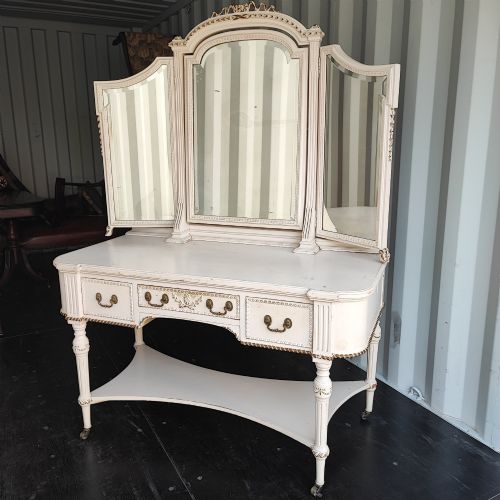
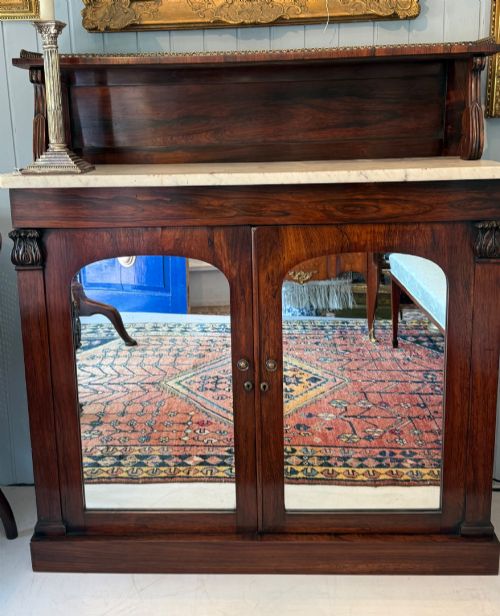
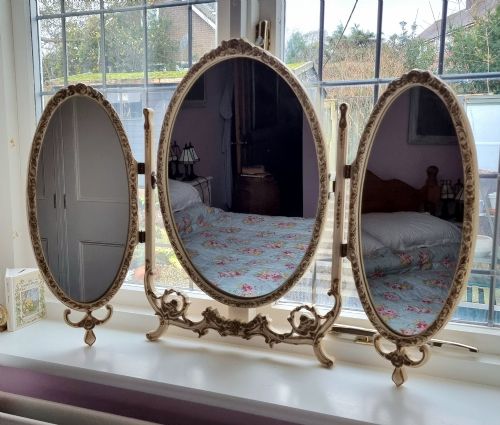
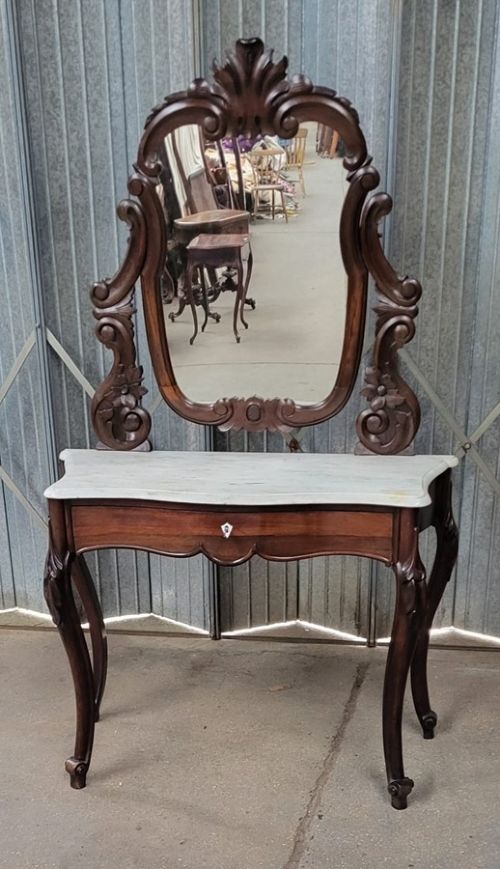
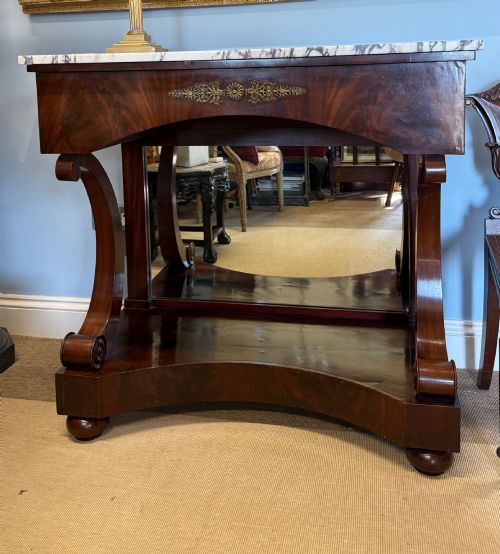
Beyond wall-hung examples, the category encompasses dressing table mirrors, cheval glasses, and console tables with integrated mirror backs. These functional pieces combine utility with decorative presence, utilising painted wood and gesso to achieve their characteristic lighter aesthetic.
How they were made
Makers constructed the foundational frames from carved wood, frequently applying layers of gesso to build up intricate scrollwork, moulding, and relief ornamentation before painting. Gold leaf or parcel-gilt highlights were then applied selectively to raised sections, contrasting against the painted white or cream ground.
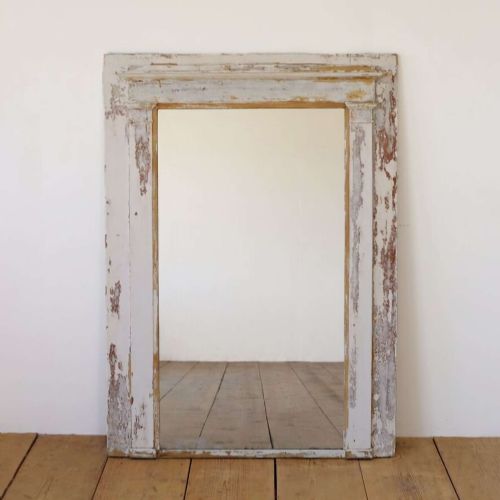
Mirror glass of the period was set into these frames, often taking the form of heavy, bevelled, or triple-plate configurations that reflect light deeply. The paint finishes on surviving examples frequently show original distressed patination, recording decades of age through natural wear rather than artificial ageing.
Some nineteenth-century mirrors still hide faint chalk inscriptions left by frame-makers on their wooden backs.
What varies in quality
Quality in these mirrors rests upon the depth and crispness of the wood carving and the integrity of the underlying gesso ornamentation. Superior examples display sharply defined motifs without the softening of detail that happens when moulds are overworked or worn down.
The harmony between the original painted finish and any gilt highlights dictates visual success, with finer pieces retaining genuine layered paint surfaces rather than later overpainting. Furthermore, the structural joinery of the heavy wooden frames and the clarity of the original mirror glass separate standard utility pieces from grand statement items.
The Antique White Mirror Glossary
- Overmantel mirror
- A large mirror specifically proportioned to hang on the wall directly above a fireplace mantelpiece. These pieces often feature wide horizontal formats or arched tops designed to draw the eye upward.
- Gesso
- A plaster-like mixture applied to wooden frames and carved to create raised decorative mouldings and relief details before gilding or painting. It provides the smooth, uniform ground necessary for fine ornamental work.
- Parcel-gilt
- A decorative treatment where only specific raised portions or carved details of an object are gilded with gold leaf, leaving the surrounding painted surface exposed. This technique highlights the carved contours of the frame.
- Louis Philippe
- A mid-nineteenth-century French style characterised by restrained classical curves, gentle arched tops, and restrained ornamentation. Mirrors of this type offer understated elegance compared to earlier exuberant revivals.
Antique White Mirror: Frequently Asked Questions
Where should I hang an overmantel mirror?
An overmantel mirror is traditionally mounted directly above a fireplace opening to reflect light and anchor the room's proportions.
Because these frames are substantial in weight, secure wall fixings and proper load-bearing placement are essential for safe installation.
How do I clean an antique mirror frame?
Dust the carved wood and gesso surface gently with a soft, dry brush to protect the delicate painted and gilt finish.
Avoid using liquid cleaners or harsh chemicals directly on the painted frame, as older finishes are sensitive to moisture.
Are painted finishes on these mirrors original?
Many surviving pieces retain their original white, cream, or distressed paint layers applied during the nineteenth century.
Close inspection often reveals natural craquelure and patina that distinguish period surfaces from modern repainting efforts.
What is the difference between a pier mirror and an overmantel mirror?
A pier mirror is traditionally tall and narrow, designed to fit the wall space between two windows.
An overmantel mirror is wider and built to span the horizontal space above a fireplace mantel.