
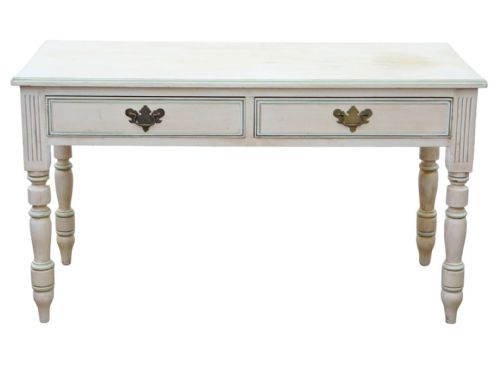


Antique White Dressing Table
An antique white dressing table brings pale, painted elegance and practical mirror work to a bedroom scheme.
Antique White Dressing Table
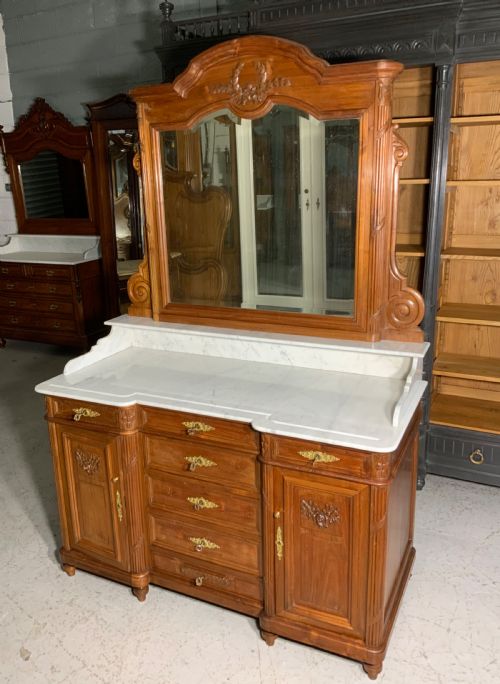
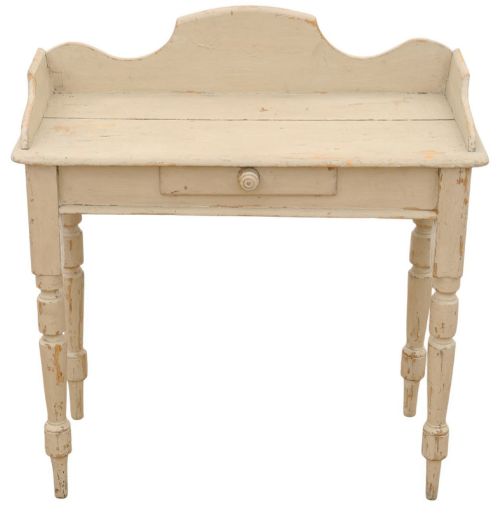
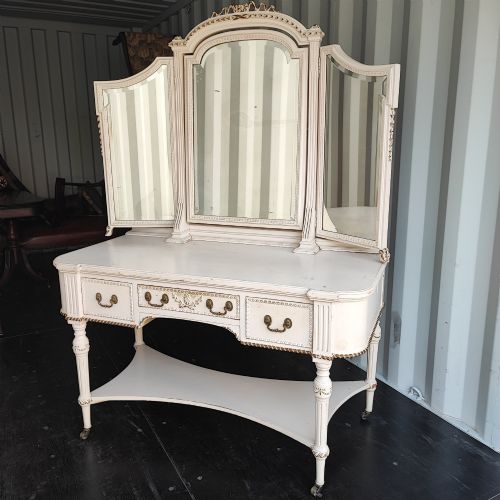
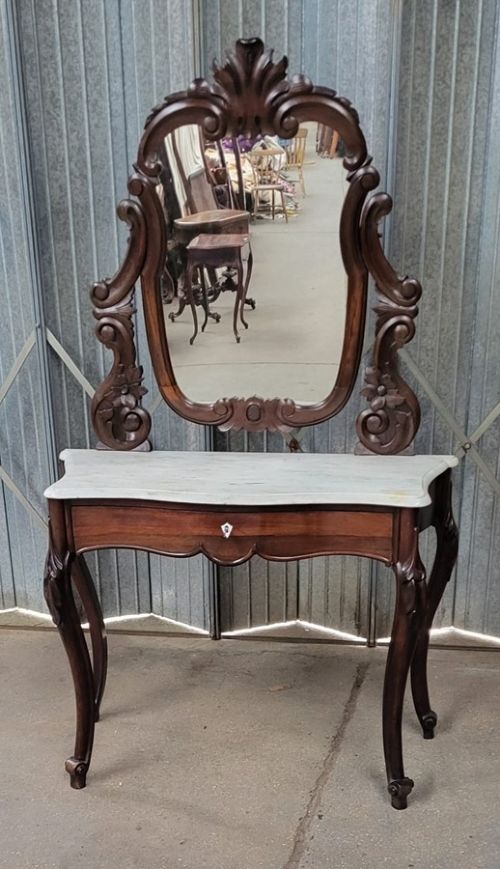
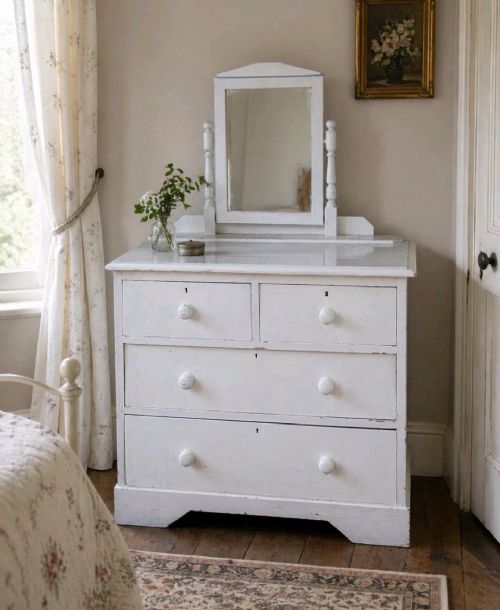
When searching for an antique white dressing table, buyers encounter a selection of painted wood furniture spanning the nineteenth century through the early twentieth century. These pieces encompass vanity mirrors, washstands, and writing tables finished in pale or painted surfaces.
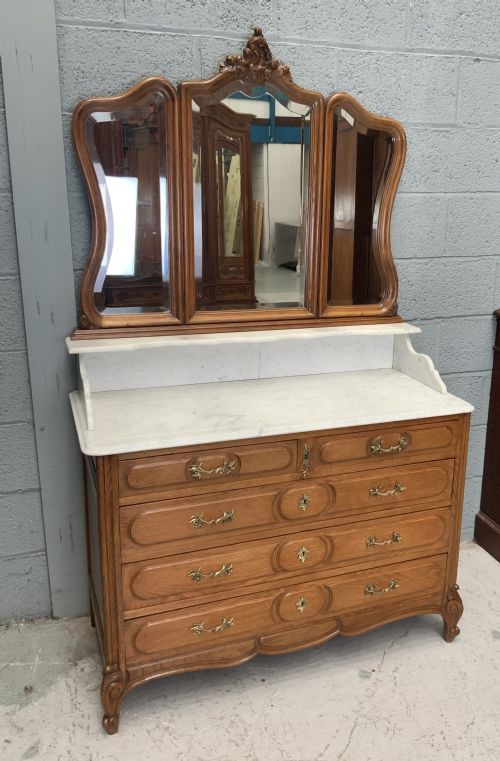
The assortment on this page reflects regional variations, including French Rococo revival, Swedish Gustavian, and English Victorian forms. Many incorporate marble tops, glass mirrors, and drawers for storage.
Makers such as Maples are represented through triple mirror dressing tables and bow fronted side tables. Alongside these, simpler pine and mahogany pieces demonstrate the breadth of domestic furniture from these periods.
Construction and materials
Carpenters utilised traditional timber foundations such as pine, mahogany, walnut, and satinbirch to build the frames and carcasses. Surfaces were frequently treated with paint finishes, while decorative elements relied on carved wood details.
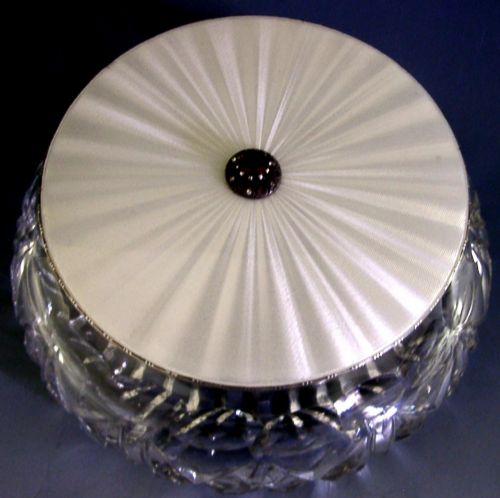
Marble tops, brass fixtures, and glass mirrors were integrated into dressing tables and washstands for utility and decoration. Details such as champleve enamel, porcelain powder boxes, and silver additions complete the decorative scheme of these objects.
Listings feature 19th-century and early 20th-century pieces, incorporating materials such as marble, brass, mahogany, pine, and painted wood.
Judging quality in pale and painted furniture
Quality rests in the integrity of the original paint finish and the crispness of any carved woodwork. Pieces that retain their authentic surface without heavy later intervention stand apart from heavily repainted examples.
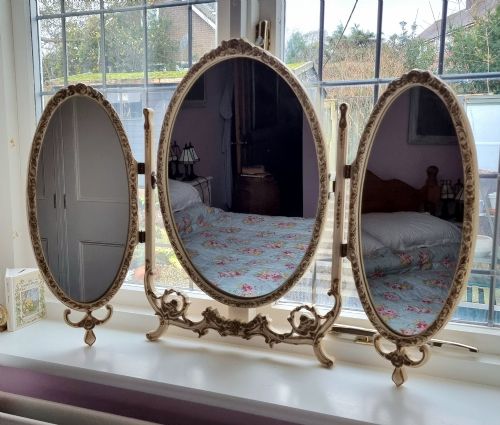
The choice of secondary materials, such as heavy marble slabs, undamaged bevelled glass in swing mirrors, and robust brass hardware, dictates the standard of the piece. Construction methods like dovetail joints in drawers indicate diligent cabinetmaking.
The Antique White Dressing Table Glossary
- Gustavian
- A Swedish style inspired by French neoclassical design, characterised by pale painted finishes and restrained classical ornamentation. It provides the light aesthetic often sought in country house interiors.
- Washstand
- A wooden table designed to hold a basin and jug for washing, frequently topped with marble. Many surviving examples are adapted for use as dressing tables.
- Swing mirror
- A tabletop or dressing table mirror hung on pivots between two upright posts, allowing the glass to tilt. These often feature adjustable frames dating from the Victorian era.
- Serpentine front
- A furniture front curved with a convex centre flanked by concave ends. This shaping requires skilled carpentry and appears on finer side tables and desks.
- Champleve
- An enamelling technique where troughs are dug into a bronze or metal surface and filled with enamel colours before firing. It appears on decorative tabletop accessories from the nineteenth century.
Antique White Dressing Table: Frequently Asked Questions
How do I date a painted dressing table?
Dating relies on examining the construction timber, drawer joints, and the characteristics of the paint layer. Secondary woods like pine or mahogany often reveal the manufacturing era.
Hardware styles, mirror plate bevelling, and maker stamps also help establish whether a piece originates from the Victorian period or the later art deco years.
Are marble tops original to these tables?
Marble tops on washstands and side tables were selected to resist water and cosmetic spills during daily use. Most period examples retain their fitted stone slabs.
Inspect the underside and edges of the marble to ensure it sits flush and matches the proportions of the wooden base below.
How should I care for a painted antique surface?
Painted furniture requires gentle cleaning with a soft, dry cloth to remove dust without abrasive polishes. Avoid placing pieces in direct sunlight to protect the pigments.
Keep humidity levels stable in the room to prevent timber movement beneath the paint layer and to preserve the original finish.
What is the difference between a washstand and a dressing table?
Washstands were originally built to hold washing equipment, often featuring marble surfaces and tiled or wooden splashbacks. Dressing tables focused on personal grooming with integrated drawers and mirrors.
Over time, many washstands transitioned into domestic use as dressing tables due to their convenient surface height and proportions.