



Antique White Chandelier
An antique white chandelier brings a luminous, weathered elegance to a high ceiling, offering soft illumination paired with period grace.
Antique White Chandelier
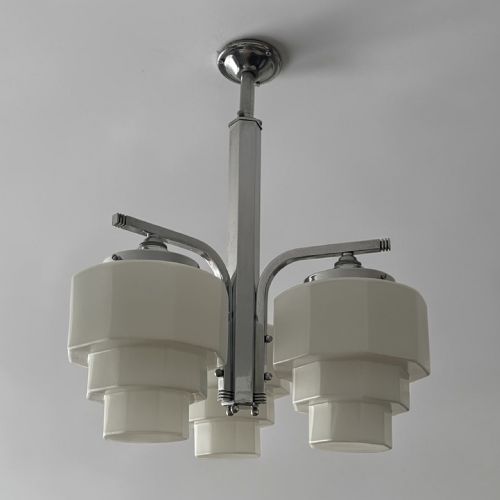
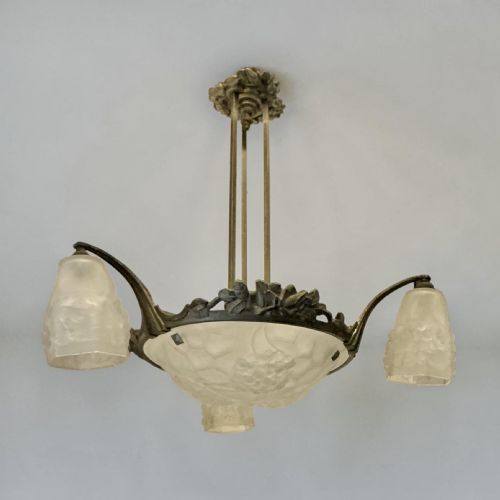
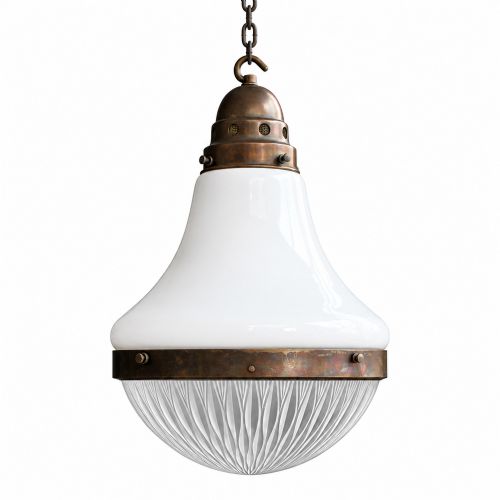
An antique white chandelier comprises various ceiling fixtures finished in pale tones, spanning from early twentieth century French country styles to Edwardian crystal fittings. Buyers searching for an antique white chandelier encounter pieces fashioned from painted metal, white alabaster dishes, and crystal or glass drops.
The selections on this page incorporate French chateau designs alongside Victorian and Art Deco forms. White and cobalt crystal variants sit alongside gilded toleware lanterns and Gothic style brass frames, providing diverse options for period interiors.
How they were made
Maker construction methods rely on traditional metalwork such as brass and bronze casting, alongside carved alabaster and formed toleware. Frames are frequently gilded or painted in pale, muted finishes to achieve the characteristic aged white appearance.
Lighting components integrate hand-blown glass globes and cut crystal elements, often suspended from robust chains. Surface finishes demonstrate layers of polychrome paint and gilding applied over metal bases.
Antique White Chandelier Retail Price Guide 2026
Typical asking prices for white chandelier among the pieces listed under this phrase on Sellingantiques today, from the lower quarter to the upper quarter. They describe what is for sale here now, not the wider market.
Listings feature items spanning from the late Victorian era through the 1930s, utilising materials including brass, bronze, alabaster, and crystal.
What varies in quality
Quality differences depend upon the integrity of the original materials and the sophistication of the surface finish. Finer examples display meticulous hand-carved alabaster, substantial cast brass or bronze armature, and undamaged crystal components.
The depth and subtlety of the antique painted or gilded surface dictate the visual success of the piece. Superior items retain their original structural integrity and authentic patination without clumsy modern alterations.
Degué·Capodimonte
The Antique White Chandelier Glossary
- Alabaster
- A fine-grained mineral used for carved ceiling light dishes. It diffuses light with a soft, uniform glow.
- Giltwood
- Wood carved and coated with a thin layer of gold leaf. This technique provides rich decorative detail on French frames.
- Crystal
- High-clarity glass cut with precise facets to refract light. It forms hanging drops and prisms on formal chandeliers.
Antique White Chandelier: Frequently Asked Questions
How do I hang a heavy chandelier?
Suspension requires securing the fixture directly into ceiling joists using a rated metal hook and proper electrical box. Professional installation ensures the weight of brass and crystal components is safely supported.
Ceiling height dictates the exact drop of the chain. Position the fixture to allow adequate clearance underneath while maintaining proper room proportions.
What rooms suit these chandeliers?
High-ceilinged hallways, dining rooms, and bedrooms accommodate the scale and decorative presence of these light fittings. The pale finishes harmonize well with neutral interiors and traditional period spaces.
Smaller dish lights work effectively in lower vestibules or intimate sitting rooms. Larger multi-light fixtures anchor more expansive architectural settings.
How do I clean old glass and crystal?
Maintenance involves removing dust with a soft brush and wiping glass components with a mild solution of warm water and gentle soap. Avoid harsh chemical cleaners that can damage historic painted finishes or metal gilding.
Dry each piece thoroughly with a lint-free cloth to restore clarity. Delicate crystal drops can often be cleaned in situ without full disassembly.
How do I date an antique chandelier?
Dating relies upon examining the wiring methods, construction fasteners, and stylistic indicators such as Art Deco geometric lines or Edwardian brass casting. Material choices like carved alabaster or specific toleware finishes also point to particular decades.
Comparing the decorative motifs against documented periods helps establish an approximate timeline. Subtle signs of handcrafting indicate earlier production methods.