


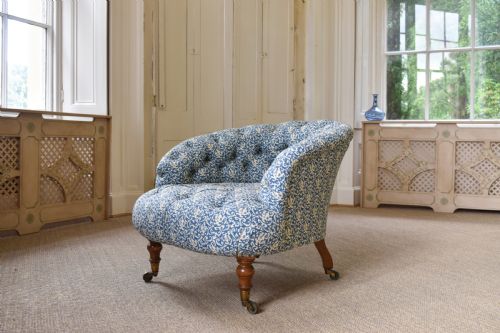
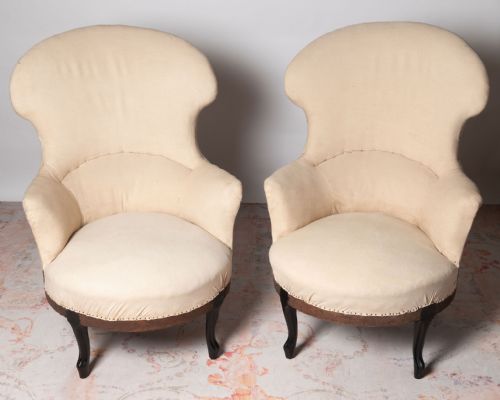
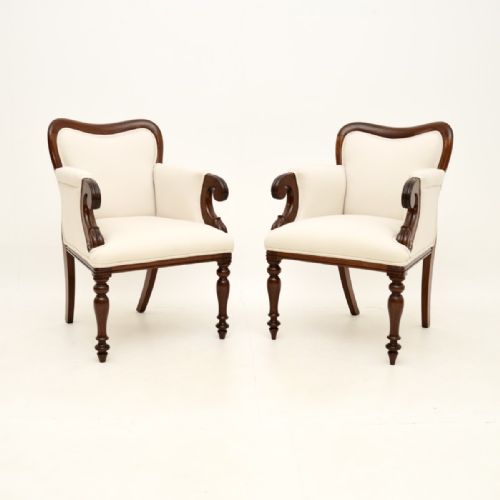
Antique White Armchair
An antique white armchair brings a pale, painted finish to seating, pairing traditional woodwork with neutral tones.
Antique White Armchair
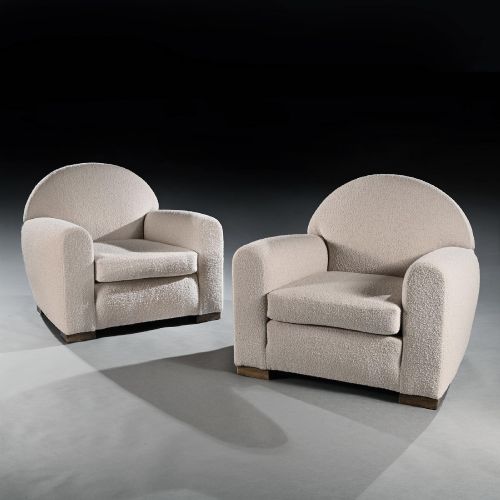
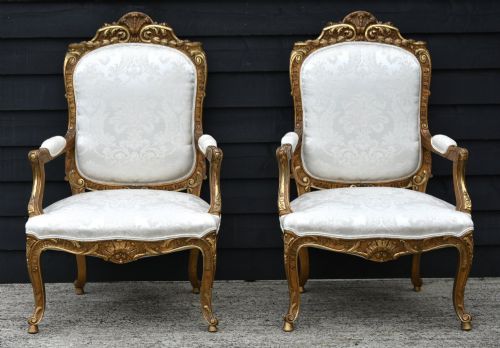
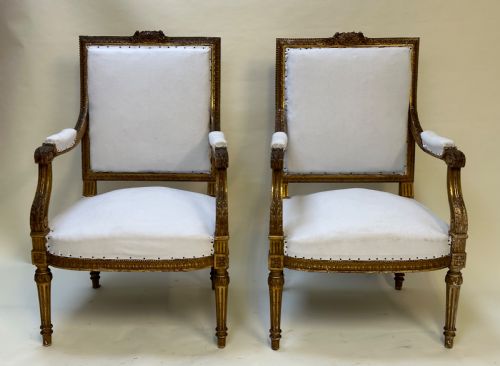
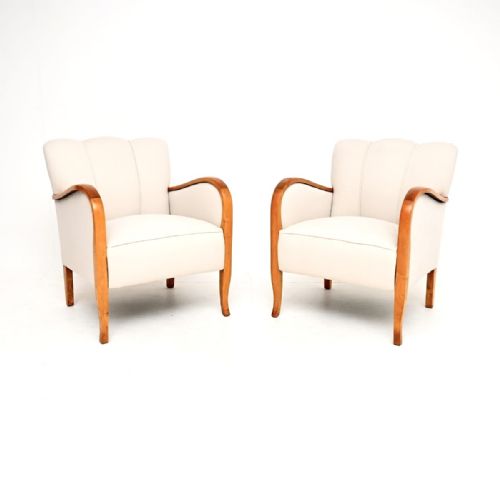
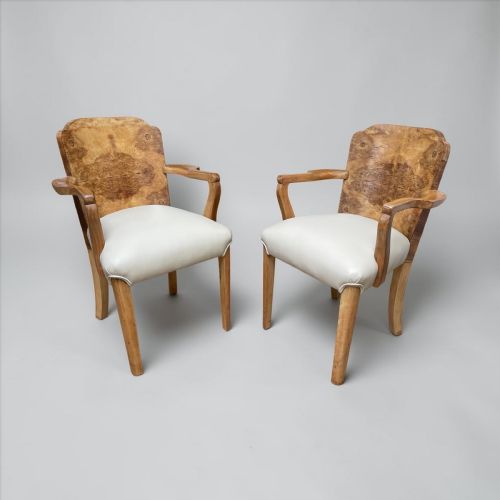
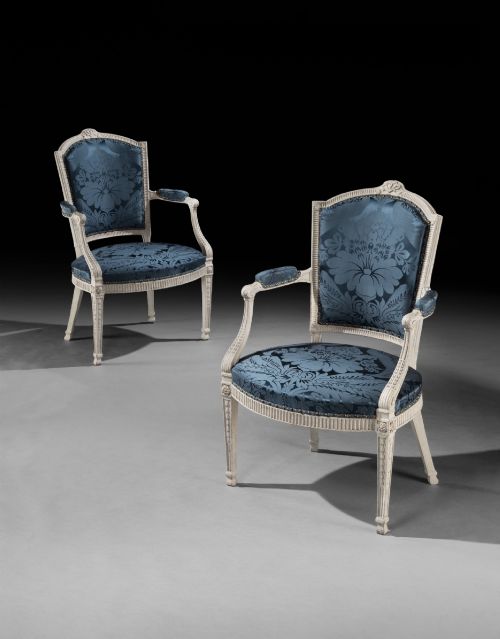
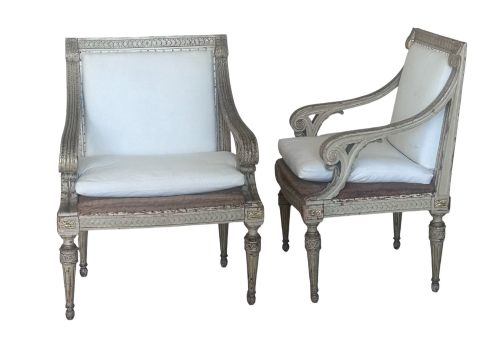
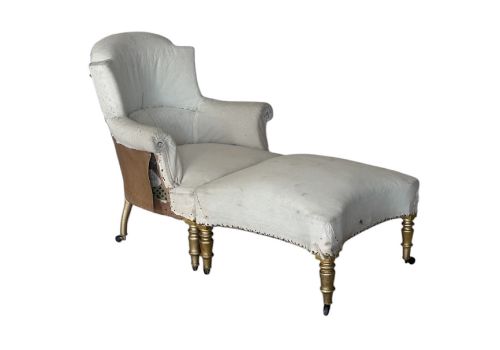
An antique white armchair spans formal periods from the eighteenth century through to the art deco era, appearing in painted wood, giltwood, and later white-painted surfaces. Buyers seeking an antique white armchair encounter French styles such as Louis XVI and bergere chairs alongside English country house and Georgian designs.
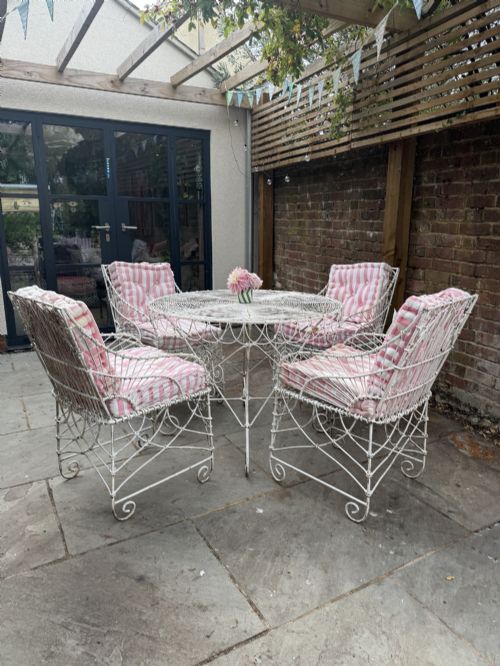
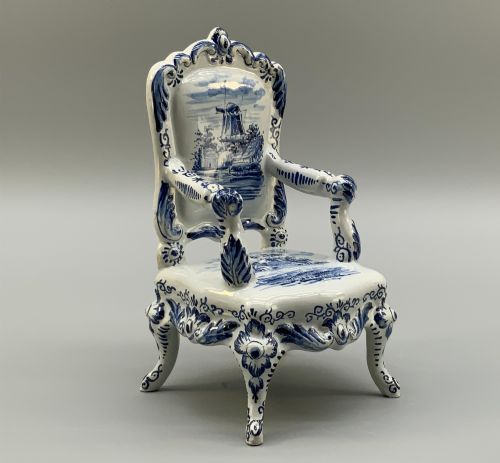
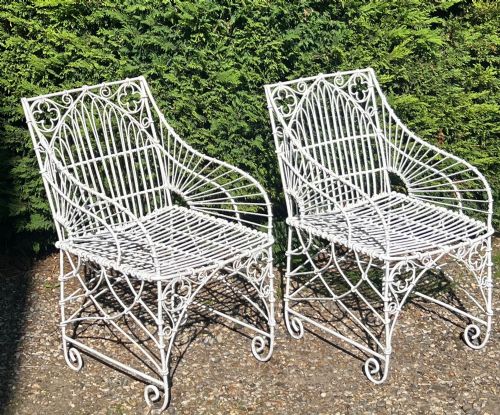
The selections range from robust mahogany and walnut frames finished in later paint to original painted finishes on beech and satin birch. Miniature porcelain models and garden armchairs also surface, though the core of the category remains domestic seating.
Pieces frequently emerge in pairs or sets, reflecting formal seating arrangements of their respective periods. Craftsmanship crosses regional boundaries, including Dutch miniature porcelain, Swedish art deco, and French chateau aesthetics.
Materials and construction methods
Frames rely upon timbers such as mahogany, walnut, beech, and satin birch, shaped through traditional joinery and carving. Cast iron and brass appear in garden iterations and specific decorative forms.
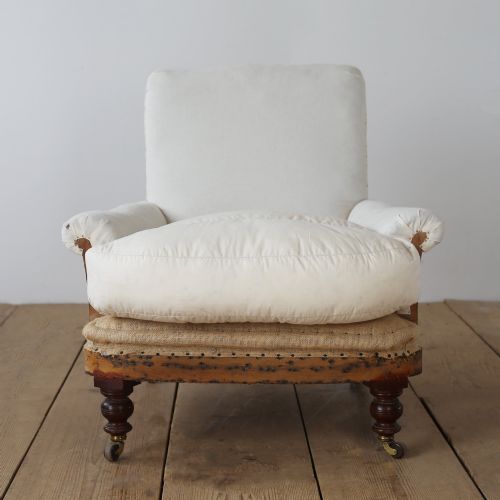
Surface treatments combine gesso and paint, often applied in subsequent eras to refresh tired wood, alongside original giltwood and polished mahogany. Upholstery employs materials like calico, fabric, and ticking over sprung or webbed bases.
Antique White Armchair Retail Price Guide 2026
Typical asking prices for white armchair among the pieces listed under this phrase on Sellingantiques today, from the lower quarter to the upper quarter. They describe what is for sale here now, not the wider market.
Evidence shows garden armchairs cast in iron alongside domestic indoor seating in painted wood and calico.
Markers of execution and age
Quality rests in the crispness of the hand-carved woodwork and the integrity of the underlying frame construction. Finer examples retain their original structural joinery beneath subsequent layers of paint and upholstery.
The nuance of the painted surface distinguishes professional period finishing from heavier modern applications. Well-executed carving on walnut or beech frames indicates a higher standard of workshop production.
Howard and Sons·Morris and Co·Liberty of London·White Allom and Co·Anton Rosen
The Antique White Armchair Glossary
- Fauteuil
- An open-armed upholstered chair with exposed wooden sides, originating in France. These frames often feature carved details and painted finishes.
- Bergere
- An enclosed upholstered armchair with wooden sides and a built-in upholstered back. They frequently incorporate cane work or tight fabric upholstery.
- Giltwood
- Wood coated with a thin layer of gold leaf or gold paint. This technique highlights carved ornament on formal eighteenth and nineteenth-century seats.
- Satin Birch
- A pale hardwood with a lustrous grain utilised in twentieth-century furniture design. It provides a natural blonde surface distinct from painted wood.
- Ticking
- A heavy cotton or linen fabric woven in stripes, traditionally used for mattress covers and simple upholstery. It offers a durable, utilitarian covering for frames.
Antique White Armchair: Frequently Asked Questions
How do I clean a painted wooden frame?
Dust the surface regularly with a soft, dry cloth to prevent dirt accumulation. Avoid harsh chemical cleaners that might strip the historic paint layers.
Test any mild cleaning solution on a hidden area first. Preserve the character of the aged finish by keeping moisture to a minimum during maintenance.
Are these chairs suitable for daily use?
Many solid wood frames offer robust structural support suitable for regular seating. Upholstered sections may require occasional re-webbing or padding reinforcement.
Evaluate the stability of the joints before assigning heavy daily service. Lighter decorative models function best in low-traffic settings.
How can I tell a French style from an English one?
French designs often feature exposed carved beech frames, cabriole legs, and gilded or painted surfaces. English variants frequently utilise mahogany or walnut with emphasis on structural joinery.
Chairs from French traditions lean towards ornate scrollwork and open arms. English examples typically display restrained classical proportions or regional vernacular traits.
What does later paint mean for value?
Later paint indicates that a piece has been redecorated after its original manufacture. This practice was common for updating furniture to suit changing interior decoration tastes.
While original paint commands higher interest, later white or pale finishes offer a practical aesthetic for neutral interiors. The quality of the underlying woodwork remains the primary driver of worth.