




Antique Water Spout
An antique water spout delivers utility with sculptural weight, transforming simple drainage or pouring into a focal point for gardens and interiors.
Antique Water Spout
When you search for an antique water spout, you encounter a surprisingly broad range of metalwork and ceramics designed to channel, pour, or project water. These objects span heavy architectural elements intended for outdoor garden installation and smaller vessels meant for ceremonial or domestic use.
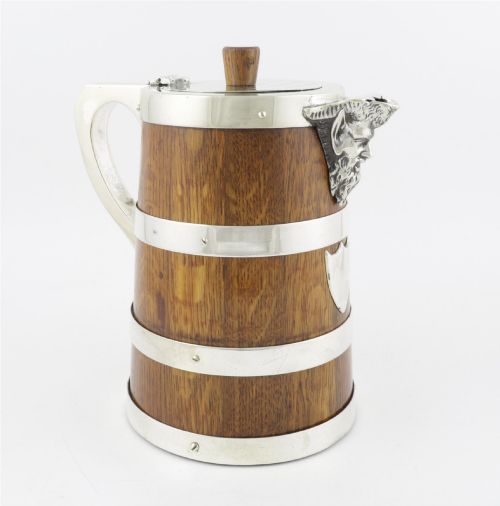
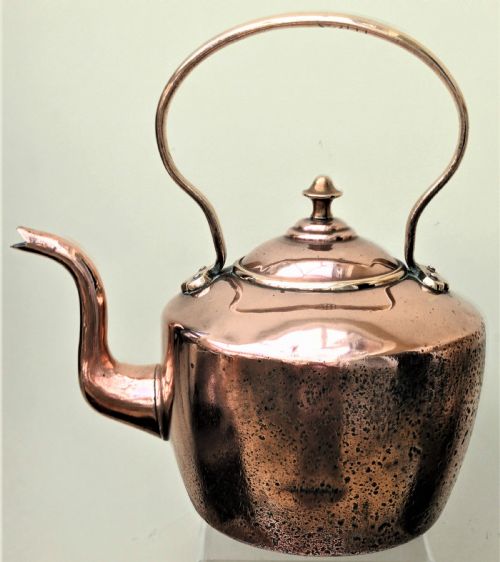
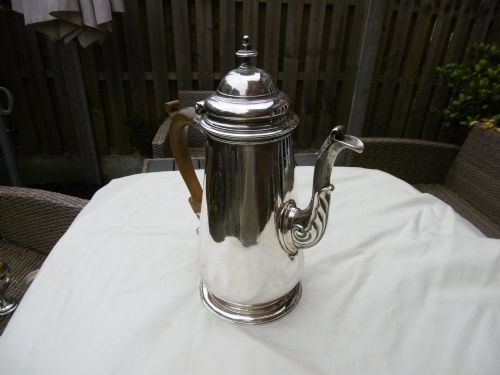
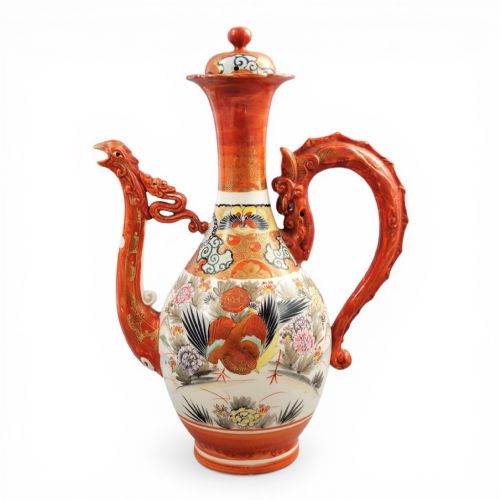
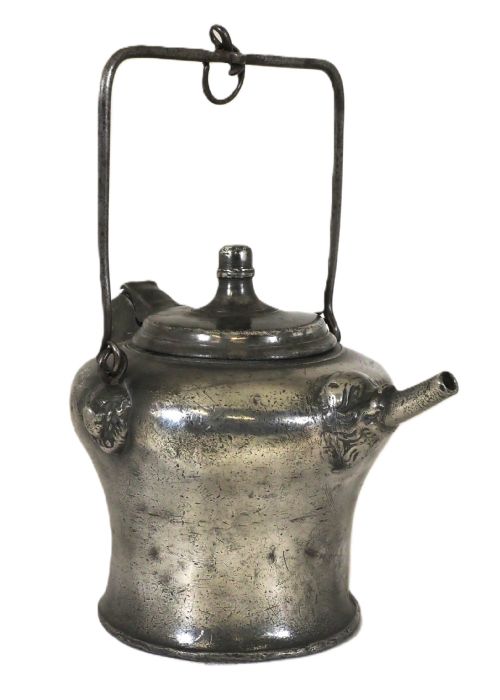
The selections on this page lean heavily toward utilitarian metals and decorative vessels, moving from 18th-century lead fountain heads to 19th-century bronze crocodile sculptures and Indian bronze aftabas. You also find domestic items like copper kettles, pewter biberon drinking vessels, and porcelain ewers with distinct spouts.
Origins vary widely across the inventory, reflecting British, Swiss, Tibetan, Japanese, Indian, and Middle Eastern traditions. This international spread means a buyer might select a heavy cast lead architectural salvage piece or a finely decorated ceramic vessel depending on whether the intended placement is botanical or decorative.
Materials and construction methods
Metalworking dominates these pieces, utilising copper, brass, bronze, lead, pewter, and sterling silver shaped through casting, hammering, and engraving. Bronze and lead architectural spouts rely on durable casting techniques to withstand water flow and outdoor weathering.
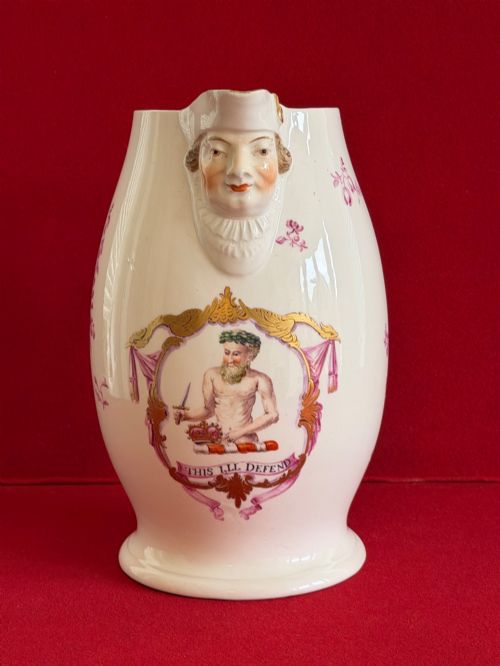
Ceramic pieces incorporate porcelain, majolica, and overglaze enamel applied to bodies like those from the Japanese Meiji period or Qing Dynasty. These glazed wares demonstrate precise firing and hand-painting techniques designed to seal the porous clay while displaying intricate surface decoration.
Antique Water Spout Retail Price Guide 2026
Typical asking prices for water spout among the pieces listed under this phrase on Sellingantiques today, from the lower quarter to the upper quarter. They describe what is for sale here now, not the wider market.
Listings feature metalwork and ceramics spanning the 18th, 19th, and early 20th centuries, covering British, Asian, and European origins.
Assessing quality and execution
The integrity of the material and the preservation of original surfaces dictate value in the upper tier. Patina accumulated through age enhances metals like bronze and copper, while ceramics require crisp overglaze enamel preservation without modern restoration.
Richard Gurney·Edward Power·Caughley Coalport
The Antique Water Spout Glossary
- Aftaba
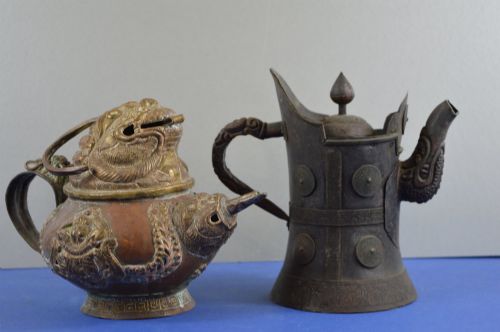
- An Indian or Middle Eastern metal ewer traditionally used for washing or pouring water. These vessels often feature long spouts and elaborate handles.
- Biberon
- A type of European drinking vessel or feeding pot, frequently made of pewter with a distinct protruding spout. Swiss examples from the early 18th century show notable regional forms.
- Kendi
- A spouted ceramic vessel originating from Southeast Asia, used for drinking or ritual pouring. They typically lack a traditional handle, relying on a central spout.
- Makara
- A mythical sea-creature from Hindu and Buddhist mythology, frequently depicted on Indian bronze handles and spouts. Its open mouth often frames the water exit point.
- Hopper
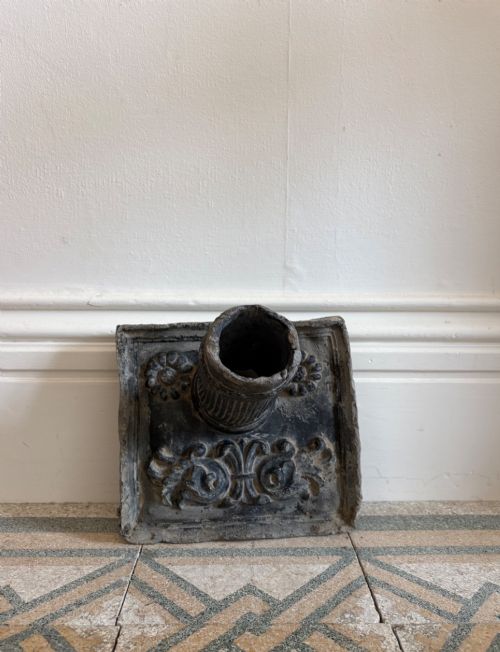
- An architectural funnel or open-topped receptacle used to collect and direct water into a downpipe. Georgian examples are frequently cast in lead.
Antique Water Spout: Frequently Asked Questions
Can antique fountain spouts be installed outdoors?
Many metal spouts made from bronze, lead, or copper tolerate outdoor placement well if winter freezing is managed properly. Weathering often enhances the surface character of these durable outdoor elements.
However, fragile ceramics or antique silver require indoor display to protect against structural damage and environmental wear.
How do I clean an antique copper or bronze spout?
Light dusting and occasional gentle wiping with a dry microfiber cloth preserve the stable historical patina on most metal surfaces. Avoid harsh chemical cleaners or abrasive polishes that strip away age.
Consult a metal conservation specialist if active corrosion threatens the structural integrity of architectural salvage.
What is the difference between an ewer and a fountain spout?
An ewer is a portable jug or vessel with a handle and a spout, designed for holding and pouring liquids by hand. They function as standalone decorative or domestic items.
A fountain spout is a fixed architectural or sculptural element meant to discharge water into a basin, pond, or drainage system.
How do I date an 18th-century metal water vessel?
Dating relies on examining construction marks, casting seams, hallmarks on silver, and regional stylistic conventions of the period. Tool marks left by hand-hammering or early lathe work provide key clues.
Comparing the decorative motifs, such as Georgian Rococo scrollwork or Meiji period enamel designs, against documented examples narrows the timeframe.