





Antique Water Kettle
An antique water kettle brings warmth and traditional craftsmanship to the room, ranging from simple hearth vessels to elaborate silver-plated spirit kettles on stands.
Antique Water Kettle
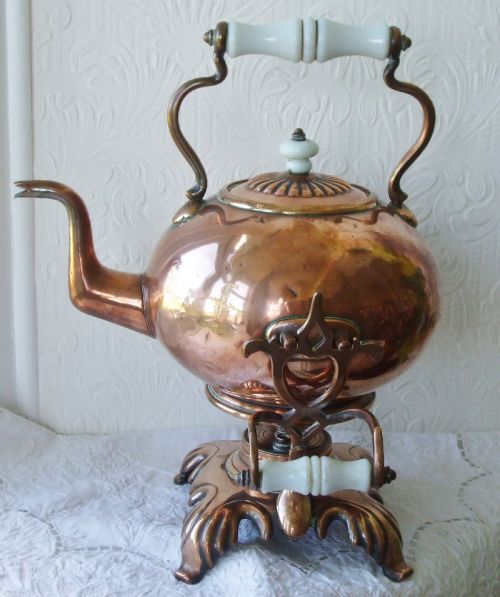
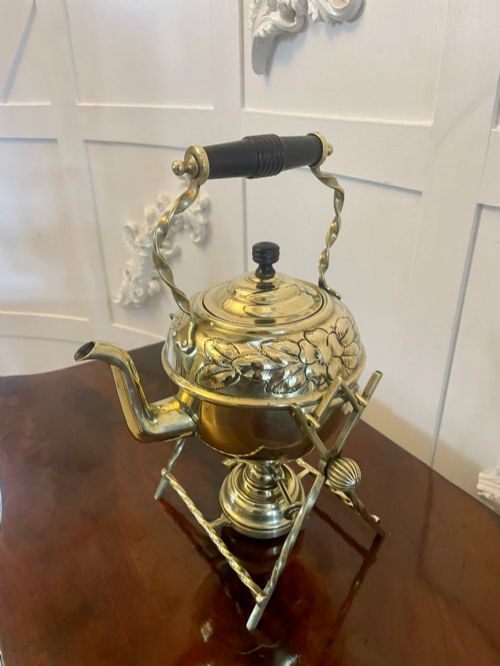
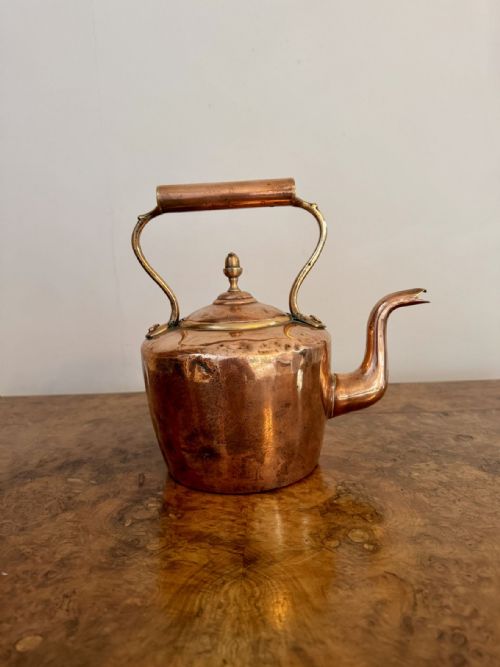
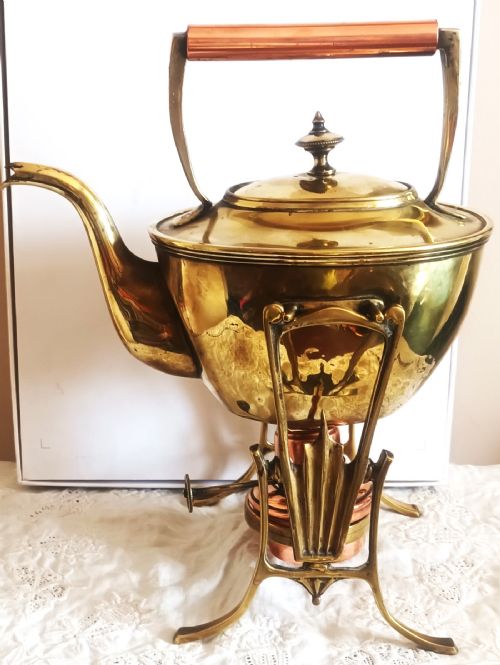
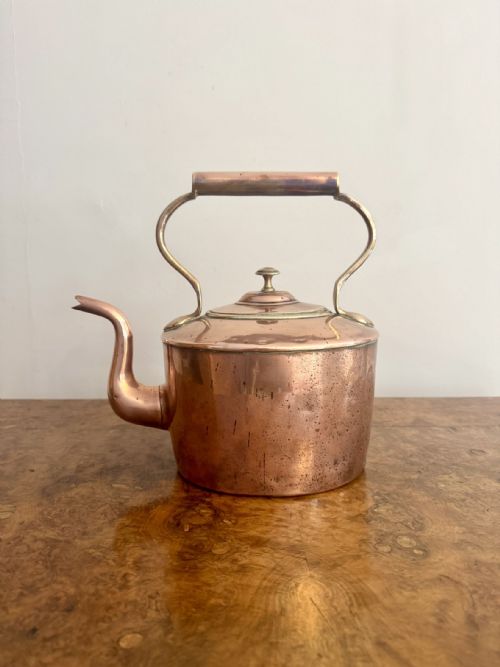
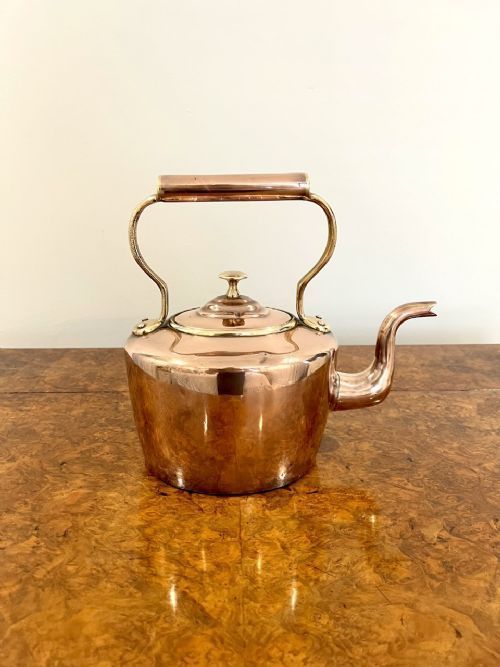
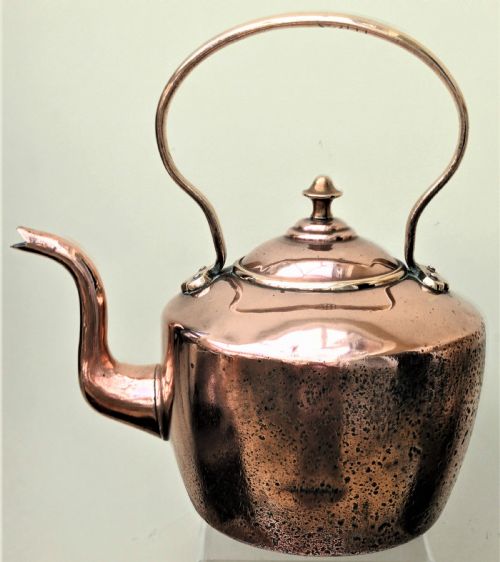
When you search for an antique water kettle, you encounter a variety of metal vessels designed for heating water, including copper kettles, spirit kettles on stands, and large samovars. These objects originate from several periods, spanning George III examples, Victorian designs, and Edwardian pieces.
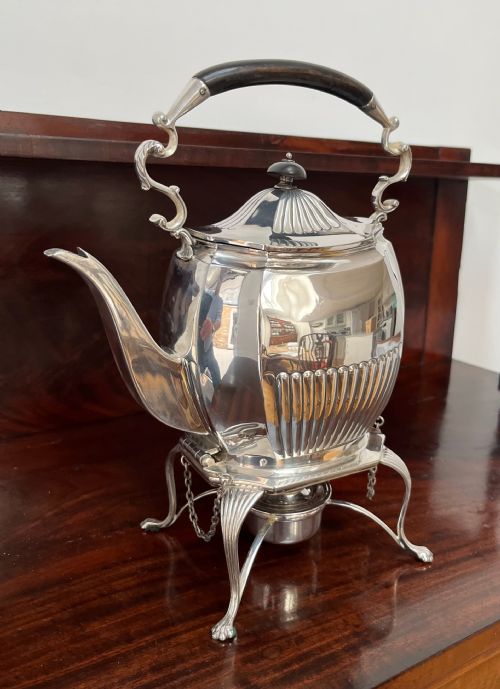
The selection on this page centres on domestic tea and water heating equipment in brass, copper, and silver plate. You will find small hearth kettles alongside complex spirit kettles equipped with their original burners.
How they were made
Metalworking techniques define these pieces, with hand-beaten and soldered copper bodies forming the foundation of early examples. Brass and bronze accents appear alongside ebonised wood handles and bone insulators.
Silver plating on copper or base metals becomes prominent in later Victorian and Edwardian items. Makers combined functional spouts, hinged lids, and swing handles with fitted metal stands for table service.
Antique Water Kettle Retail Price Guide 2026
Typical asking prices for water kettle among the pieces listed under this phrase on Sellingantiques today, from the lower quarter to the upper quarter. They describe what is for sale here now, not the wider market.
Several kettles retain tiny wick caps on their spirit burners, ready for an afternoon flame that went out a century ago.
What varies in quality
Quality rests in the weight of the metal and the precision of the construction. Heavier gauge copper and substantial brass mounts separate high-grade items from lighter utilitarian versions.
Completeness dictates value, particularly the presence of matching burners, original stands, and functional taps on samovars. Maker marks from established firms also separate standard production from superior workshop output.
William Soutter And Sons·Walker And Hall·Frederik Ellis Tim And Co·Kibundo
The Antique Water Kettle Glossary
- Spirit kettle
- A water kettle mounted on a metal stand above a small spirit burner. This setup kept water hot at the tea table.
- Samovar
- A large heated metal container used to boil and heat water for tea. These vessels often feature a central internal heating tube and a spigot tap.
- Old Sheffield plate
- An early form of silver plating produced by fusing a sheet of silver to a copper ingot. This technique creates a durable finish seen on Georgian and Regency items.
- Tetsubin
- A Japanese cast-iron kettle used for boiling water. These pieces often display detailed textured surfaces.
- Ebonised wood
- Timber treated to resemble ebony. This dark material appears frequently on the handles and knobs of metal kettles.
Antique Water Kettle: Frequently Asked Questions
What is a spirit kettle?
A spirit kettle is a vessel designed to sit upon a dedicated metal frame containing a small fuel burner. This arrangement allowed water to remain hot during extended tea service without returning to the kitchen hearth.
These pieces typically date from the Victorian and Edwardian eras when formal tea-drinking rituals gained popularity in domestic settings.
How do you date an old copper kettle?
Dating relies on construction methods, handle attachments, and stylistic details. Early nineteenth-century examples often feature hand-wrought seams and simple, robust proportions.
Later Victorian and Edwardian items display machine-rolled sheets, more elaborate cast mounts, and frequently incorporate silver plating or maker stamps.
What is the difference between a kettle and a samovar?
A kettle is generally a smaller vessel with a swing handle used for pouring water into teapots. A samovar is a much larger container featuring a spigot tap near the base.
Samovars are designed to hold substantial volumes of heated water and often include internal chimneys or heating cylinders.
Can these kettles still be used on a modern stove?
Most antique water kettles are collected primarily for display, decorative use, or historic interest rather than daily culinary tasks. Thinning old metal, soldered joints, and delicate interior linings mean modern heat sources can cause damage.
Silver-plated and brass models especially require careful preservation to maintain their historic surface finishes.