




Antique Wash Tub
An antique wash tub brings robust utility into modern spaces, offering generous metal and ceramic vessels shaped for everyday domestic labour.
Antique Wash Tub
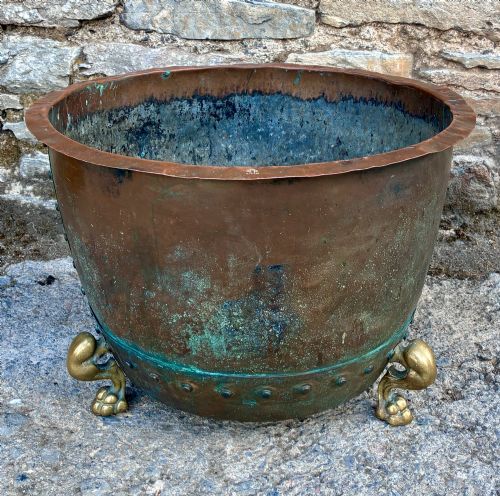
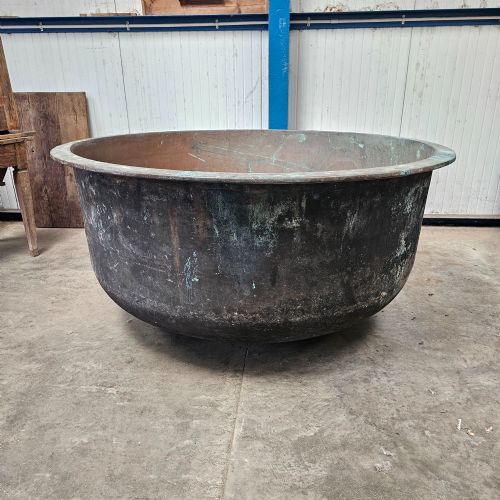
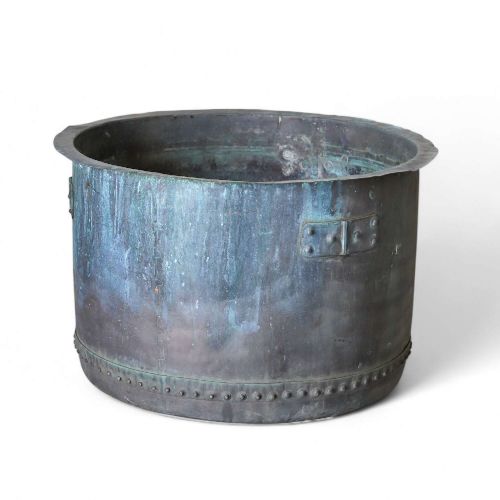
The antique wash tub category spans heavy metal vessels, ceramic footbaths, and wooden storage barrels originating across the eighteenth, nineteenth, and early twentieth centuries. Buyers seeking an antique wash tub most frequently encounter copper pots, boilers, and pans alongside galvanised iron tubs and earthenware basins.
Makers and manufacturers ranging from pottery works to country workshops produced these utilitarian items for household cleaning, brewing, and bathing. Surviving examples often transition into decorative planters, log bins, and display vessels within rustic farmhouse and Victorian interior schemes.
Materials and Construction
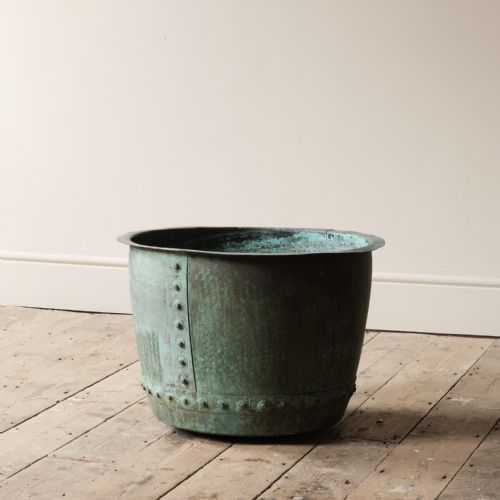
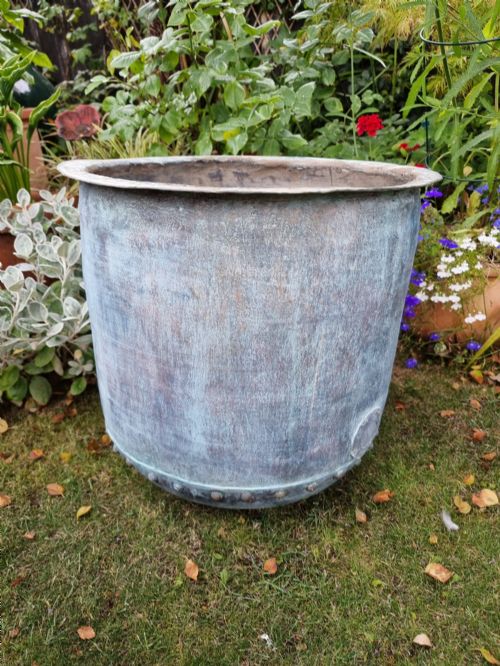
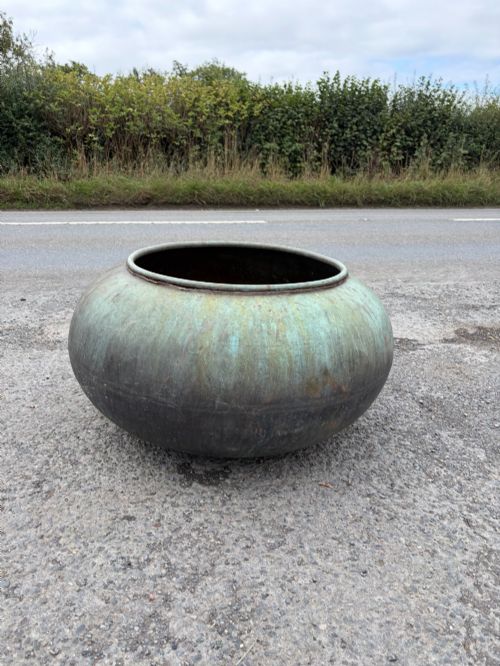
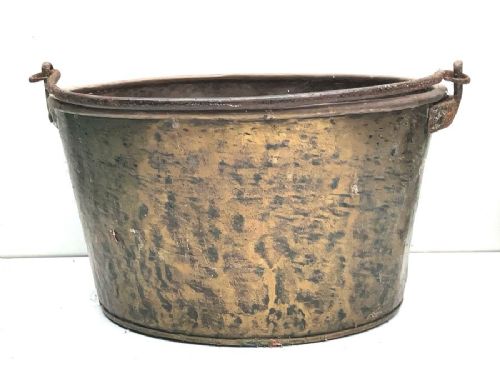
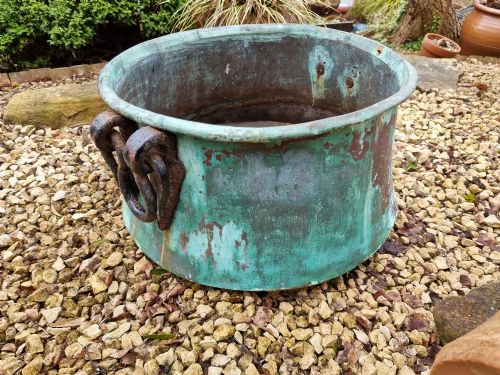
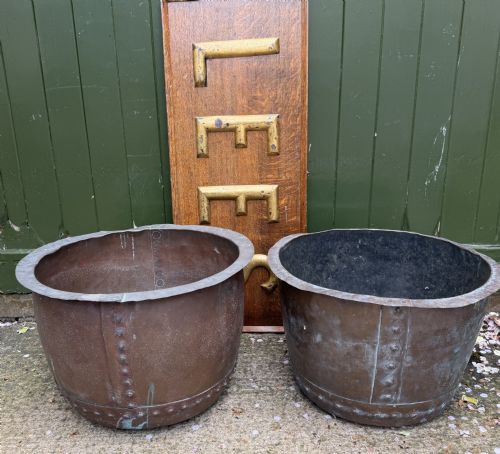
Metal vessels rely heavily on hand-riveted copper, brass, and iron plates joined to form deep cauldrons, vats, and pans, often finished with wrought iron swing handles. Galvanised metal and zinc provide robust waterproof alternatives from later periods.
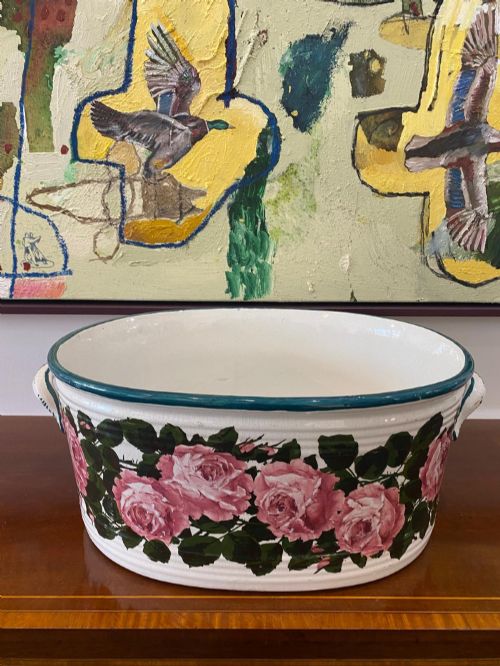
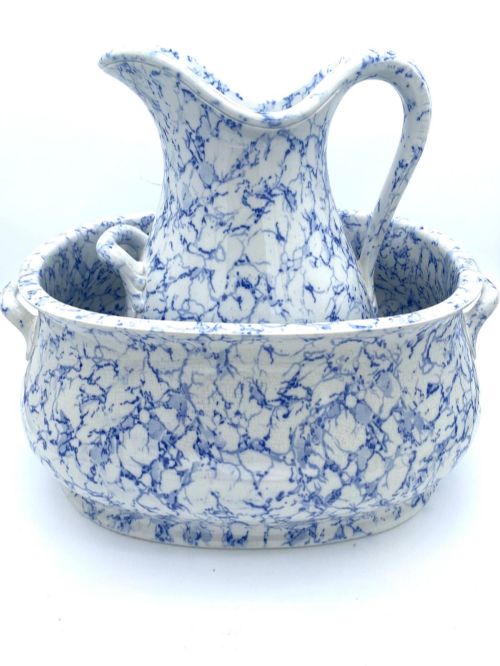
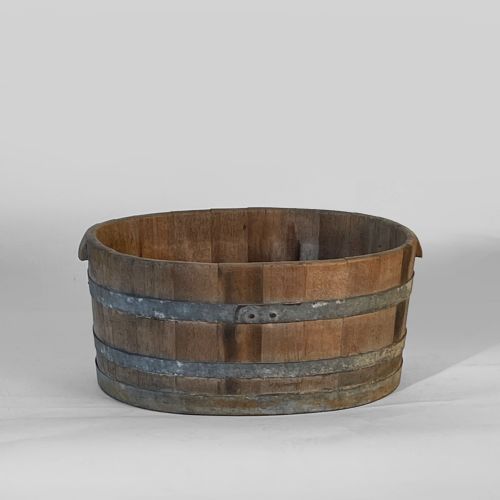
Ceramic examples utilise earthenware, creamware, and flow blue transfer printing techniques, creating decorative footbaths and basins with intricate surface patterns. Wooden variants employ traditional coopered staves bound together with metal hoops to hold liquids securely.
Antique Wash Tub Retail Price Guide 2026
Typical asking prices for wash tub among the pieces listed under this phrase on Sellingantiques today, from the lower quarter to the upper quarter. They describe what is for sale here now, not the wider market.
Listings feature materials spanning copper, iron, earthenware, wrought iron, brass, steel, zinc, and glaze across the nineteenth and early twentieth centuries.
Judging Quality
Quality rests upon the integrity of construction, such as the regularity of hand-hammered rivets on copper bodies and the weight of the underlying metal. Thicker gauge materials and robust iron handles indicate robust domestic utility.
Surface character distinguishes standard utilitarian pieces from exceptional examples, with natural patination, verdigris finishes, and crisp ceramic transfer prints adding visual depth. Intact structural forms without excessive distortion command greater attention.
Wemyss·Minton·Heathcote·Copeland
The Antique Wash Tub Glossary
- Footbath
- A large ceramic or metal vessel originally designed for soaking feet, often decorated with transfer printed patterns. These items now frequently serve as indoor planters.
- Verdigris
- A green patina formed naturally on copper, brass, or bronze surfaces through atmospheric oxidation. This weathered layer indicates age and exposure to moisture.
- Coopered
- Constructed from wooden staves fitted together side by side and bound by metal or wooden hoops. This method ensured watertight integrity in buckets and barrels.
- Creamware
- A type of fine earthenware perfected in the eighteenth century with a pale yellowish-white glaze. It offered a lighter, more refined alternative to traditional salt-glazed stoneware.
Antique Wash Tub: Frequently Asked Questions
What were antique wash tubs originally used for?
These vessels served demanding domestic tasks including laundering heavy garments, boiling water, and bathing. Households relied on their waterproof capacity for everyday chores.
Over time, many of these containers transitioned from utilitarian duties to functional storage and display roles within the home.
How do I use an antique wash tub in my home?
Copper boilers and galvanised bins adapt readily as robust log baskets or indoor tree planters. Their generous proportions accommodate substantial botanical arrangements.
Ceramic footbaths and basins function effectively as decorative centrepieces or umbrella stands in hallways. Their distinctive patterns add historic character to contemporary interiors.
How do I date a copper wash tub?
Hand-riveted seams and wrought iron fixings typically point toward eighteenth or nineteenth-century manufacture. Earlier pieces display irregular hammering marks from individual smiths.
Standardised machine rolling and galvanised coatings generally indicate later nineteenth or early twentieth-century production methods. Material thickness also helps establish the era of origin.
Are ceramic footbaths waterproof?
Glazed earthenware and creamware footbaths hold water securely for short periods, making them suitable for floral displays. However, hairline cracks can develop in older ceramics.
Placing a protective liner inside older ceramic vessels prevents moisture damage during everyday use as planters. This preserves the internal fabric of the piece.