






Antique Walnut Timepiece
An antique walnut timepiece brings warmth and quiet precision to a room, ranging from small desk pieces to grand wall regulators.
Antique Walnut Timepiece
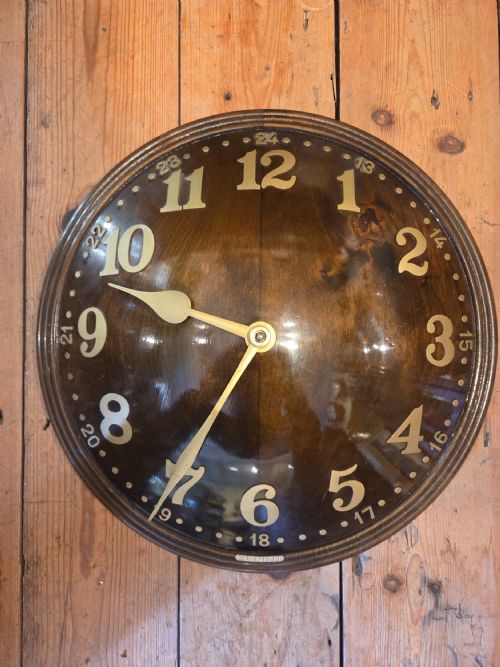
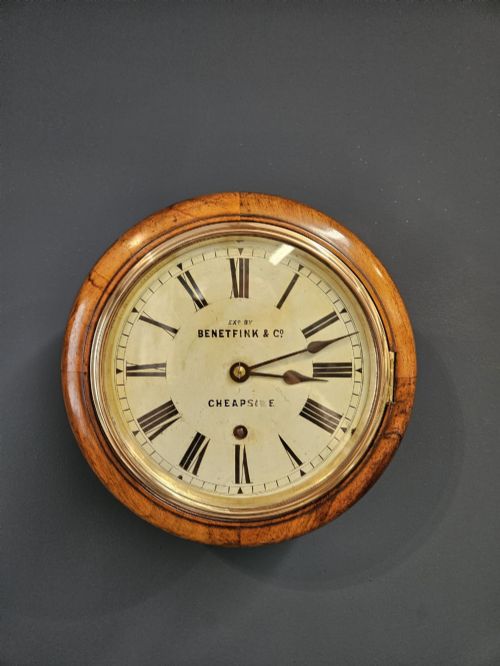
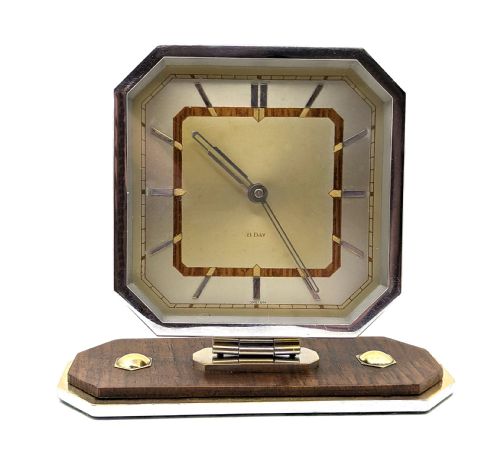
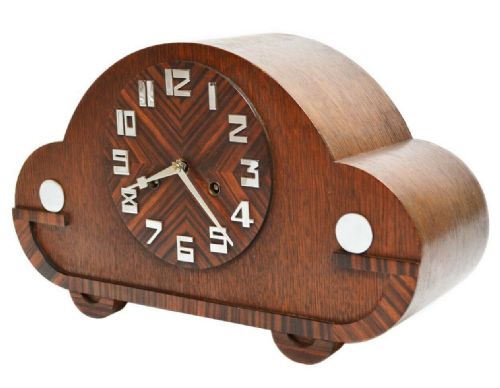
An antique walnut timepiece spans several decades and forms, including mantel clocks, desk clocks, and wall-mounted regulators. The selection runs from Victorian dial clocks and carved Black Forest examples to streamlined Art Deco designs from the twentieth century.
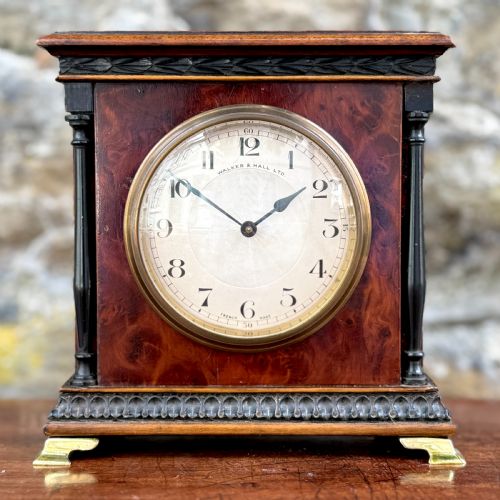
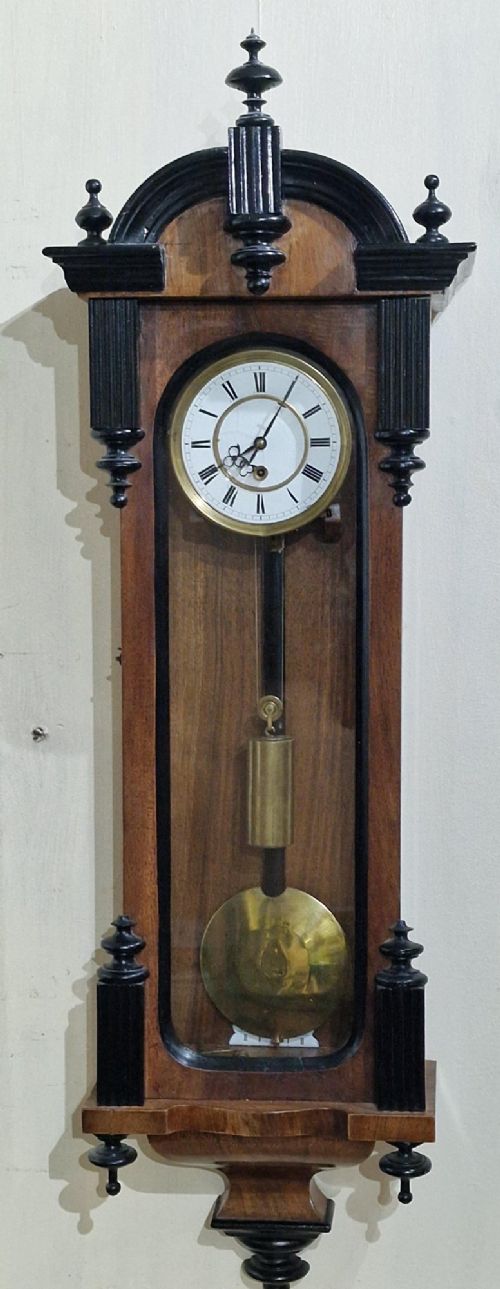
Buyers often encounter English and continental pieces housed in plain walnut, figured walnut, or burr walnut cases. These clocks vary from domestic desk pieces to large Vienna regulators intended for prominent wall placement.
What varies in quality
The choice of wood veneer sets the visual standard, with highly figured burr walnut commanding attention for its intricate grain patterns. Carved elements, whether geometric Art Deco lines or traditional foliage, show the hand of the maker.
Movement sophistication and mechanical execution separate standard domestic pieces from finer bracket clocks and Vienna regulators. Original dials, well-preserved glass, and balanced proportions determine the standing of each piece.
Antique Walnut Timepiece Retail Price Guide 2026
Typical asking prices for walnut timepiece among the pieces listed under this phrase on Sellingantiques today, from the lower quarter to the upper quarter. They describe what is for sale here now, not the wider market.
Listings feature walnut cases spanning from the Victorian era through the Art Deco period of the nineteen-thirties.
Walker and Hall·Vedette·Mauthe·Bravingtons Ltd of London·Payne of Tunbridge Wells·Winterhalder and Hofmeier
The Antique Walnut Timepiece Glossary
- Burr walnut
- A highly figured wood veneer taken from the wart-like growths on walnut trees. It creates intricate, swirling patterns across clock cases.
- Vienna regulator
- A precision pendulum wall clock developed in Austria during the nineteenth century. These clocks are known for their long wooden cases and clear white enamel dials.
- Fusee movement
- A conical pulley mechanism designed to equalize the pull of the mainspring as it runs down. This system helps the clock maintain consistent timekeeping.
- Ebonised wood
- Timber treated to imitate ebony, providing a deep black contrast. It appears frequently on mouldings and trim.
Antique Walnut Timepiece: Frequently Asked Questions
How do I wind an antique timepiece?
Most of these clocks use a key inserted into the dial to wind the spring mechanism. Care should be taken not to over-wind the mainspring.
Consulting the specific movement instructions helps preserve the internal components and maintains accurate timekeeping.
Where should I place a wall clock?
Wall clocks require a sturdy, stable surface to hang securely without vibration. Interior walls away from excessive dampness or direct sunlight suit them best.
Ensuring the case hangs level is essential for the pendulum to swing evenly.
What is the difference between a mantel clock and a desk clock?
Mantel clocks are typically larger and heavier, designed to sit firmly on a shelf or fireplace mantel. Desk clocks are more compact and easily moved to smaller surfaces.
Both forms utilise wood cases, but desk clocks often feature metal accents like chrome.
How do I identify an Art Deco clock?
Art Deco timepieces feature geometric shapes, two-tone wood treatments, and streamlined styling popular around the nineteen-thirties. They often incorporate chrome framing and stylized numeric dials.
These designs contrast sharply with the ornate carving seen on Victorian or Black Forest pieces.