






Antique Walnut Study Chair
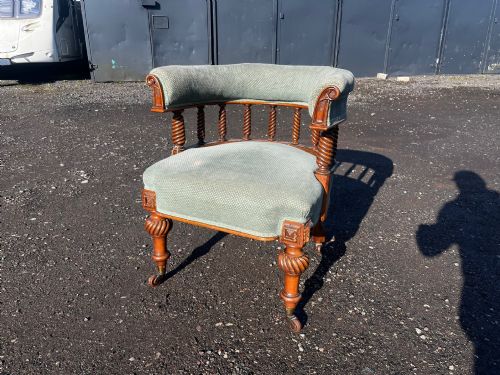
An antique walnut study chair combines sturdy timber with practical seating for working at a desk or reading in a library.
Antique Walnut Study Chair
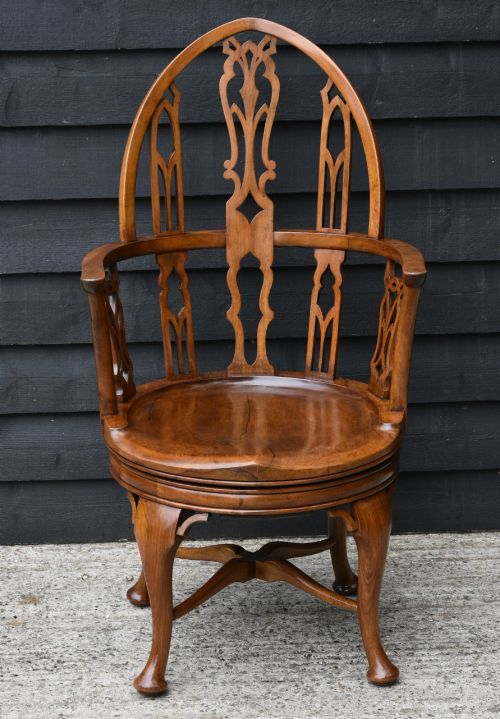
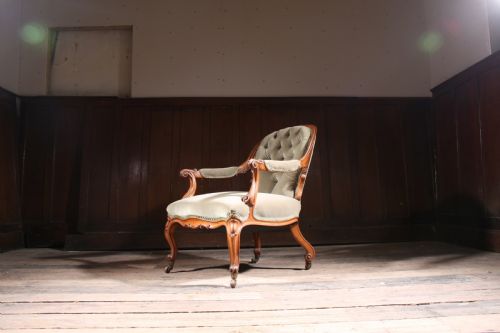
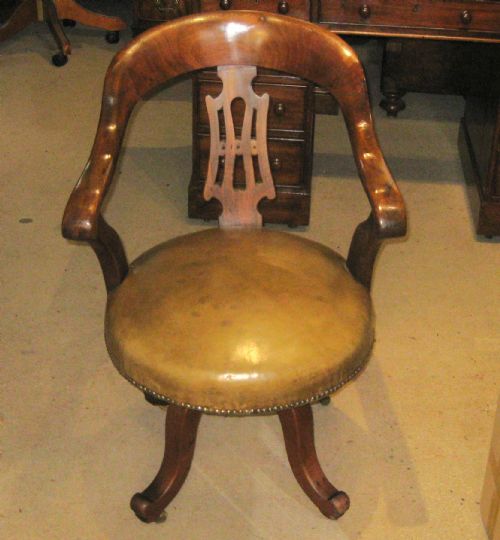
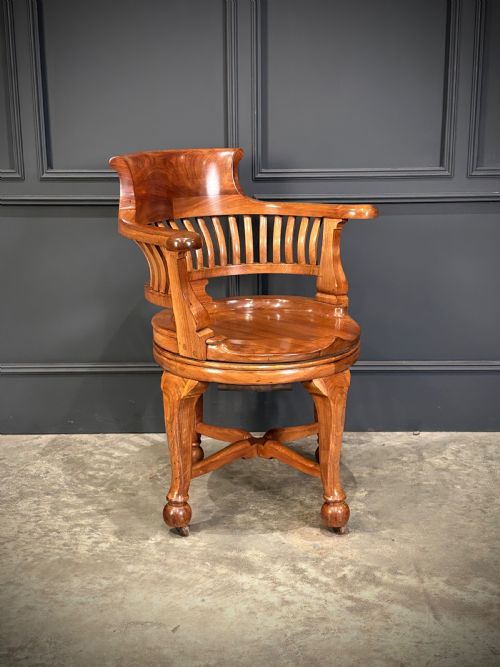
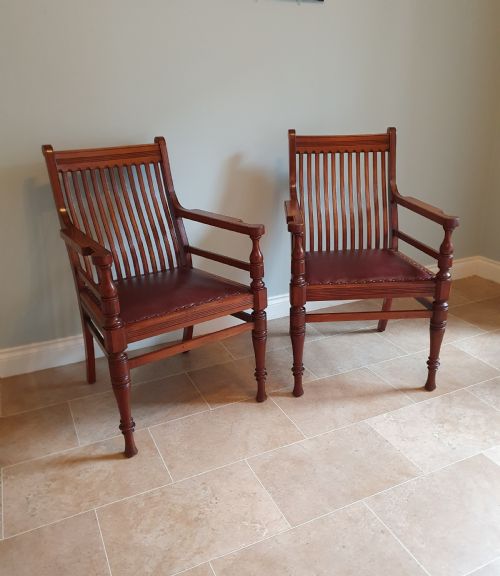
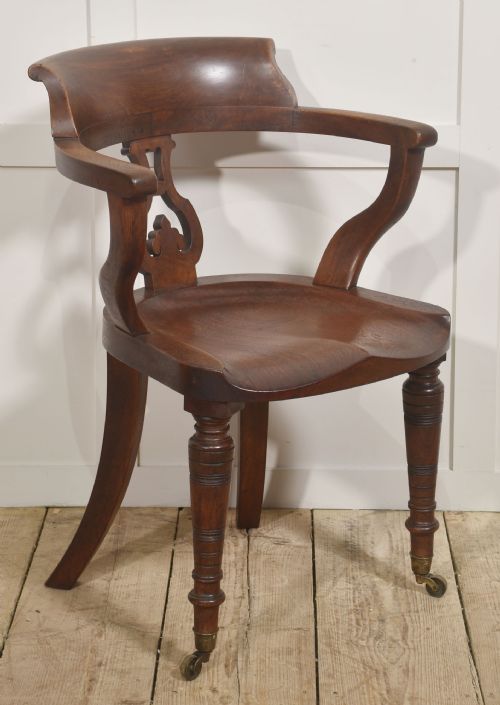
An antique walnut study chair is designed for working, reading, and sitting at a desk within a library or office space. Buyers searching for an antique walnut study chair will encounter a variety of forms, including revolving desk chairs, swivel captain chairs, and open arm library chairs.
The pieces available span multiple periods, most notably the Victorian era, alongside Edwardian examples and pieces influenced by earlier aesthetic movements. Styles range from plain Victorian frames to revival designs such as Queen Anne, Georgian, and Gothic.
Common seating configurations include fixed library armchairs and adjustable revolving office chairs fitted with leather, velvet, or fabric upholstery. These diverse forms reflect the evolving requirements of domestic and professional studies over successive centuries.
How they were made
The primary structural timber across these pieces is walnut, selected for its rich grain and durability in load-bearing chair frames. Workshops frequently combined this dark wood with secondary materials such as brass, iron, and metal components for swivel and revolving mechanisms.
Upholstery techniques varied widely according to the period, employing leather, tapestry fabric, velvet, and oil cloth swab cushions. Craftspeople fastened these coverings using traditional methods to ensure comfortable support during long hours of study.
Listings feature walnut timber paired with leather, velvet, and iron across Victorian and Edwardian periods.
What varies in quality
Quality in these chairs is determined by the refinement of the walnut carving, the integrity of the timber frame, and the sophistication of any mechanical swivel actions. Finer examples display meticulous attention to joinery and harmonious proportions across backrests and arm supports.
The choice of upholstery materials also dictates the grade of the piece, with high-grade hand-tooled leather or period-correct textiles elevating the overall execution. Subtle details such as inlaid woodwork or distinctive Gothic revival motifs distinguish exceptional specimens from standard utility seating.
The Antique Walnut Study Chair Glossary
- Walnut
- A dense, hard timber prized for its deep brown colour and attractive grain patterns. It was widely utilised in fine cabinet-making and chair frames throughout the nineteenth and early twentieth centuries.
- Revolving mechanism
- An internal iron or brass apparatus allowing the chair seat to rotate fully on its base. This innovation became particularly popular in nineteenth-century office and desk chairs.
- Captain chair
- A sturdy timber armchair featuring a curved, low backrest designed for office or study use. These often incorporate swivel actions or heavy wooden arm supports.
- Gothic Revival
- An architectural and decorative style drawing inspiration from medieval design. Pieces often feature pointed arches, quatrefoils, and robust structural elements.
- Oil cloth
- A heavy canvas fabric treated with boiled linseed oil to create a waterproof and durable surface. It frequently served as a practical upholstery material for nineteenth-century office seating.
Antique Walnut Study Chair: Frequently Asked Questions
How do I identify a Victorian study chair?
Victorian study chairs often display darker walnut timber frames combined with buttoned leather or velvet upholstery. Look for robust construction styles that reflect nineteenth-century domestic and office fashions.
Many examples from this era also include swivel mechanisms or broad bow backs designed for comfort.
Were these chairs used in offices?
Many of these seating pieces were indeed manufactured for professional offices, studies, and administrative rooms. Swivel mechanisms and sturdy armrests provided practical support for clerks and scholars.
Surviving examples often show functional adaptations like oil cloth cushions or heavy metal swivel bases.
What is a Queen Anne style study chair?
A Queen Anne style study chair references the distinctive graceful curves and cabriole leg forms popularised during the early eighteenth century. Later revival pieces from the Edwardian era often reinterpreted these classic silhouettes for contemporary desks.
These versions blend historical aesthetic elements with the comfortable proportions expected in a modern study.