






Antique Wall Trophy Mount
These antique wall trophy mount pieces bring historic natural history and lodge aesthetics directly into your interior.
Antique Wall Trophy Mount
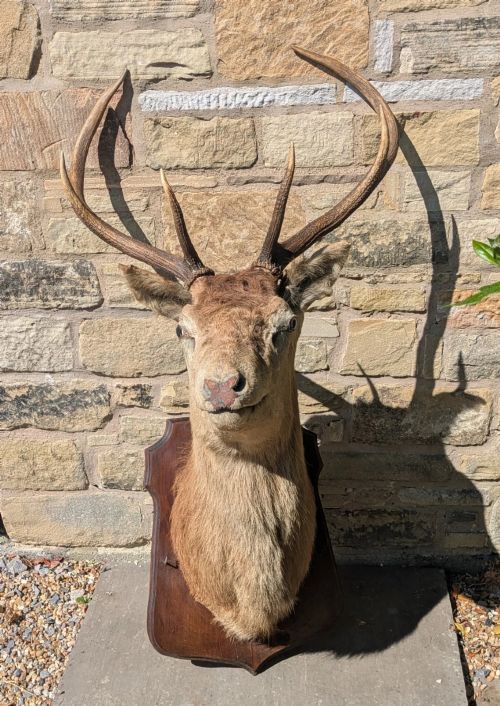
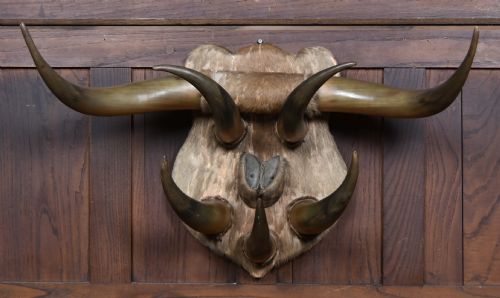
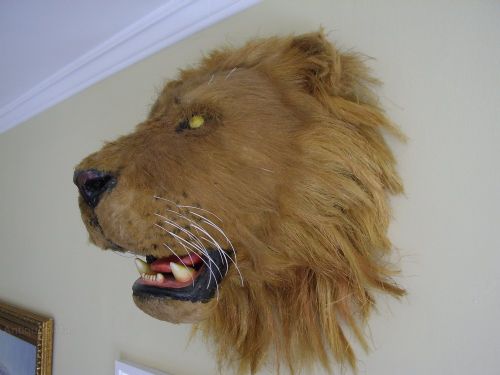
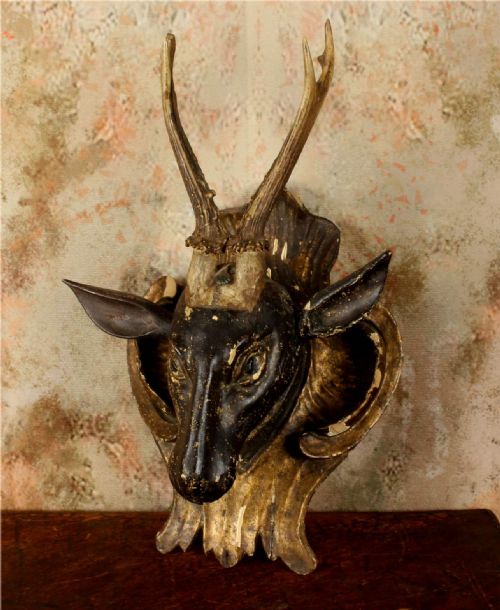
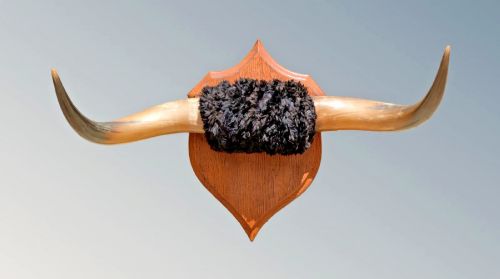
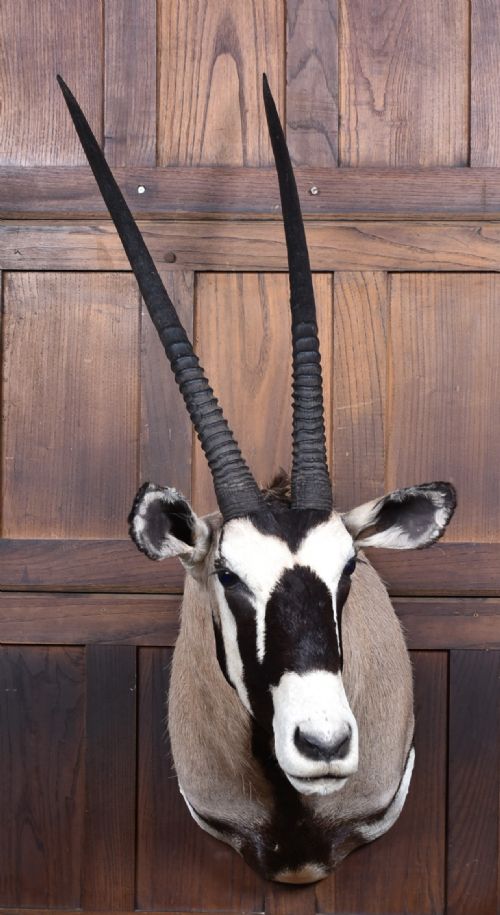
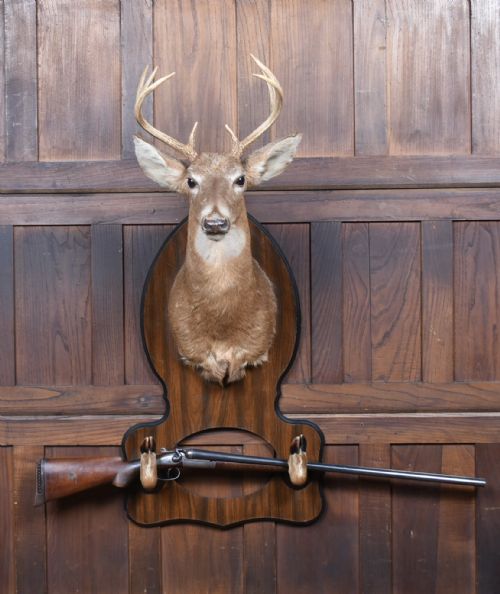
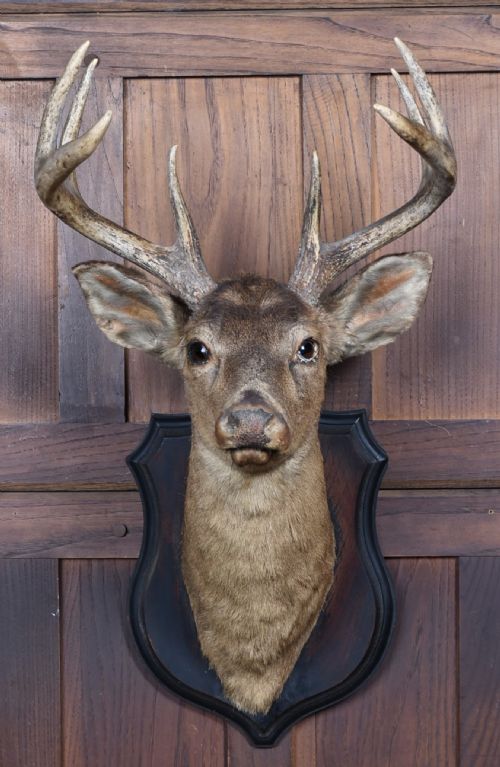
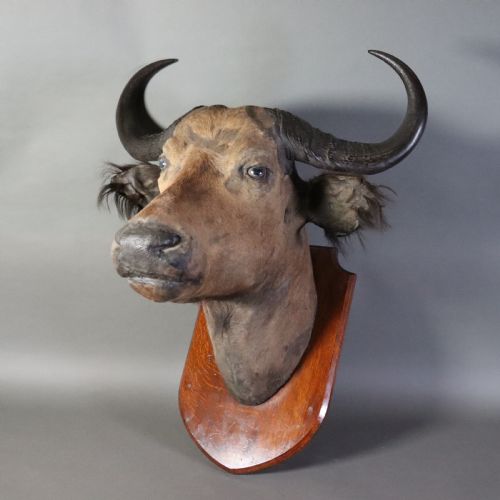
An antique wall trophy mount takes the form of taxidermy heads, horns, and antlers fixed to wooden shields or panels for hanging. These pieces capture the Victorian and Edwardian fascination with natural history and the sporting traditions of the Highland lodge. Buyers encounter everything from red deer and roe deer heads to African antelope horns and mounted cattle horns.
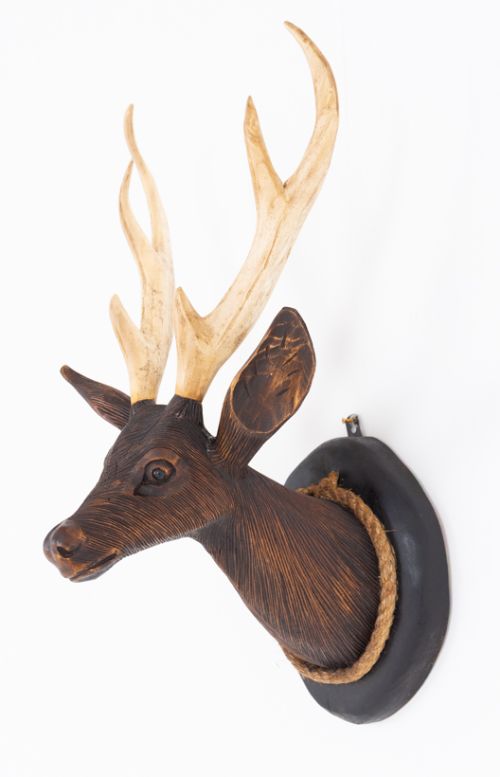
The selection ranges from large red deer and buffalo heads to smaller fox masks and ram's horns mounted on carved oak. Black Forest style carvings also appear alongside folk art interpretations of deer and cattle. Most examples originate from the nineteenth and early twentieth centuries, reflecting the interior tastes of those periods.
Materials and construction methods
Makers utilised taxidermy hides, natural hide, bone, and horn mounted upon solid timber supports like oak. Carved wood often forms the base shields, sometimes styled in the Black Forest tradition with intricate foliage and animal motifs. Antlers and horns attach firmly to these wooden backings using metal brackets and bolts hidden behind the skull plate.
Preservation techniques involved curing animal hides and mounting them over forms made from plaster, papier-mâché, or wood. Taxidermists shaped glass eyes to recreate a lifelike expression in masks and heads. Woodcarvers shaped oak shields by hand, applying dark stains and varnishes to complement the natural tones of the horn and fur.
Antique Wall Trophy Mount Retail Price Guide 2026
Typical asking prices for wall trophy mount among the pieces listed under this phrase on Sellingantiques today, from the lower quarter to the upper quarter. They describe what is for sale here now, not the wider market.
Listings feature taxidermy mounts, horns, and carved wooden shields spanning the Victorian, Edwardian, and Black Forest periods.
Assessing quality in mounts and trophies
Quality rests in the anatomical accuracy of the taxidermy and the crispness of the wood carving on the shield. Master taxidermists captured realistic muscle structure and facial expressions, whereas lesser work appears stiff or disproportionate. The symmetry and spread of the antlers or horns also dictate the desirability of the piece.
The pedigree of the workshop influences distinction, as documented taxidermists achieved superior realism in fur grooming and glass eye placement. Sound preservation of the hide without excessive hair loss separates durable examples from compromised specimens. The integration between the skull and the carved oak backing demonstrates the joinery skill of the maker.
Peter Spicer and Sons·Edward Gerrard and Sons
The Antique Wall Trophy Mount Glossary
- Taxidermy mount
- The preserved skin of an animal stretched over a form and attached to a backing board for display. This term covers both full heads and isolated horns.
- Shield
- The shaped wooden plaque, frequently carved in oak, that supports the weight of the skull and horns on a wall. It protects the wall and frames the specimen.
- Black Forest style
- A carved wood aesthetic originating in central Europe, characterised by realistic animal figures and deep foliage relief. These pieces often feature stags and oak leaves.
- Mask
- A taxidermy term for the head and facial skin of a smaller animal, such as a fox or otter, mounted for wall display. These usually include the neck portion and glass eyes.
Antique Wall Trophy Mount: Frequently Asked Questions
How do I hang a heavy trophy mount safely?
Heavy mounts require direct fixing into masonry walls usingrawl plugs and steel screws, or stout picture wire attached to wall studs for timber partitions. The weight rests primarily on the wooden shield and the internal metal bracket supporting the skull.
Check that the mounting bracket on the back of the oak shield is secure before hanging. Distribute the load evenly and avoid relying on standard picture hooks for large stags or buffalo heads.
How should I clean antique taxidermy fur?
Dust taxidermy mounts gently using a soft, clean artist brush or a feather duster moving in the direction of the hair growth. Avoid using water, chemical sprays, or household detergents on the hide or fur.
Professional conservators should handle deep cleaning or hair restoration to prevent damage to the historic skin and mounting materials. Keep mounts away from direct sunlight and damp environments to preserve the hair.
What defines Black Forest style carving?
Black Forest carving originates from nineteenth-century European workshops, featuring deeply carved naturalistic motifs like oak leaves, ferns, and forest animals. These pieces utilise dark-stained woods to create dramatic, rustic wall decor.
Stags heads and antlers carved entirely from wood often accompany taxidermy specimens in this tradition. The craftsmanship focuses on high-relief foliage framing the central animal subject.
How do I date an antique horn mount?
Dating relies on the style of the wooden shield, mounting hardware, and any inscribed plaques or paper trade labels on the reverse. Nineteenth-century examples often feature hand-carved oak shields and traditional taxidermy fasteners.
Records from documented firms like Peter Spicer or Edward Gerrard provide specific production eras for marked pieces. Construction methods, such as early iron screws and cut nails, also indicate Victorian or Edwardian origins.