
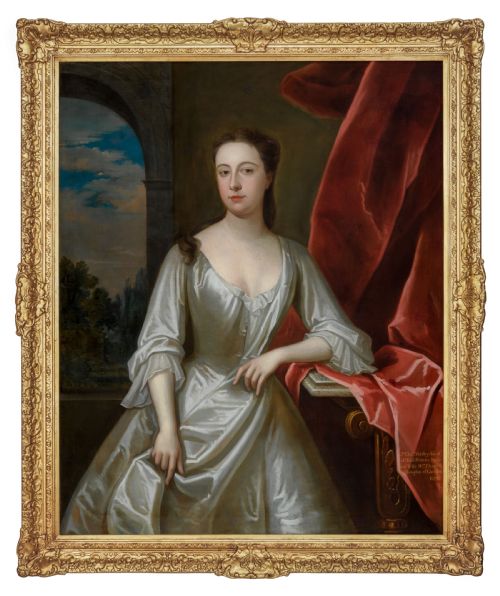
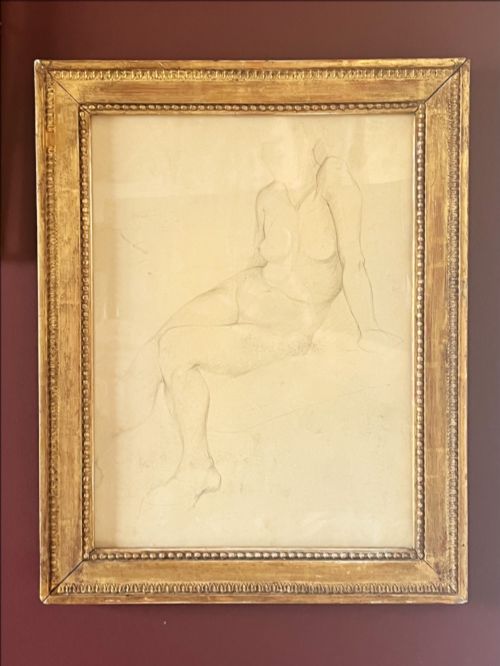

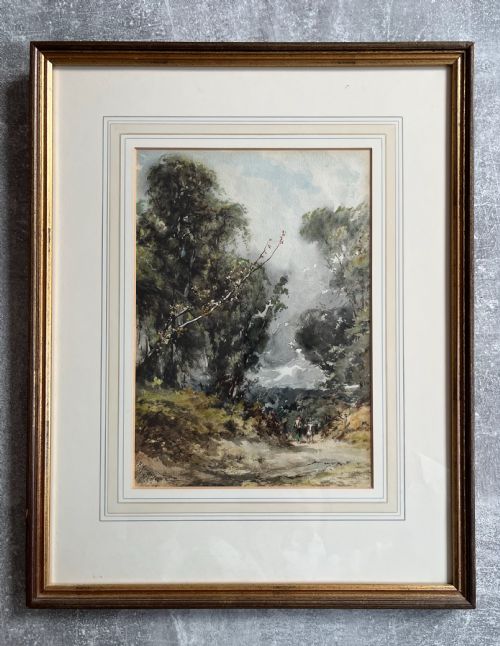
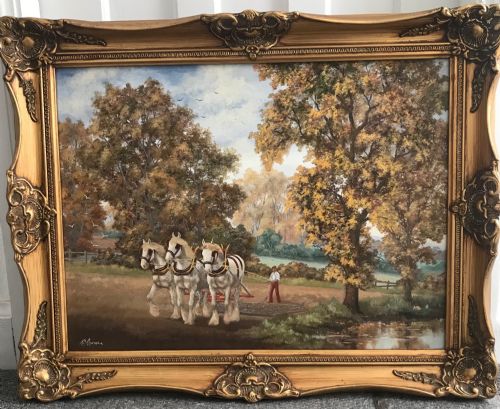


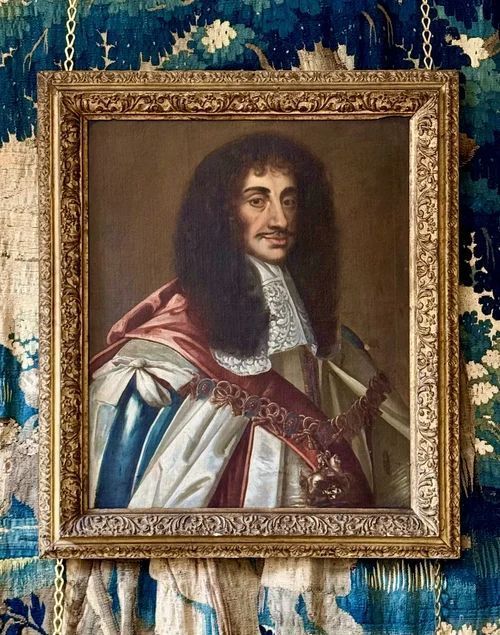

Antique Wall Picture
An antique wall picture brings centuries of portraiture, landscape and needlework into a room.
Antique Wall Picture
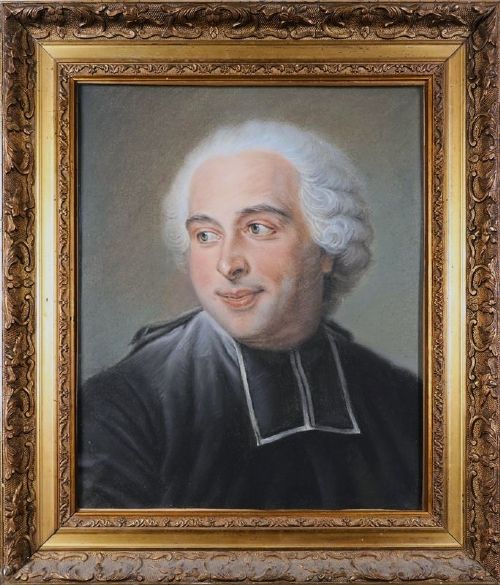
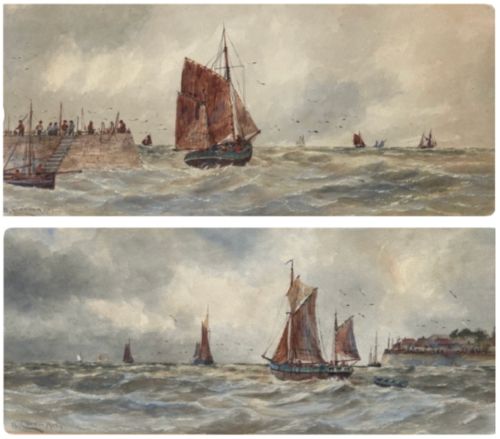
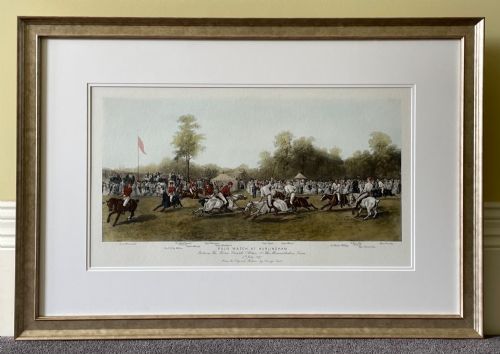
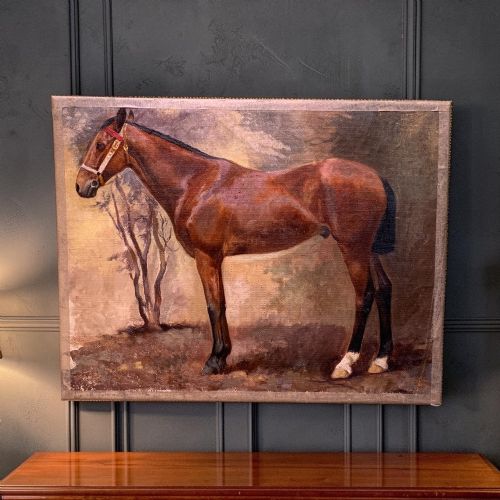
An antique wall picture encompasses framed works designed for display, ranging from oil paintings and watercolours to engravings and needlework. You will find examples spanning the eighteenth and nineteenth centuries, alongside early twentieth-century pieces.
The selection on this page focuses on visual works meant for hanging, including portraits, seascapes, landscapes and botanical studies. These items bring historical craftsmanship and domestic art directly to interior spaces.
How they were made
Makers utilised traditional supports such as canvas, wood panels, paper and glass, applying oil paint, watercolours, pastel or ink. Printmakers produced mezzotints, engravings and lithographs, often adding hand colouring.
Framing forms an integral part of the construction, utilising materials like giltwood, gesso, burr maple, rosewood and oak. Needlework and textile pieces rely on wool, silk and plushwork worked onto canvas grounds.
Listings feature works from the seventeenth century through to the 1960s, employing glass, paper, wood, oil paint and giltwood.
What varies in quality
The calibre of a piece rests upon the skill of the execution, whether in the draughtsmanship of a portrait or the handling of pigment in a landscape. Finer examples display confidence in technique and clear attribution to skilled hands.
Sir Godfrey Kneller·George Fotherly Hargitt·Maurice Quentin de la Tour·William Cannon·William H Myers·Alfred Young Nutt·Sir Peter Lely·Percy Lancaster·John Hassall·William McAlpine·A Marie Parsons·Charles Spooner·Joshua Reynolds·Frederick Morgans·Edward Mills·George Houston·Stephen Samuel Lewin
The Antique Wall Picture Glossary
- Mezzotint
- A printmaking process of the intaglio family where the plate is roughened to achieve tones and rich darks. This technique allowed for subtle gradations of light and shade in portraits.
- Giltwood
- Wood that has been treated with a thin layer of gold leaf. Frames executed in this material often feature carved decoration such as acanthus leaves.
- Needlework
- The craft of decorative stitching on fabric or canvas. Examples in the evidence include Berlin work, woolies and petit point tapestries.
- Reverse glass painting
- An art form where the image is painted directly onto the back of a piece of glass. When viewed from the front, the glossy surface provides depth.
- Gesso
- A paint mixture consisting of a binder mixed with chalk or plaster. It served as a smooth preparation layer for gilding on wooden frames.
Antique Wall Picture: Frequently Asked Questions
What is an antique wall picture?
An antique wall picture refers to framed decorative art created in past centuries, including oil paintings, watercolours, engravings and needlework.
These pieces were produced for domestic display and survive in various forms such as portraits, landscapes and botanical studies.
How do I date an antique wall picture?
Dating relies on the materials, framing styles, inscriptions and artistic conventions visible in the work. Clues often appear in the clothing of portrait subjects, the type of paper or canvas, and the joinery of the frame.
Comparative study of known artists and printmakers also helps establish a precise period.
How were these pictures framed originally?
Original framing utilised woods like oak, rosewood and burr maple, alongside carved giltwood and gesso moulded with decorative motifs.
Frames were chosen to complement the medium, protecting works on paper under glass and giving oil paintings a defined border.
How do I care for an antique wall picture?
Care involves protecting the piece from direct sunlight, damp conditions and extreme temperature fluctuations that damage paper, canvas and wood.
Displaying the work away from heat sources preserves the pigments, textiles and original frames for future years.