
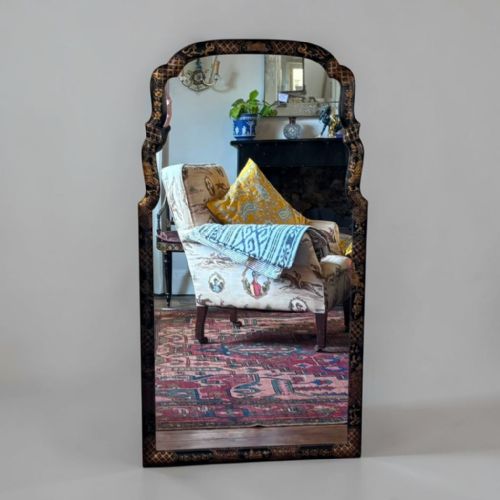
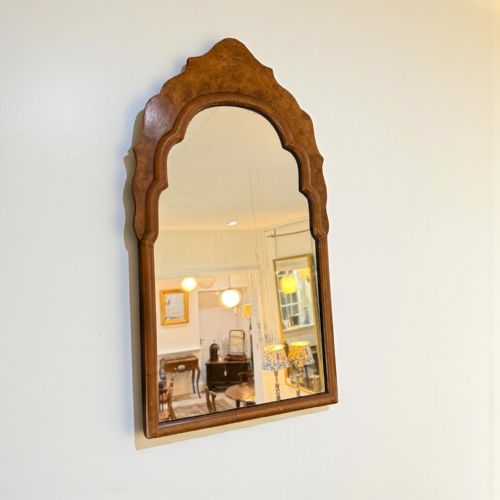
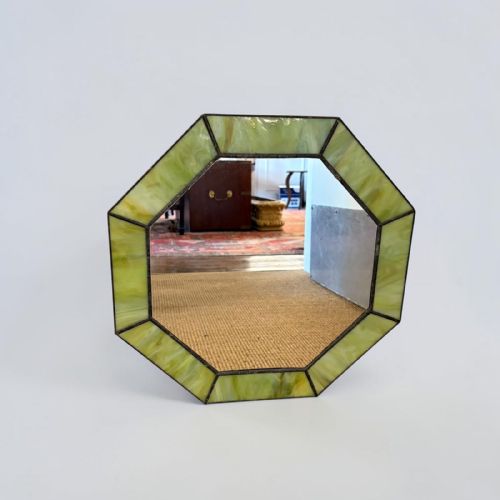
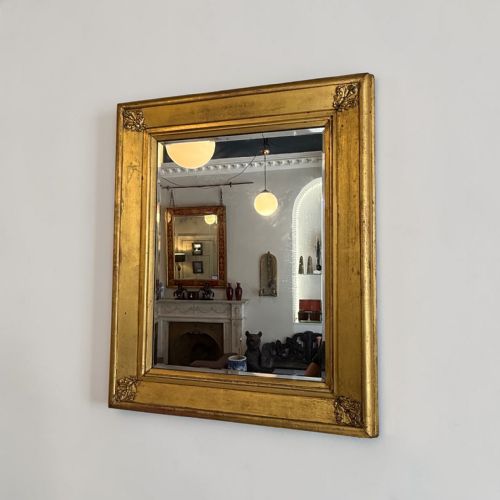
Antique Wall Hanging Glass
These antique wall hanging glass pieces bring reflective depth and period craftsmanship into a room.
Antique Wall Hanging Glass
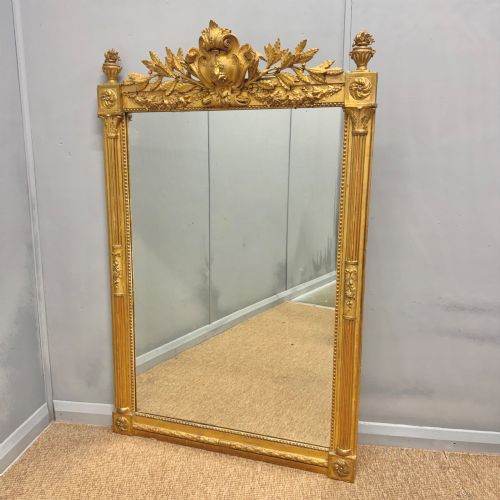
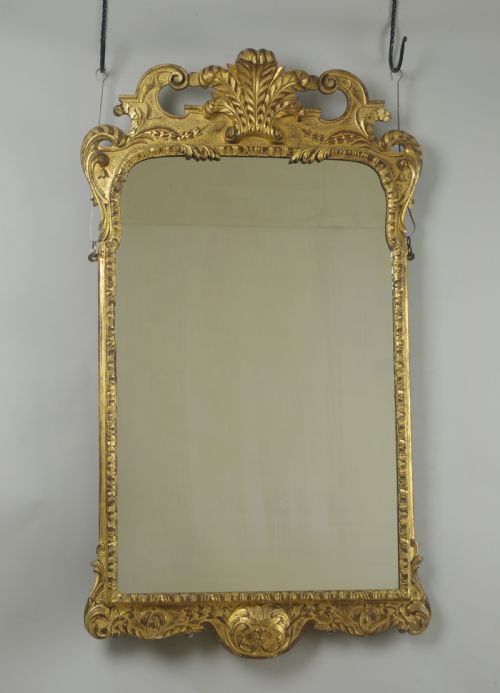
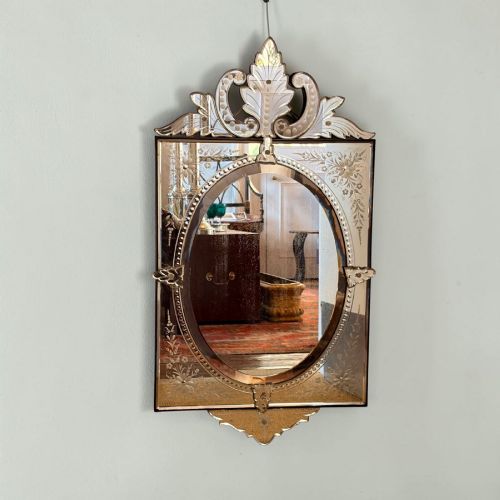
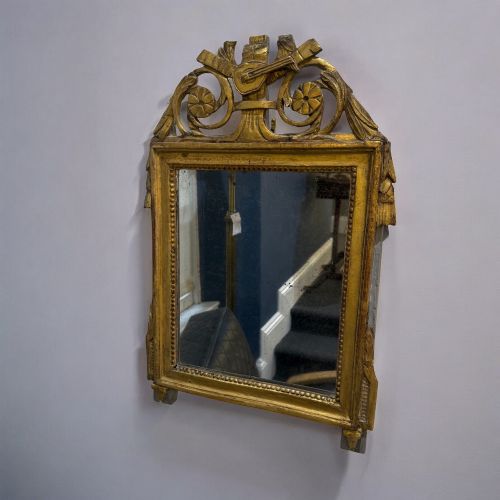
When you search for antique wall hanging glass, you are looking at items designed to be suspended on vertical surfaces, primarily comprising wall mirrors, barometers, and framed decorative panels. The selection spans centuries of domestic ornamentation, reflecting shifting tastes in interior design from simple wooden surrounds to ornate gilded showpieces.
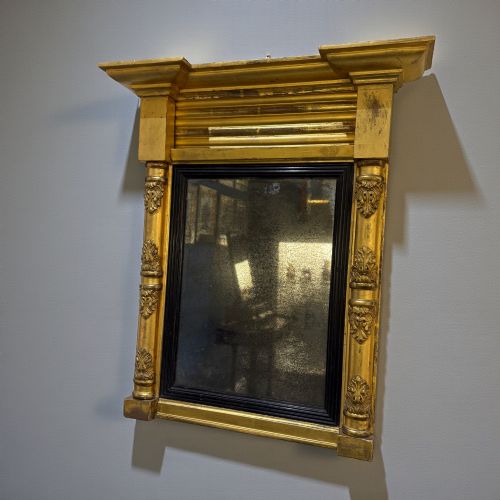
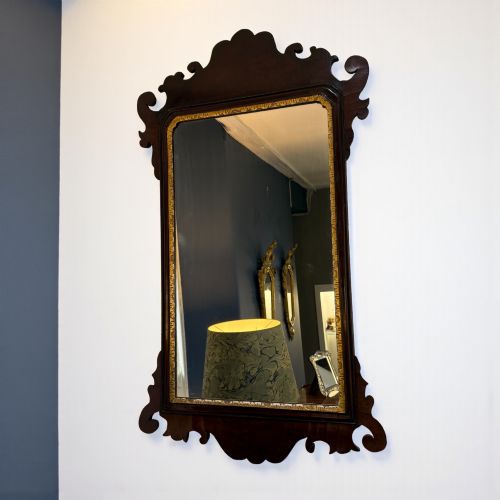
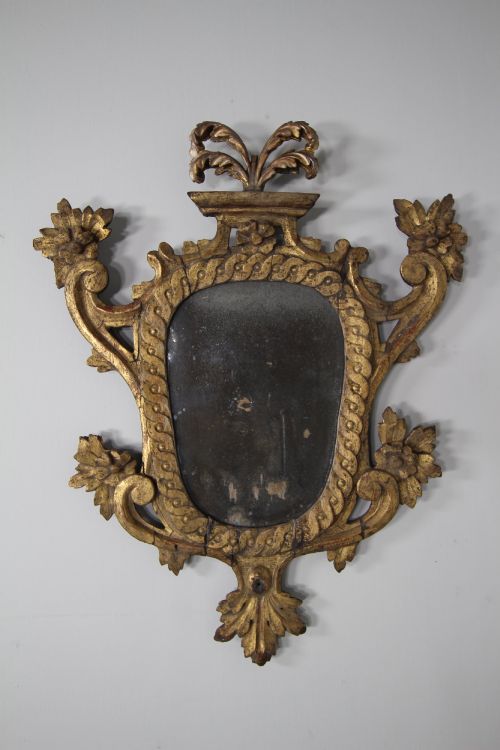
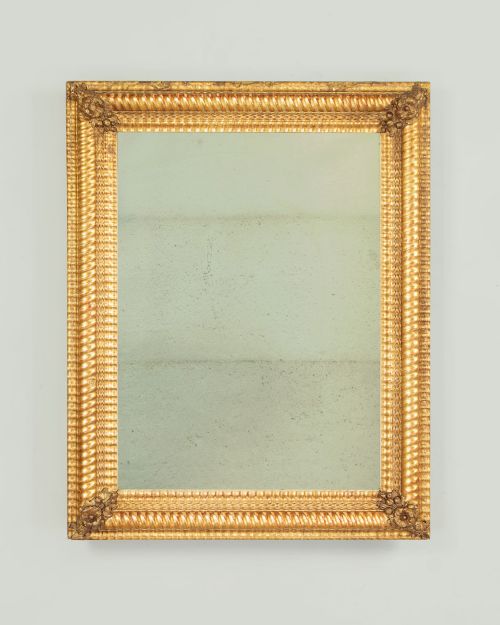
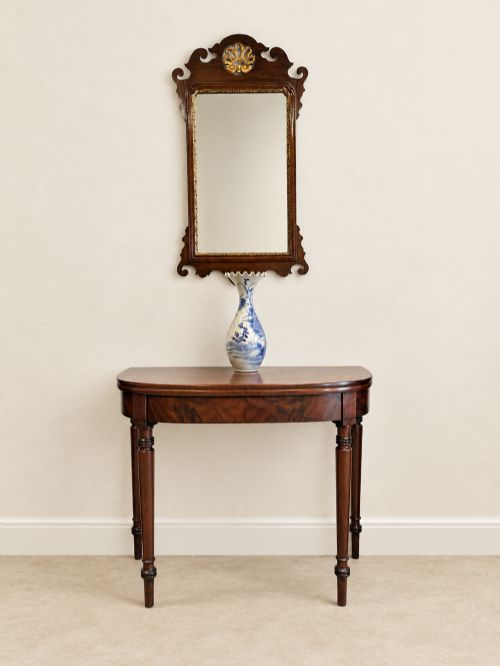
You are most likely to meet 19th century and Victorian examples on this page, alongside Georgian and Edwardian specimens. These frequently take the form of wall mirrors framed in giltwood, gesso, mahogany, or oak, often incorporating bevelled glass plates.
Beyond standard looking glasses, the category broadens to include specialised items such as reverse paintings on glass, silk embroidery panels under glass, and double-sided post office direction signs. Regional styles range from French Rococo Revival and Chinoiserie to English Chippendale Revival and Dutch marquetry.
How they were made
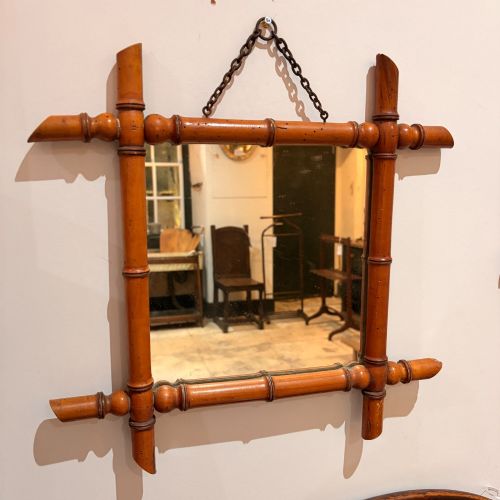
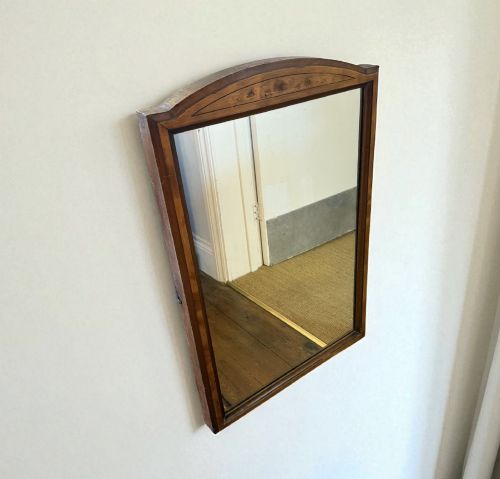
Makers constructed the structural frames of these objects using timbers such as mahogany, walnut, oak, and rosewood, frequently pairing them with carved gesso and applied giltwood. Artisans shaped these materials through detailed hand carving, joinery, and marquetry inlay techniques.
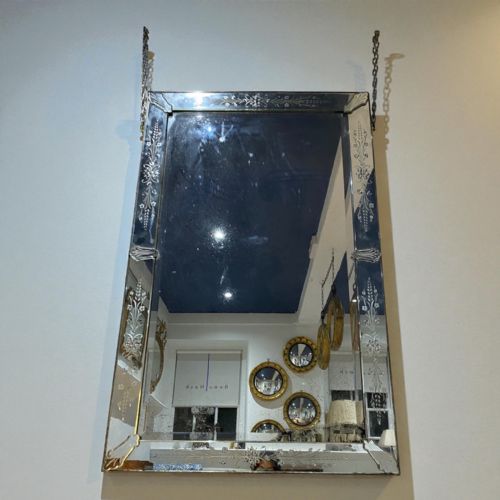
For the reflective and glazed elements, craftsmen utilised mirror glass and plate glass, sometimes featuring hand-engraved plates or bevelled edges. Gilding was applied using fine gold leaf over prepared gesso grounds on wooden carcases, creating brilliant metallic finishes.
Additional media integrated into the wall-mounted assemblies included reverse painting on glass, brass components, and textiles protected beneath glass panes. These diverse elements required specialised fitting to secure fragile glass within heavy wooden or gilded frames.
The listings show diverse framing materials spanning giltwood, gesso, oak, brass, and mahogany across multiple centuries.
What varies in quality
The standard of carving and gilding separates ordinary items from exceptional ones. Finer pieces display deep, crisp hand-carved details in the gesso and wood, whereas simpler examples rely on shallow mouldings or heavier, less refined applications of ornament.
The integrity and age of the glass itself influence the standing of an object. Original mirror plates showing soft foxing and hand-beveled edges hold greater historic character than later replacements, while intricate engraving demonstrates higher artisan skill.
Material selection and structural complexity also define the grade of the work. Solid walnut, mahogany, and giltwood frames with sophisticated joinery and marquetry represent a higher level of workshop output than basic softwood or secondary timber constructions.
Waring and Gillow·Hyde and Sons Sleaford
The Antique Wall Hanging Glass Glossary
- Giltwood
- Wood that has been coated with gold leaf or gold powder. This finish was widely utilised on decorative frames during the Georgian and Victorian periods to catch the light.
- Gesso
- A plaster-like mixture applied to wood frames as a base for gilding and intricate relief moulding. Artisans carved directly into the dried gesso to achieve elaborate decorative motifs.
- Bevelled glass
- A mirror or glass pane with edges ground and polished at an angle thinner than the rest of the piece. This technique creates a prismatic border that refracts light.
- Marquetry
- The art of applying small pieces of veneer to a structure to form decorative patterns or pictures. Craftsmen used various coloured woods to create complex scenes on mirror and cabinet frames.
- Parcel gilt
- A decorative treatment where only specific portions of an object are gilded while other areas reveal the natural wood beneath. This method highlights carved details against a contrasting background.
Antique Wall Hanging Glass: Frequently Asked Questions
How do I hang a heavy antique wall glass?
Heavy antique wall hanging glass requires secure mounting into wall studs or the use of appropriate wall anchors rated for the weight of timber and glass frames. It is advisable to utilise professional picture-hanging hardware that distributes the load evenly across the structure.
Ensure the hanging wire or integrated mirror brackets are robust and firmly fixed to the original frame rather than vulnerable decorative elements. Checking the stability of the joints before suspension protects both the piece and the wall.
How should I clean antique mirror glass?
Clean antique mirror glass gently using a soft, lint-free cloth and a mild glass cleaner or distilled water. Spray the cloth rather than the glass directly to prevent moisture from seeping behind the plate or into the vulnerable antique backing.
Avoid harsh chemical ammonia-based cleaners which can damage original silvering and surrounding wooden or gilded frames. Take care around edges where the protective backing may have degraded over time.
What is an aneroid barometer?
An aneroid barometer is a device used to measure atmospheric pressure without using liquid mercury. It contains a small, flexible metal box called an aneroid cell that expands or contracts with pressure changes, moving a pointer on a dial face.
These instruments were frequently mounted into carved wood wall cases during the Victorian and Edwardian eras. They served both a practical domestic function for predicting weather and as decorative wall furnishings.
How do I tell a Georgian mirror from a Victorian one?
Georgian mirrors typically display architectural symmetry, fretwork mahogany frames, or crisply carved giltwood in Palladian and Chippendale styles. The timber choices, secondary woods, and construction methods reflect 18th-century cabinet-making traditions.
Victorian pieces often exhibit heavier proportions, darker walnut or rosewood timbers, and eclectic revival styles such as Rococo or French influences. The use of machine-made elements and thicker gilt gesso mouldings also points towards the 19th century.
Can I place these pieces in direct sunlight?
Placing antique wall hanging glass in direct sunlight should be avoided to prevent damage to vulnerable materials. Intense UV rays can fade delicate wooden finishes, crack old gesso, and degrade historic textiles or paintings housed under glass.
Indirect natural light allows the pieces to be appreciated without risking the structural integrity of the frame or the surface of the reflective plates and decorative panels.