

Antique Wall Bracket Shelves
These antique wall bracket shelves are decorative architectural supports designed to display objects, bringing texture and period character to vertical spaces.
Antique Wall Bracket Shelves
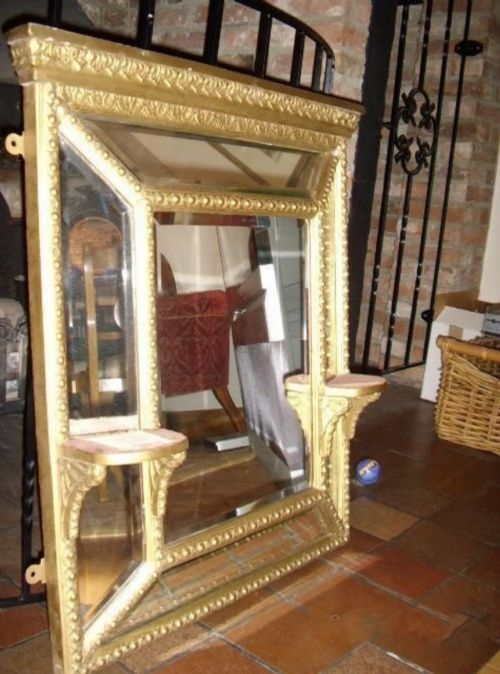
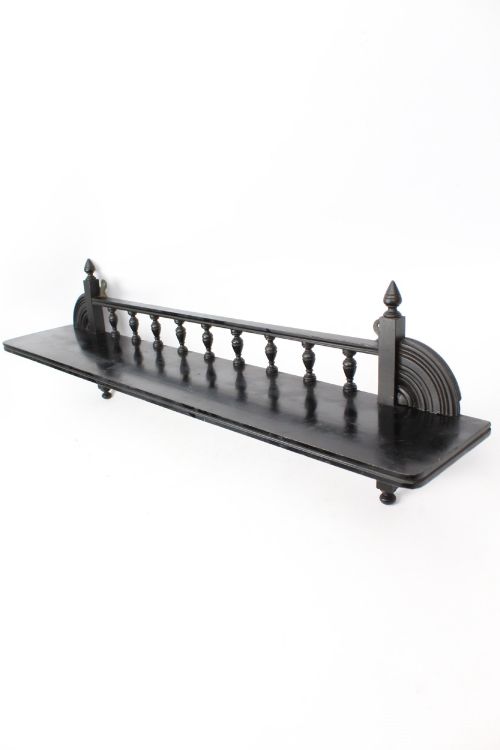
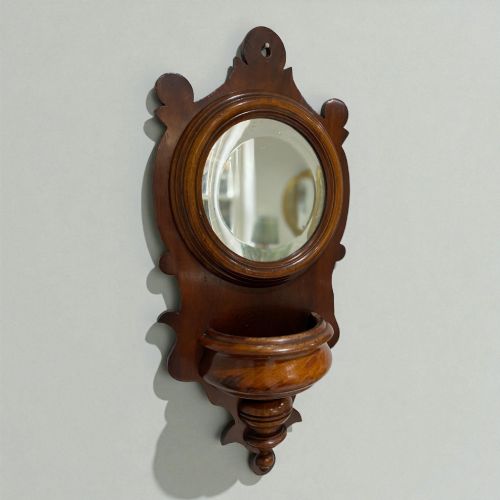
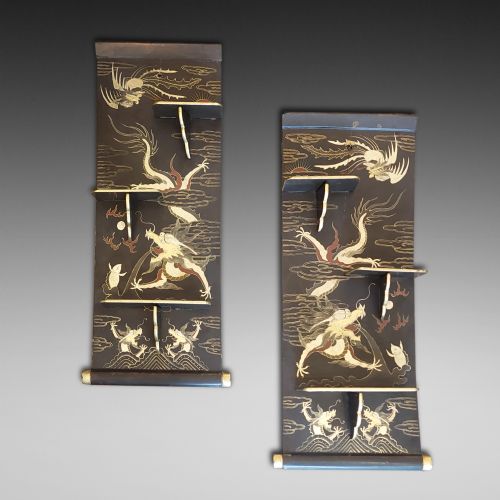
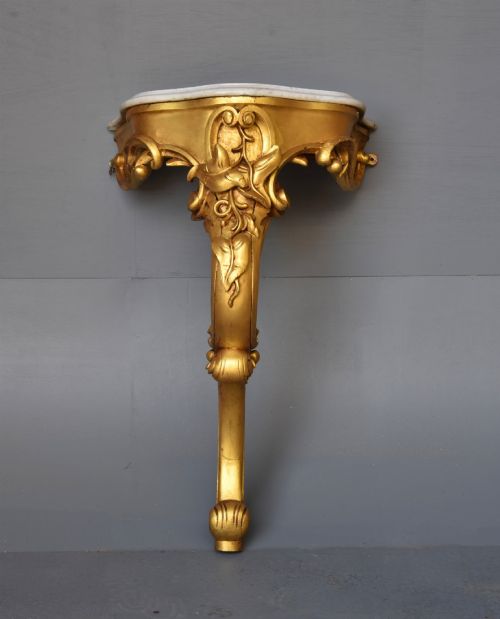
Antique wall bracket shelves encompass a variety of projecting supports, corner units, and hanging ledges designed to project from vertical surfaces. Buyers searching this phrase encounter carved wooden consoles, gilded display ledges, and architectural corbels dating from the eighteenth century through to the early twentieth century.
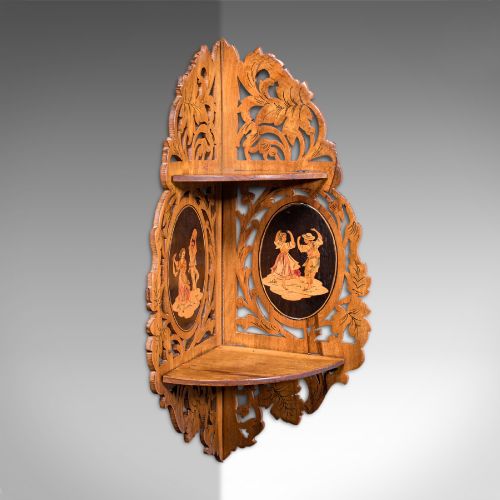
The Victorian period contributes heavily to the selection, appearing alongside Georgian examples and continental styles such as Rococo Revival and Baroque Revival. Pieces frequently take the form of paired consoles, corner shelves, or hanging cabinets tailored for display.
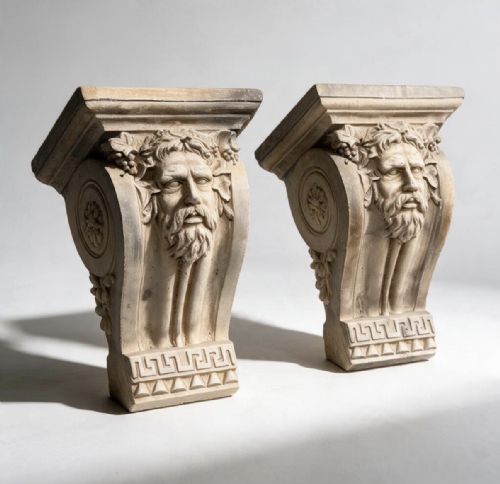
Origins span British workshops, Italian ateliers, and French cabinet makers, utilising timber, terracotta, and porcelain to achieve sculptural forms.
Materials and technique
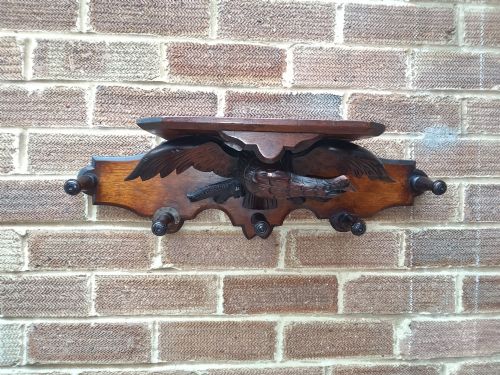
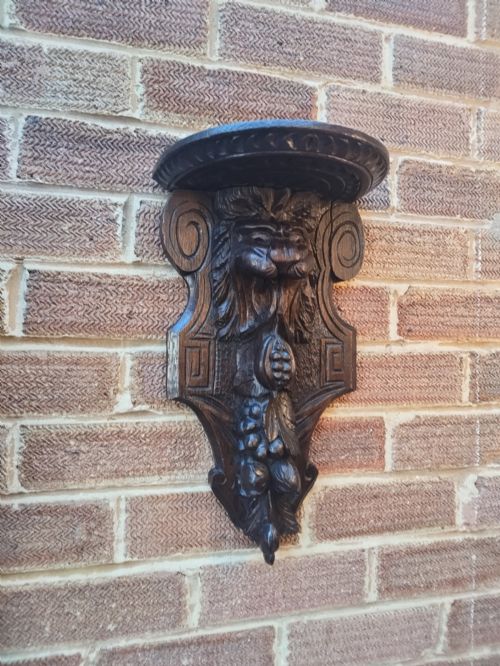
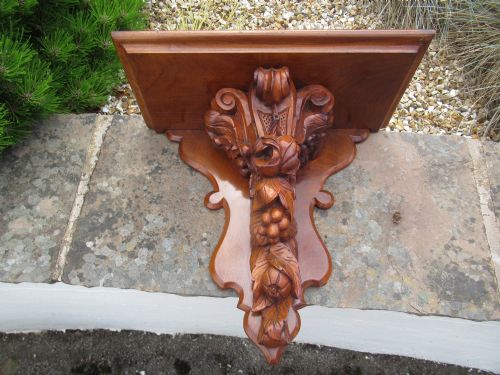
Wood forms the primary structural base for many items, with mahogany, walnut, oak, and pine shaped through hand carving and joinery. Carvers utilised gesso layers to prepare wooden surfaces for subsequent gilding with gold leaf.
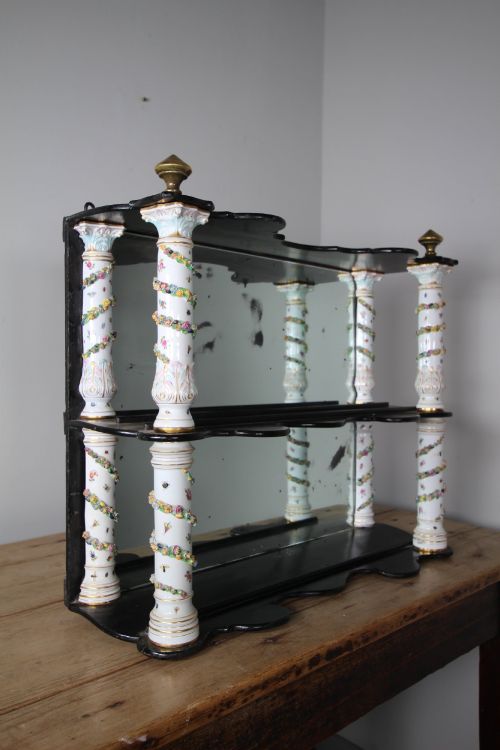
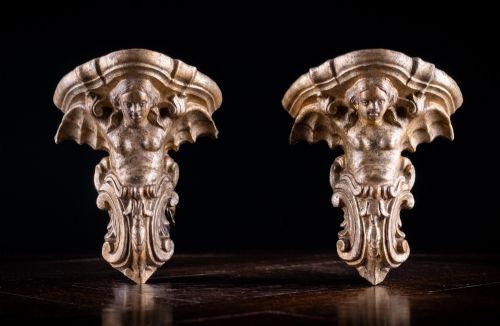
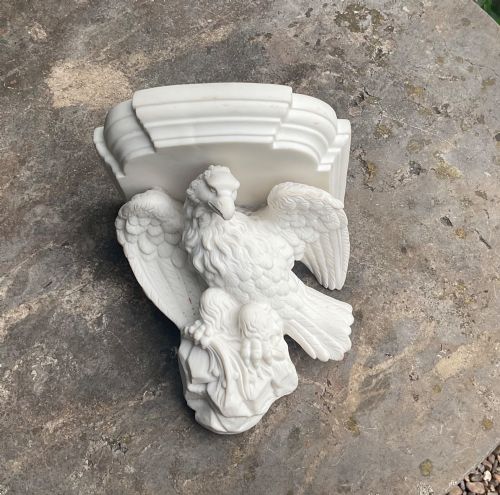
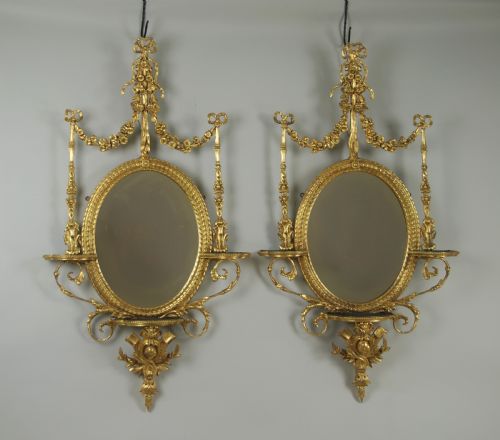
Ceramic and terracotta pieces rely on moulding and casting techniques, seen in terracotta winged figures, majolica finishes, and Parian porcelain compositions. Brass elements, cast iron brackets, and bevel-cut glass mirror plates supplement the primary wooden and ceramic bodies.
Antique Wall Bracket Shelves Retail Price Guide 2026
Typical asking prices for wall bracket shelves among the pieces listed under this phrase on Sellingantiques today, from the lower quarter to the upper quarter. They describe what is for sale here now, not the wider market.
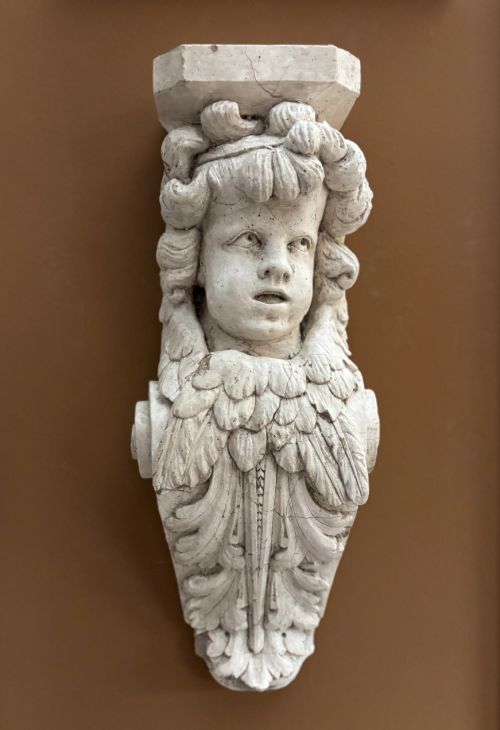
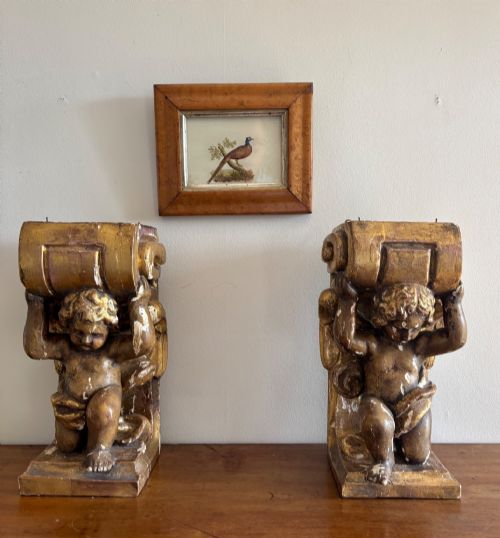
Terracotta sirens and mischievous cherubs peer down from eighteenth and nineteenth century ledges.
Craftsmanship and design
Quality rests in the crispness and depth of the hand carving, where skilled depth gives figures and foliage a lifelike three-dimensional presence. Finer examples display meticulous attention to anatomical proportion in cherubs and figures, alongside precise joinery in hanging shelves.
The application of surface finishes distinguishes exceptional pieces, visible in the burnishing of giltwood, the smooth integration of gesso, and the deliberate restraint of period paint finishes. Original labels, documented provenances, and matching pairs elevate the standing of individual brackets.
Strahan of Dublin·Minton·Luigi Frullini·Connell of London
The Antique Wall Bracket Shelves Glossary
- Bracket
- A structural or decorative projection from a wall designed to carry weight or support a shelf. These supports frequently feature elaborate carving.
- Corbel
- A solid piece of stone, wood, or metal projecting from a wall to prop up a weight. In decorative contexts, they mirror the function of wall brackets.
- Gesso
- A plaster mixture applied to wood or canvas as a base for paint or gilding. It allows for sharp moulded or carved detail before finishing.
- Giltwood
- Wood that has been coated with gold leaf or gold paint. This finish creates a reflective surface favoured in Rococo and Baroque interiors.
- Majolica
- Tin-glazed earthenware produced with brightly coloured lead glazes. Minton produced notable examples in the nineteenth century.
Antique Wall Bracket Shelves: Frequently Asked Questions
How do I hang a heavy antique wall bracket?
Check the weight distribution and mounting points on the back of the timber or iron structure. Secure heavy pieces directly into wall studs using appropriate fixings.
Consult a professional installer if the bracket lacks integrated mounting loops or if the wall substrate requires specialised anchors.
What were antique wall brackets used for?
Original interiors utilised these ledges to display clocks, porcelain figures, urns, and portrait busts. They raised decorative objects to eye level and filled awkward corner spaces.
Today, they serve a similar function for holding small collections, trailing plants, or decorative ceramics.
How do I clean giltwood and carved brackets?
Dust surfaces gently with a soft, dry brush to prevent abrasive particles from damaging the delicate gold leaf or gesso layers. Avoid commercial chemical cleaners or excess moisture entirely.
Moisture can strip water-gilt finishes and cause unsealed timber to swell or crack over time.
How can I tell a Victorian bracket from a Georgian one?
Georgian pieces often display heavier timber construction in mahogany or walnut with restrained classical proportions. Victorian items frequently embrace revivalist exuberance, utilising machine-assisted elements, gesso enrichment, and diverse materials like terracotta.
Examination of tool marks, timber shrinkage, and backplate construction helps determine the manufacturing era.