
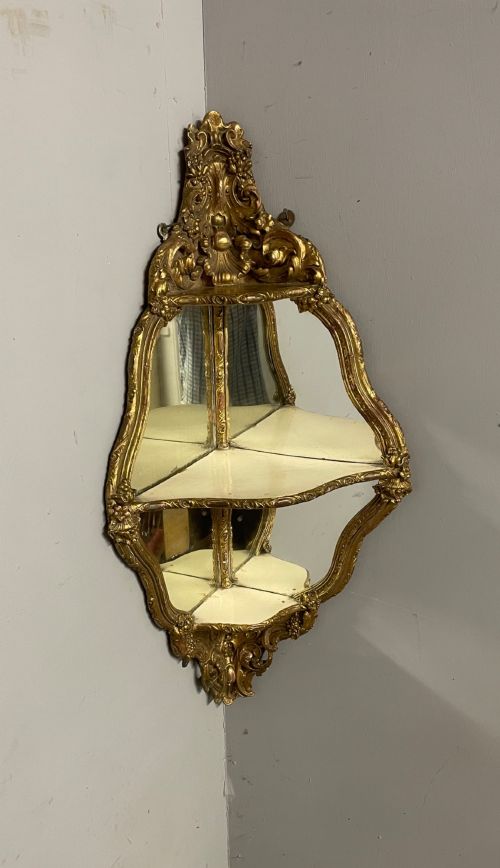
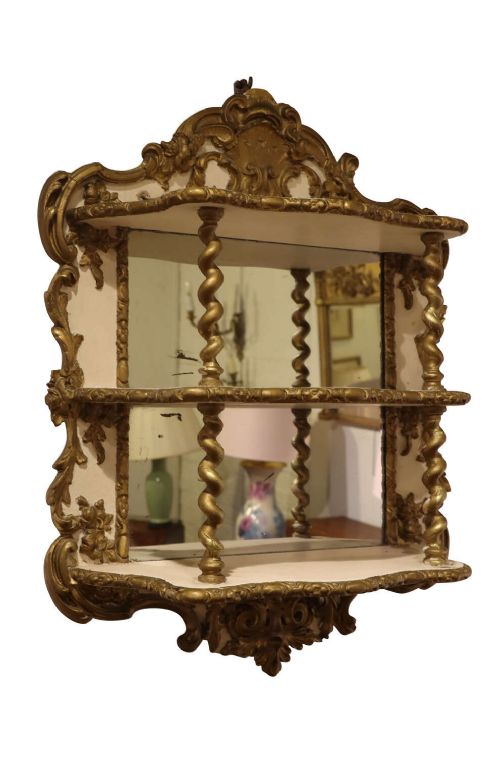
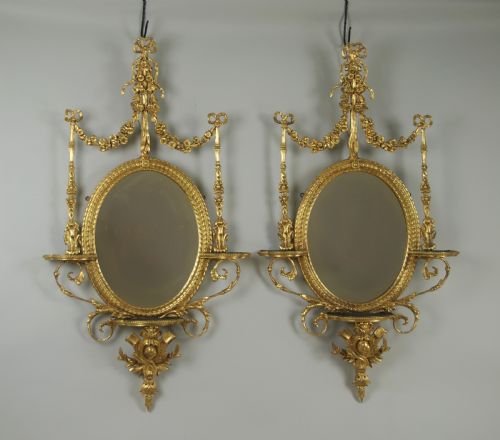
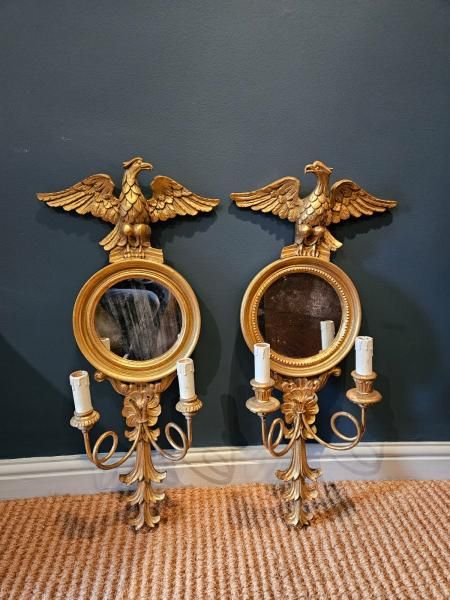


Antique Wall Bracket Mirror
An antique wall bracket mirror combines reflective glass with integrated display architecture, offering both illumination and a surface for small ornaments.
Antique Wall Bracket Mirror
When you search for an antique wall bracket mirror, you encounter a hybrid form that unites reflective glass with a shelf, bracket, or console surface.
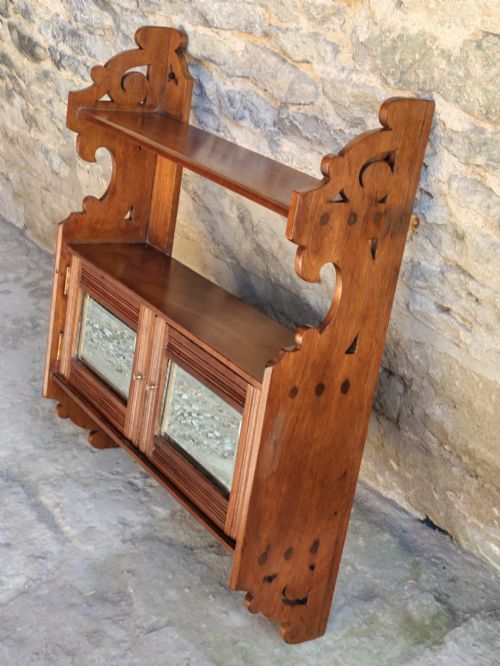
The selections span the nineteenth century into the early twentieth century, taking the shape of girandoles, overmantels, pier mirrors, and hanging cabinets.
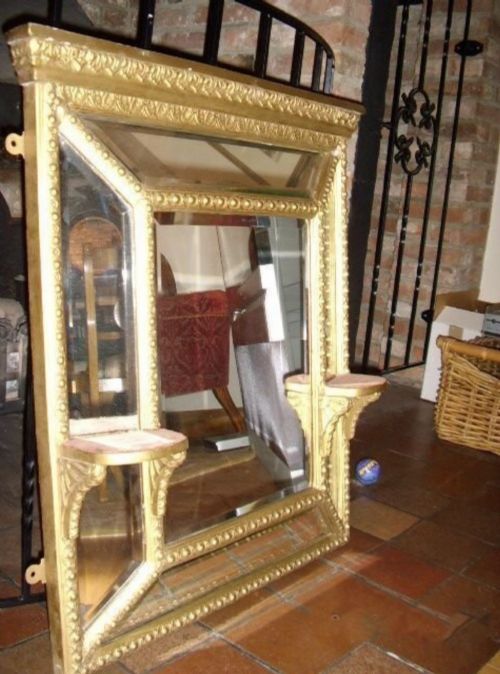
Victorian examples dominate the selection, often rendered in giltwood and gesso with integrated display brackets for small ornaments.
How they were made
Craftsmen shaped these pieces using foundational timbers such as walnut, mahogany, oak, pine, and yew wood, which provided sturdy structural frames for the reflective glass.
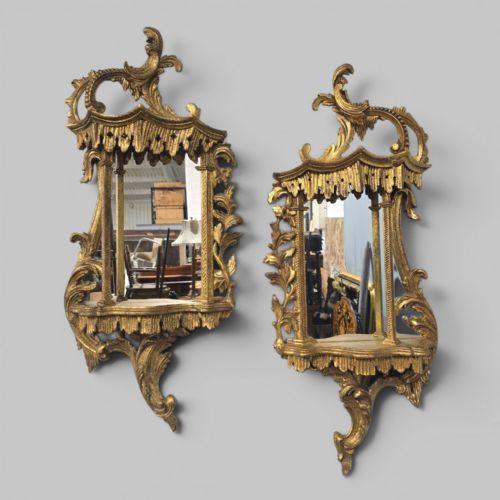
Surface ornamentation relied heavily on carved giltwood and applied gesso, creating intricate Neoclassical, Rococo Revival, and French Chateau motifs around the mirror plates.
Glass was cut, bevelled, and set into panels or paired with metal arms, brass fittings, and painted details to complete the hybrid furniture and mirror form.
Listings feature walnut, mahogany, oak, pine, and yew wood alongside giltwood and gesso finishes across the nineteenth and early twentieth centuries.
What varies in quality
The depth and crispness of the carved details separate standard production from finer work, particularly where gesso and giltwood articulate floral or architectural elements.
The integrity of the timber frame and the clarity of the original mirror glass indicate the standard of construction and the care taken in the workshop.
Coherence of design between the mirror plate and the attached bracket or shelf distinguishes the more successful compositions from simpler utilitarian hybrids.
Strahan of Dublin
The Antique Wall Bracket Mirror Glossary
- Giltwood
- Wood that has been coated with gold leaf or a gold-coloured finish. This material is frequently found on nineteenth-century frames and brackets.
- Gesso
- A plaster-like material applied to wooden frames and carved before gilding. It allows for intricate surface ornament and relief decoration.
- Girandole
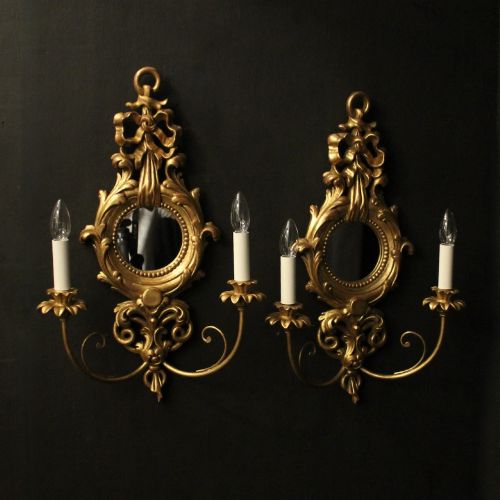
- A branched wall-bracket or sconce equipped with a mirror to reflect the candlelight. These fixtures combine illumination with reflective glass.
- Pier Mirror
- A tall mirror designed to hang on the wall space between windows. They are often paired with console tables or lower bracket shelves.
- Overmantel Mirror
- A large mirror designed to sit directly above a fireplace mantel. These pieces frequently incorporate gilded brackets or decorative ledges.
Antique Wall Bracket Mirror: Frequently Asked Questions
Where should I hang a bracket mirror?
These pieces suit entrance halls, drawing rooms, or above mantelpieces where the integrated shelf holds small decorative objects.
Ensure the wall construction supports the combined weight of the timber, glass, and bracket structure.
How do I care for giltwood frames?
Dust the carved surfaces gently with a dry, soft brush to protect the delicate gesso and gold leaf.
Avoid liquid cleaners and moisture, which can damage the historic gilding.
Are the mirror plates original?
Many pieces retain their period glass, which may show light foxing or age spots consistent with historical use.
Original bevel cuts and silvering characteristics help indicate the period of manufacture.
How do I distinguish Victorian from Edwardian pieces?
Victorian examples often feature heavier Rococo or Neoclassical giltwood carving and elaborate crests.
Later pieces from the Edwardian era frequently utilise simpler inlaid woods or understated oak and walnut frames.