


Antique Walking Weapon
An antique walking weapon combines the daily support of a cane with a concealed blade or club, offering a discreet personal defence for the nineteenth and early twentieth-century gentleman.
Antique Walking Weapon
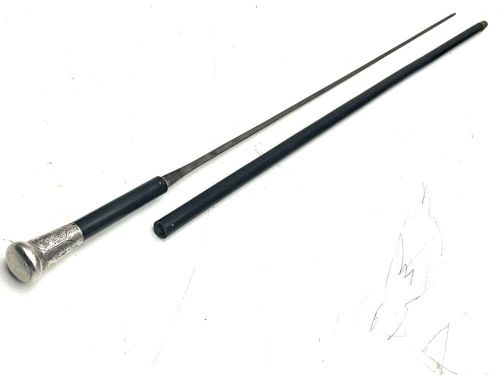
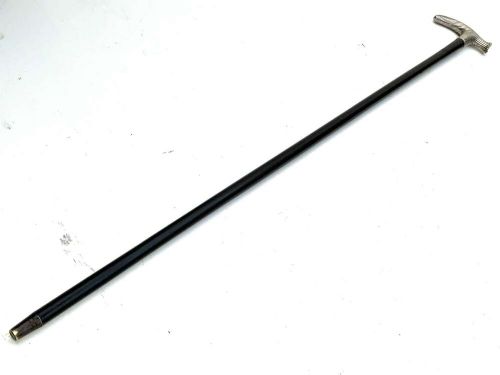
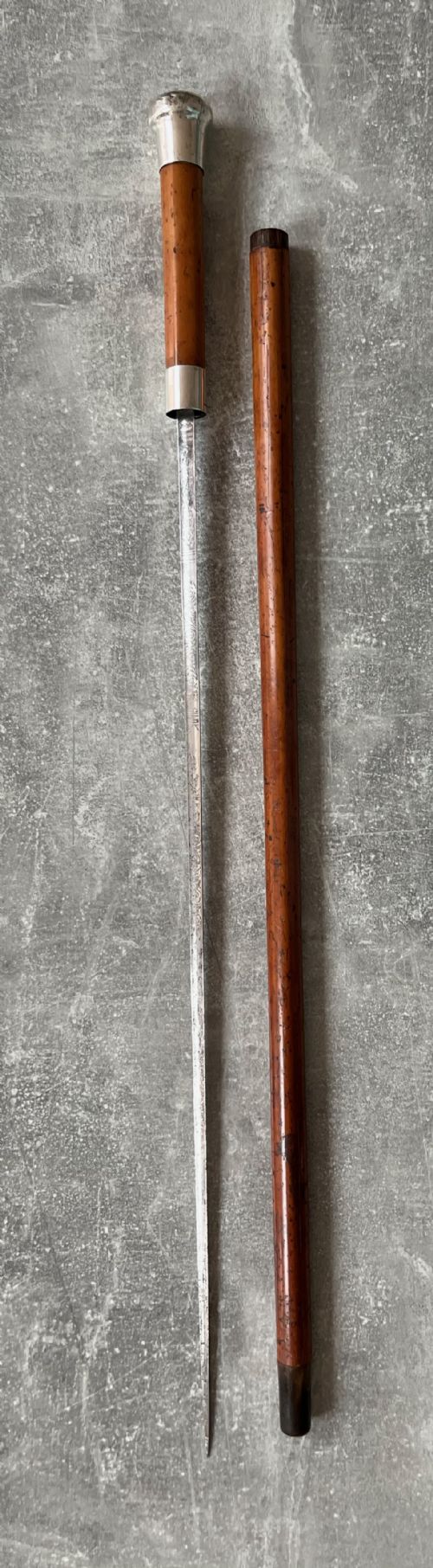
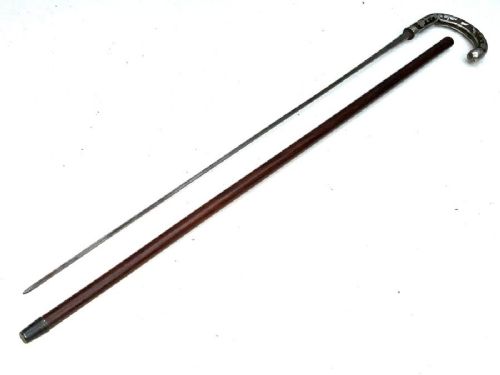
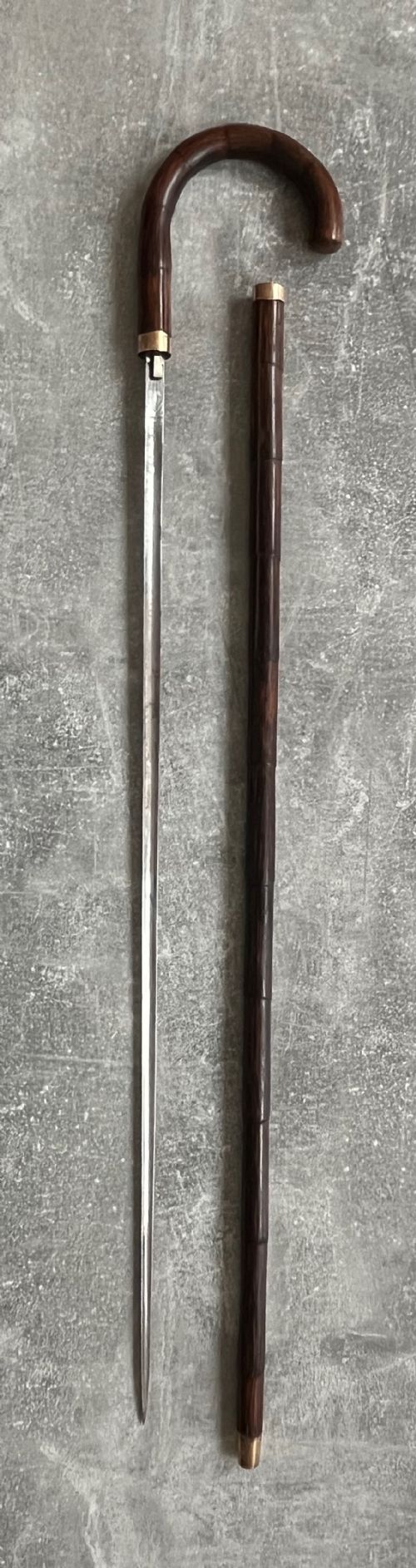
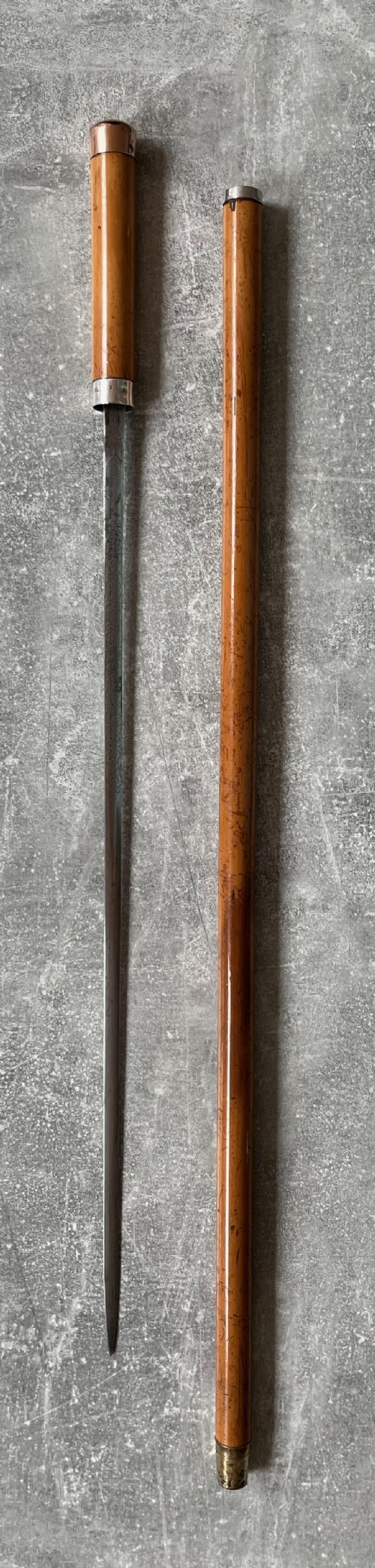
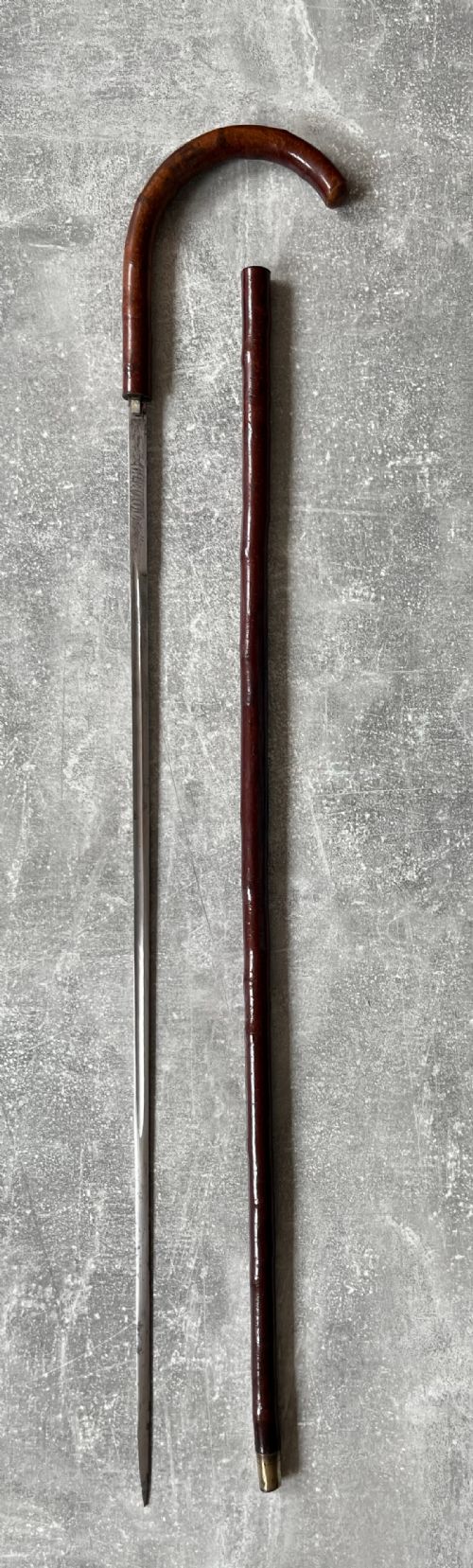
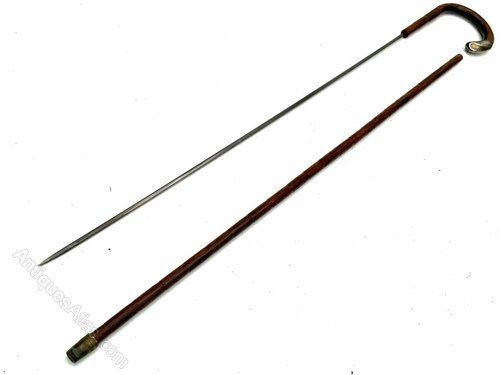
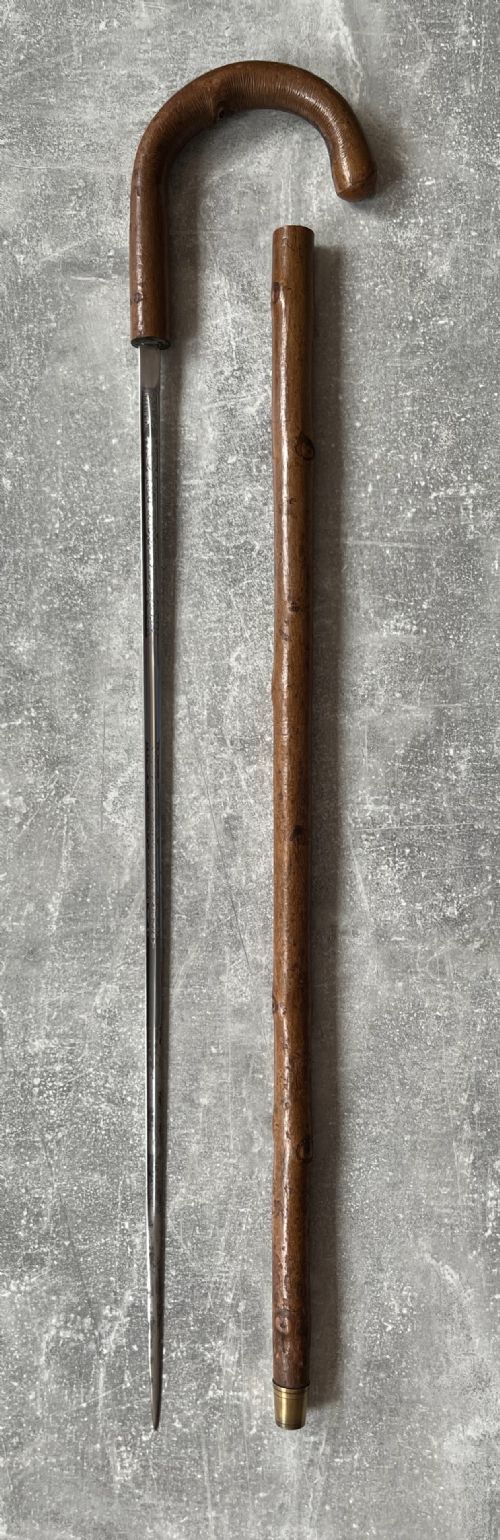
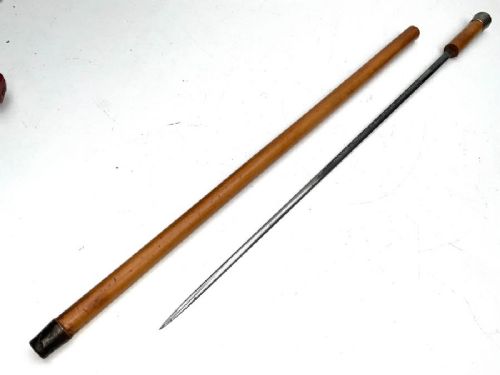
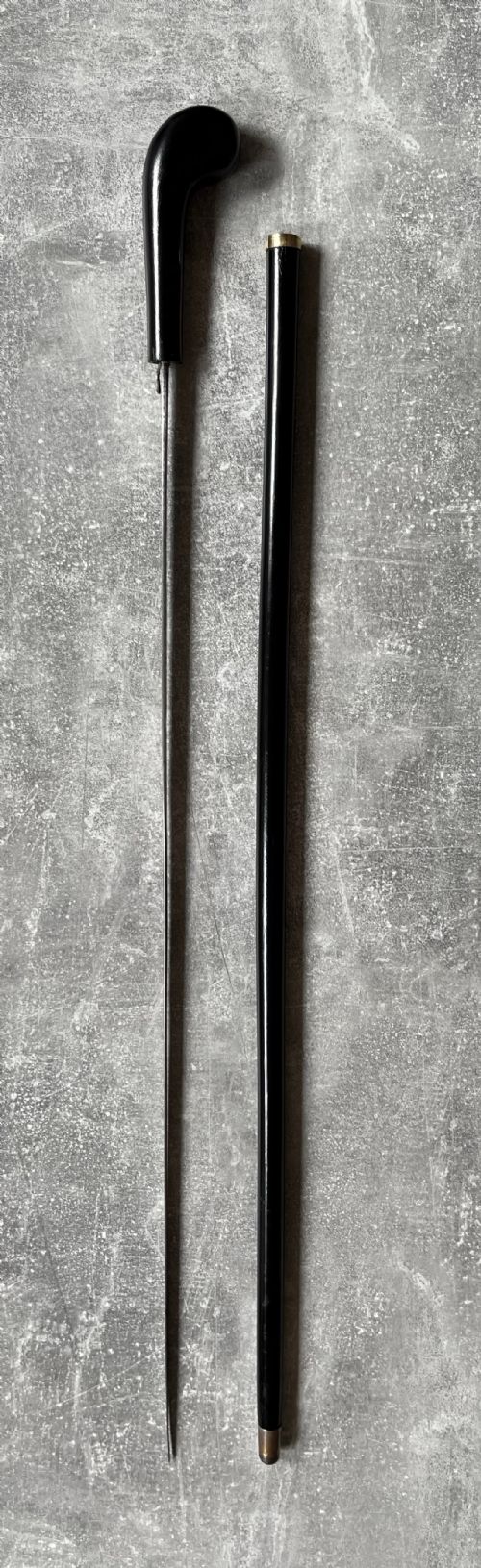
When you search for an antique walking weapon, you encounter pieces designed to pass as ordinary civilian walking sticks while concealing a functional steel blade or heavy striking head. These items bridge the gap between everyday gentlemanly attire and concealed personal protection during the Victorian, Edwardian, and early twentieth-century periods.
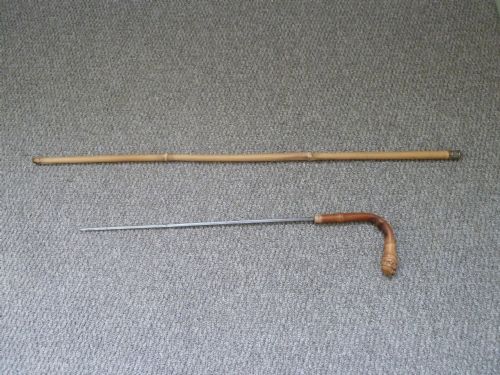
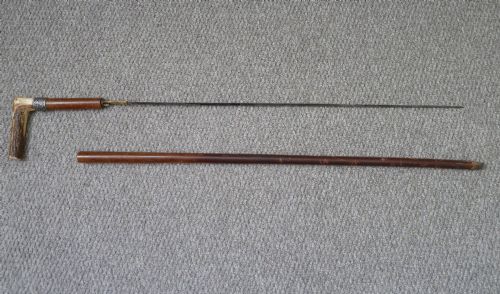
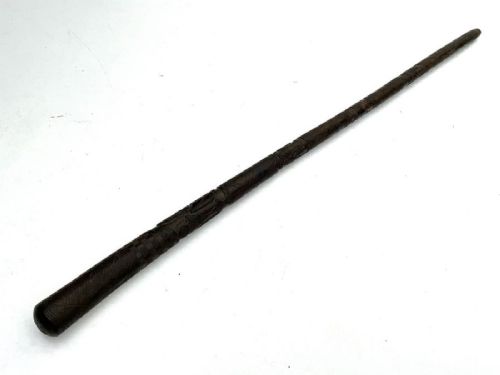
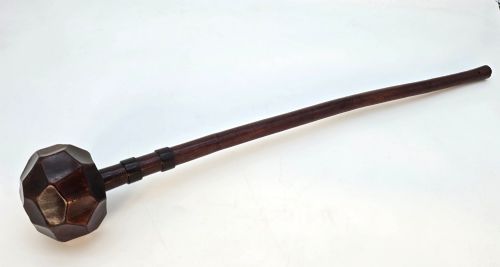
The most common version on this page is the sword stick, which houses a concealed blade inside a wooden shaft secured by a button release or screw mechanism. You will also find traditional throwing clubs such as the Zulu knobkerrie and specialised wooden bokken sticks.
The material form often mimics standard walking canes and sticks, utilising natural woods like malacca, bamboo, hazel, partridge wood, holly, and chestnut alongside ebonised finishes. Handles vary widely from simple crook shapes and root balls to horn, antler, and porcelain mounts.
Materials and construction
Makers constructed the shafts of an antique walking weapon from durable timbers such as malacca cane, bamboo, and ebonised wood, occasionally covering the exterior in leather or snakeskin. These shafts served as tight scabbards designed to protect the internal steel blade and maintain rigid support under hand pressure.
Blades were forged from steel, frequently sourced from renowned centres like Toledo or produced by makers such as Wilkinson, and secured with brass or silver collars, mounts, and knops. Handles were fashioned from animal horn, antler, porcelain, and carved root wood, then fitted firmly to the shaft with button releases or friction catches.
Antique Walking Weapon Retail Price Guide 2026
Typical asking prices for walking weapon among the pieces listed under this phrase on Sellingantiques today, from the lower quarter to the upper quarter. They describe what is for sale here now, not the wider market.
Assessing quality in concealed weapons
Quality in an antique walking weapon rests upon the precision of the join between the handle and the shaft, where inferior examples develop looseness over time. A superior piece exhibits a seamless closure that conceals the weapon entirely until the release mechanism is engaged.
The distinction between ordinary and exceptional items also lies in the origin and finish of the blade, with signed Toledo or Wilkinson steel blades representing superior craftsmanship compared to unmarked metal. Furthermore, the mountings - ranging from plain metal collars to detailed silver and gold work - reflect the original status and investment of the piece.
BRIGG·KASHI JAPANESE MASTERS·MASON
The Antique Walking Weapon Glossary
- Wilkinson blade
- A steel blade produced by the renowned British sword-making firm, often found stamped near the hilt of finer nineteenth-century examples. These blades indicate a high standard of military-grade steel production.
- Toledo blade
- A steel blade forged in the Spanish city historically famous for weapon manufacture, frequently etched with decorative patterns. They signify continental craftsmanship within British and French walking sticks.
- Malacca cane
- A mottled, stout rattan timber imported from Southeast Asia and prized for its resilience and flexibility. It served as a favoured material for high-grade walking stick shafts.
- Knobkerrie
- A traditional southern African wooden throwing club featuring a heavy spherical head. These ethnographic items function as striking weapons distinct from concealed sword sticks.
- Bokken
- A wooden Japanese weapon shaped like a traditional sword for training purposes. They appear in specific cultural styles alongside European walking sticks.
Antique Walking Weapon: Frequently Asked Questions
How do you open a sword stick?
Most sword sticks utilise a discreet button release mechanism or a screw thread near the collar that locks the blade inside the wooden shaft. Pressing the button or twisting the handle breaks the friction seal and allows the blade to be drawn smoothly from its scabbard.
Owners should handle the mechanism with care to preserve the original fit of the wood and metal components over time.
What woods were used for shafts?
Makers selected dense and resilient timbers such as malacca cane, bamboo, hazel, chestnut, holly, and partridge wood to withstand the stresses of daily walking support. Ebonised wood and leather-covered shafts also appear frequently among Victorian examples.
These materials provided the necessary rigidity to protect the internal steel blade while offering the appearance of a standard gentleman's cane.
How can you tell the period?
Dating relies on the stylistic markers of the handle materials, hallmarks on silver collars, and the manufacturing origin of the steel blade. Victorian and Edwardian pieces often feature distinctive silver mounts with London date letters alongside characteristic horn or carved root handles.
Examining the construction methods and the specific etchings on the blade helps narrow the decade of manufacture between the mid-nineteenth and early twentieth centuries.
Were these used by military officers?
Military officers frequently carried custom walking weapons during the nineteenth and early twentieth centuries as part of their off-duty attire or field equipment. These pieces often featured robust steel blades and utilitarian mounts suited to active service.
Such items served a practical dual purpose for gentlemen who required both walking assistance and personal defence in unfamiliar areas.