





Antique Waiter Tray
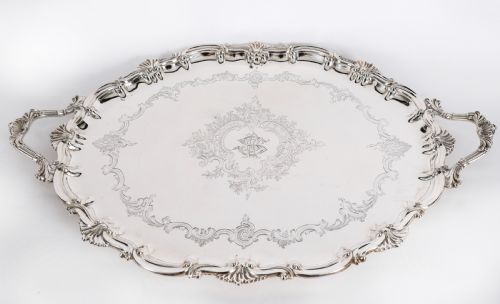
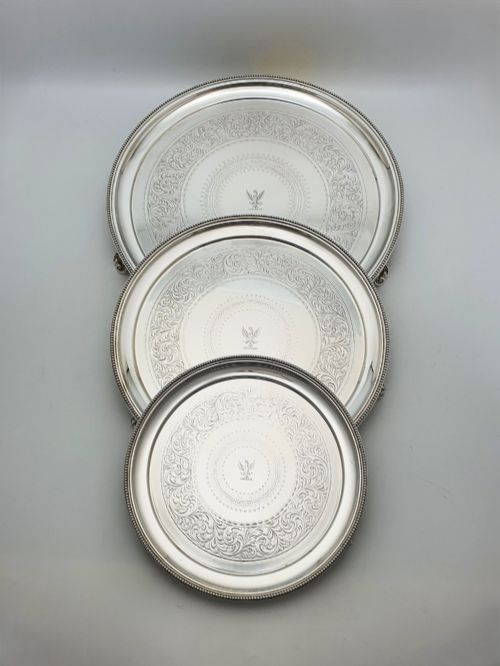
An antique waiter tray brings domestic history to the tabletop, offering polished silver plate, rich mahogany and chased borders designed for serving or display.
Antique Waiter Tray
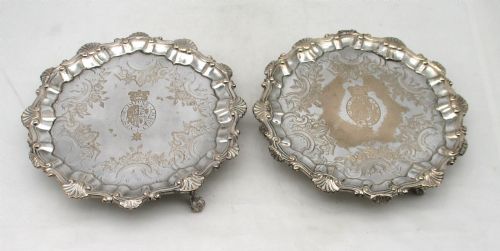
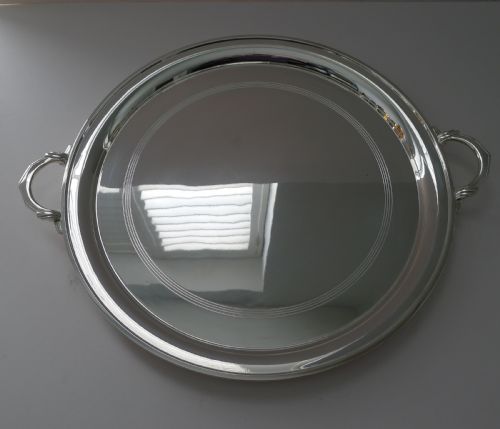
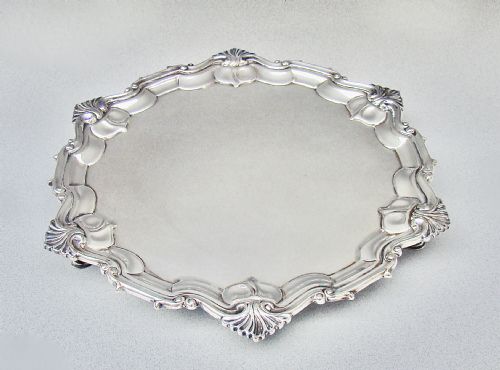
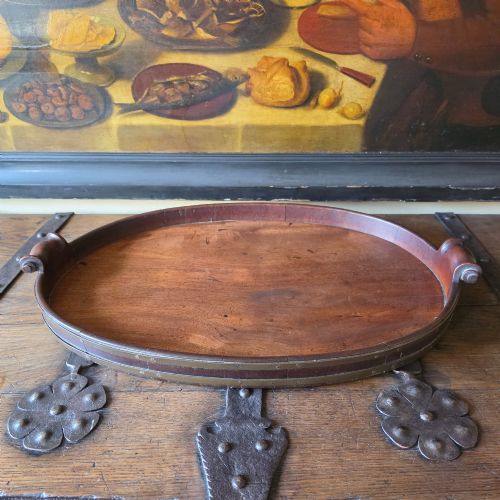
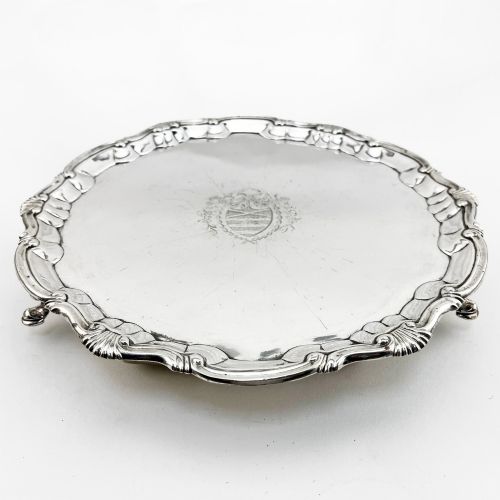
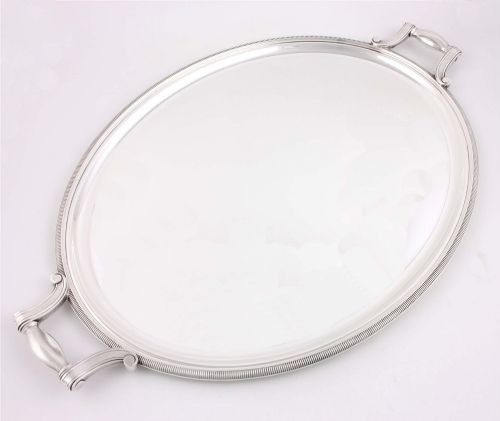
When searching for an antique waiter tray, buyers encounter a diverse selection ranging from compact silver card trays and circular salvers to large serving platters and multi-tiered mahogany dumb waiters. The pieces span the 18th, 19th and 20th centuries, covering periods from Georgian and Victorian to Edwardian and Art Deco.
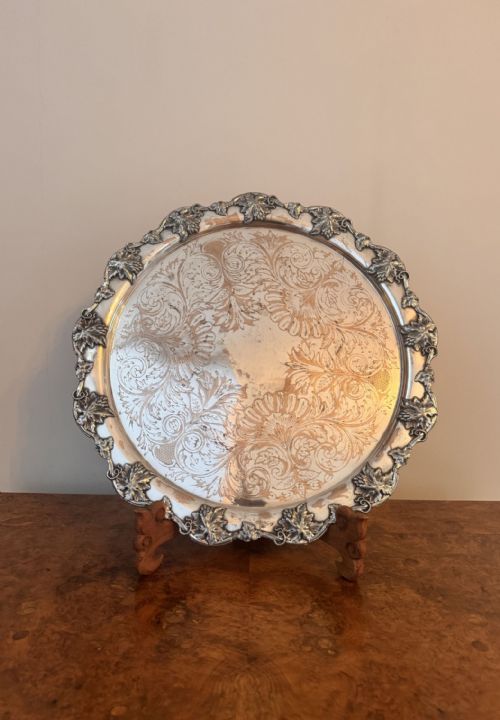
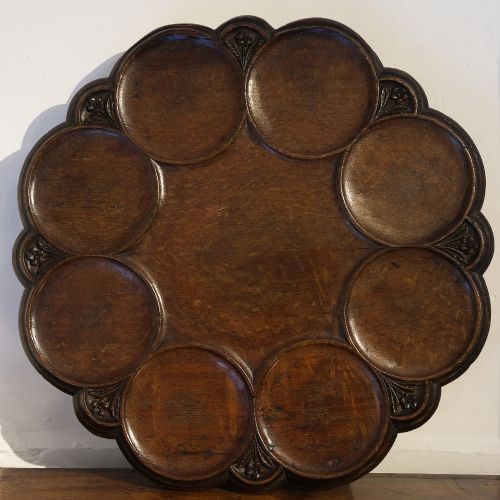
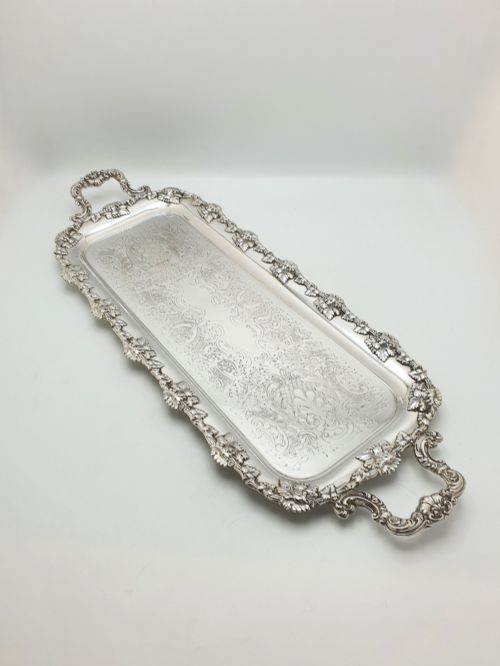
Silver plated metal and sterling silver dominate the offerings, often shaped with handles, grapevine borders or gallery rims. Alongside metal serving vessels, wooden forms such as mahogany wine trays, lazy susans and revolving dumb waiters appear frequently across the inventory.
How they were made
Makers utilised sterling silver and silver plate over base metal, copper or Old Sheffield Plate, shaping metal through casting, hammering and engraving. Wooden examples relied on mahogany and oak, featuring carved details, inlaid decoration and rotating mechanisms for tiered serving furniture.
Surface ornamentation involved intricate hand engraving, chased borders and applied decorative rims such as grapevines. Cabinetmakers constructed revolving dumb waiters and lazy susans with tripod bases and central pivots to ensure smooth rotation.
Materials range from sterling silver and Old Sheffield Plate to mahogany, brass and papier-mâché across multiple centuries.
What varies in quality
The distinction between standard pieces and top tier examples lies in the crispness of the chased or engraved decoration and the weight of the metal. Heavier sterling silver and thick silver plate retain their structural integrity and surface detail far better over centuries of use.
Design sophistication also dictates standing, with recognised makers, balanced proportions and superior timber figuring commanding attention. Pieces featuring gallery rails, cast borders or documented maker marks represent the upper tier of craftsmanship.
William Hutton & Sons·Thomas Bradbury & Sons·Elkington·Robert Pringle & Sons·Elizabeth Cooke·Magdalen Feline·Keith Murray For Mappin & Webb
The Antique Waiter Tray Glossary
- Salver
- A flat metal tray or dish, typically with raised feet or a decorative border, used for serving food and drinks or presenting cards.
- Card tray
- A small silver or plated tray historically used in hallways for visitors to leave calling cards.
- Dumb waiter
- A multi-tiered piece of freestanding furniture designed to hold food or tableware without the need for attending servants.
- Old Sheffield Plated
- An early fusion technique where a thin sheet of sterling silver was fused to a thicker copper core.
- Gallery tray
- A serving tray fitted with a pierced or solid upright metal gallery wall around the rim to secure items.
Antique Waiter Tray: Frequently Asked Questions
What is the difference between a waiter and a salver?
Historically, smaller silver trays resting on short feet were termed waiters, while larger versions were called salvers.
Over time, the terms became largely interchangeable in trade descriptions, though compact pieces often retain the waiter designation.
How were dumb waiters used in period homes?
These revolving tiered stands sat beside dining tables to hold extra dishes, wine bottles and silverware during meals.
They allowed diners to help themselves without servants listening to private conversations.
Are these trays suitable for daily use?
Solid silver and robust silver plated trays can be used for serving drinks or afternoon tea with proper care.
Careful hand washing and gentle storage prevent damage to antique silver plating and delicate wooden surfaces.
How do I identify Georgian silver trays?
Georgian sterling silver trays bear hallmarks that include the maker's mark, lion passant, city mark and date letter.
Stylistic cues such as Chippendale rims or plain circular plates also point to 18th-century manufacture.