
Antique Victorian Storage Credenza
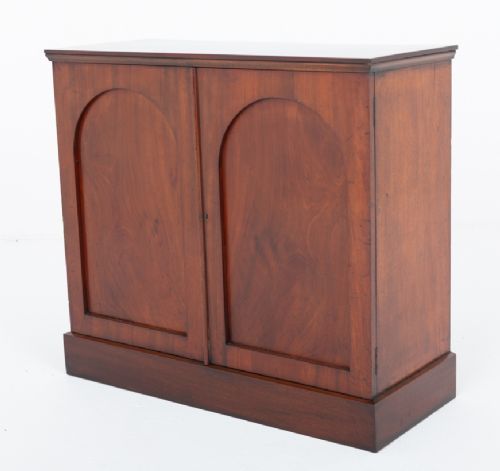
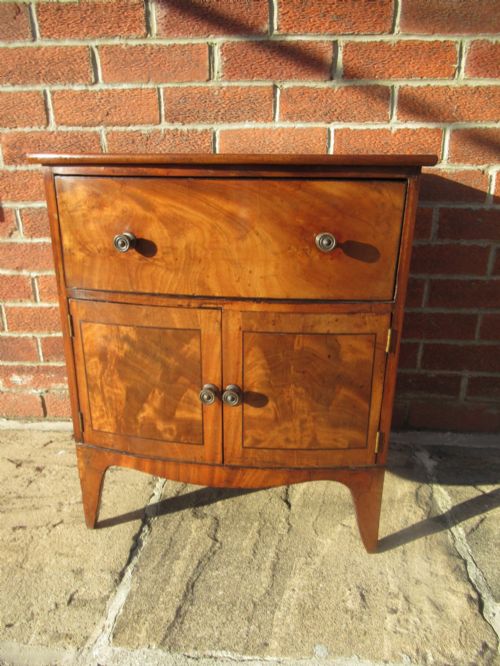
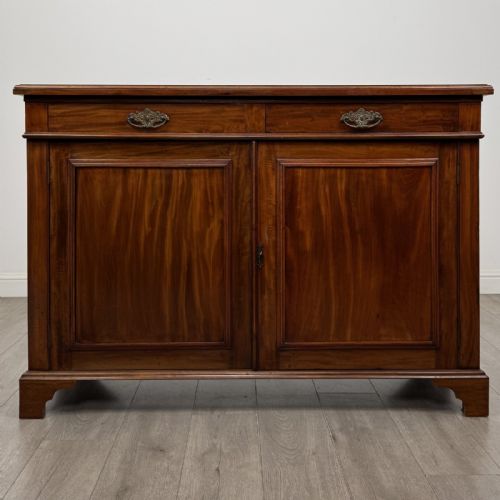
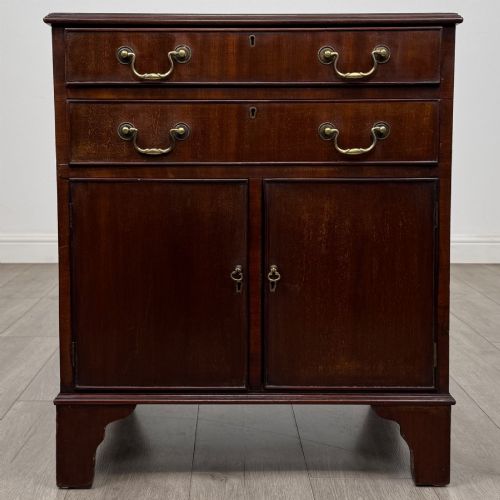
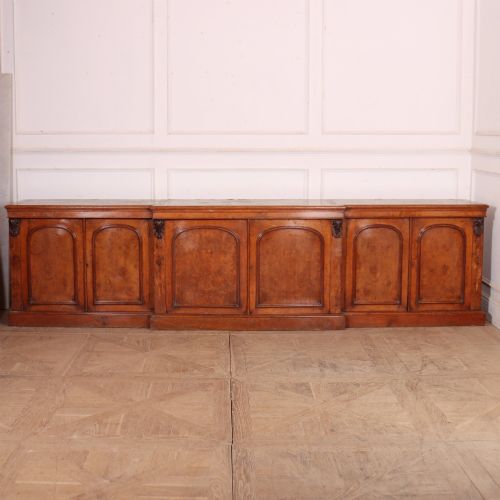
An antique victorian storage credenza provides substantial domestic storage through timber joinery, often detailed with burr walnut or rosewood veneers.
Antique Victorian Storage Credenza
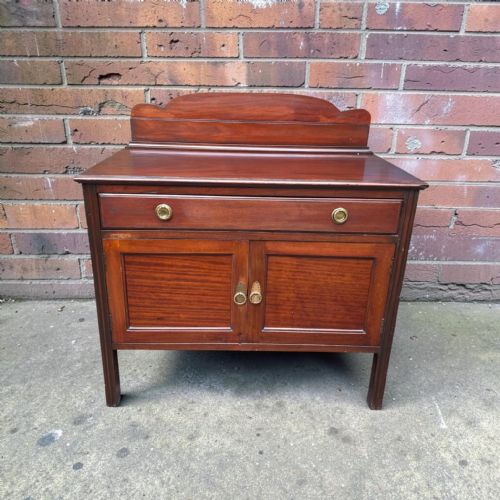
When searching for an antique victorian storage credenza, buyers examine low cabinets, sideboards, and chiffoniers originating from the nineteenth century. These forms served to display decorative objects whilst enclosing tableware, linens, or documents within fitted interior shelves.
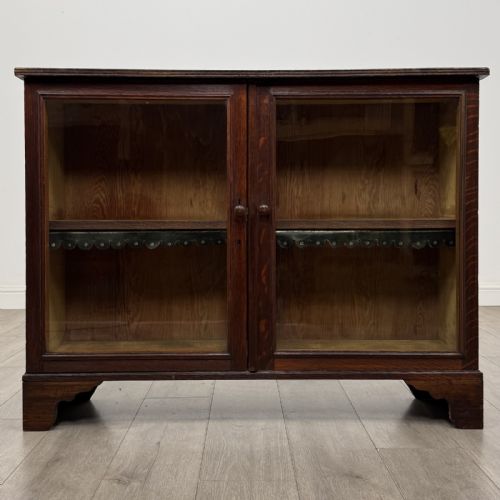
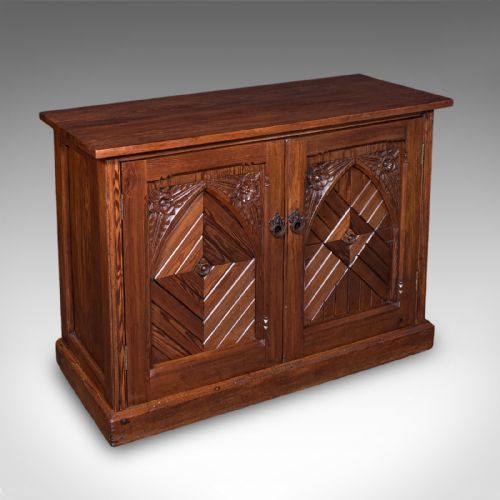
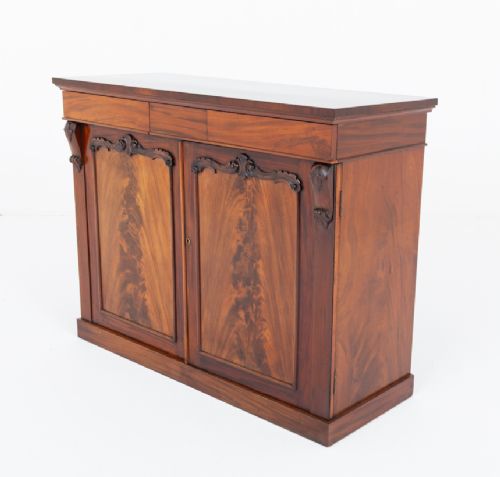
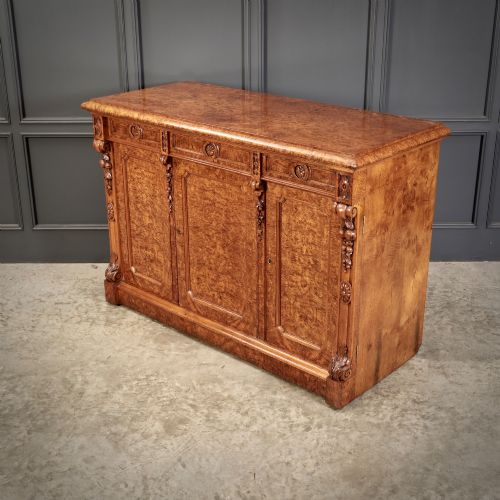
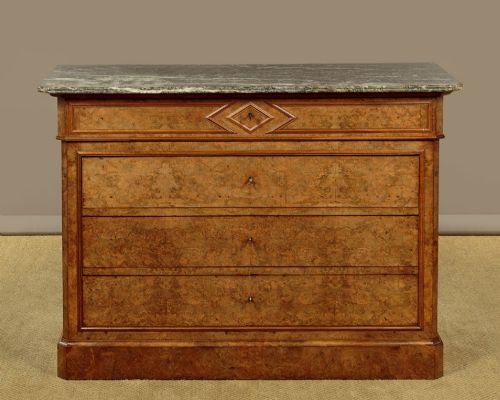
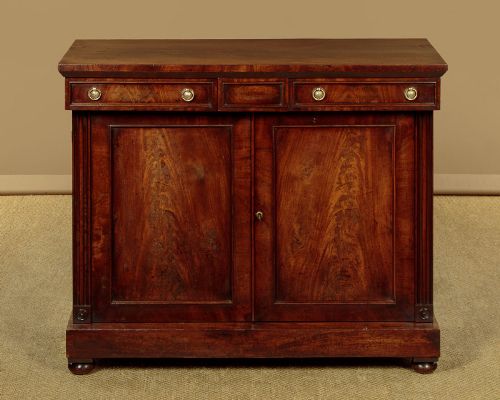
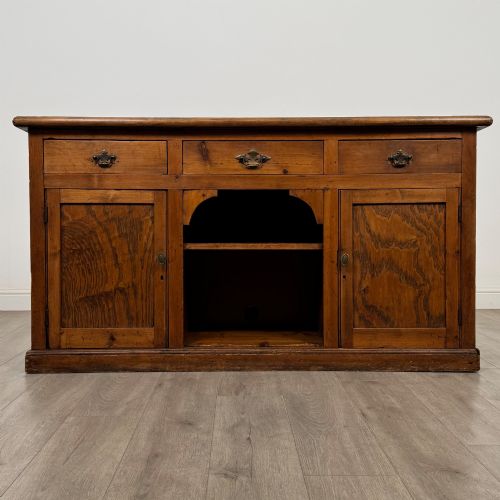
The versions most frequently met on this page include burr walnut credenzas adorned with marquetry, alongside robust oak or pine dresser bases and mahogany sideboards. Each type reflects the domestic priorities of its period, balancing display surfaces with enclosed storage volume.
How they were made
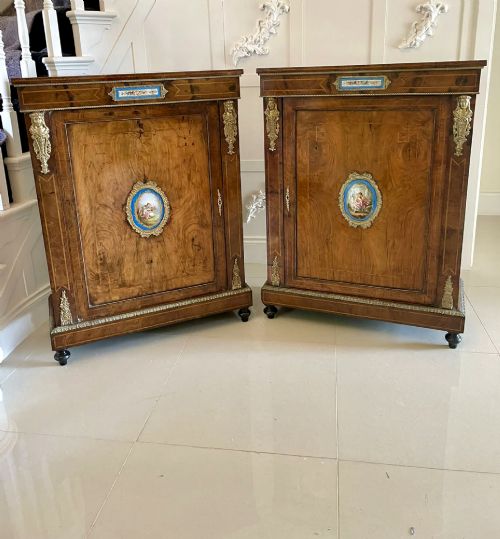
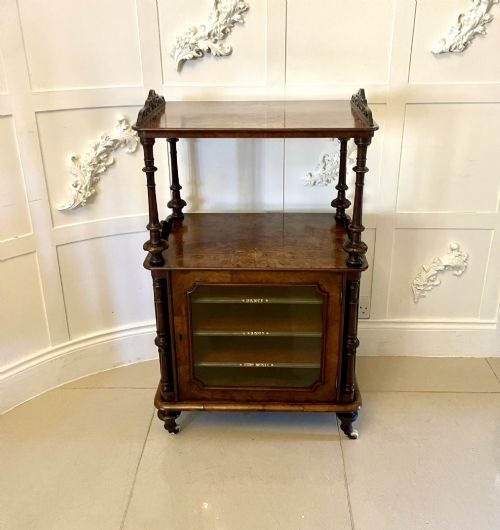
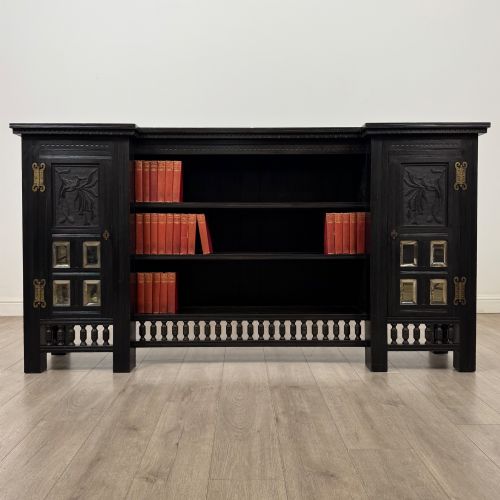
Cabinet makers utilised dense hardwoods such as mahogany, rosewood, and walnut, frequently applying figured burr veneers over stable secondary timbers to create patterned surfaces. Brass mounts, ormolu details, and glazed doors were integrated to punctuate the dark timber facades.
Joinery techniques relied on traditional hand-cut joints, whilst decorative flourishes involved intricate floral marquetry, carved Gothic elements, and serpentine shaping. Marble tops were also fitted to selected cabinets for a durable display surface.
Dog kennel dressers included a central arched void beneath the drawers, originally intended for housing domestic hounds.
What varies in quality
Quality diverges significantly in the selection of timber veneers and the precision of the underlying cabinet work. Superior examples demonstrate continuous grain matching across doors and panels, alongside refined execution in floral marquetry and ormolu mounts.
Construction integrity also separates standard utility furniture from high-status pieces, seen in the weight of the brass hardware, the smoothness of drawer operations, and the preservation of original internal shelving and locks.
Shoolbred & Co.·Maison Gagneau
The Antique Victorian Storage Credenza Glossary
- Credenza
- A low cabinet or sideboard designed for storage and display, often associated with Victorian reception rooms. These pieces typically feature central cupboards flanked by curved glass doors.
- Marquetry
- Decorative inlay work using various coloured wood veneers to form pictorial or floral patterns. Artisans meticulously cut these thin timber sections to fit flush within the primary surface.
- Ormolu
- Gilt bronze mounts applied to furniture for decorative enrichment. The technique involves treating bronze with an acid-gold amalgam before firing.
- Chiffonier
- A compact sideboard or low cupboard developed in the nineteenth century, usually fitted with a shelf on top. They frequently served dining rooms or parlours for serving tea and storing silver.
- Serpentine
- A furniture shape characterised by a wavy front line, curving convexly in the centre and concavely at the sides. This contour requires specialist carpentry to execute accurately.
Antique Victorian Storage Credenza: Frequently Asked Questions
Where were credenzas placed in Victorian homes?
These cabinets typically stood against principal dining room or drawing room walls where they functioned as serving surfaces and storage units.
Their low profile ensured they did not obstruct paintings or wall hangings whilst offering substantial interior capacity for household goods.
What maintenance do walnut veneers require?
Polishing with traditional wax preserves the moisture content and natural sheen of the timber without building up synthetic residues.
Direct sunlight should be avoided to prevent the burr walnut and marquetry panels from fading or drying out over time.
Are pine pieces from the same period as walnut ones?
Pine furniture was constructed throughout the Victorian era alongside luxury hardwoods, serving utilitarian roles in kitchens and pantries.
While walnut pieces furnished formal reception rooms, pine versions provided durable, practical storage for domestic service areas.