


Antique Venice Art
Antique venice art brings the luminous canals and historic palazzos of the lagoon into your home through period paintings and watercolours.
Antique Venice Art
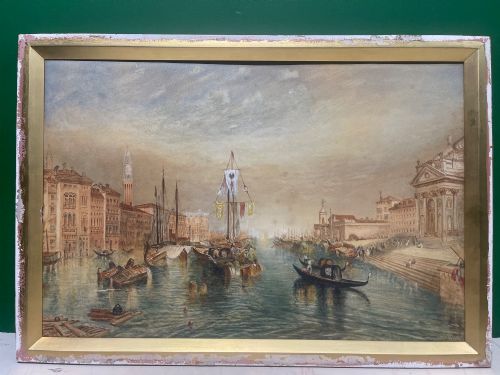
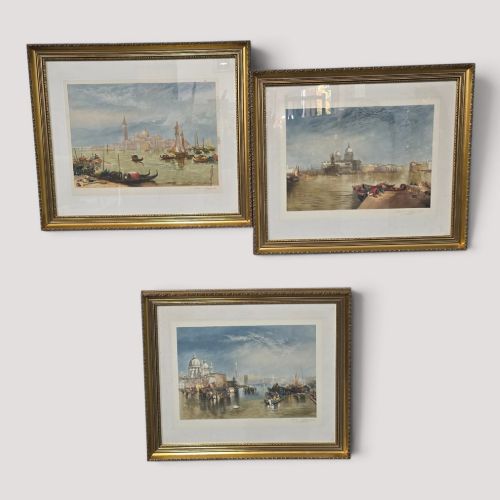
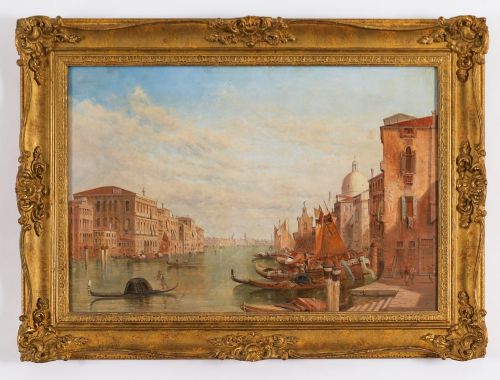
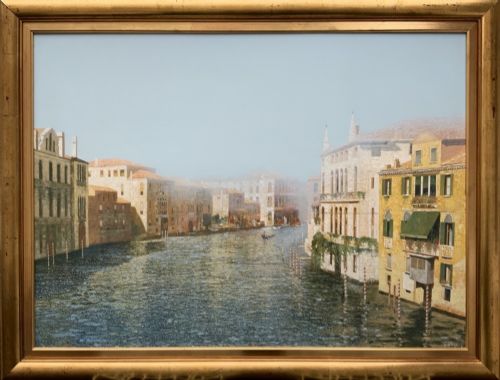
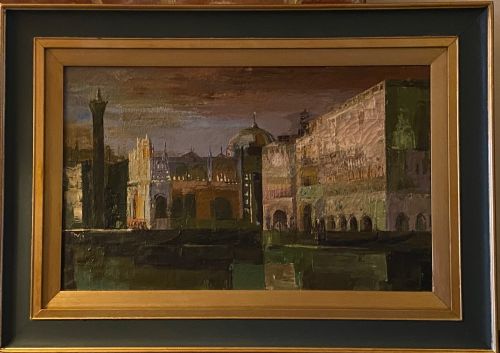
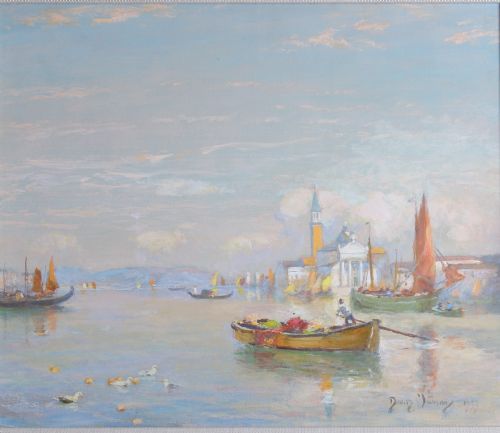
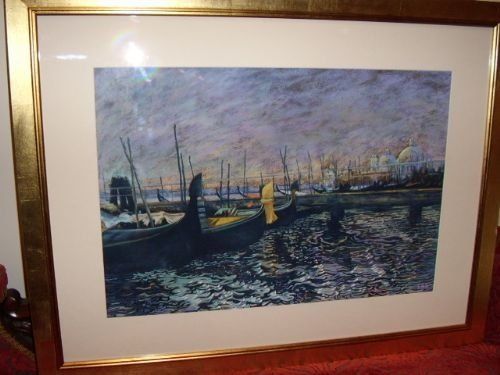
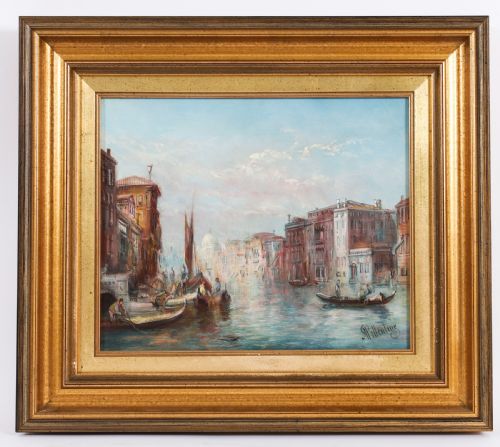
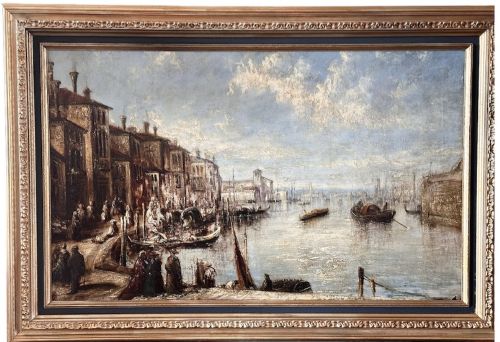
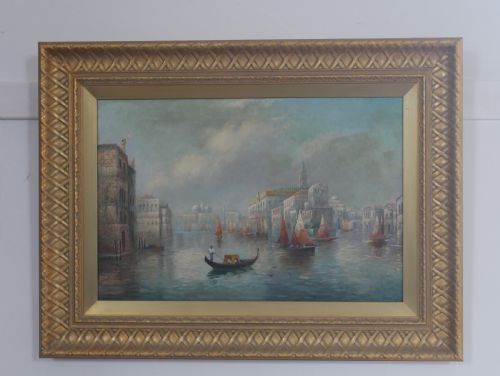
Antique venice art comprises paintings and watercolours depicting the Grand Canal, gondolas, and Venetian townscapes produced across the nineteenth and early twentieth centuries. These works capture the distinctive light and architecture of the lagoon through the eyes of British, French, and Italian artists.
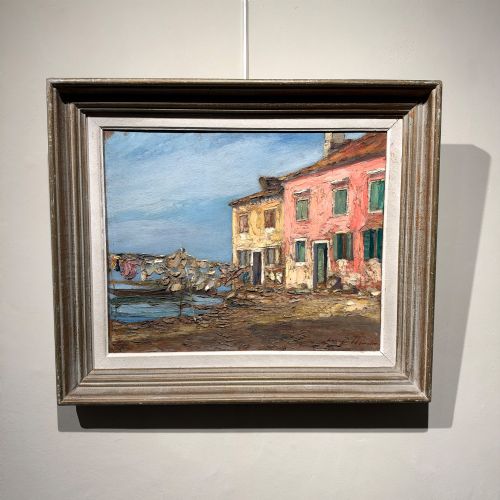
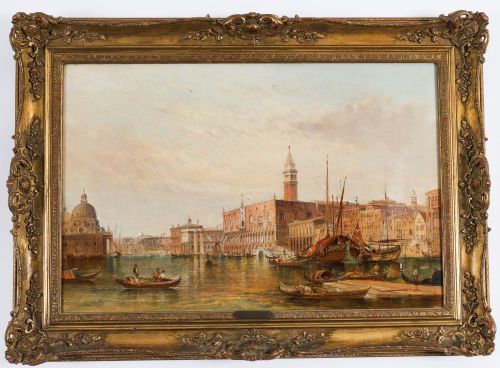
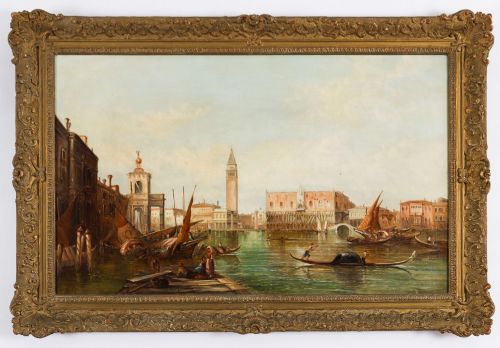
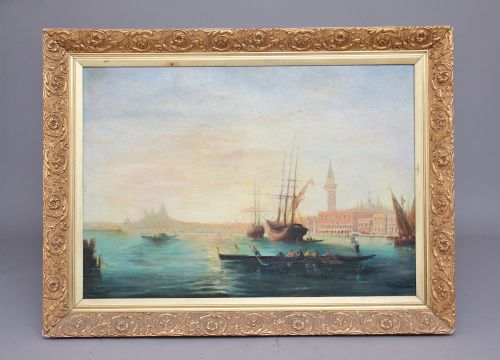
You will frequently encounter nineteenth-century oil paintings and Edwardian watercolours representing landmarks such as the Doge's Palace, the Santa Maria della Salute, and the Rialto Bridge. The selection ranges from precise architectural views to atmospheric interpretations influenced by impressionism.
The material forms are primarily oil on canvas or board, alongside paper watercolours and gouache works. Framing typically involves period giltwood or gilded wood surrounds that complement the traditional subjects.
Materials and methods
Painters utilised oil paint on canvas or panel to build rich, textured surfaces that rendered the shimmering water and stone facades of Venice. Watercolours on paper offered a more fluid, luminous medium suited to capturing the shifting atmospheric conditions of the lagoon.
Supporting these works, makers employed carved and gilded wood for frames, applying gold leaf over prepared gesso grounds. These giltwood surrounds were designed to reflect ambient light and enhance the visual depth of the paintings.
Antique Venice Art Retail Price Guide 2026
Typical asking prices for venice art among the pieces listed under this phrase on Sellingantiques today, from the lower quarter to the upper quarter. They describe what is for sale here now, not the wider market.
Gondoliers navigating past historic palazzos remain the most enduring inhabitants of these painted Venetian waterways.
Judging the work
Quality rests upon the artist's handling of light, perspective, and atmospheric depth, distinguishing competent topographical records from truly evocative compositions. Superior works capture the specific quality of Venetian air and water rather than relying on formulaic architectural repetition.
The integration of the painting with its original frame also influences the overall standard, as period giltwood enhances the historical integrity of the piece.
Alfred Pollentine·Jane Vivian·Francis Moltino·Clara Montalba·Antonietta Brandeis
The Antique Venice Art Glossary
- Gouache
- An opaque watercolour paint mixed with a white pigment, producing a heavier and more luminous finish than standard watercolour. Artists utilised this medium to capture dense highlights on Venetian buildings.
- Giltwood
- Wood that has been coated with gold leaf or powder, commonly utilised for nineteenth-century picture frames. This finish provides a reflective border that complements oil paintings of the lagoon.
- Impressionism
- A nineteenth-century painting style characterised by relatively small, thin, yet visible brush strokes and an emphasis on accurate depiction of light. Several artists applied this approach to Venetian townscapes.
Antique Venice Art: Frequently Asked Questions
What periods do these paintings cover?
The works span from the nineteenth century through the early twentieth century, encompassing Victorian and Edwardian artistic movements.
Artists during this timeframe frequently travelled to Italy to record the changing light and architecture of the lagoon.
How should I display antique art?
Display these paintings away from direct sunlight and fluctuating heat sources to protect the canvas, paper, and giltwood frames.
Ensure wall fixings are secure and appropriate for the substantial weight of large framed oils.
Are watercolours as durable as oils?
Watercolours on paper require careful framing behind glass with acid-free mounts to prevent fading from light exposure.
Oil paintings on canvas are generally more resilient but still benefit from stable indoor environments.
How do I identify a Venetian subject?
Subjects typically feature recognisable landmarks such as the Grand Canal, gondolas, the Doge's Palace, or the Santa Maria della Salute.
Artists often inscribed titles or locations on the reverse of the canvas or within the margin of watercolours.