




Antique Veneer Dresser
An antique veneer dresser brings together centuries of timbercraft, presenting patterned surfaces of walnut, mahogany, and exotic woods across practical drawer forms.
Antique Veneer Dresser
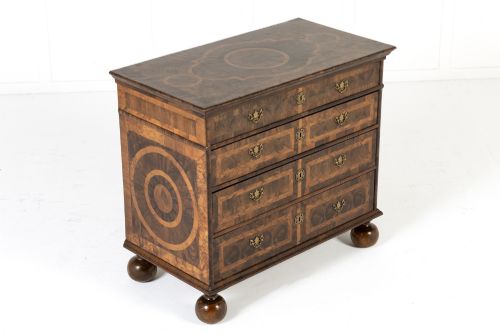
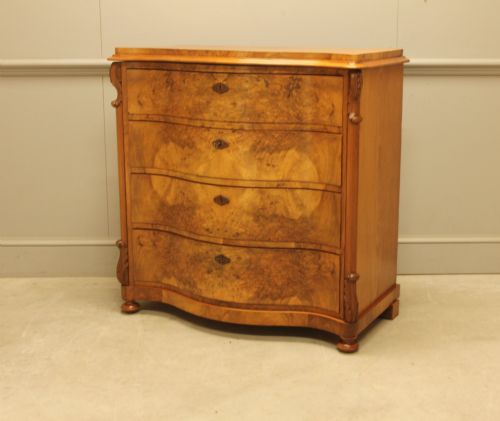
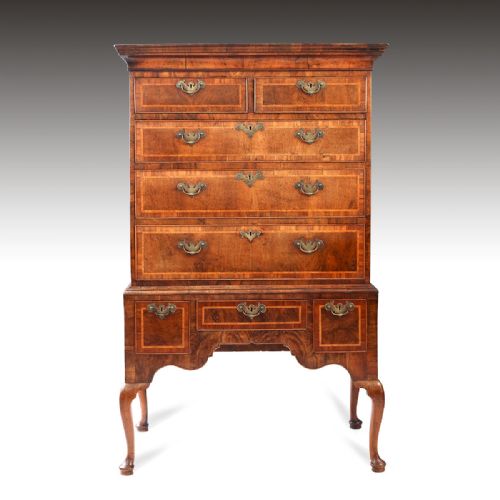
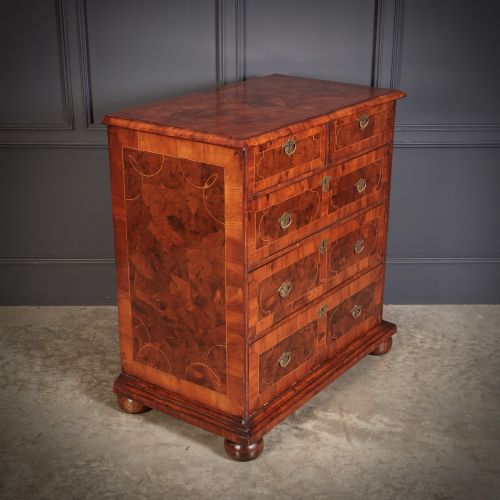
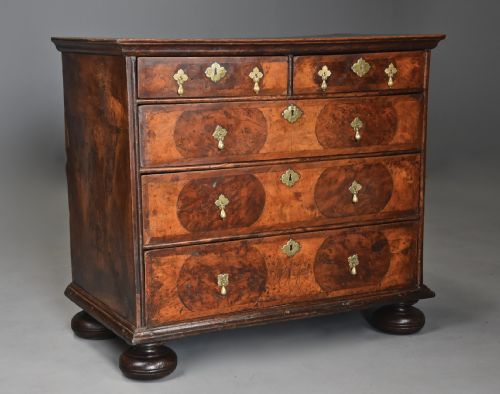
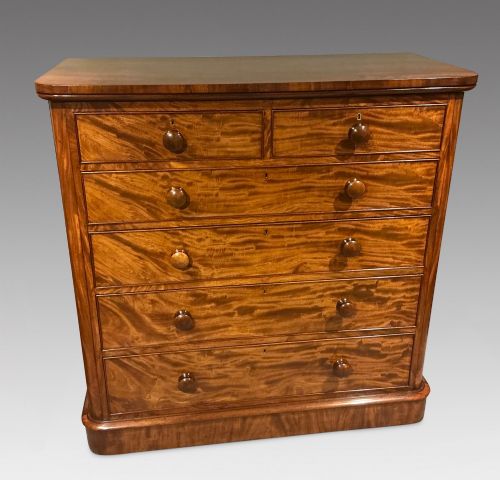
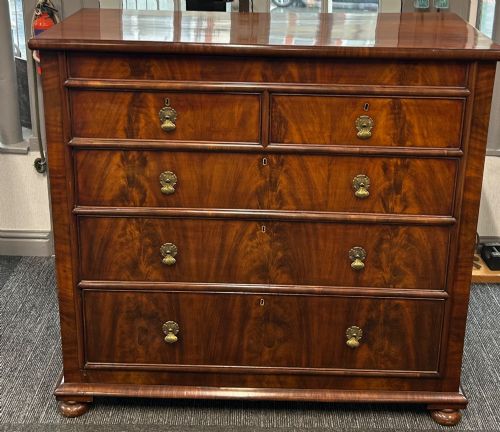
An antique veneer dresser encompasses chests of drawers and chests on stand created across the seventeenth, eighteenth, and nineteenth centuries. The pieces range from compact William and Mary oyster-cut designs to substantial Victorian flame mahogany and continental commodes.
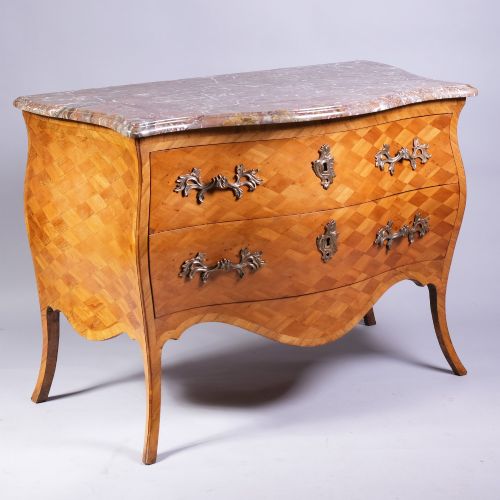
Buyers frequently encounter walnut and mahogany examples spanning periods from the late seventeenth century through the Biedermeier and Art Deco eras. Formats shift from serpentine fronts to tall chests and pieces finished with marble or faux marble tops.
Materials and Construction
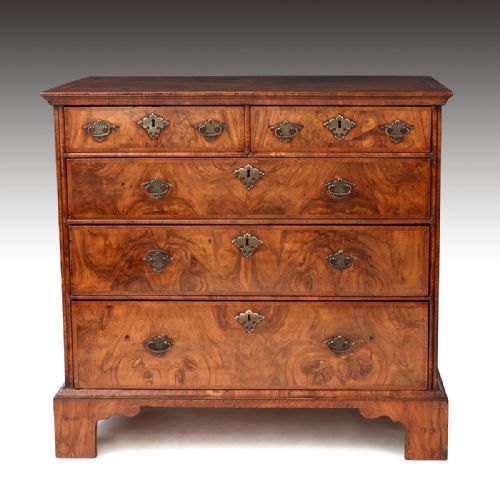
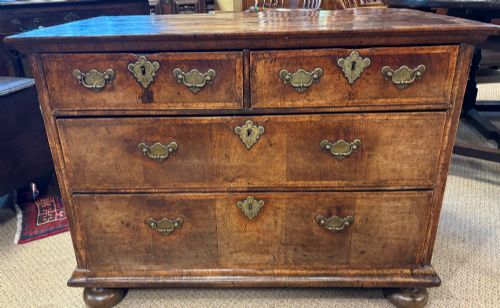
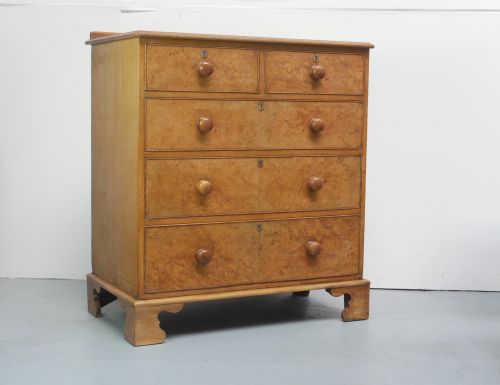
Cabinetmakers applied thin slices of decorative timber, including burr walnut, flame mahogany, olive, laburnum, and yew, over secondary woods like oak and pine. This technique allowed workshops to display intricate grain patterns across drawer fronts and top panels.
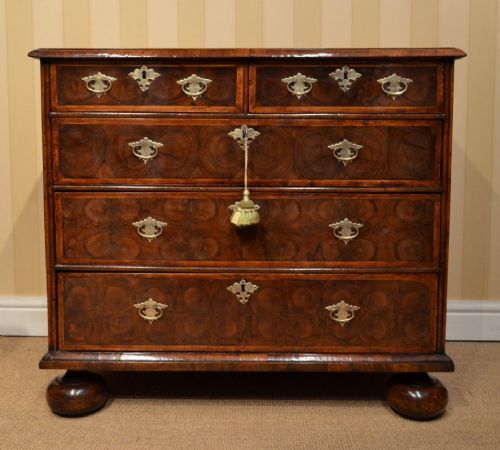
Makers utilised bookmatching and marquetry to create symmetrical designs on drawer surfaces. Brass hardware, such as drop handles and escutcheons, complemented the rich tones of the applied veneers.
Antique Veneer Dresser Retail Price Guide 2026
Typical asking prices for veneer dresser among the pieces listed under this phrase on Sellingantiques today, from the lower quarter to the upper quarter. They describe what is for sale here now, not the wider market.
The selection includes seventeenth-century oyster veneered examples alongside Victorian flame mahogany and Biedermeier walnut pieces.
Assessing the Craft
The sophistication of the timber selection dictates the visual impact, distinguishing simple mahogany surfaces from highly figured burr walnut or meticulously laid oyster veneers. The alignment of grain patterns across multiple drawers reveals the precision of the original cabinetmaker.
The integrity of the underlying construction and the retention of original brass mounts influence the standing of each piece. Surface depth and untouched patination distinguish examples that have retained their character over centuries.
R H & J Simpson
The Antique Veneer Dresser Glossary
- Veneer
- A thin layer of figured wood applied to a solid secondary timber base. This method permits the display of decorative grain patterns that would prove unstable if used in solid boards.
- Oyster veneer
- Circular cross-sections cut from small branches or roots, laid together to resemble oyster shells. This technique appears frequently on seventeenth-century pieces.
- Flame mahogany
- Timber harvested from specific sections of mahogany logs, yielding a distinctive ripple pattern resembling flickering flames. Cabinetmakers favoured this grain for prominent Victorian drawer fronts.
- Marquetry
- Inlays of various tinted woods arranged to form pictorial or geometric designs. Artisans embedded these patterns directly into the surface veneer.
- Chest on stand
- A tall drawer section elevated on a separate framework with legs. This form lifts storage off the floor and provides a lighter visual silhouette.
Antique Veneer Dresser: Frequently Asked Questions
How do I identify a William and Mary period piece?
William and Mary pieces originate from the late seventeenth and early eighteenth centuries, often displaying geometric oyster veneers and stands with turned legs.
They frequently employ woods like walnut, yew, and maple with early brass drop handles.
What is the difference between a commode and a chest of drawers?
A commode generally refers to continental European chests of drawers, often featuring serpentine or shaped fronts and occasionally marble tops.
English pieces of the same eras are typically categorized simply as chests of drawers.
How should I care for an antique veneered surface?
Protect antique veneers by keeping them away from direct sunlight and maintaining stable humidity levels in the room.
Apply traditional wax polish sparingly and buff gently with a soft cloth to preserve the historic finish.