



Antique Veneer Commode
An antique veneer commode brings rich timber grain and period presence to a room, offering deep drawers set within disciplined cabinetwork.
Antique Veneer Commode
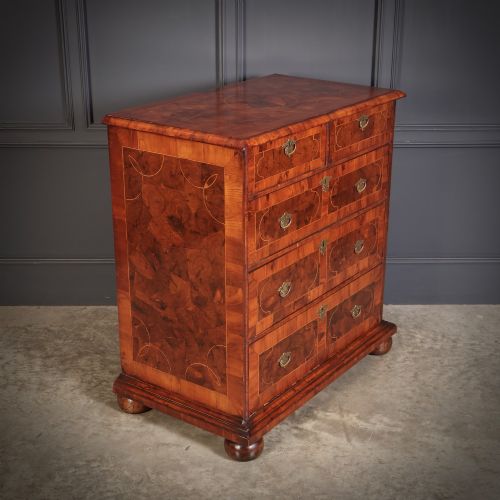
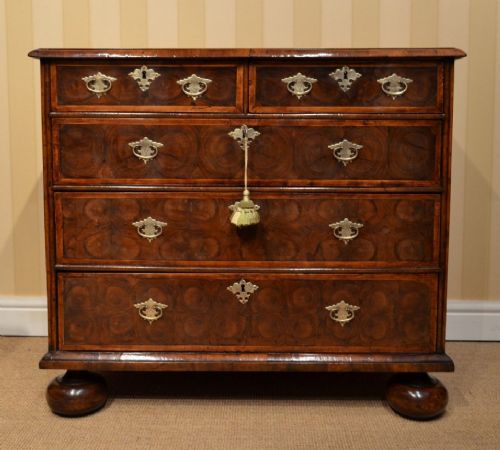
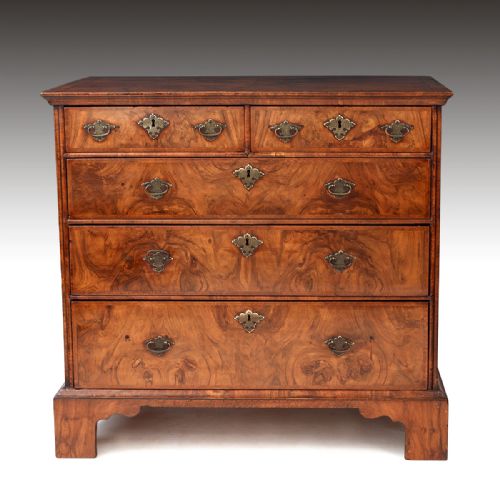
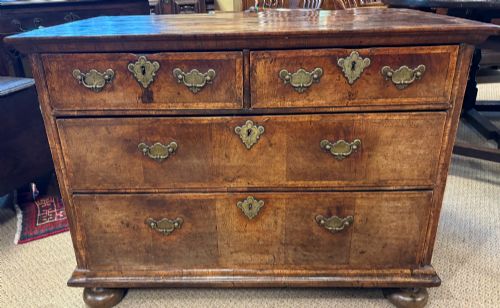
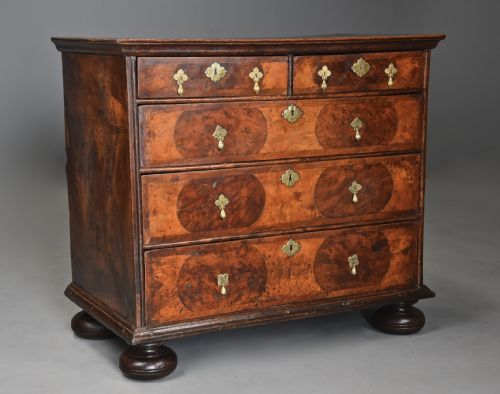
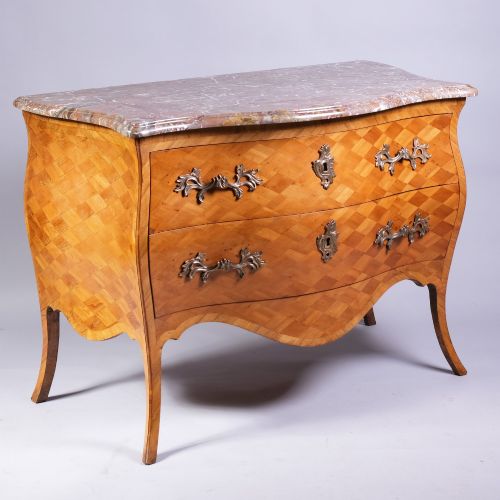
When you search for an antique veneer commode, you encounter low drawer chests and bedside cabinets shaped by centuries of European cabinetmaking. The pieces span seventeenth-century William and Mary designs, eighteenth-century walnut walnut periods, and nineteenth-century Biedermeier or French workshops.
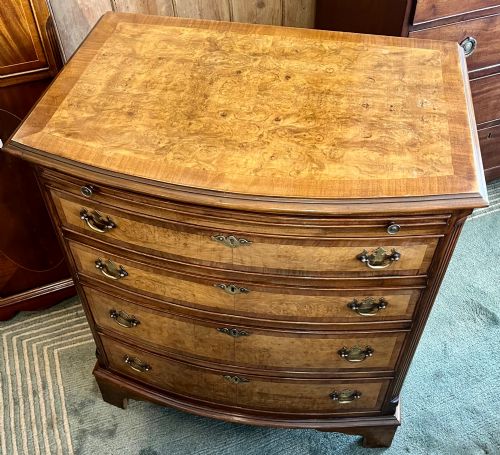
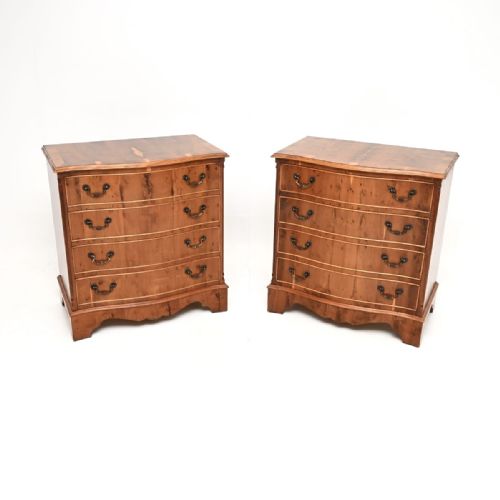
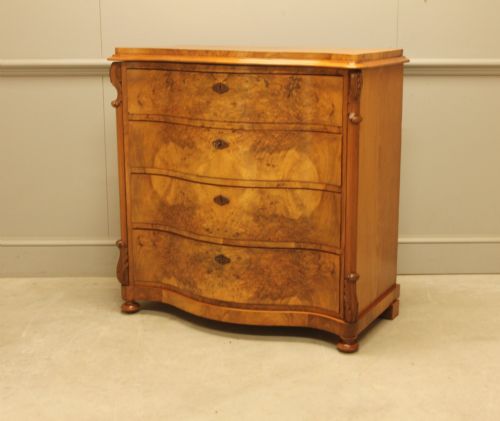
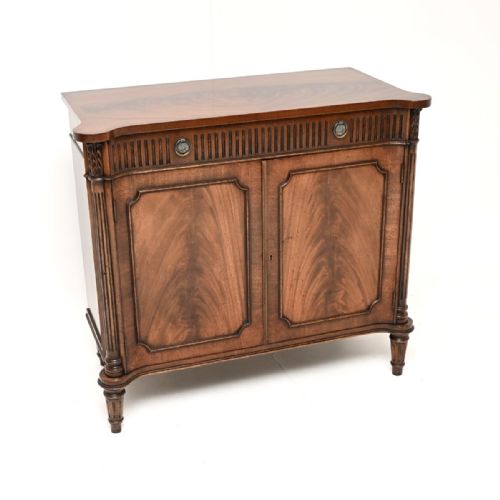
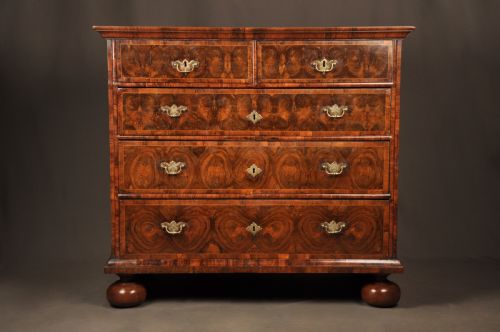
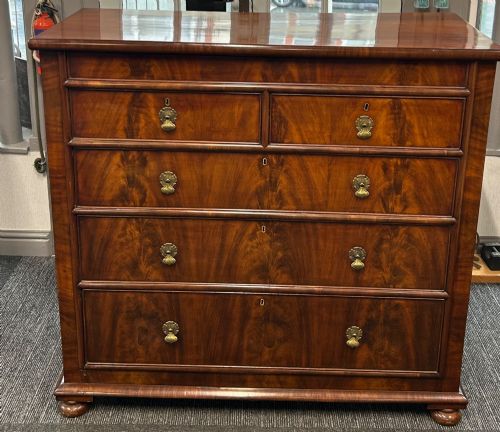
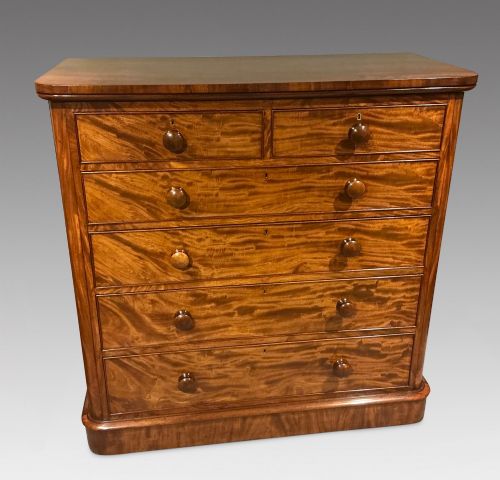
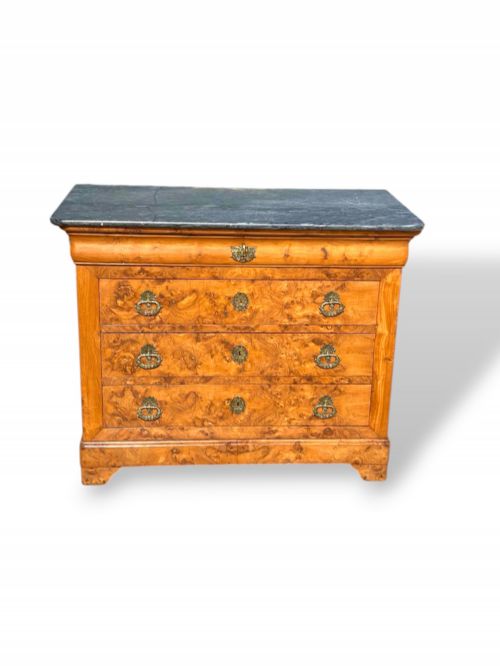
The most frequent examples on this page are seventeenth-century oyster-veneered pieces and nineteenth-century flame mahogany or burr walnut chests of drawers. These forms function as practical storage units while displaying the decorative potential of figured wood grains across wide drawer fronts and top surfaces.
Materials and Construction
Cabinetmakers laid thin slices of decorative timber onto secondary structural woods like oak, pine, or general softwood carcases. Timber selections such as walnut, laburnum, olive, yew, and mahogany provided strong visual patterns that defined the surface.
Makers utilised precise cross-banding, marquetry inlay, and circular oyster cutting to arrange the grain into geometric layouts. Brass drawer pulls and escutcheons completed the construction, alongside fitted marble tops on specific continental commode styles.
Antique Veneer Commode Retail Price Guide 2026
Typical asking prices for veneer commode among the pieces listed under this phrase on Sellingantiques today, from the lower quarter to the upper quarter. They describe what is for sale here now, not the wider market.
Even miniature furniture appears among the full-scale chests, offering exact small-scale craftsmanship for compact spaces.
Evaluating the Cabinetwork
Quality rests in the alignment of the wood grains and the integrity of the underlying veneer adhesion. Superior pieces maintain crisp geometric borders and balanced timber selection across every drawer face.
The sophistication of the secondary woods and the precision of the drawer linings reveal the standard of the workshop. Pieces that retain their original brass hardware and unwarped carcases demonstrate higher original craftsmanship.
The Antique Veneer Commode Glossary
- Oyster veneering
- Cutting small branches obliquely to produce circular rings resembling oyster shells. This technique flourished during the late seventeenth century.
- Cross-banding
- Laying strips of veneer so the grain runs perpendicular to the main surface. This frames the primary panels of a drawer front.
- Biedermeier
- A Central European style from the nineteenth century prioritising clean lines and blonde figured woods over ornate carving.
- Marquetry
- The art of forming decorative patterns using fitted pieces of various coloured veneers. It appears on seventeenth-century cabinet furniture.
Antique Veneer Commode: Frequently Asked Questions
What is an antique veneer commode?
An antique veneer commode is a set of drawers or a low cabinet surfaced with decorative wood slices applied to a solid carcase. These pieces originate across British and European periods from the seventeenth century onward.
They serve as functional storage furniture that doubles as a decorative focal point due to figured grains like burr walnut, flame mahogany, and laburnum.
How do I date an antique commode?
Dating relies on observing the combination of timber types, construction methods, and hardware styles. Seventeenth-century pieces often feature oyster cutting and geometric stringing.
Later nineteenth-century examples introduce French or Biedermeier stylistic traits, sometimes paired with marble tops and heavier mahogany or palisander surfaces.
Where should I place a commode?
These cabinets suit hallways, living rooms, and bedrooms where their flat top surfaces hold lamps or decorative objects. Their structured proportions allow them to anchor wall spaces efficiently.
Ensure they sit away from direct heat sources to protect the historic wood veneers from drying or splitting.
How do I care for wood veneer?
Maintain stable indoor humidity and temperature levels to prevent the thin timber layers from lifting off the carcase. Dust regularly with a dry cloth.
Avoid commercial silicone polishes and apply traditional beeswax sparingly to nourish the historical timber finish.