



Antique Velvet Mirror
An antique velvet mirror brings tactile warmth and period character to a room, drawing the eye with rich textile frames and reflective glass.
Antique Velvet Mirror
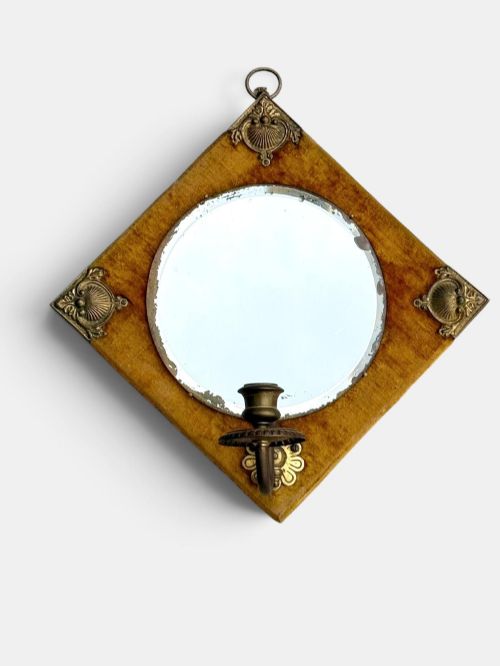
When you search for an antique velvet mirror, you encounter wall mirrors, table mirrors, and girandole mirrors fashioned during the Victorian and Edwardian eras. These furnishings combine textile surrounds with wooden structures and glass plates, often incorporating decorative metal mounts or carved crests.
The versions most commonly met on this page date from the late nineteenth century to around nineteen ten. They reflect the design sensibilities of the Aesthetic Movement and the Arts and Crafts style, alongside classic Victorian and Edwardian domestic interiors.
Beyond standard wall hangings, the category encompasses smaller vanity accessories and specialised items such as multi-convex sorcerer's mirrors. Each piece serves as both a practical looking glass and a decorative focal point utilising traditional period materials.
How they were made
Maker's workshops built the foundational frames of these mirrors using timber such as walnut, satinwood, and various woods to provide structural stability under the textile covering. Velvet fabric was then stretched and secured over the wooden backing or surrounds, frequently complemented by brass mounts, copper elements, or intricate carved crests.
Glass plates were silvered and set into the frames, sometimes paired with easel backs, brass arms, or integrated sconces for illumination. Craftspeople applied specialised techniques to mount metalwork securely against the fabric and wood without compromising the delicate surface of the velvet.
Antique Velvet Mirror Retail Price Guide 2026
Typical asking prices for velvet mirror among the pieces listed under this phrase on Sellingantiques today, from the lower quarter to the upper quarter. They describe what is for sale here now, not the wider market.
Sorcerer's mirrors offered Victorians a delightfully warped perspective on reality, proving that nineteenth-century decorators enjoyed a touch of playful distortion.
What varies in quality
Quality in these mirrors rests upon the selection of timber foundations and the grade of velvet utilised for the frame. Dense hardwoods and thick, plush pile textiles endure the passage of time far better than lighter woods and thin fabrics.
The refinement of the decorative mounts, whether cast brass, chased copper, or carved wooden crests, distinguishes standard domestic items from finer examples. Furthermore, the clarity of the original glass plate and the precision of the joinery contribute significantly to the overall standing of the piece.
Henry Matthews
The Antique Velvet Mirror Glossary
- Girandole mirror
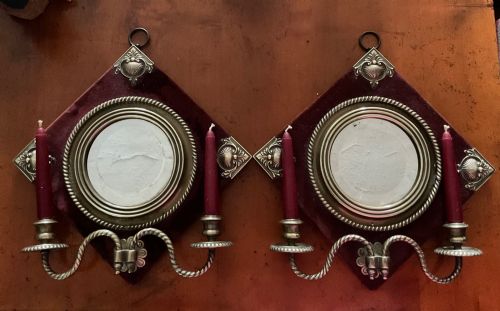
- A wall mirror featuring attached candle sconces that reflect the candlelight into the room. These decorative pieces were popular in Victorian interiors for enhancing illumination.
- Convex mirror
- A round looking glass with a curved surface that provides a wide-angle, distorted reflection of the interior space. They are often termed sorcerer's mirrors in period contexts.
- Aesthetic Movement
- A late nineteenth-century design ethos that prioritised visual beauty over narrative or moral content. Objects from this period often display harmonious colour palettes and stylized motifs.
- Easel mirror
- A portable looking glass supported by a hinged rear leg for tabletop placement. They frequently appear in dressing sets alongside sterling silver or velvet trim.
- Ormolu
- Gilded bronze ornamentation applied to furniture and mirror frames during the nineteenth century. It provides metallic contrast against wood and fabric surfaces.
Antique Velvet Mirror: Frequently Asked Questions
How do I hang a heavy velvet wall mirror safely?
Wall mirrors require sturdy fixings suited to the weight of the timber frame and glass plate. Secure the hanging wire or brackets directly into wall studs where possible to distribute the load evenly.
Avoid hanging velvet mirrors in damp environments like bathrooms, as moisture damages both the fabric pile and the wooden backing over time.
How should I clean antique velvet and glass?
Dust the velvet frame gently with a soft brush to lift debris without crushing the pile. Keep moisture away from the fabric to prevent staining or shrinkage.
Clean the glass plate using a mild cleaner applied to a cloth rather than sprayed directly, ensuring liquid does not seep behind the frame edge.
Where were these mirrors placed in period homes?
Victorian and Edwardian interiors featured wall mirrors above mantelpieces, in hallways to amplify light, and within dressing rooms. Tabletop and easel versions sat upon dressing chests and sideboards.
Their reflective surfaces and decorative textile frames were intended to catch natural daylight and lamplight while adding warmth to domestic spaces.
How can I distinguish Victorian from Edwardian mirrors?
Victorian mirrors often display heavier, more ornate frames with rich burr walnut, deep-pile velvet, and elaborate brass or copper mounts. They reflect the exuberant aesthetic of the nineteenth century.
Edwardian examples tend to exhibit lighter timbers such as satinwood, simpler geometric lines, and restrained decorative elements like carved cherub crests, aligning with the Arts and Crafts movement.