


Antique Velvet Lounge
An antique velvet lounge encompasses nineteenth-century chaises longues, daybeds, and deep-seated armchairs upholstered in tactile pile fabrics for proper relaxation.
Antique Velvet Lounge
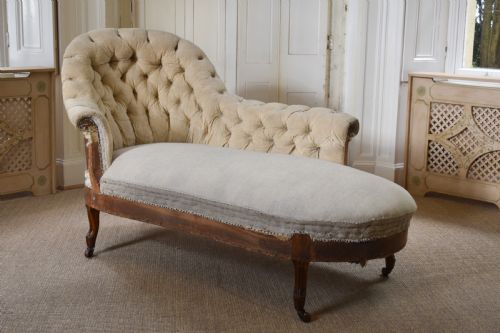
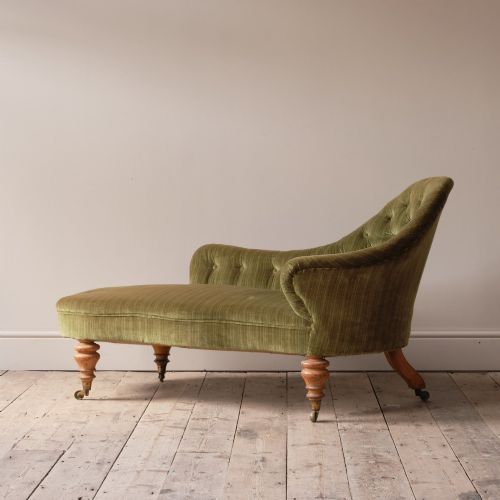
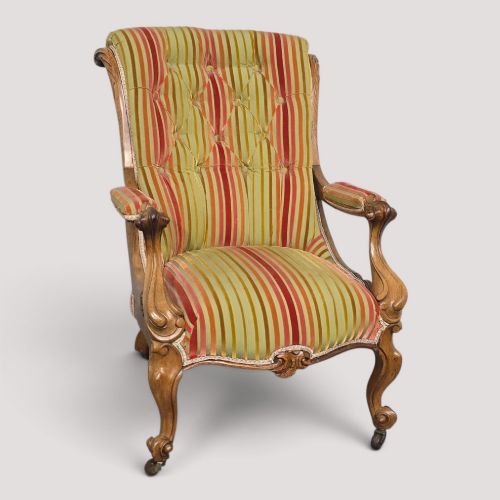
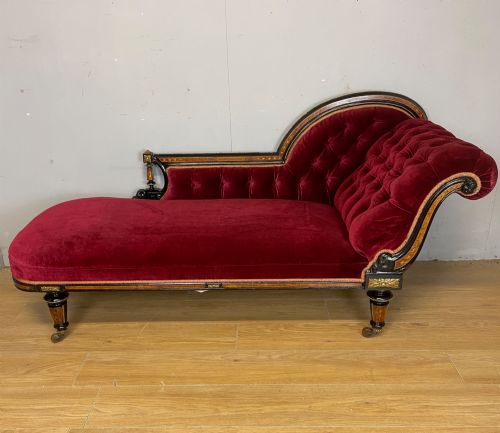
When you search for an antique velvet lounge, you encounter nineteenth-century chaise longues, daybeds, and upholstered seating designed for reclining. The pieces on this page span the Victorian, Regency, and Edwardian periods, appearing alongside French Napoleon III, Louis XV Revival, and Art Deco variants.
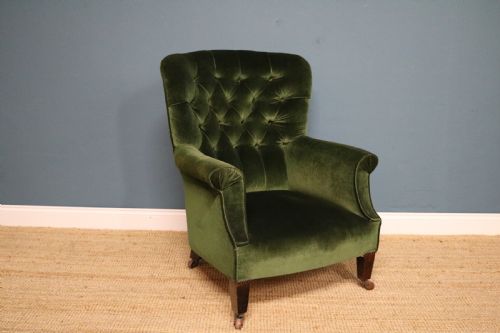
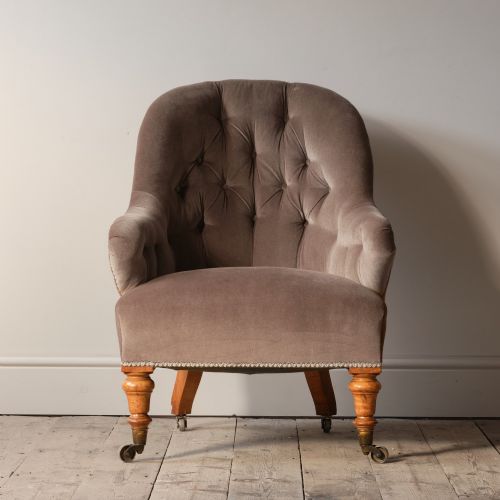
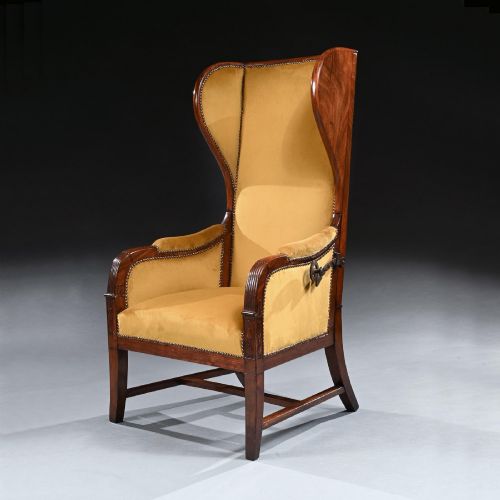
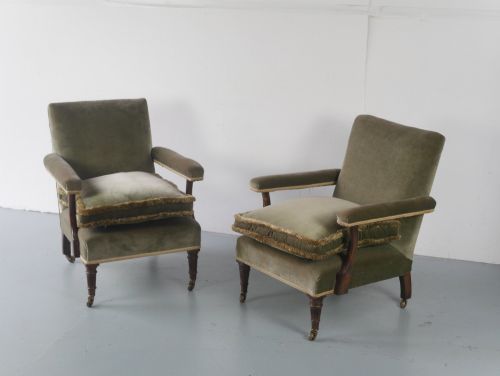
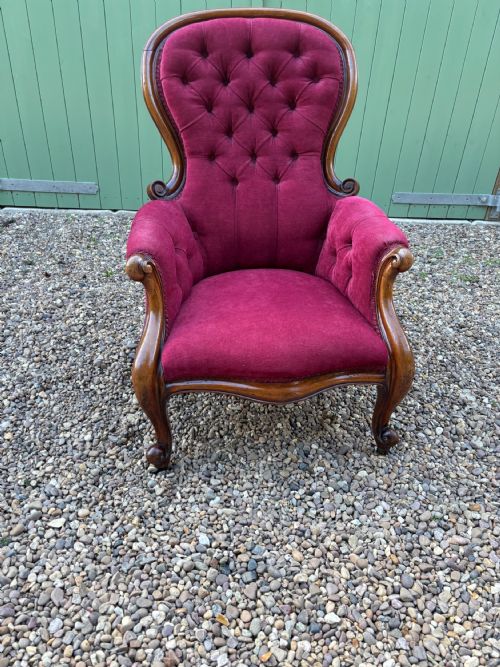
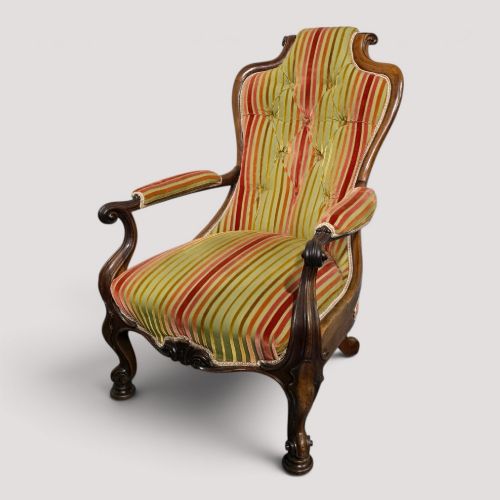
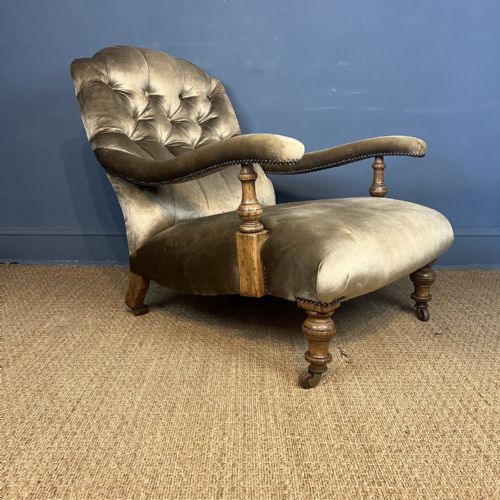
Chaise longues and double-ended sofas dominate the daybed forms, often featuring button backs and carved mahogany, walnut, or rosewood frames. Armchairs, bergères, and nursing chairs complete the selection, offering lower seats and supportive winged or open structures.
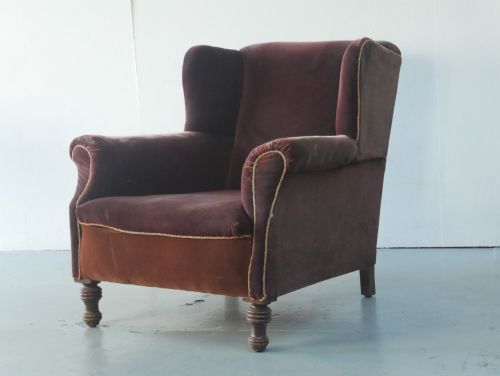
Origins stretch across English and French workshops, encompassing neat matched pairs as well as large library and club armchairs. These items bring period character and varied textile textures into modern domestic settings.
Materials and construction methods
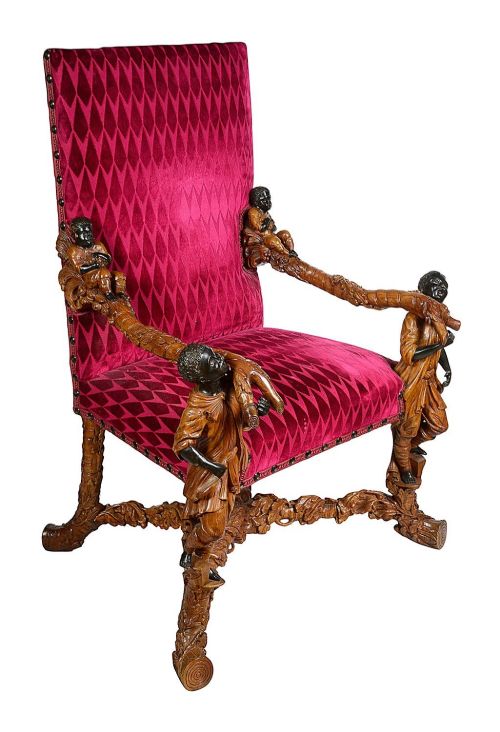
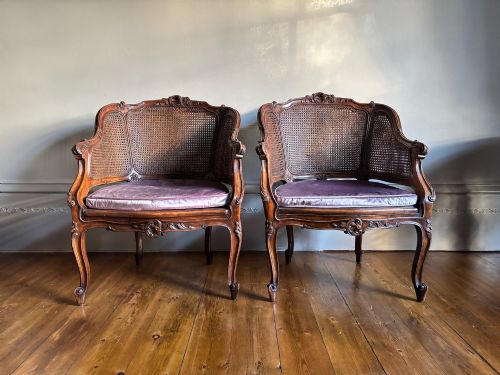
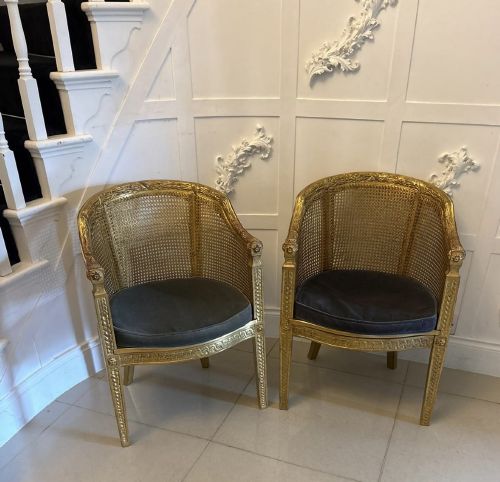
Frames rely on dense hardwoods including mahogany, walnut, oak, rosewood, and ebonised timber, frequently shaped with cabriole legs, brass inlays, or ormolu mounts. Cane panels and giltwood surfaces also appear on specific French bergère designs.
Upholstery relies on traditional sprung seat bases paired with velvet and brocade textiles. Button-backed finishing secures the deep pile fabric firmly across the padded internal web.
Antique Velvet Lounge Retail Price Guide 2026
Typical asking prices for velvet lounge among the pieces listed under this phrase on Sellingantiques today, from the lower quarter to the upper quarter. They describe what is for sale here now, not the wider market.
Periods represented stretch from the early eighteenth century through Regency, Victorian, and Edwardian eras into Art Deco.
Distinctions in craftsmanship
The standard of a piece rests upon the crispness of the timber carving and the integrity of the underlying frame construction. Heavier woods and substantial mahogany or rosewood structures provide greater longevity than lighter occasional frames.
Finishing details distinguish finer examples, such as precision brass inlay, neat ormolu mounts, and robustly sprung upholstery bases. The weight and depth of the pile textile also influence the tactile presence of the finished seating.
Gillows·Howard And Sons
The Antique Velvet Lounge Glossary
- Bergère
- An enclosed upholstered armchair with wooden framing around the sides and back. It frequently incorporates cane panels or tight fabric upholstery.
- Chaise Longue
- An elongated upholstered chair designed for reclining, combining the backrest of a sofa with the seat of a daybed. Many Victorian examples feature a single scrolled end.
- Ormolu
- Gilded bronze ornamentation applied to furniture mounts. It is commonly found on French nineteenth-century pieces.
- Tub Library Armchair
- A compact seating form with a curved, continuous back and armrest rail. These pieces often sit low for reading or fireside use.
Antique Velvet Lounge: Frequently Asked Questions
What is an antique velvet lounge?
An antique velvet lounge refers to nineteenth-century and early twentieth-century seating forms upholstered in pile fabrics, including chaises longues, daybeds, and large armchairs. These pieces were built for comfortable reclining in parlours, libraries, and bedrooms.
They combine robust hardwood frames in mahogany, walnut, or rosewood with sprung upholstery and soft textile coverings. Their diverse styles range from English Regency and Victorian designs to French revival models.
How do I identify a Victorian chaise longue?
Victorian chaise longues are typically characterised by solid mahogany, walnut, or rosewood frames with carved cabriole legs and button-backed upholstery. Many feature a single scrolled end and an open or half-back configuration.
Look for deep-sprung bases and substantial woodwork that reflect mid-nineteenth-century manufacturing standards. Some examples also incorporate decorative inlays or ormolu mounts.
Where should I place an antique armchair?
Antique armchairs and bergères suit living rooms, studies, and bedrooms where their supportive winged or open structures can be fully appreciated. Their varied timber frames and velvet coverings allow them to serve as focal reading seats.
Placing them away from direct sunlight preserves the rich colour and pile of the velvet textile. Matching pairs work well opposite a fireplace or flanking a central piece of furniture.
What is the difference between a bergere and a club chair?
A bergère is a traditional armchair featuring an exposed wooden frame around the back and arms, often originating from French design traditions. Club chairs are typically lower, heavier upholstered seats built for deep comfort.
Bergères often incorporate cane side panels or tight fabric covers within their carved wood outlines. Club chairs rely entirely on dense padding and heavy textile upholstery for their substantial profile.