



Antique Velvet Cushion
An antique velvet cushion or related pin cushion brings tactile richness to a room, holding small treasures with enduring charm.
Antique Velvet Cushion
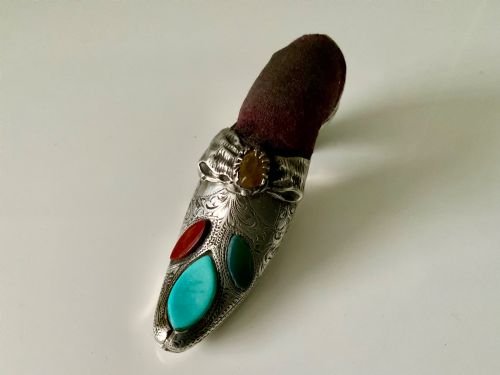
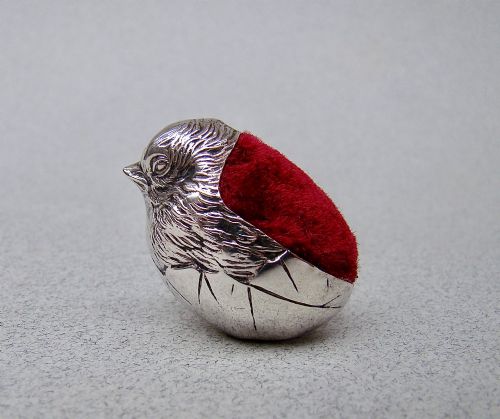
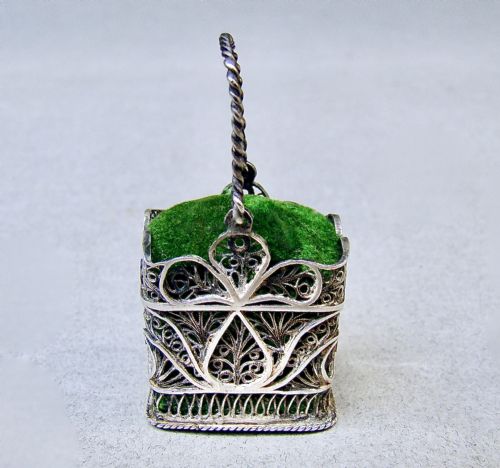
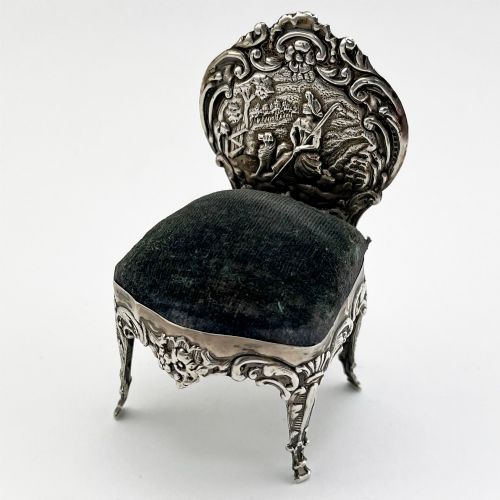
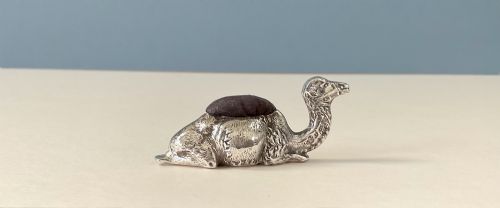
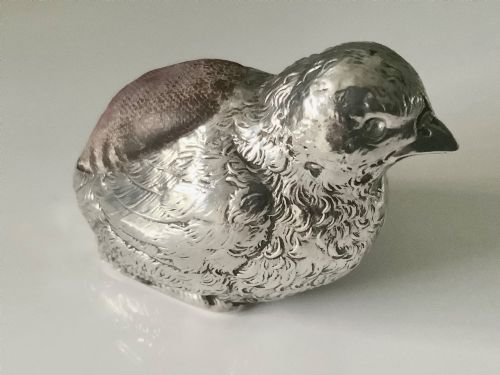
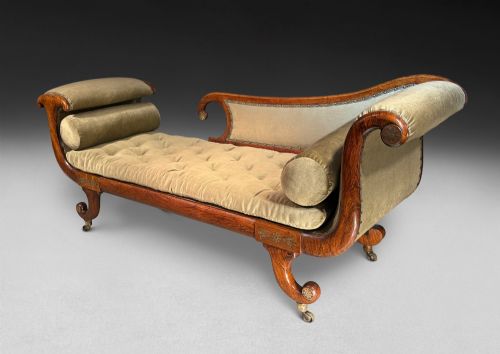
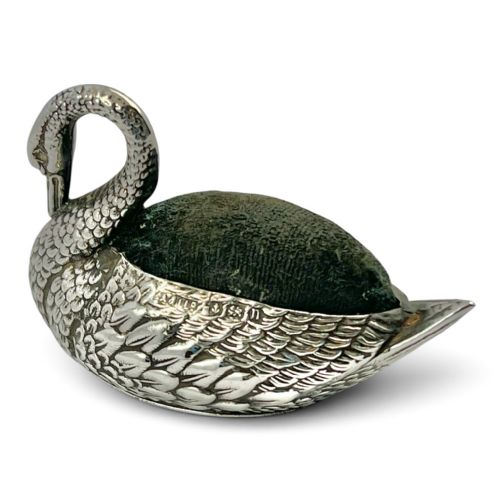
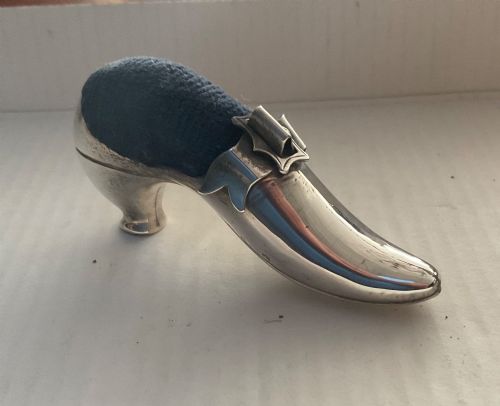
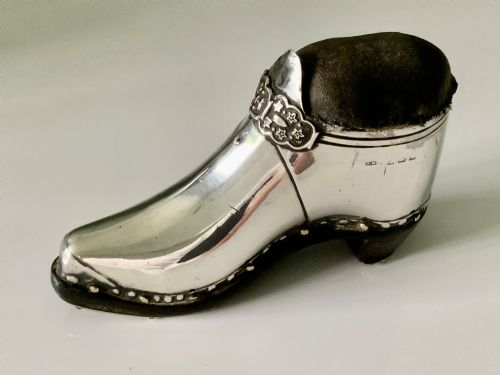
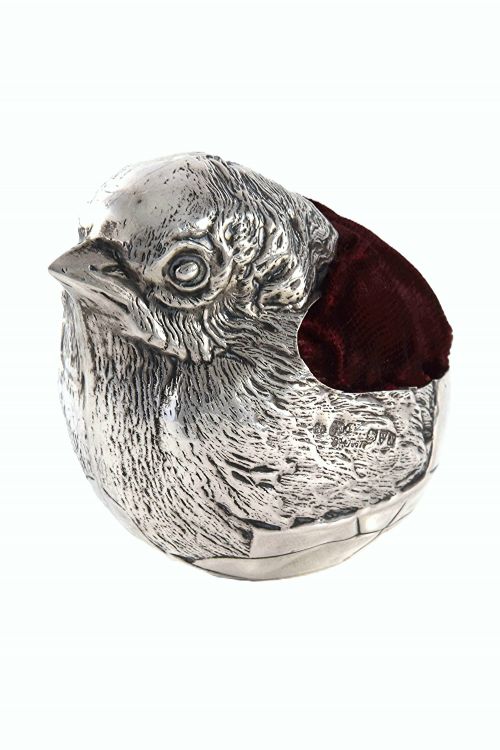
The search for an antique velvet cushion often leads instead to small, highly collectable silver pin cushions, furniture upholstery, and dressing table accessories. Buyers encounter diverse forms ranging from silver novelty animals to upholstered chairs and chaise longues.
Most examples originate from the Victorian and Edwardian eras, spanning the late nineteenth century through to the nineteen-twenties. These pieces combine practical utility with intricate craftsmanship in silver, fabric, and wood.
Materials and construction methods
Silver novelty pin cushions rely on detailed casting and stamping techniques to shape animals, shoes, and vehicles around fabric inserts. Makers utilised sterling silver alongside brass inlay, simulated rosewood, and cold painted bronze.
Larger seating pieces incorporate traditional upholstery, cane work, and velvet fabric. Artisans combined carved wooden frames with plush textiles to create durable and decorative items.
Antique Velvet Cushion Retail Price Guide 2026
Typical asking prices for velvet cushion among the pieces listed under this phrase on Sellingantiques today, from the lower quarter to the upper quarter. They describe what is for sale here now, not the wider market.
Among the menagerie of silver animals, a tiny wheelbarrow and a WWI Red Cross cushion stand ready to hold your pins.
Factors of distinction
Quality rests in the crispness of the casting on novelty silver pieces and the integrity of the original velvet or fabric upholstery. Superior items display sharp detailing on animal forms and well-preserved maker marks.
The balance of materials determines value, such as the precise brass inlay on simulated rosewood or the weight and purity of sterling silver casings.
Adie & Lovekin·George W Shiebler·H. Matthews
The Antique Velvet Cushion Glossary
- Novelty pin cushion
- A small desk or dressing table accessory formed into a recognizable shape such as an animal, vehicle, or shoe. These items date predominantly to the Edwardian period.
- Sterling silver
- A silver alloy containing ninety-two point five percent silver by mass, frequently utilised for Edwardian and Victorian pin cushion frames and jewellery boxes.
- Simulated rosewood
- A painted or stained wood finish designed to imitate the rich grain and colour of genuine rosewood on nineteenth-century furniture.
- Cold painted bronze
- A method where bronze figures receive non-fired paint decoration, seen on select animal pin cushions from the period.
Antique Velvet Cushion: Frequently Asked Questions
What were silver pin cushions used for?
Victorian and Edwardian households utilised small pin cushions on dressing tables and desks to keep sewing pins tidy and close at hand.
Craftsmen shaped these items into whimsical figures and everyday objects to add decorative appeal to practical sewing tools.
How do I date an antique pin cushion?
Hallmarks stamped onto the silver components provide precise assay office locations and specific years of manufacture for pieces from the nineteenth and twentieth centuries.
Stylistic cues, such as Edwardian novelty designs or Victorian classical scenes, offer further clues when hallmarks are worn.
Where should I display a novelty pin cushion?
These small silver and fabric objects suit placement on dressing tables, mantelpieces, or enclosed cabinet shelves alongside other small antiques.
Their compact size allows them to sit securely on flat surfaces where the detailed animal or object shapes remain clearly visible.
Are these cushions suitable for daily use?
Most antique silver pin cushions feature aged fabric inserts that function best when handled with care rather than heavy daily pinning.
Upholstered chairs and chaise longues retain supportive frames, but historical textiles benefit from gentle treatment in modern settings.