






Antique Vanity Sideboard
An antique vanity sideboard brings practical storage and traditional presence to a room, offering surface space and fitted compartments for daily routines.
Antique Vanity Sideboard
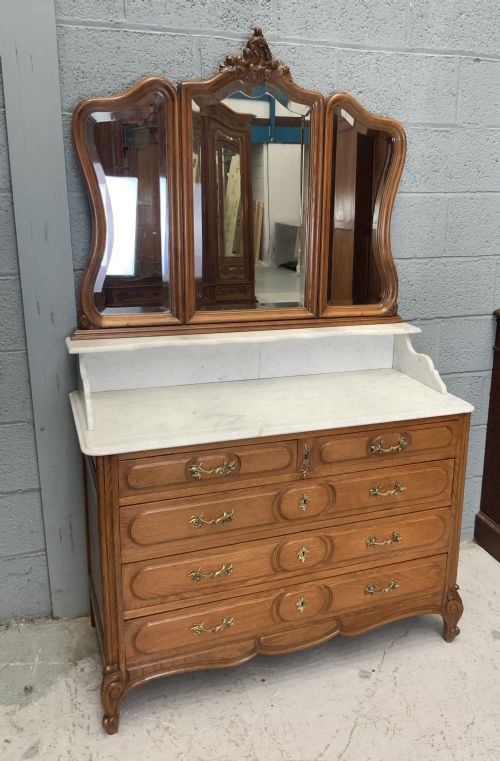
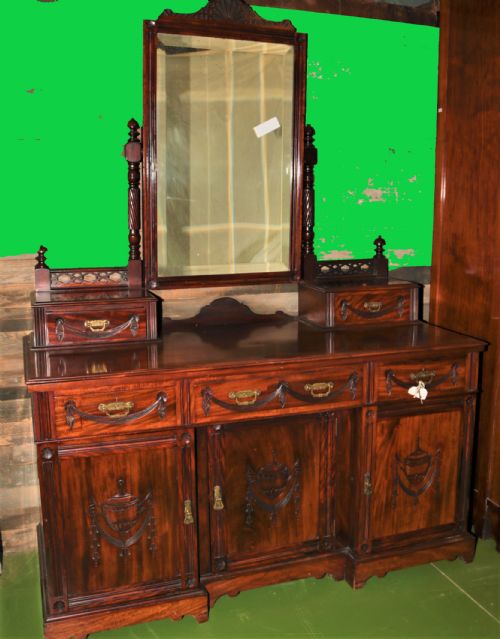
An antique vanity sideboard draws together forms associated with washing, writing, and serving, spanning periods from the Georgian era through the Edwardian years. When buyers search for an antique vanity sideboard, they encounter washstands, dressing tables, and sideboards built in mahogany, walnut, oak, and pine. Edwardian and Victorian iterations frequently incorporate marble tops, tiles, and gallery backs, reflecting the domestic sanitation and hygiene requirements of their time.
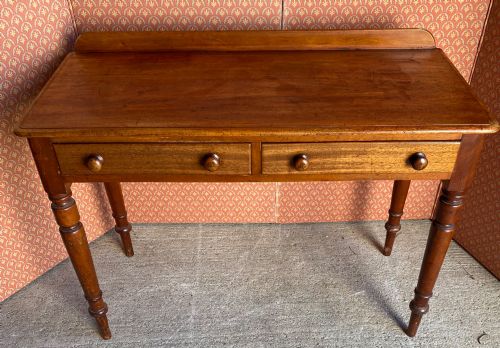
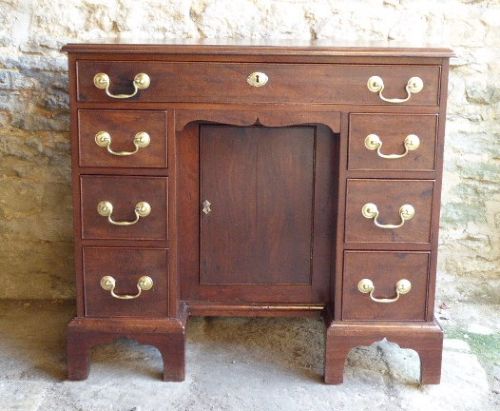
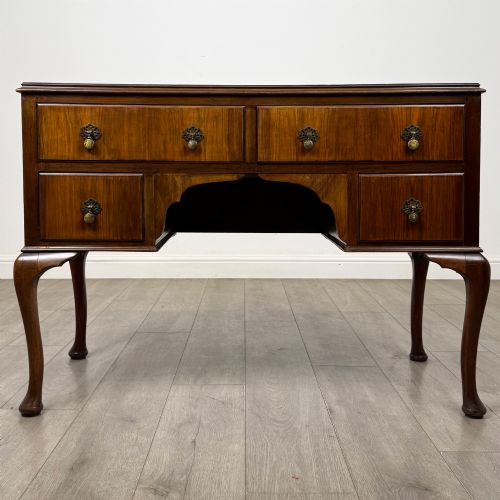
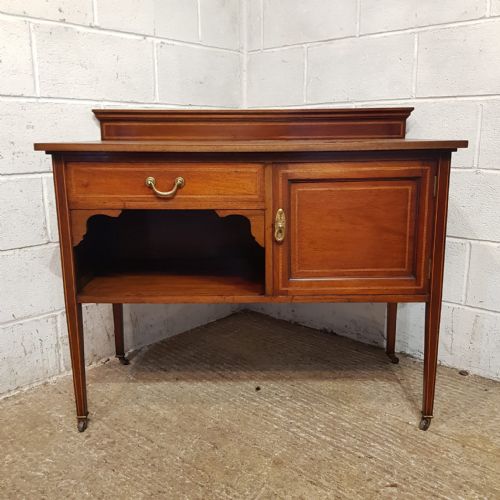
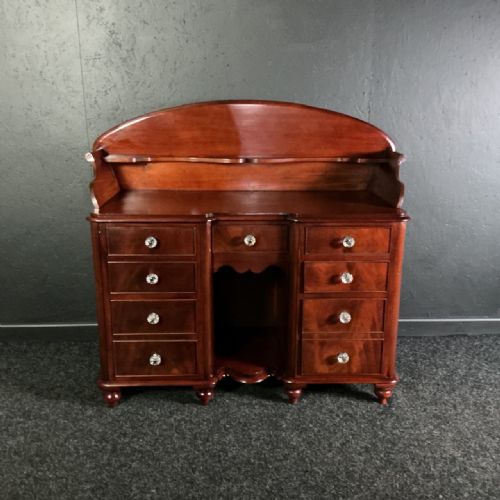
The pieces appearing on this page range from Georgian pine bowfronts and mahogany kneehole desks to French Art Deco washstands and satinwood dressing tables. Washstands with marble surfaces and tiled backs predominate among the records, bridging the functional gap between bedroom furniture and washroom fittings. Sideboards and dressing tables add alternative configurations with drawers and mirrors suited to personal grooming or storage.
Materials and construction methods
Cabinet makers utilised dense hardwoods including mahogany, walnut, and satinwood alongside utility timbers like pine and oak. Veneers appear on select surfaces, complemented by crossbanding and string inlay.
Fitted components include rouge marble slabs, glazed tiles, majolica panels, and brass hardware. Mirrors, tiled splashbacks, and three-quarter gallery upstands were integrated into washstands and dressing tables to protect walls from water and cosmetics.
Antique Vanity Sideboard Retail Price Guide 2026
Typical asking prices for vanity sideboard among the pieces listed under this phrase on Sellingantiques today, from the lower quarter to the upper quarter. They describe what is for sale here now, not the wider market.
Listings span the Georgian, Victorian, Edwardian, and Art Deco periods, utilising mahogany, walnut, marble, and pine.
Distinctions in quality and execution
Superior examples exhibit select timber grains, precise marquetry inlay, and heavy-gauge marble tops properly matched to the cabinet frame. Secondary woods and drawer linings show consistent dovetail joinery and smooth operation.
Lesser pieces rely on simpler pine construction, painted finishes, or plain ceramic tiles without decorative borders. The integration of structural galleries and the condition of original brass fixtures distinguish standard utilitarian items from finer domestic furnishings.
Gillows
The Antique Vanity Sideboard Glossary
- Washstand
- A piece of furniture designed to hold a basin, jug, and washing accessories. Many incorporate marble tops and tiled splashbacks.
- Bowfront
- A curved cabinet front that swells outward in the centre. This shape appears on Georgian and Victorian case pieces.
- Kneehole
- A desk or dressing table featuring a central recessed space for the legs beneath a set of drawers. These often include gallery surrounds.
- Gallery
- A low raised border running along the back and sides of a tabletop or washstand. It prevents items from sliding off the surface.
- Satinwood
- A yellowish-brown hardwood with a lustrous sheen, frequently utilised for veneers and inlaid decoration on late period furniture.
Antique Vanity Sideboard: Frequently Asked Questions
What is an antique vanity sideboard used for?
These pieces function as surface furniture for washing, grooming, and storage within bedrooms or dressing rooms. They provide tabletop space, drawers, and sometimes marble surfaces designed for daily personal care.
Historically, washstands held water basins and pitchers, while dressing tables supported mirrors and cosmetics. Today, they serve similar practical roles or act as decorative console units in hallways and living spaces.
How do I identify a Victorian washstand?
Victorian washstands typically feature heavy timber frames in mahogany, walnut, or satinbirch paired with inset marble tops. Tiled splashbacks and raised wooden galleries are common characteristics of this period.
Makers of the era often combined functional water resistance with decorative woodwork, resulting in robust pieces designed for domestic hygiene routines.
Are these pieces made of solid wood?
Construction varies between solid timbers and veneered surfaces depending on the piece and period. Hardwoods like mahogany, oak, and walnut are frequently used for structural frames and drawer construction.
Secondary woods such as pine appear in interior components, while decorative elements often incorporate satinwood veneers, brass fixtures, and marble inserts.
How should I care for a marble top?
Marble surfaces require regular wiping with a damp cloth and mild soap to prevent staining from liquids or cosmetics. Avoid acidic cleaners that can etch the polished stone.
Placing protective pads under heavy or wet objects helps preserve the finish and prevents scratching on older marble slabs.