








Antique Vanity Lid
When you seek an antique vanity lid, you encounter the protective closures of dressing table jars, scent bottles, and trinket boxes spanning multiple centuries.
Antique Vanity Lid
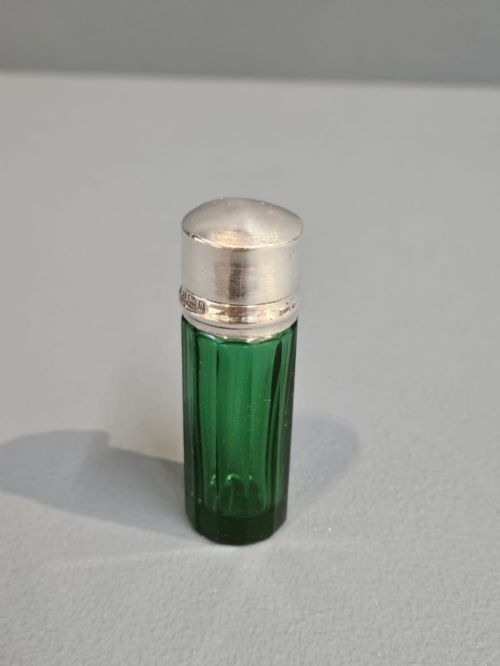
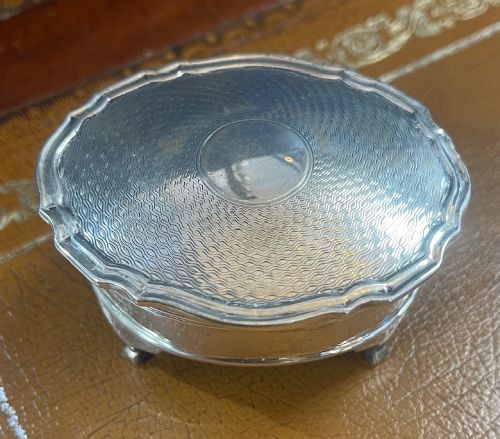
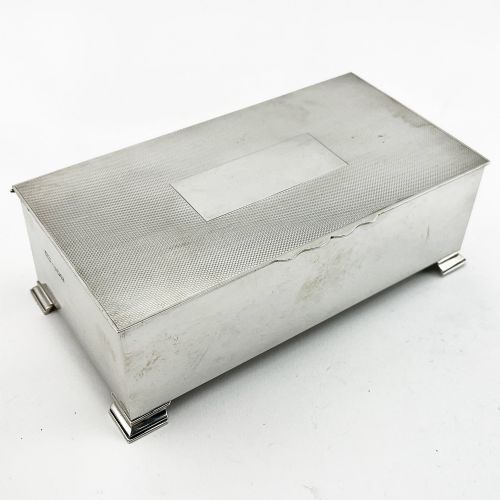
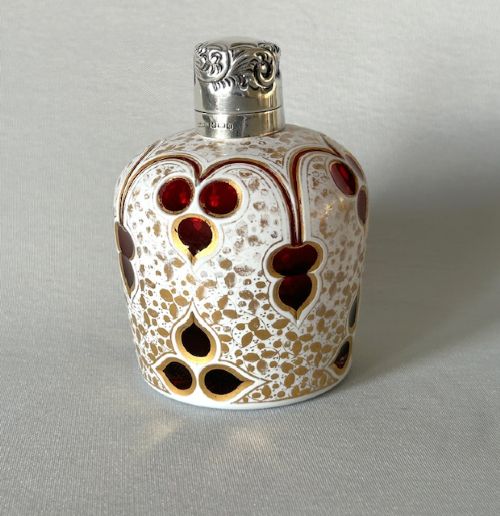
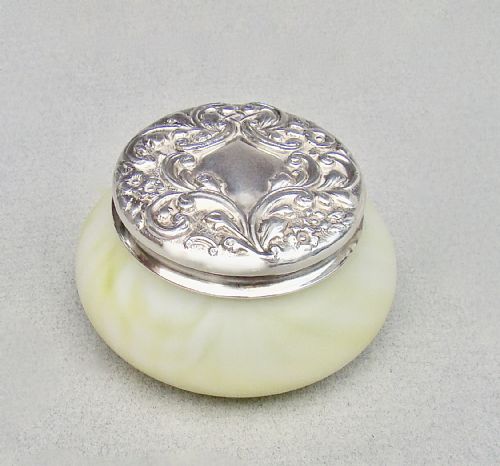
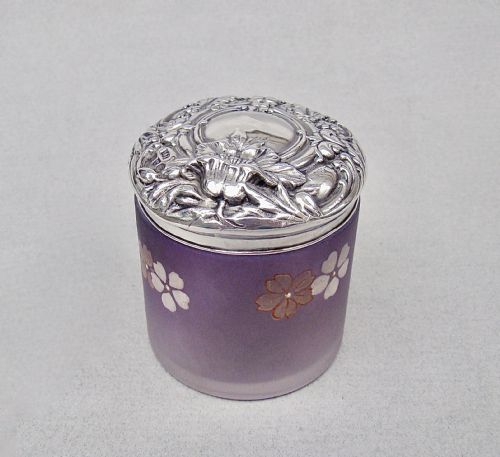
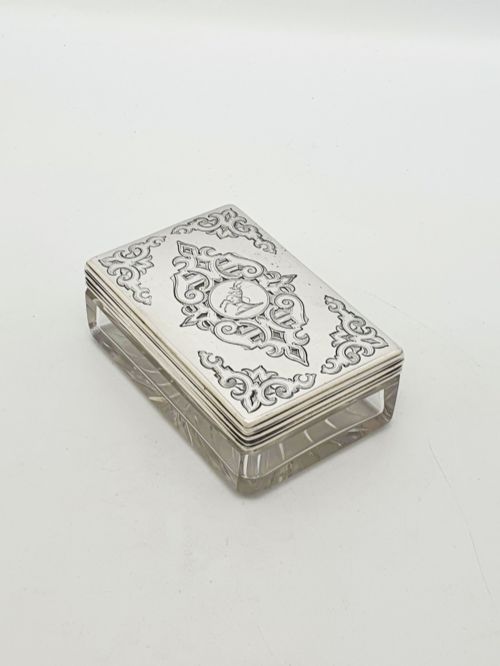
An antique vanity lid typically crowns a dressing table jar, scent bottle, powder box, or trinket container designed for personal grooming accessories. The items appearing in this collection predominantly trace back to the Victorian, Edwardian, and Art Deco periods, frequently merging metal tops with glass or porcelain vessels.
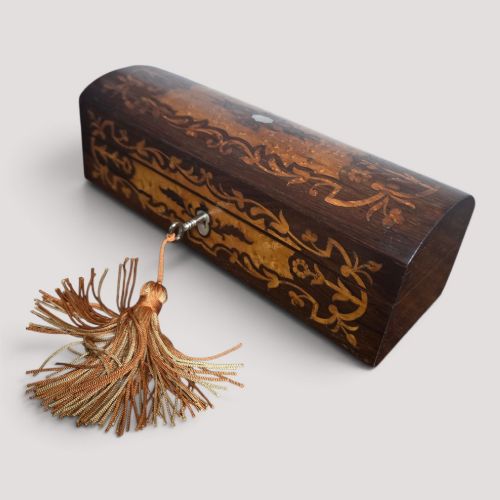
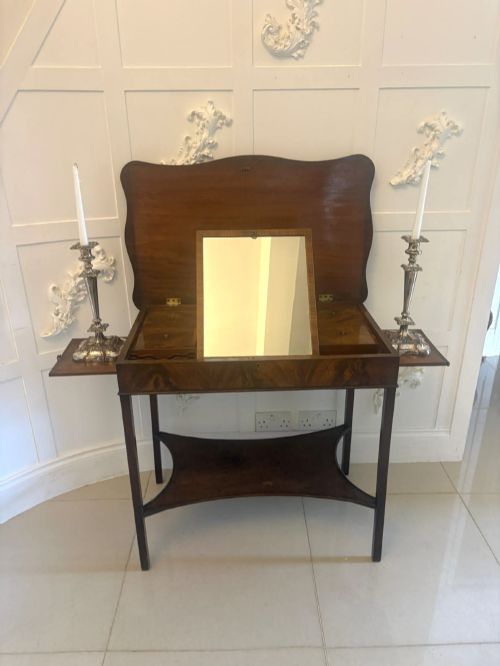
The assortment encompasses varied forms ranging from Georgian mahogany dressing tables down to small pill boxes, cigarette cases, and rouge pots. Makers applied these closures to protect perfumes, cosmetics, and small valuables, creating functional items that doubled as decorative dressing table ornaments.
Buyers seeking this phrase encounter diverse regional styles, including French Rococo Revival pieces, Persian filigree, and English silver mounts stamped with assay marks. The surviving examples demonstrate how dressing table accessories evolved from practical toiletry containers into decorative art objects.
Materials and construction
Artisans constructed these vanity items using sterling silver, brass, and vermeil for the lids and mounts, paired with cut glass, Bristol green glass, satin glass, and porcelain for the main bodies. Metal elements frequently received hand-engraved decoration, guilloche enamel, or repoussé work, while glass components relied on mould-blowing and hand-cutting techniques.
Specialised workshops combined disparate materials such as mother-of-pearl, tortoiseshell, and porcelain plaques set directly into silver frames. Silversmiths stamped hallmarks onto the metal mounts to record the city of assay, year, and maker, anchoring the production dates securely in the historical record.
Antique Vanity Lid Retail Price Guide 2026
Typical asking prices for vanity lid among the pieces listed under this phrase on Sellingantiques today, from the lower quarter to the upper quarter. They describe what is for sale here now, not the wider market.
Assay offices represented on these pieces include Birmingham, Chester, and London, with production dates stretching across the nineteenth and twentieth centuries.
Assessing craftsmanship and condition
Quality in these items rests upon the precision of the metalwork, the clarity of the glass, and the preservation of delicate surface treatments like enamel and hand-painted porcelain. Superior pieces display crisp hallmarks, tight lid fittings that align seamlessly with their vessels, and intact decorative details without surface chips or hairline cracks.
The distinction between standard production items and finer specimens lies in the execution of decorative motifs, such as detailed filigree work or finely rendered miniatures. Items featuring signed maker's marks or specialised glass types like Kralik, Clichy, or Lalique demonstrate elevated manufacturing standards.
A. J. Pepper & Co·A. Bromet & Co·Mappin & Webb·Hasset & Harper·Omar Ramsden·Goldsmith's and Silversmith's Co
The Antique Vanity Lid Glossary
- Assay mark
- A stamp indicating the purity of precious metal and the office that tested it. These marks reveal the exact town and year of manufacture.
- Guilloche enamel
- A decorative technique where intricate geometric patterns are engraved beneath translucent enamel. It frequently appears on Edwardian and Art Deco silver vanity lids.
- Repoussé
- A method of shaping metal by hammering from the reverse side to form raised relief designs. This technique characterises many Victorian silver mounts.
- Vermeil
- Sterling silver plated with a thin layer of fine gold. It provides a rich golden surface finish on dressing table accessories.
- Trinket box
- A small container utilised for storing jewellery or small personal effects. These boxes often feature hinged or lift-off lids mounted with precious metals.
Antique Vanity Lid: Frequently Asked Questions
What are antique vanity lids made from?
These lids are typically constructed from sterling silver, brass, or enamel, often paired with glass, porcelain, or tortoiseshell bodies.
Craftsmen frequently incorporated decorative elements such as mother-of-pearl and hand-painted ceramic plaques into the metal framework.
How do I date an antique vanity lid?
Dating relies heavily on metal hallmarks stamped onto the silver mounts, which indicate the specific year and assay office of production.
Stylistic cues like Art Deco geometric lines or Victorian floral motifs also help narrow down the manufacturing decade.
Were these lids sold separately from the jars?
Most lids were manufactured alongside their matching glass or porcelain containers as unified dressing table sets.
Over time, lids and bases occasionally became separated, though matched pairs remain the standard format for surviving pieces.
How should I clean antique silver vanity lids?
Silver components require gentle wiping with a specialised soft cloth to preserve the underlying metal and any engraved details.
Harsh chemical dips should be avoided, particularly on pieces featuring delicate enamel, tortoiseshell, or glass elements.