


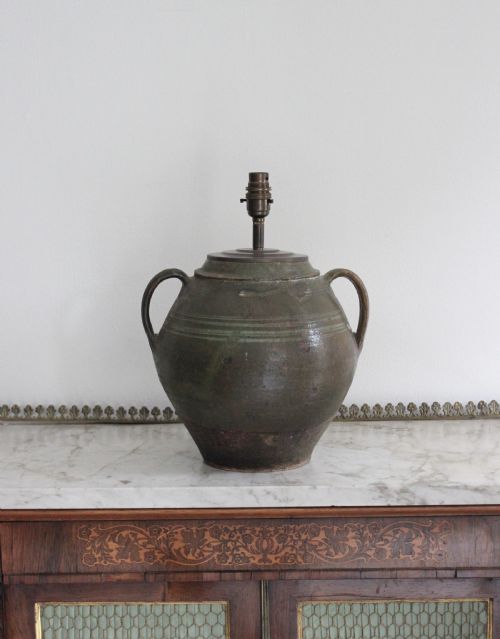
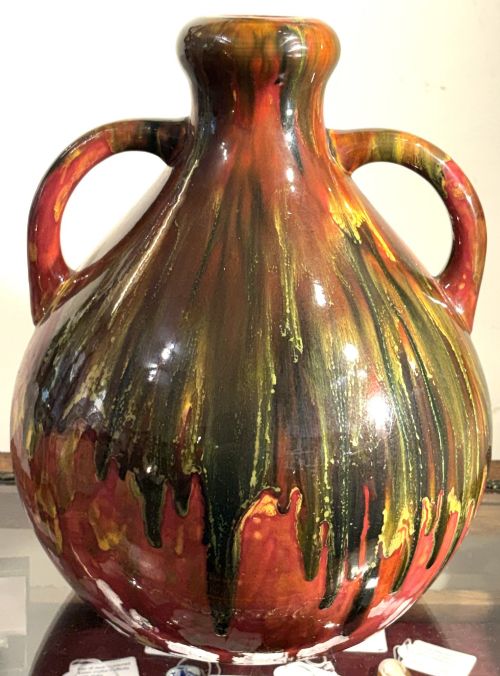
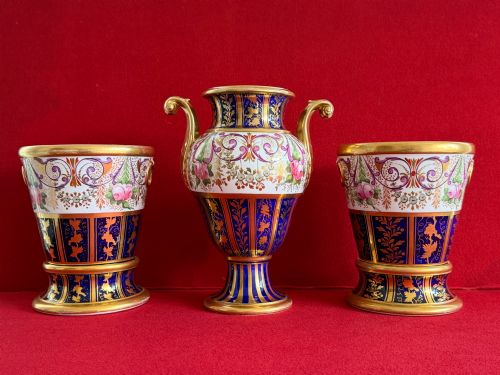
Antique Urn with Handles
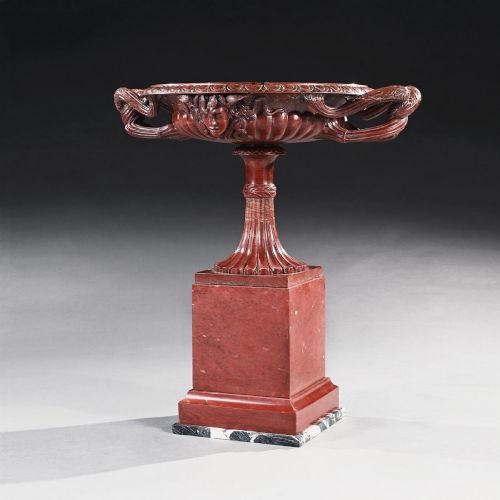
These heavy, grand vessels possess a sculptural presence that anchors a room.
Antique Urn with Handles
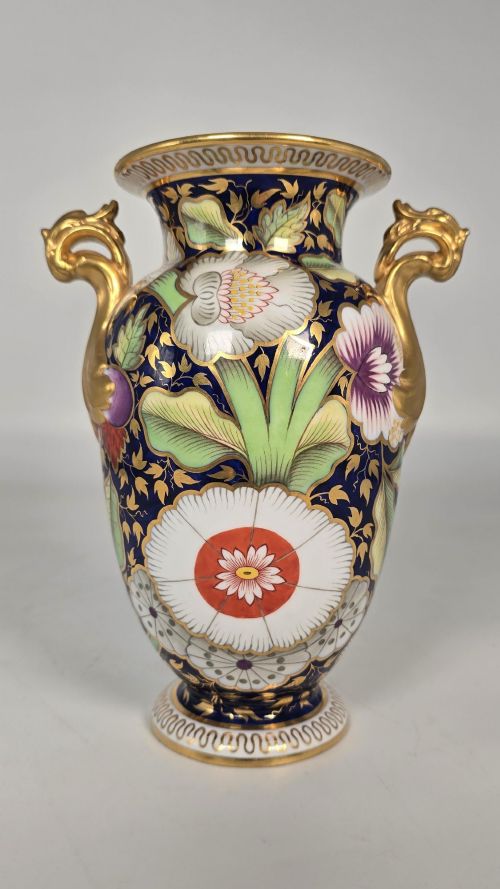
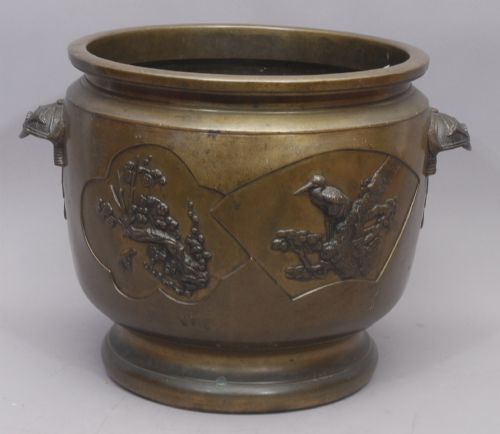
An antique urn with handles takes many forms across different cultures and eras, functioning primarily as a decorative focal point or a ceremonial vessel rather than a utilitarian container. The pieces found here range from grand Japanese bronzes and intricate Chinese cloisonne to fine English porcelain and European faience.
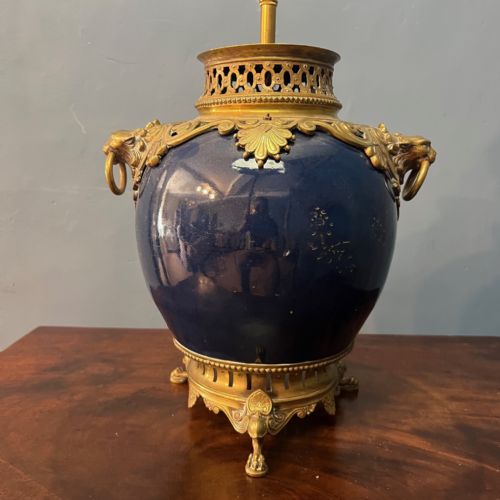
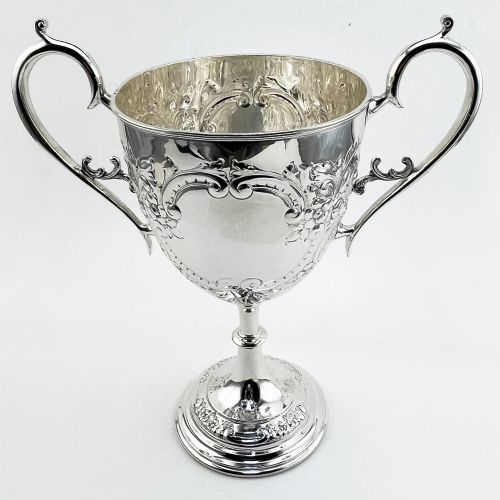
The selection leans heavily toward 19th-century production, featuring Victorian revival styles alongside Meiji period Japanese works and Georgian porcelain. Buyers encounter items defined by twin handles, ranging from delicate gilt mounts to robust animal masks and lions.
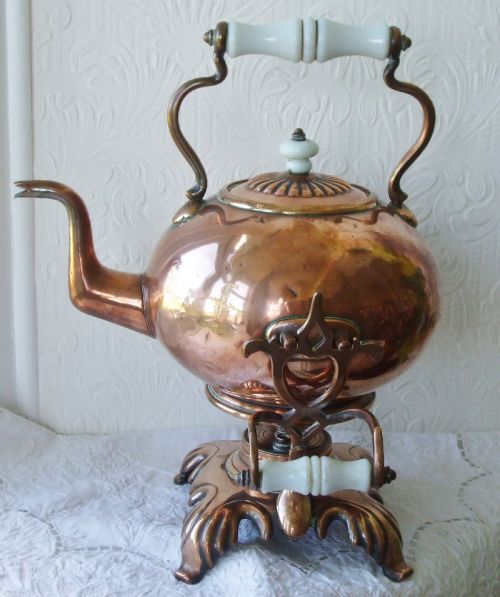
Many objects grouped under this search serve overlapping purposes, shifting between covered vases, wine coolers, spirit kettles, and incense burners. Their shared characteristic is the presence of structural or decorative handles designed to lift or frame the vessel.
Materials and Construction
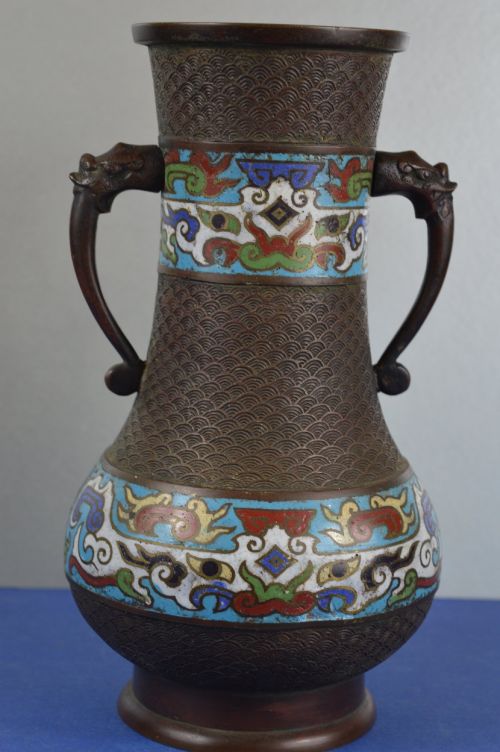
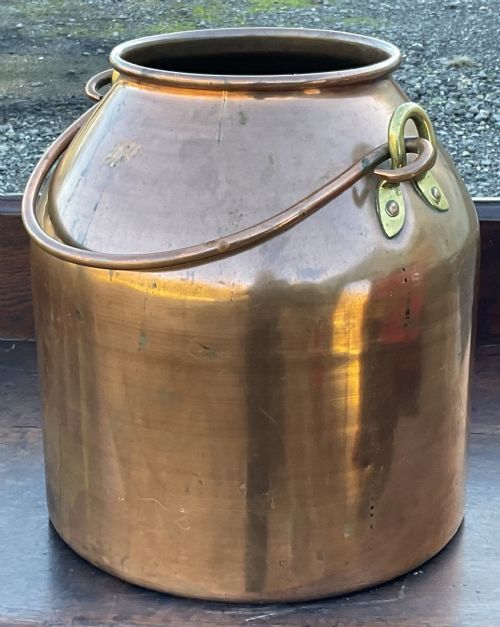
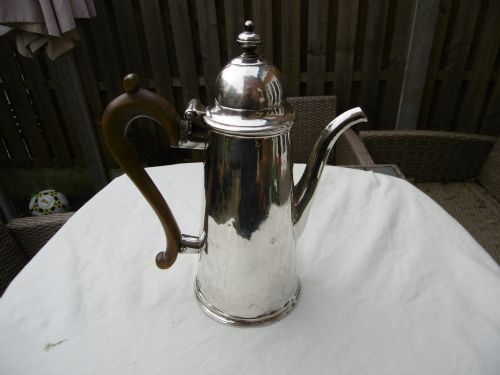
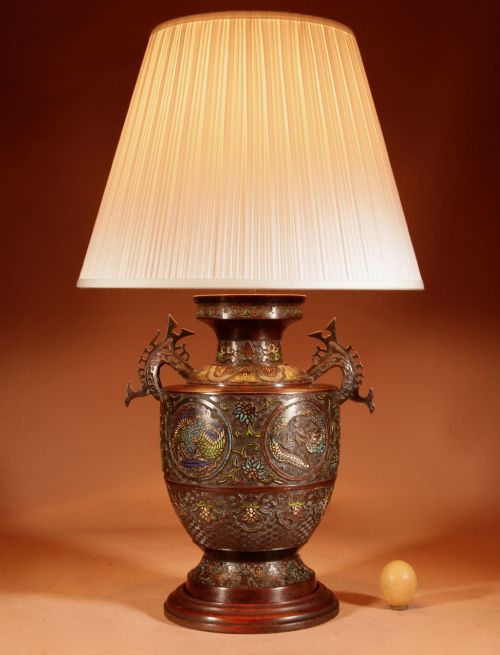
Metals form a substantial pillar of the collection, utilising cast bronze, polished brass, and old Sheffield plate alongside hammered copper. Artisans shaped these metal vessels through casting, chasing, and mounting, frequently applying champleve or cloisonne enamel to the surfaces.
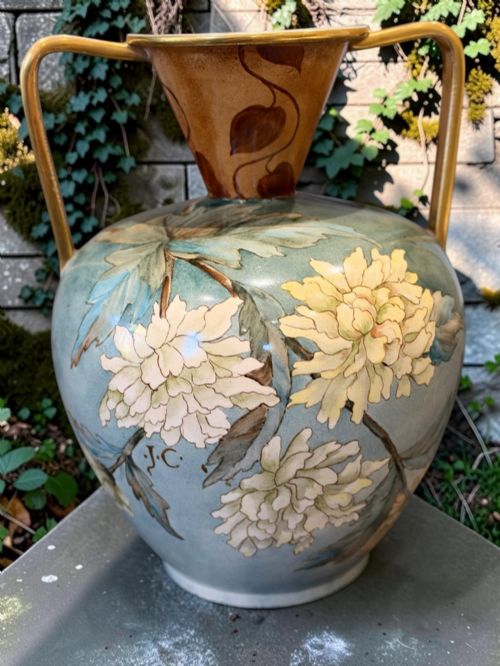
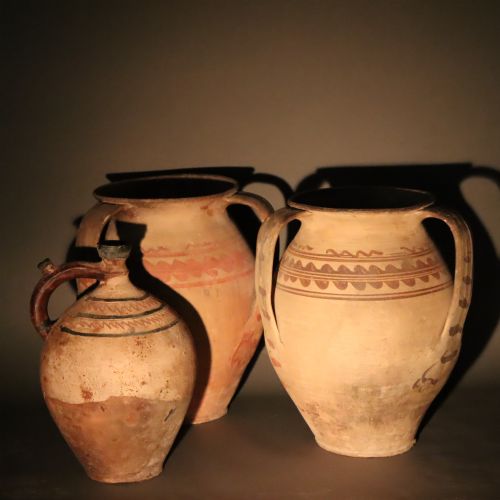
Ceramic pieces rely on porcelain, earthenware, and ironstone, decorated with hand-painted flora, raised white enamel, and gilding. Factories like Worcester, Royal Worcester, and various continental potteries shaped these clays before firing and applying intricate multi-layered glazes.
Secondary elements include applied bronze mounts, wooden stands, and glass bodies, combining disparate media within a single piece. Gilding and gold leaf often highlight the handles and rims, uniting the metallic and ceramic components.
Antique Urn with Handles Retail Price Guide 2026
Typical asking prices for urn with handles among the pieces listed under this phrase on Sellingantiques today, from the lower quarter to the upper quarter. They describe what is for sale here now, not the wider market.
Several pieces feature fantastical beasts for handles, including amphibious monsters, gargoyle masks, and leaping goats.
Assessing the Craftsmanship
Quality rests upon the crispness of the casting in metal vessels and the precision of the brushwork in ceramics. Pieces bearing the hand of named painters or established factories display superior control over detail, colour saturation, and finishing.
The integration of the handles determines much of the structural integrity and aesthetic balance. Finely cast or sculpted handles that harmonise with the body demonstrate a higher tier of design than generic applied attachments.
The preservation of original surface treatments, whether patinated bronze, intact enamel, or unrubbed gilding, separates the best examples from heavily worn pieces.
Matthew Boulton·Chamberlain Worcester·Flight Barr And Barr·Royal Worcester·Samson Paris·Alfred Stellmacher
The Antique Urn with Handles Glossary
- Cloisonne
- Enamelling technique where thin metal wires form raised barriers to contain different coloured pastes before firing. This method creates intricate patterned cells across the vessel body.
- Champleve
- Enamelling process where troughs or cells are hollowed out of a metal surface and filled with vitreous enamel. The surrounding metal walls remain visible as part of the design.
- Moriage
- Japanese ceramic technique applying slip in raised dots or lines to create textured decorative motifs. This method is frequently found on Satsuma and Kutani wares.
- Imari
- Japanese export porcelain style featuring a distinct palette of underglaze blue, iron red, and gold. European factories frequently copied these vibrant decorative schemes.
- Faience
- Tinned glazed earthenware produced in Europe, often mimicking the appearance of fine porcelain. It serves as a base for painted Renaissance revival designs.
- Koro
- Japanese traditional incense burner featuring a pierced lid to release fragrance. These vessels frequently incorporate animal finials and handles.
Antique Urn with Handles: Frequently Asked Questions
What were antique urns used for?
These vessels served primarily as decorative showpieces, ornamental centrepieces, or containers for specific household tasks like wine cooling or burning incense. Their grand scale made them symbols of status and classical taste in period interiors.
Over time, many functioned as display urns on mantelpieces or sideboards, while others retained practical domestic uses as kettles or jardiniers.
How do I style an urn in a modern room?
An urn works best when placed on a sturdy surface where its height and handles can be appreciated without obstruction. Use them as standalone sculptures or fill larger examples with dried botanicals depending on the vessel type.
Pairing a heavy bronze or ceramic piece against a simple wooden or neutral backdrop allows the craftsmanship and patina to command attention.
How can I tell Japanese Meiji bronzes apart?
Meiji period bronzes often display exceptional metallurgical skill, utilising patination techniques that produce deep brown, black, or reddish tones. Look for cast motifs involving naturalistic subjects like fish, dragons, or flora.
The handles on these pieces frequently take the form of fantastical beasts or stylised natural elements, reflecting the high standards of Japanese metalworkers during the late nineteenth century.