




Antique Upholstered Cushion
An antique upholstered cushion sits at the heart of traditional seating, offering both period charm and deep comfort.
Antique Upholstered Cushion
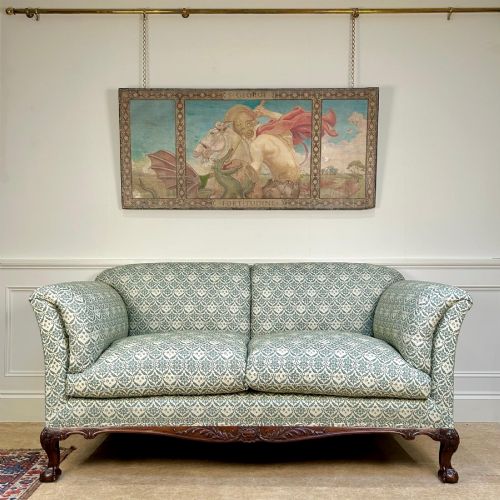
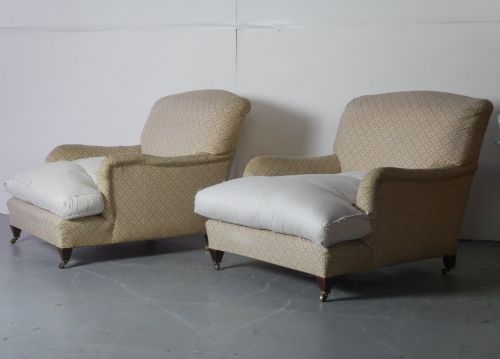
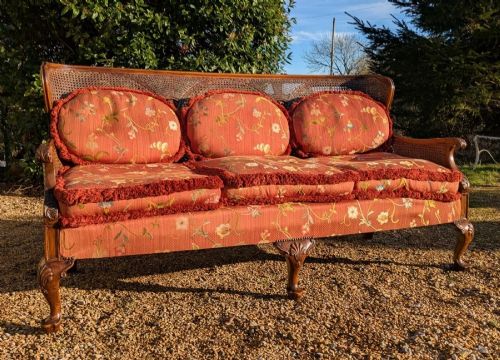
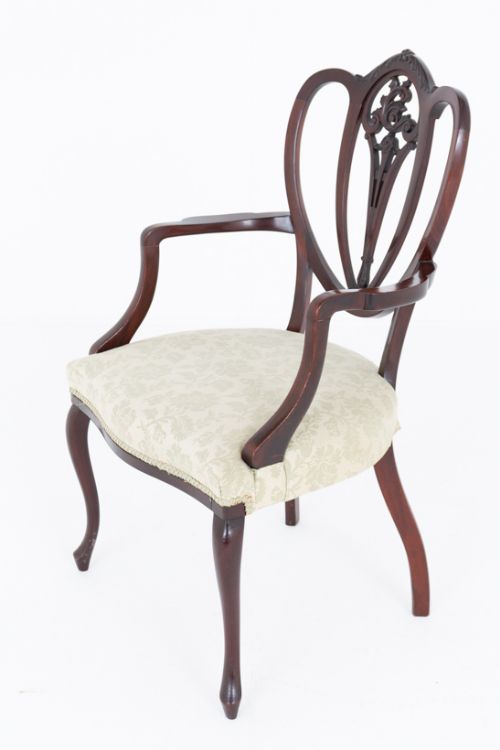
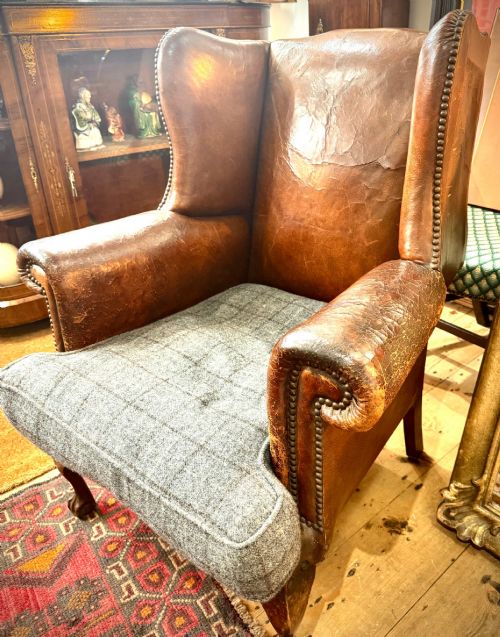
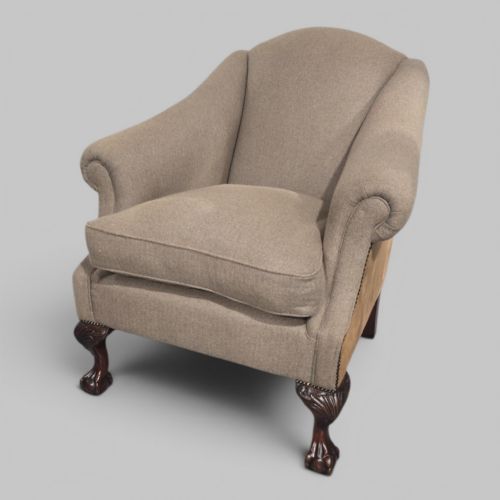
When you search for an antique upholstered cushion, you are looking at the soft seating and loose squabs that complete period armchairs, footstools, and settees. These pieces appear across Victorian, Edwardian, and early twentieth-century formats, often accompanying frames made by notable makers.
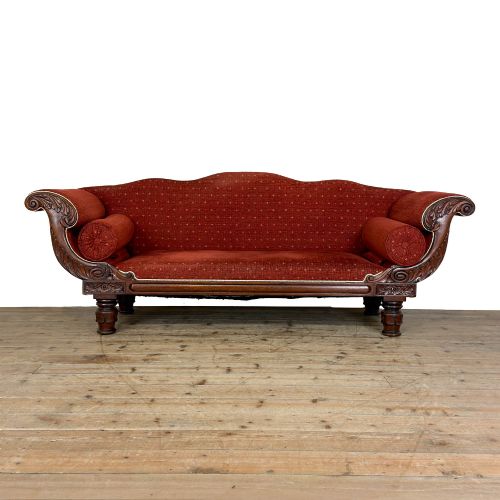
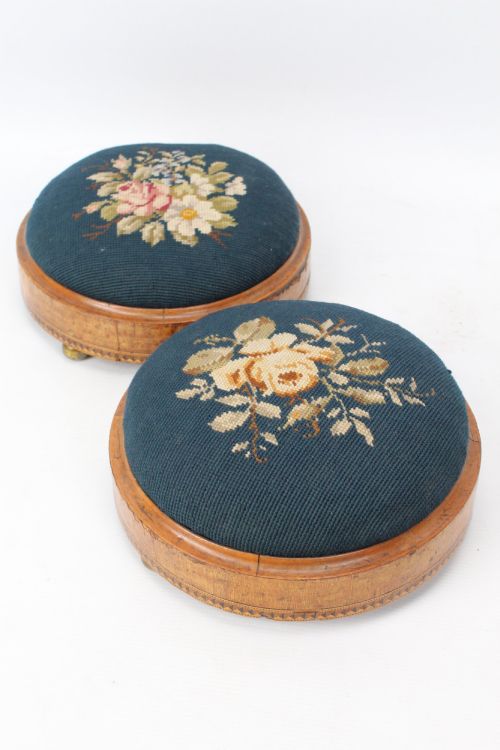
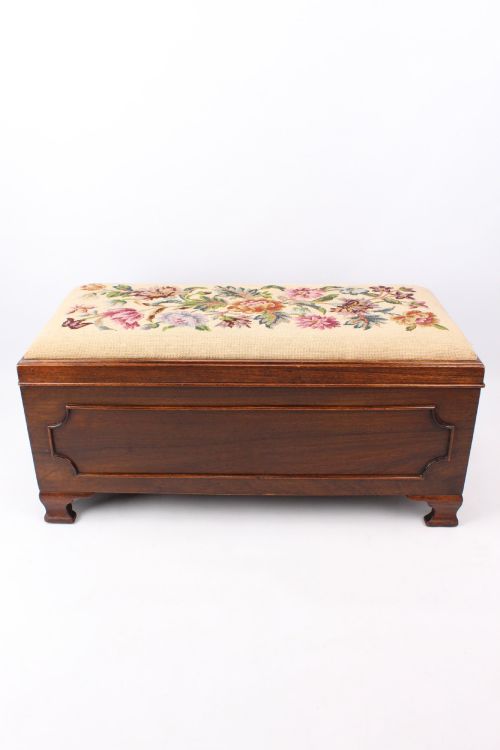
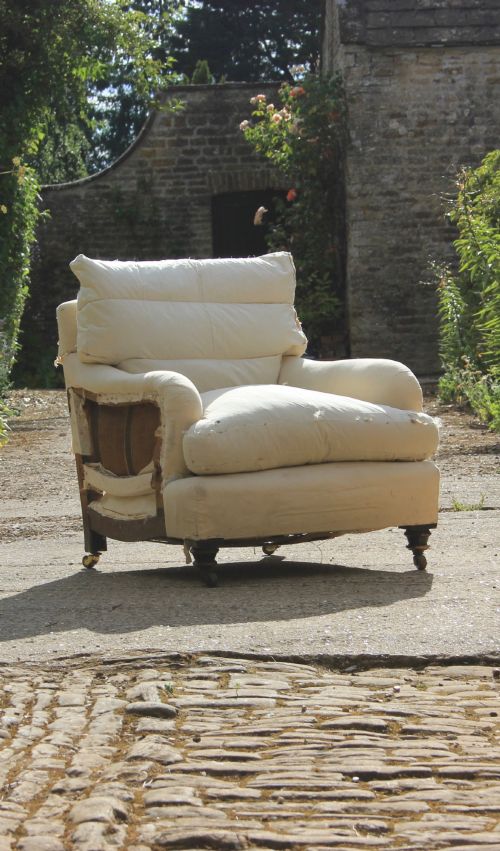
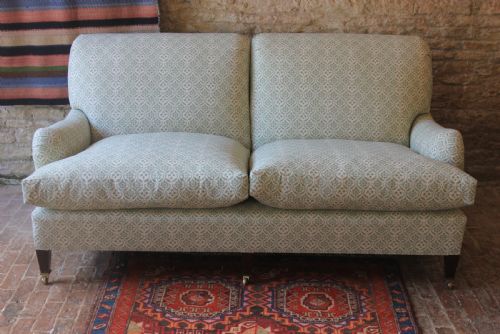
The selection ranges from early Victorian needlepoint footstools to deep-seated English armchairs and Howard & Sons sofas. You will encounter various object types including ottomans, daybeds, and chaise longues, each featuring traditional textile work or period stuffing.
The most common examples on this page date from the nineteenth century through to the 1930s. They combine timber frames in mahogany, walnut, or oak with period upholstery fabric, wool, and feather fillings.
Determining quality in these pieces
Quality rests upon the integrity of the underlying timber frame and the authenticity of its period components. Pieces by established workshops display superior joinery, balanced proportions, and careful selection of woods like walnut or mahogany.
The standard of the upholstery work and the materials used for stuffing dictate the comfort and longevity of the cushion. Original feather fillings and period wool or needlework demonstrate higher craftsmanship than later replacements.
The cohesion between the frame style, such as early Victorian or Regency, and the matching cushion determines the overall historical integrity. Subtleties in carving, turning, and the execution of needlepoint elevate certain armchairs and footstools above standard production.
Antique Upholstered Cushion Retail Price Guide 2026
Typical asking prices for upholstered cushion among the pieces listed under this phrase on Sellingantiques today, from the lower quarter to the upper quarter. They describe what is for sale here now, not the wider market.
Early footstools hid needlepoint secrets beneath plump cushions, giving Victorian ankles a very soft landing indeed.
Howard & Sons·Whytock & Reid
The Antique Upholstered Cushion Glossary
- Squab seat
- A loose upholstered cushion placed upon a chair or settee frame. These removable pads often feature feather stuffing or traditional textile covers.
- Needlepoint
- A type of canvas work embroidery executed with yarn. This technique frequently appears on Victorian footstools and chair seats.
- Bergere
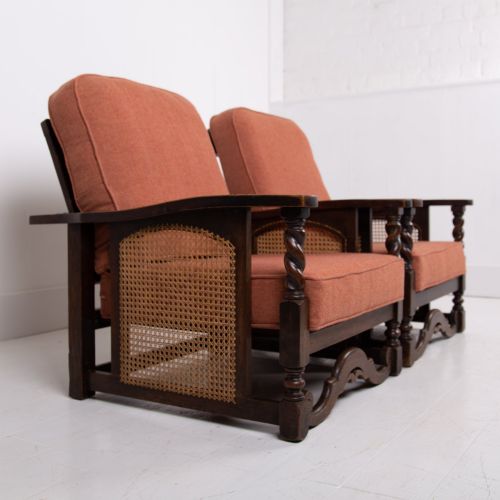
- An enclosed upholstered armchair with a wooden frame, typically featuring cane work to the sides and a loose seat cushion.
- Ottoman
- A low upholstered seat or footstool without arms or back. These pieces often incorporate hinged seats for interior storage.
- Daybed
- A long chair or sofa designed for reclining, featuring an upholstered cushion and often scroll ends or raised headrests.
Antique Upholstered Cushion: Frequently Asked Questions
What is a squab seat?
A squab seat is a loose, removable upholstered cushion designed to fit directly onto the wooden base of a chair or settee. They provide an extra layer of padding and comfort.
In period pieces, these cushions often contain traditional fillings like feathers or horsehair, covered in matching wool or upholstery fabric.
How do I care for antique upholstery?
Protecting antique textiles involves keeping them out of direct sunlight to prevent the wool and upholstery fabric from fading. Gentle surface cleaning helps preserve delicate needlepoint and older weaves.
Avoid heavy chemical cleaners and rely on professional textile conservators for deeper maintenance of nineteenth-century stuffing and covers.
Can I use these daily?
These pieces were built for functional domestic use from the nineteenth century onwards, utilising sturdy timber frames and dense stuffing. Regular sitting is suitable provided the underlying frame and cushion support remain stable.
Heavier pieces like armchairs and settees handle everyday lounging well, while delicate needlepoint footstools benefit from more considerate placement.