


Antique Umbrella Bin
An antique umbrella bin is a sturdy vessel used to hold walking sticks and wet gear, combining practical utility with period craftsmanship.
Antique Umbrella Bin
When you search for an antique umbrella bin, you encounter a varied selection of utilitarian vessels adapted over time to hold walking sticks and wet gear. The pieces on this page span several periods, including Georgian, Victorian, Edwardian, and the mid-twentieth century.
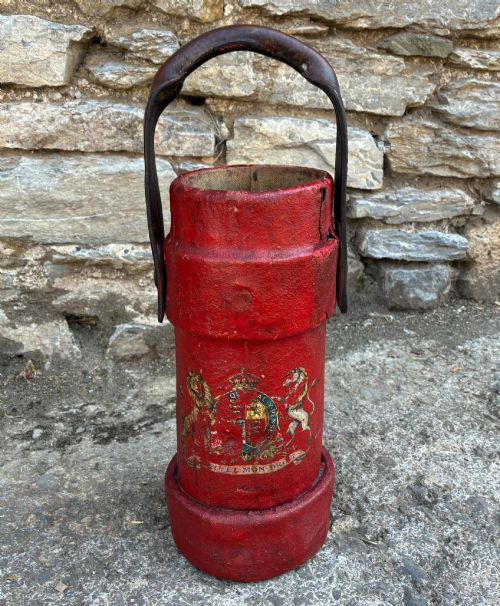
The forms vary considerably, drawing from different functional origins across Europe. You find coopered oak barrels, copper and brass water vessels, painted leather fire buckets, and French grape harvesting hottes pressed into service as umbrella stands.
English oak stick stands often feature traditional barrel construction with umbrella loops, while Scandinavian and French examples bring distinct regional materials like copper and hand-painted leather into the hallway.
Materials and construction methods
Makers utilised durable materials suited to holding wet items, relying heavily on oak, brass, copper, and leather. Oak vessels employ traditional coopered stave construction, binding wooden staves together to form watertight or sturdy cylindrical and oval bodies.
Metal vessels combine beaten copper and brass, sometimes paired with iron or canvas details, whilst leather buckets feature hand-painted finishes applied over stiffened hides. These construction techniques ensured the containers could withstand daily exposure to moisture from wet umbrellas and boots.
Materials seen across these listings include brass, leather, copper, oak, iron, metal, paint, and canvas.
Factors that distinguish quality
Quality in these vessels rests on the integrity of the original construction and the preservation of surface materials. Coopered oak stands show superior joinery when the staves fit tightly and the metal or wooden bands retain their structural tension.
The distinction between ordinary utility items and finer decorative pieces often lies in the quality of surface decoration, such as hand-painted details on leather buckets or the rich patination built up on brass and copper over centuries of use.
The Antique Umbrella Bin Glossary
- Coopered
- Constructed from wooden staves bound together with hoops, much like a traditional barrel. This technique ensures the vessel remains stable and capable of holding items without warping.
- Hotte
- A traditional French backpack carrier, often woven or constructed from natural materials for harvesting grapes. In domestic settings, these deep vessels serve effectively as umbrella or stick holders.
- Cordite Bucket
- A metal container originally designed to safely store munitions during military service. These industrial vessels are repurposed as robust umbrella bins due to their durable metal construction.
- Patina
- The surface sheen and colour acquired by materials like oak, brass, copper, and leather through age and handling. A rich patina indicates long-term use and natural ageing rather than artificial distress.
Antique Umbrella Bin: Frequently Asked Questions
How were umbrella bins used originally?
These vessels were placed in hallways and entryways to hold wet walking sticks, umbrellas, and occasionally fire-fighting equipment. Their primary function was protecting interior floors from moisture.
Over time, utilitarian containers like copper water barrels and leather fire buckets were brought indoors to serve the same practical purpose in domestic halls.
Can I use an antique bin for wet umbrellas?
Many of these pieces were constructed from water-resistant materials like copper, brass, and coopered oak, making them naturally suited for holding damp items. Metal inserts or trays are often employed inside wooden vessels to protect the historic timber from standing water.
Leather and canvas pieces require more care, and using a modern liner inside protects the antique material from moisture damage.
How do I date an antique stick stand?
Dating relies on examining the materials, construction marks, and stylistic details typical of periods such as the Georgian, Victorian, or Arts and Crafts eras. Hand-forged metalwork, specific types of cooperage, and painted heraldry or crests provide strong chronological clues.
Comparing the construction methods to known examples from the nineteenth or early twentieth century helps establish a reliable timeframe.
What is the difference between a stick stand and an umbrella bin?
The terms are often used interchangeably, though traditional stick stands sometimes feature dedicated wire loops or divided racks to keep items separated. Umbrella bins generally refer to deeper, open-topped vessels like barrels, buckets, or hottes that hold items loosely in a single compartment.
Both serve the identical domestic purpose of storing tall handheld accessories in an entrance hall.