

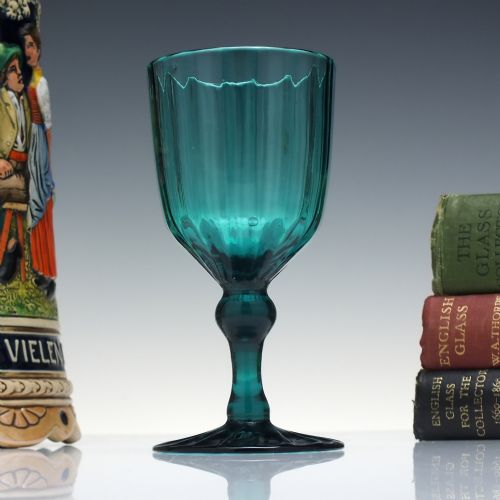


Antique Turquoise Goblet
An antique turquoise goblet brings a striking hit of vibrant colour to a table, combining intense glass hues with classical forms.
Antique Turquoise Goblet
An antique turquoise goblet is a drinking vessel or decorative chalice rendered in striking shades of blue-green glass or enamel. When searching for an antique turquoise goblet, buyers encounter pieces spanning the Georgian and Victorian eras up to the Edwardian period, incorporating styles from Venetian Revival to Qing Dynasty archaistic designs.
The forms on offer range from individual wine glasses and rummers to matched pairs and larger sets intended for wine or liqueur. Many examples showcase vibrant peacock blue or turquoise green tones that reflect light brilliantly across a dining setting.
Methods of manufacture
These vessels rely heavily on traditional glassblowing techniques, including hand-blown production and rib moulding to create tactile texture in the bowl. Makers also utilised cased glass methods, layering different colours together before cutting or gilding the exterior.
Some specialised items incorporate complex metalwork or cloisonne enamel over bronze or copper bases, echoing ancient forms. Details such as applied gold leaf further elevate the decorative surface of Victorian bohemian examples.
Antique Turquoise Goblet Retail Price Guide 2026
Typical asking prices for turquoise goblet among the pieces listed under this phrase on Sellingantiques today, from the lower quarter to the upper quarter. They describe what is for sale here now, not the wider market.
Listings feature lead glass and hand-blown glass items spanning the Georgian, Victorian, and Edwardian periods.
Assessing quality and craftsmanship
Quality rests in the depth and saturation of the turquoise hue, alongside the crispness of any rib moulding or wheel-cut decoration. Pieces featuring multiple cased layers or delicate hand-applied gold leaf demand a higher level of artisan skill.
The overall balance of the stem and foot in relation to the heavy bowl dictates the elegance of the piece. Consistency in the hand-blown metal free of unintended inclusions separates standard glassware from superior cabinet specimens.
Salviati
The Antique Turquoise Goblet Glossary
- Cased glass
- Glass made of two or more distinct layers of different colours, often contrasting, allowing the outer layer to be cut away to reveal the hue beneath.
- Rib moulded
- Glass blown into a patterned mould to produce raised vertical ridges on the body of the vessel, adding texture and strength.
- Rummer
- A heavy, large-bowled drinking glass popular during the Georgian and Victorian eras, typically used for wine, ale or punch.
- Cloisonne enamel
- A decorative technique where enamel paste is applied within compartments created by soldered wire strips on a metal base.
- Latticino
- A Venetian glass technique utilising fine white or coloured glass threads embedded within clear glass to create delicate lace-like patterns.
Antique Turquoise Goblet: Frequently Asked Questions
What were turquoise goblets used for?
These vessels served primarily for drinking wine, rum or liqueurs during formal meals and gatherings. Their rich colour also made them popular as decorative display pieces in cabinets.
Over time, many transitioned from functional dining ware to collectible cabinet items admired for their striking hues and craftsmanship.
How do I date an antique goblet?
Dating relies on observing the pontil mark on the base, the weight of the lead glass, and the manufacturing style characteristic of specific eras like Georgian or Victorian. Stylistic cues such as rib moulding or cased glass techniques also point to particular decades.
Comparing the silhouette and decorative motifs against documented examples helps narrow down the period of production.
Are these goblets safe for daily use?
While many antique glass goblets remain structurally sound, their historical value and delicate materials like gold leaf make hand washing essential. Owners generally reserve them for special occasions rather than everyday dining.
Avoiding thermal shock by keeping them away from extreme temperature changes helps preserve the antique glass.
How should I display coloured glass?
Placing turquoise and blue glass near natural light allows the vibrant pigments to illuminate and show their true depth. Enclosed glass cabinets protect them from dust and accidental knocks while keeping them fully visible.
Grouping pairs or sets together creates a stronger visual impact on a sideboard or mantelpiece.