

Antique Turned Wood Stand
These antique turned wood stand selections offer solid timber construction shaped by the lathe, bringing period utility and traditional craftsmanship into domestic spaces.
Antique Turned Wood Stand
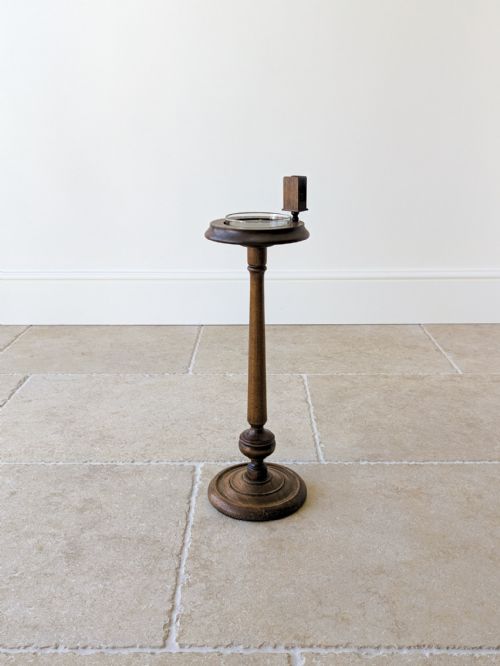
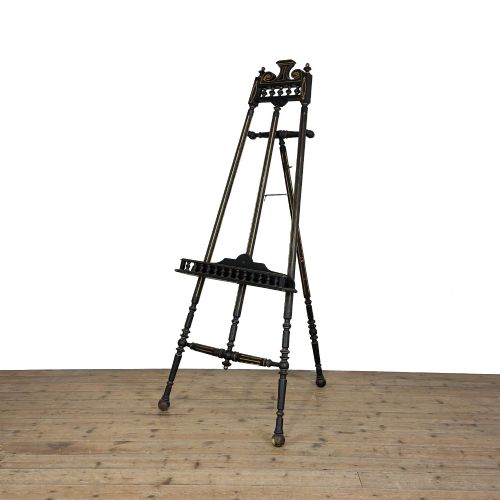
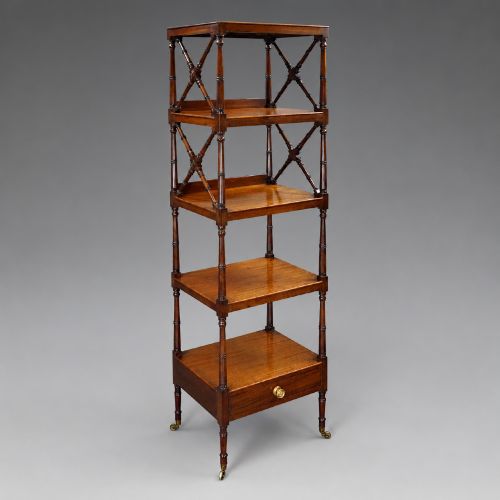
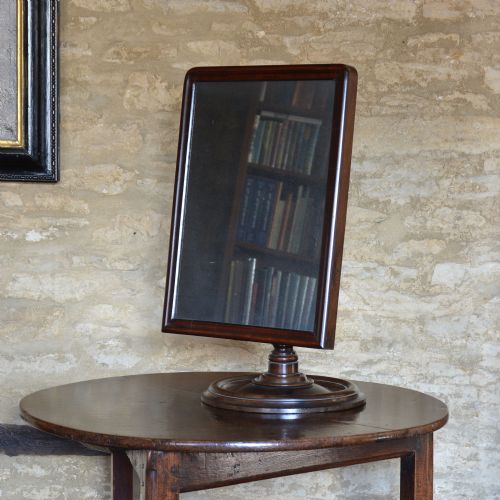
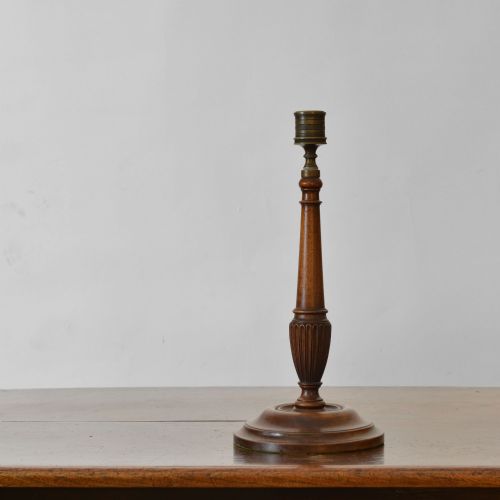
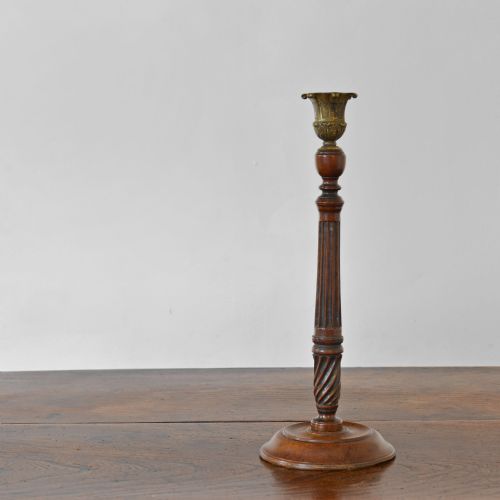
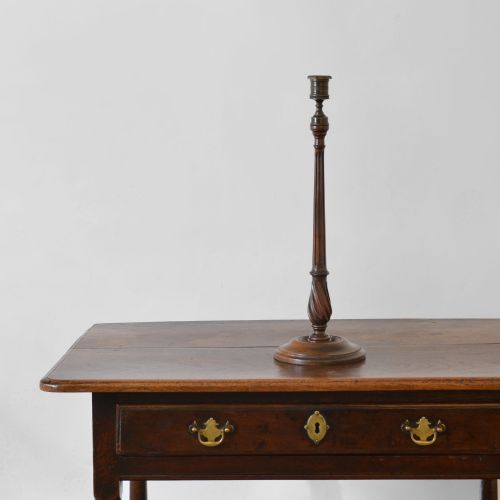
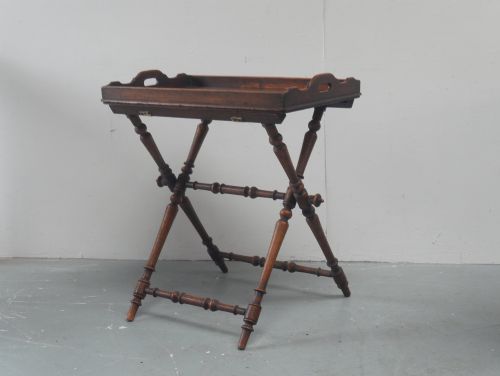
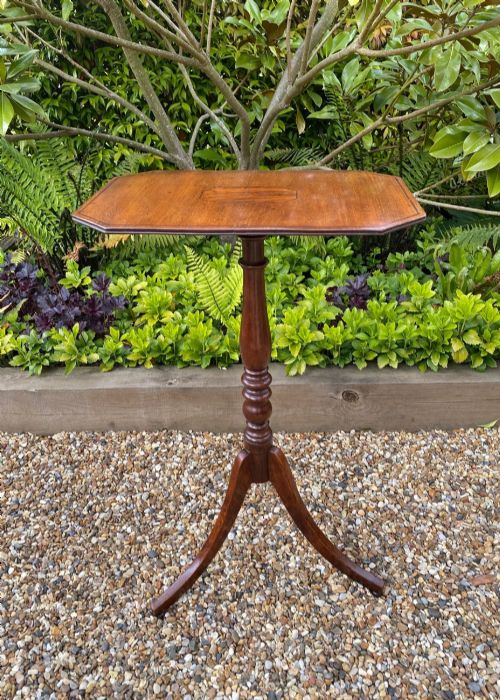
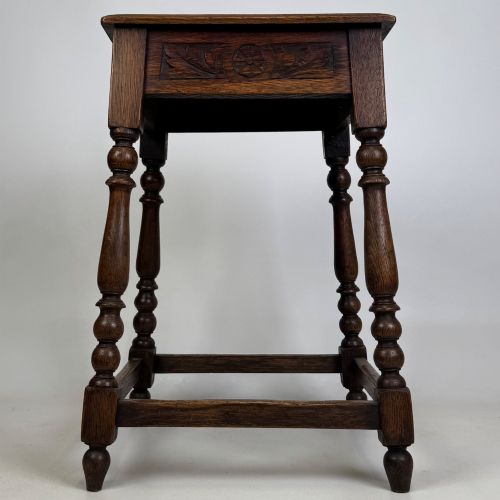
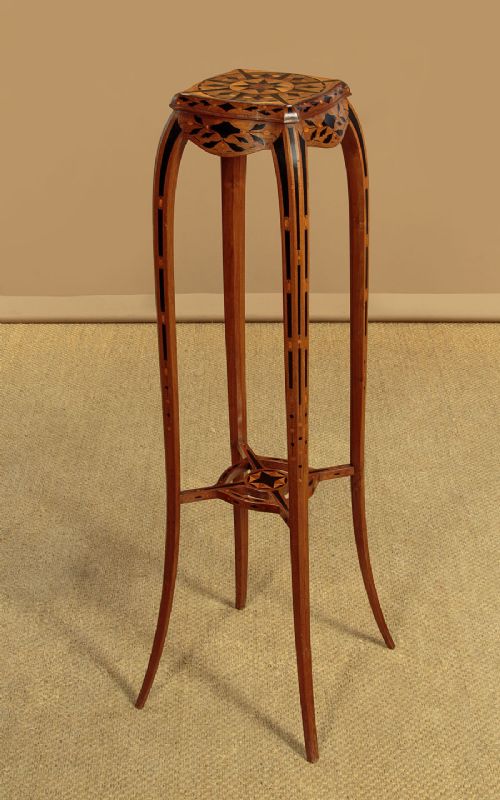
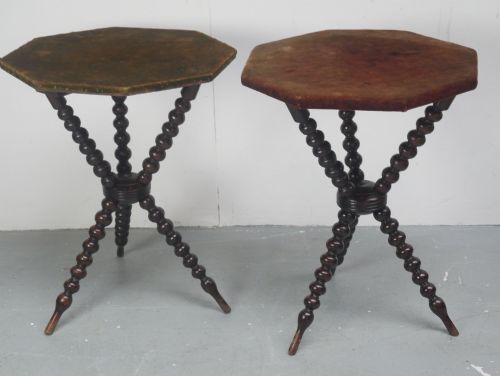
An antique turned wood stand encompasses forms shaped by the lathe across the Georgian, Victorian, and Edwardian periods, utilising timbers such as mahogany, oak, walnut, and rosewood. Buyers encounter functional household items including candlesticks, wine tables, plant stands, torcheres, and small occasional tables.
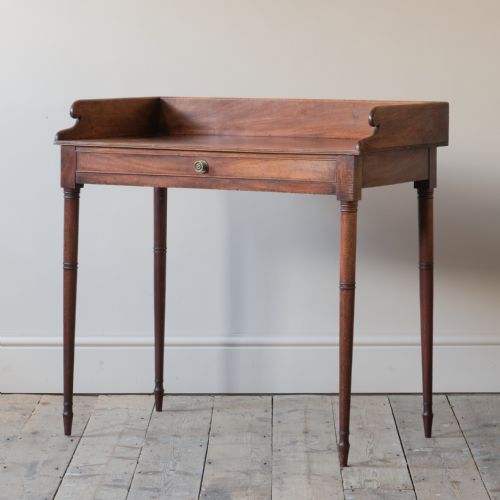
The pieces on this page range from compact Georgian candlesticks and tripod tables to Victorian torchere stands and Edwardian side tables. Each object relies on turned upright supports, central columns, or spindle legs to elevate surfaces and display items within domestic interiors.
Makers and craftsmen applied turning techniques to both utility objects and decorative furniture, producing items that balance physical stability with decorative timber grain. The enduring appeal lies in the straightforward function combined with the visible marks of traditional turning.
Materials and construction methods
Cabinetmakers and turners relied on dense hardwoods including mahogany, oak, walnut, and rosewood, selecting timber for strength and grain pattern. Sections were mounted on a lathe and shaped with gouges and chisels to create symmetrical columns, balusters, and pedestal shafts.
Joints were typically pegged, mortised, or secured via threaded sections on central pillars, linking turned uprights to tripod legs or heavy base plates. Surface finishing involved polishing or waxing to protect the wood while accentuating natural figuring.
Listings feature items spanning the seventeenth century through to the Edwardian era, constructed from mahogany, oak, walnut, and rosewood.
Judging quality in turned wooden stands
Quality rests in the precision of the turning work, where crisp profiles and well-proportioned balusters indicate skilled hand-workmanship rather than mechanical production. The choice of timber also dictates quality, with dense, figured hardwoods showing superior ageing compared to softer or heavily stained substitutes.
Structural integrity separates robust examples from those weakened by poor past repairs or dry timber shrinkage in joints and tenons. Original surface patination and minimal alteration to the structural timber preserve the historical integrity of the piece.
Liberty of London·William Birch
The Antique Turned Wood Stand Glossary
- Torchere
- A tall, slender stand designed to hold a lamp, candle, or decorative plant pot. These pieces usually feature a slender turned column on a tripod base.
- Tripod table
- A small occasional table supported by three legs radiating from a central turned pedestal. This form became popular during the Georgian period for flexibility in room placement.
- Treen
- Small handmade wooden household objects created by turners and woodworkers. The term covers utilitarian items produced before mass manufacturing.
- Tilt-top table
- A table with a hinged top that pivots to a vertical position when not in use. This mechanism allowed the furniture to be stored flat against a wall.
- Whatnot
- A piece of furniture consisting of multiple open shelves for displaying ornaments or books. Supports are often formed of turned wooden columns.
Antique Turned Wood Stand: Frequently Asked Questions
What is an antique turned wood stand used for?
These stands served various domestic purposes including holding candles, supporting wine glasses, displaying plants, or elevating lighting fixtures.
Today they function flexibly in living spaces as side tables, plant pedestals, or accent pieces in hallways and corners.
How do I date an antique wooden stand?
Dating relies on identifying the prevailing furniture style, such as Georgian tripod bases or Victorian ebonised finishes, alongside timber choice and construction marks.
Examining the lathe work and fixing methods helps distinguish eighteenth-century items from later revival pieces.
Are these stands stable enough for daily use?
Most solid hardwood stands remain sturdy if joints are secure and the base weight is distributed evenly across the legs.
Tripod designs require level flooring to prevent rocking, but properly maintained examples handle everyday placement of lamps and small items safely.
What woods were commonly used?
Cabinetmakers primarily worked with dense hardwoods like mahogany, oak, walnut, and rosewood for their durability and appearance.
Selected fruitwoods and boxwood also appear in specific turned components and decorative stringing details.