



Antique Turned Wood Game
An antique turned wood game brings tactile play into a room, offering finely shaped boards, counters, and parlour sets from past centuries.
Antique Turned Wood Game
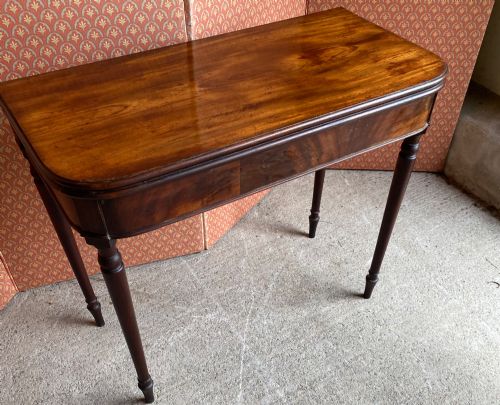
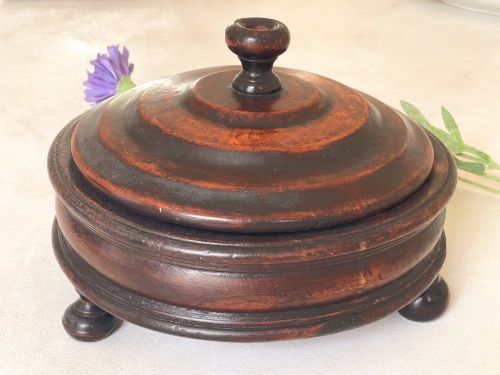
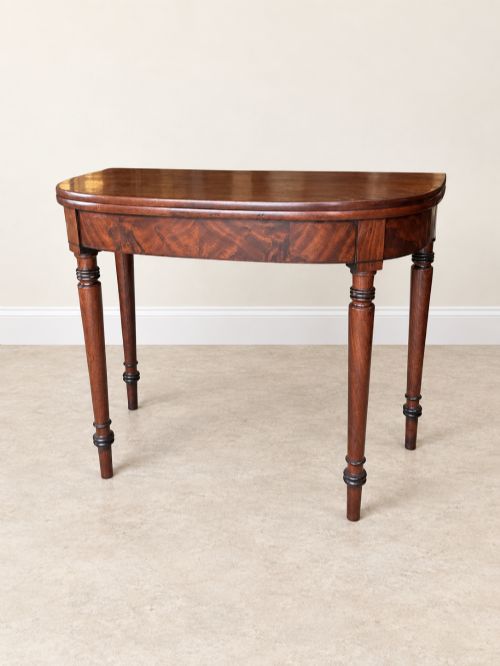
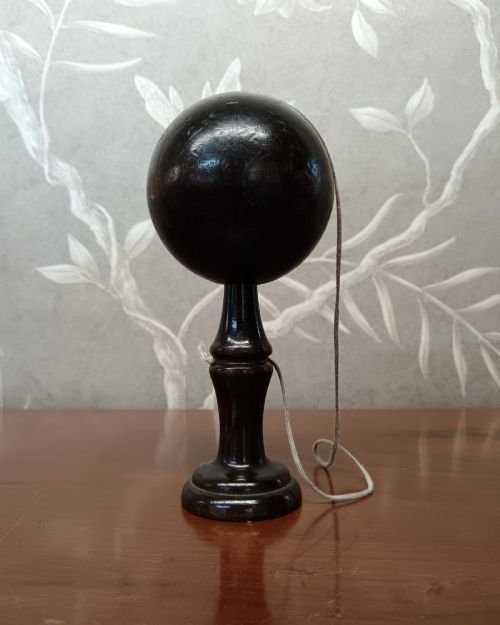
An antique turned wood game encompasses objects formed on a lathe alongside folding tables and integrated boards designed for past forms of social entertainment. These pieces range from treen bilboquet ball and cup toys to complete draughts sets in original boxes and larger gaming tables.
The versions most frequently encountered originate across the eighteenth, nineteenth, and early twentieth centuries, spanning the Georgian, Victorian, and Edwardian eras. Such items often combine structural utility with recreational purpose, appearing as occasional tables or dedicated gaming equipment.
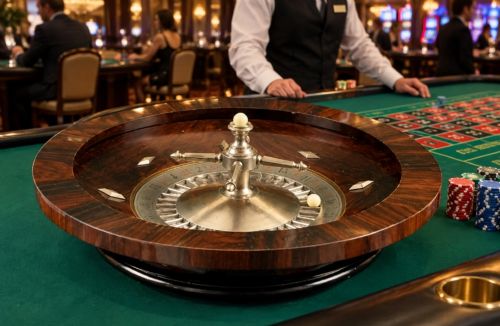
Makers utilised various timber species to construct these items, resulting in objects that functioned as domestic furnishings or handheld parlour items. Collectors find both standalone playing sets and multi-use tables intended for cards, chess, and roulette.
Materials and turning methods
Craftsmen shaped dense hardwoods such as mahogany, rosewood, walnut, boxwood, and ebony using lathe-turning techniques to create symmetrical components for gaming sets and table legs. Contrasting timbers like boxwood and ebony provided clear visual differentiation for playing pieces like chessmen and draughts.
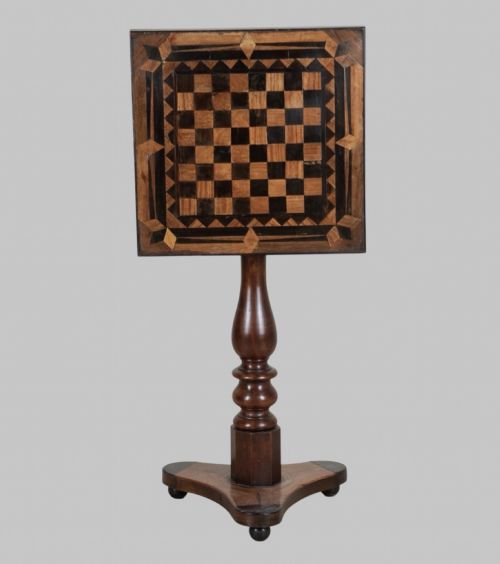
Inlayers decorated table surfaces and boxes using satinwood, burr walnut, and Tunbridge Ware mosaic work to enhance the visual appeal of card and games tables. Structural elements frequently relied on solid mahogany or rosewood, sometimes finished with black lacquer or ebonised treatments.
Joinery methods varied from simple turned wooden toys to complex folding mechanisms on card and tea tables featuring integrated chess boards. Turning formed the primary method for producing spherical counters, cup-and-ball toys, and bird calls alongside table supports.
Antique Turned Wood Game Retail Price Guide 2026
Typical asking prices for turned wood game among the pieces listed under this phrase on Sellingantiques today, from the lower quarter to the upper quarter. They describe what is for sale here now, not the wider market.
Materials recorded across the inventory include mahogany, rosewood, boxwood, ebony, walnut, satinwood, burr walnut, and brass.
Factors of distinction
The standard of execution in turning and inlay work separates finer examples from standard production pieces, particularly in the crispness of moulded edges and balanced proportions. Precision in the lathe work determines the tactile weight and symmetry of individual gaming pieces and treen objects.
The choice of raw materials heavily influences the standing of an item, with figured timbers such as burr walnut, Cuban mahogany, and exotic contrasting woods commanding greater appreciation. Original fitted boxes and complete sets without replacement components maintain higher integrity.
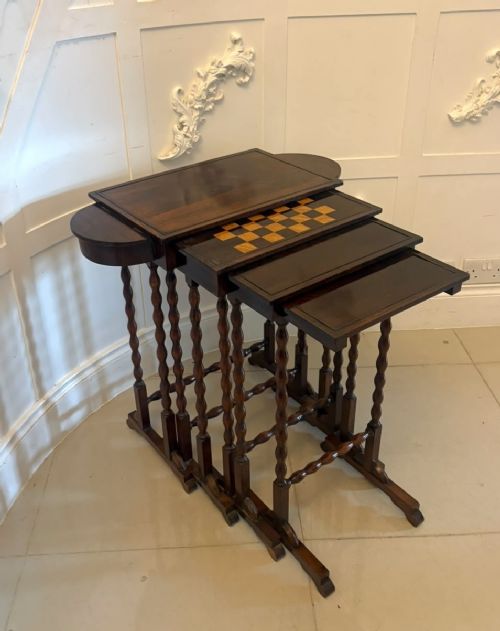
Design complexity, such as integrated chess boards within quartetto nest tables or multi-game fold-over mechanisms, reflects the ambition of the original maker. The preservation of original surface finishes and contrasting inlays without excessive restoration preserves the historical character of each piece.
Gillows·British Chess Company
The Antique Turned Wood Game Glossary
- Treen
- Small handmade wooden domestic objects and toys produced before the advent of mass manufacture. This category includes items such as bird calls, treen bilboquet toys, and small turned containers.
- Bilboquet
- A traditional hand-held skill toy consisting of a ball attached by a string to a cup or spiked handle. Also known as ball and cup, these items are frequently turned from boxwood or ebonised wood.
- Tunbridge Ware
- A type of decorative woodwork characterised by tiny mosaic tiles formed from different coloured natural woods to create geometric or pictorial patterns. This technique frequently decorates nineteenth-century card table tops and box lids.
- Fold over table
- A dual-purpose furniture piece featuring a hinged top that opens to reveal a baize-lined surface for cards or gaming. These tables date predominantly from the Georgian and Victorian periods.
Antique Turned Wood Game: Frequently Asked Questions
What is a bilboquet game?
A bilboquet is a traditional hand-held toy where the player attempts to catch a ball in a cup or on a spike using a string attachment. These items were typically turned from boxwood or ebonised wood during the Victorian era.
Such toys demonstrate simple nineteenth-century turning skills and survive as collectible examples of early parlour entertainment.
Were these tables used daily?
Many games tables doubled as tea or occasional tables when closed, serving multiple functions in a nineteenth-century parlour. Fold-over leaves allowed households to transition a piece from a side table to a card or chess surface during evening gatherings.
This dual utility meant such furnishings remained in active use throughout the week rather than standing idle.
What timbers were used for chess sets?
Makers selected contrasting hardwoods to ensure clear visibility during play, pairing pale boxwood with darker ebony or rosewood. Turning these pieces required precise lathe work to maintain uniform sizing across complete sets of pawns and major pieces.
Original boxes often accompanied these sets for safe storage between parlour games.