




Antique Turned Mortar
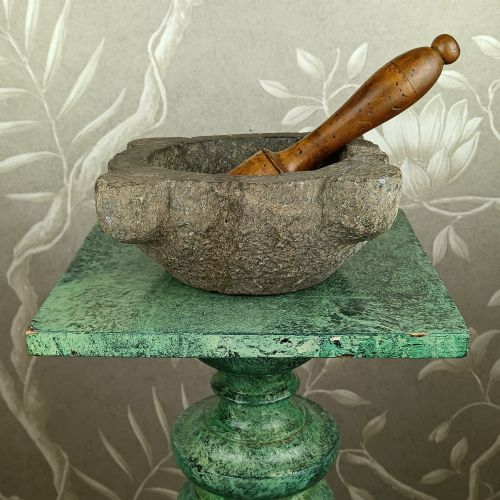
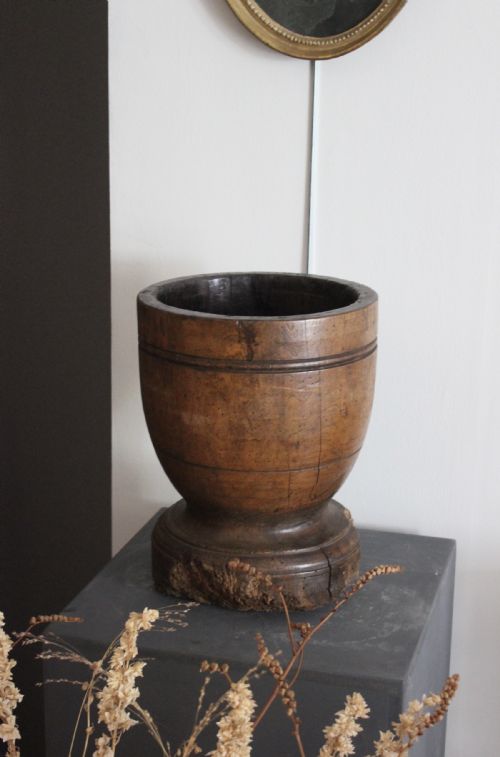
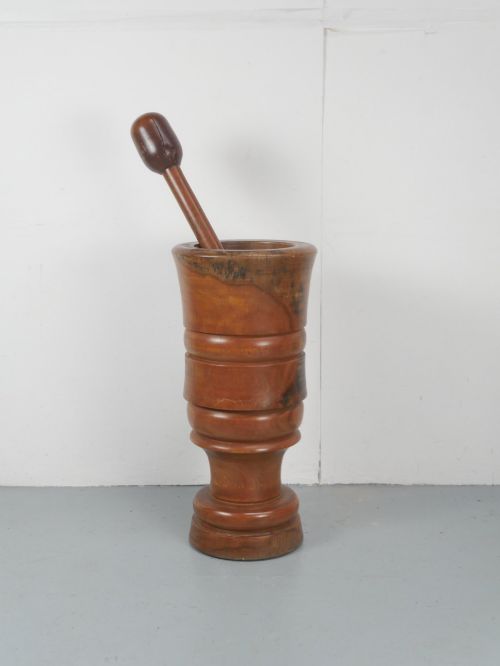
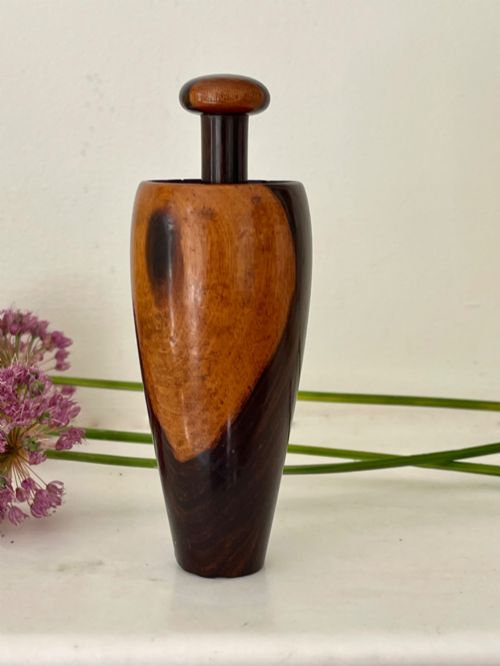
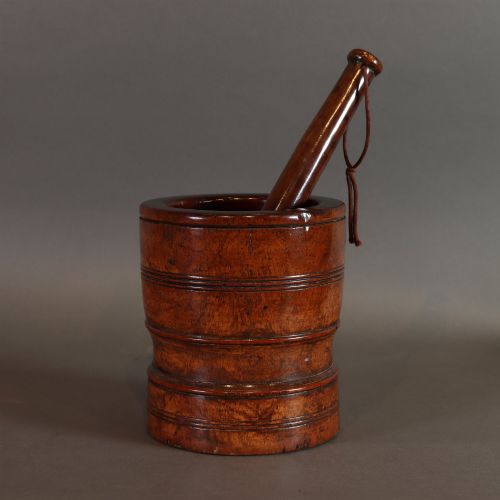
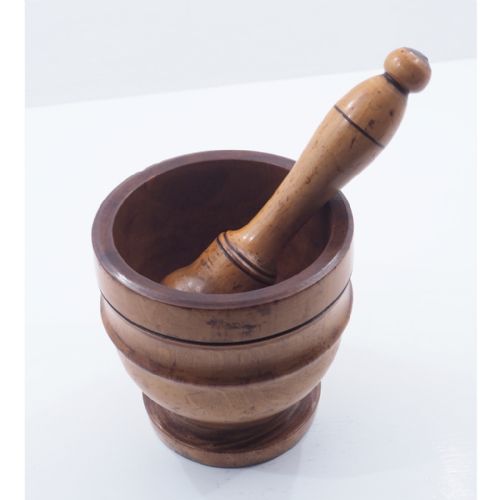
These heavy turned vessels are an antique turned mortar, shaped for crushing and grinding spices, herbs, or medicines.
Antique Turned Mortar
When you search for an antique turned mortar, you encounter solid domestic vessels designed for heavy kitchen, apothecary, or workshop use. The pieces span from the seventeenth century through the nineteenth century, reflecting centuries of practical utility.
You are most likely to meet dense treen examples turned from rich hardwoods like lignum vitae and walnut, alongside occasional metal pieces in bronze and bell metal. These items range from large seventeenth-century specimens down to smaller spice and snuff grinders.
The forms encompass traditional kitchenalia and apothecary equipment, often accompanied by their original pestles. Styles vary from seventeenth-century folk art and English traditional treen to Dutch Baroque metalwork and Victorian utility.
Materials and turning methods
Makers shaped these vessels on a lathe using exceptionally dense woods such as lignum vitae, walnut, and assorted hardwoods. This heavy turning produced robust walls capable of withstanding the repeated impact of a pestle during grinding.
Alternative examples utilise cast bronze and bell metal, poured into moulds before finishing. These metal mortars often feature decorative ribbing, flared rims, and cast handles that distinguish them from turned wooden counterparts.
Antique Turned Mortar Retail Price Guide 2026
Typical asking prices for turned mortar among the pieces listed under this phrase on Sellingantiques today, from the lower quarter to the upper quarter. They describe what is for sale here now, not the wider market.
Some seventeenth-century lignum vitae mortars are so heavy they double as doorstops.
Judging substance and survival
Quality rests upon the density of the material and the integrity of the turning. Heavy lignum vitae and well-cast bronze command greater appreciation than softer fruitwood or wood weakened by shrinkage splits.
The presence of a matching original pestle elevates an object. Surface patination, tool marks left by the lathe, and deep colour acquired through decades of handling also define a superior piece.
The Antique Turned Mortar Glossary
- Treen
- Small handmade wooden household objects. These items display the grain and tool marks of early domestic utility.
- Lignum Vitae
- A dense, heavy tropical hardwood used for turned vessels. This material sinks in water and resists splitting under heavy impact.
- Bell Metal
- An alloy of copper and tin used for casting metal mortars. The composition produces a resonant tone when struck.
- Kitchenalia
- Domestic utensils and equipment used in food preparation. These functional objects now serve as decorative antiques.
Antique Turned Mortar: Frequently Asked Questions
What is an antique turned mortar?
An antique turned mortar is a solid bowl-shaped vessel used with a pestle for crushing herbs, spices, or medicinal ingredients. They were essential tools in kitchens, apothecaries, and households.
Most surviving examples are made from dense turned hardwoods or cast metals like bronze. Their sturdy construction allowed them to endure centuries of daily physical use.
How do I date a wooden mortar?
Dating relies on examining the timber species, turning style, and tool marks left on the surface. Earlier seventeenth-century pieces often display thicker walls and heavy lignum vitae construction.
Later nineteenth-century examples tend to show finer, more regular turning profiles and different wood selections like walnut. Comparing the form to dated pieces helps narrow the period of origin.
Did wooden mortars include pestles?
Many surviving mortars retain their matching pestles, though many were separated or lost over centuries of use. Finding a matched pair increases the completeness of the object.
Pestles were turned from the same wood as the bowl to ensure uniform hardness and weight during grinding tasks.
How do I care for wooden treen?
Wooden treen requires stable indoor humidity away from direct heat sources and strong sunlight. Excessive dryness causes hardwoods to shrink and develop splits.
Applying occasional light mineral oil or beeswax helps preserve the natural sheen and prevents the surface from drying out over time.