

Antique Turkmen Rug Hanging
When searching for an antique turkmen rug hanging, you find woven and embroidered Central Asian tribal pieces created for nomadic life.
Antique Turkmen Rug Hanging
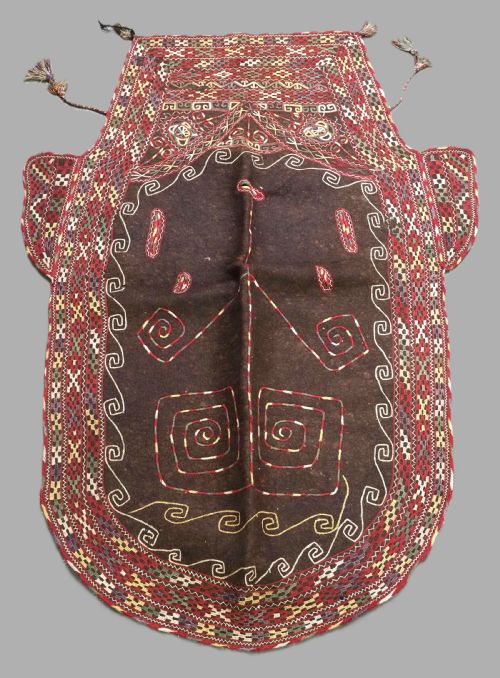
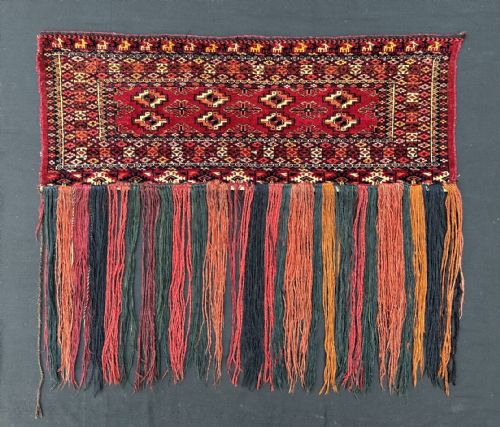
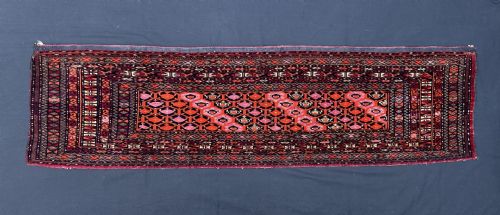
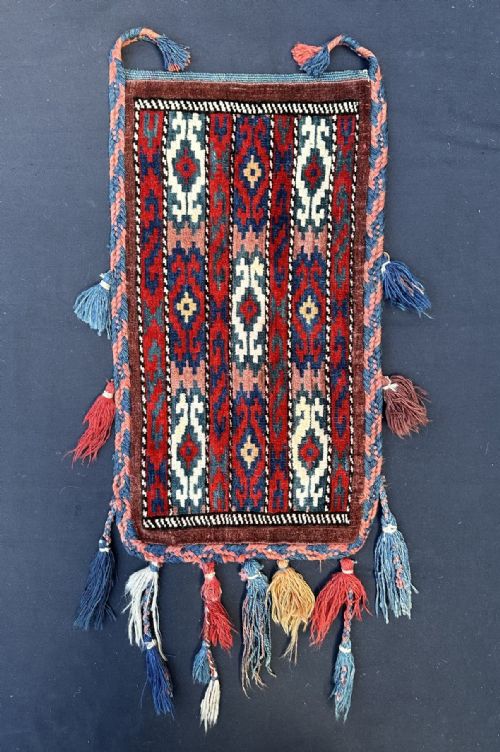
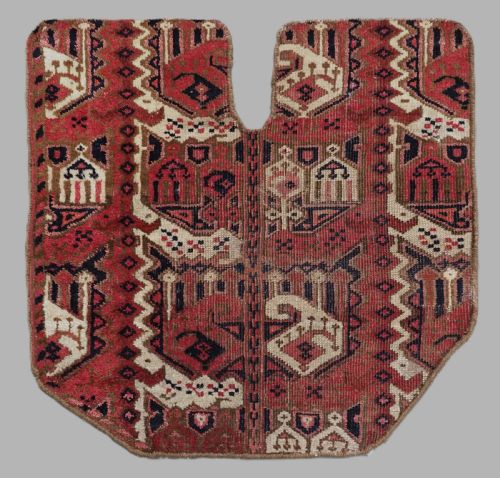
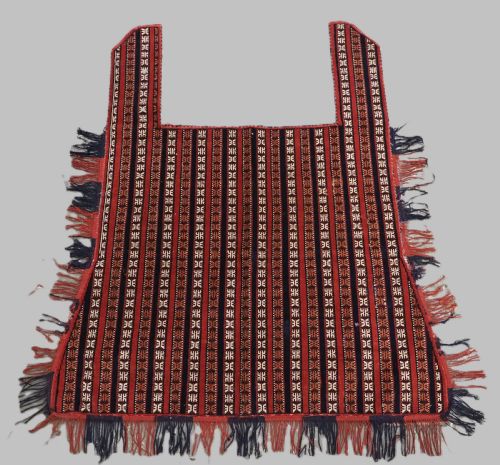
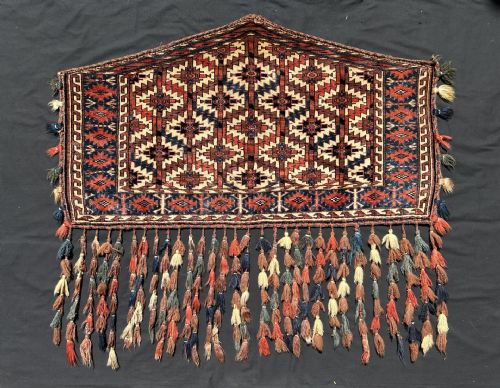
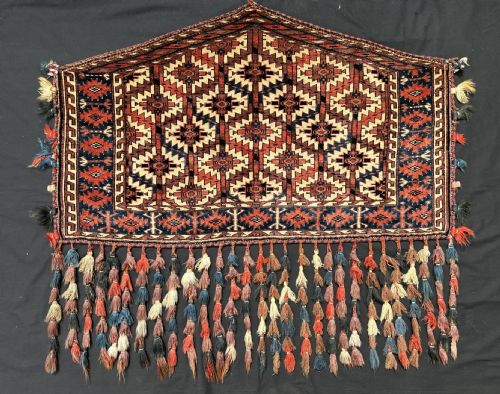
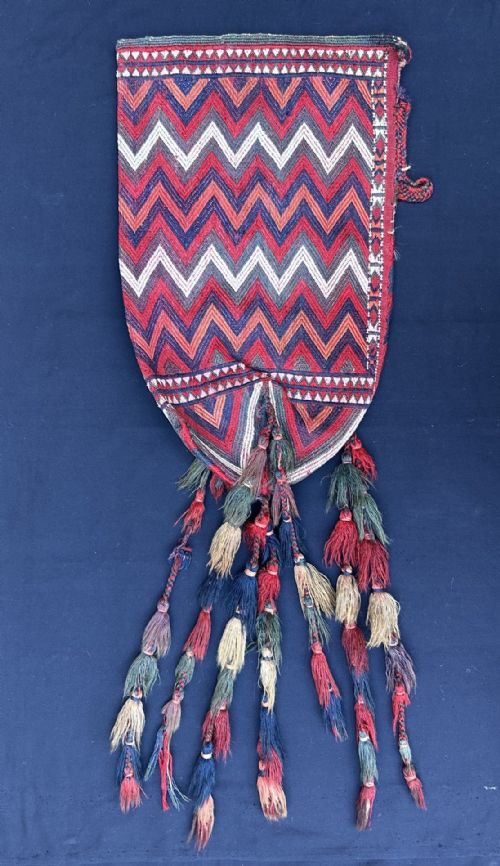
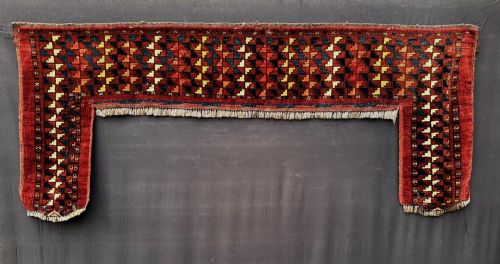
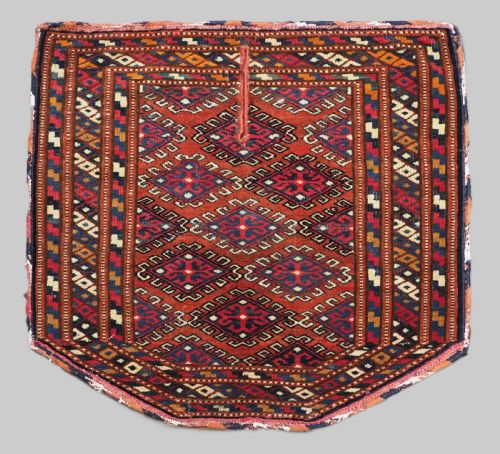
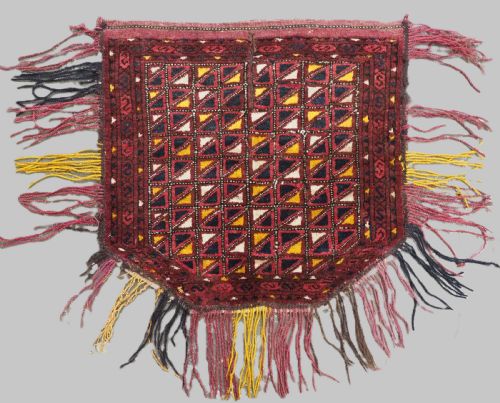
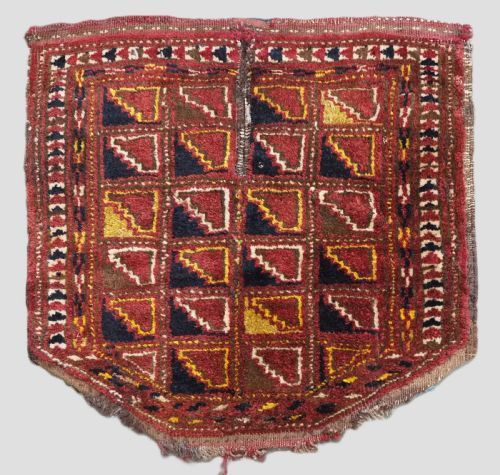
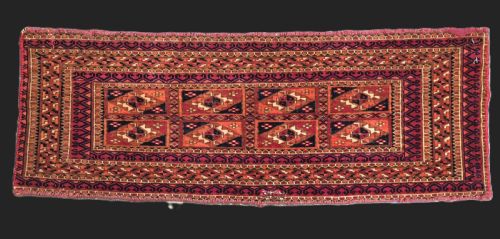
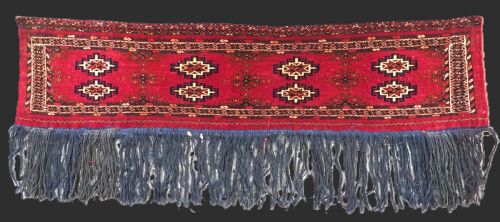
An antique turkmen rug hanging encompasses nomadic tribal weavings from Central Asia, including asmalyks, torbas, chuvals, and tent door rugs known as ensis. These functional items served practical and ceremonial purposes within tribal dwellings and during migrations.
The selection frequently presents pieces attributed to specific tribal groups such as the Yomut, Tekke, Ersari, and Saryk. Buyers encounter various utilitarian forms designed for storage, animal trappings, or tent furnishings rather than standard floor carpets.
Originating largely from the nineteenth and early twentieth centuries, these textiles reflect distinct regional aesthetics across Turkmenistan and surrounding steppes. Each weaving style embodies the specific heritage and traditional motifs of its maker.
How they were made
Weavers constructed these textiles primarily using hand-spun wool foundations, frequently incorporating cotton and felted wool elements for texture and structure. Artisans added finer details utilising silk thread and cotton thread for embroidery highlights.
Natural dyes provided the rich palette characteristic of these tribal works, interacting with the wool fibres over generations. Skilled hands executed dense knotting and flatweave techniques, often combining pile surfaces with plain weave backs.
Listings feature pieces spanning the mid-nineteenth century through the early twentieth century, originating from Central Asian regions.
What varies in quality
The standard of an antique turkmen rug hanging depends on the fineness of the weave and the precision of the tribal guls executed by the weaver. Denser knotting and careful handling of complex geometric layouts distinguish superior examples from simpler ones.
Preservation of original borders, tassels, and structural backs significantly influences the character of each piece. The depth and stability of the natural dyes further separate standard utility items from exceptionally rendered ceremonial works.
The Antique Turkmen Rug Hanging Glossary
- Asmalyk
- A triangular or pentagonal trapping produced by Yomut and other tribes, traditionally hung on a bridal camel during wedding processions.
- Torba
- A small utility bag utilised within the yurt for storage, often displaying repetitive tribal guls along the face.
- Chuval
- A large storage bag used by nomadic families, woven in pile technique and featuring rows of primary motifs.
- Gul
- A repeating primary medallion or heraldic motif characteristic of specific Turkmen tribal groups.
- Ensi
- A specialised rug hung over the interior entrance of a yurt, distinguished by a cruciform division of the central field.
Antique Turkmen Rug Hanging: Frequently Asked Questions
What is a turkmen rug hanging used for?
Nomadic tribes utilised these textiles primarily for storage, animal trappings during ceremonies, and interior yurt decoration rather than floor use.
Items ranged from tent door hangings to bridal trappings and saddle covers, serving essential practical and cultural roles.
How do you identify different tribal groups?
Distinctions rest on specific structural characteristics, palette choices, and recurring medallion designs known as guls.
Tribes such as the Yomut, Tekke, and Ersari maintained distinct visual vocabularies passed down through generations.
Are these textiles meant for the floor?
Most surviving examples functioned as hanging bags, tent door coverings, or animal decorations rather than walking surfaces.
Their delicate pile, wool foundations, and original formats suit wall display or collection rather than heavy foot traffic.
What materials did nomadic weavers use?
Weavers relied heavily on hand-spun wool, cotton, and occasionally felted wool for the structural body of the textile.
Natural dyes provided the coloration, sometimes accented with silk thread for specific embroidered details.