
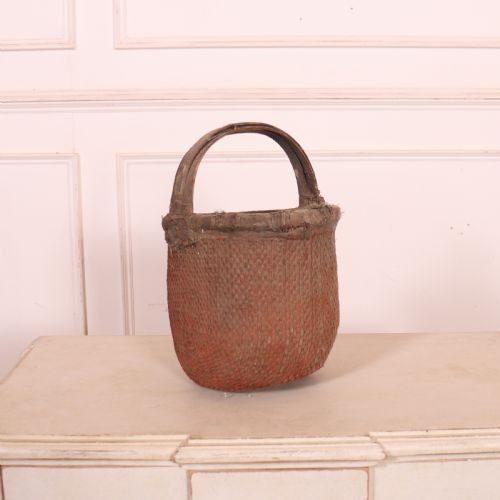


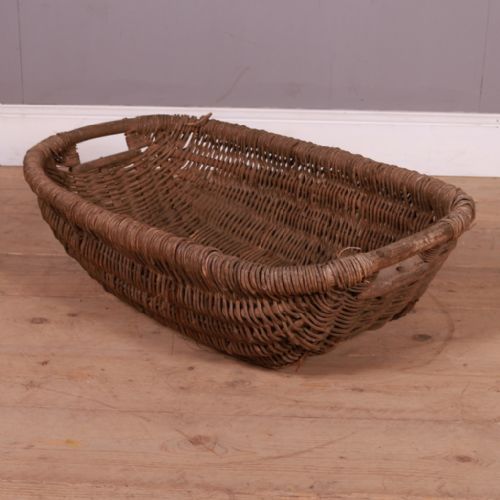


Antique Trug
An antique trug is a utilitarian carry for the garden, harvest or kitchen, prized for honest construction in willow, oak and wicker.
Antique Trug
When you search for an antique trug, you encounter hardworking containers designed for gardens, markets and country houses. These utility pieces span centuries, originating as functional vessels for gathering fruit, flowers, vegetables and heavy goods.
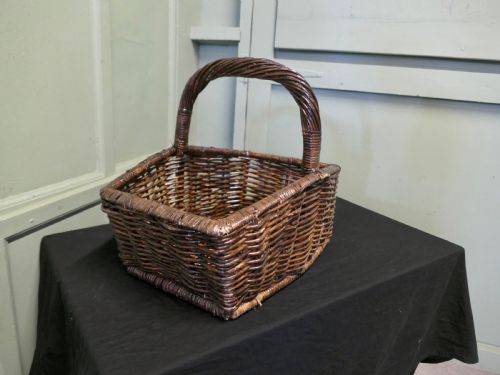
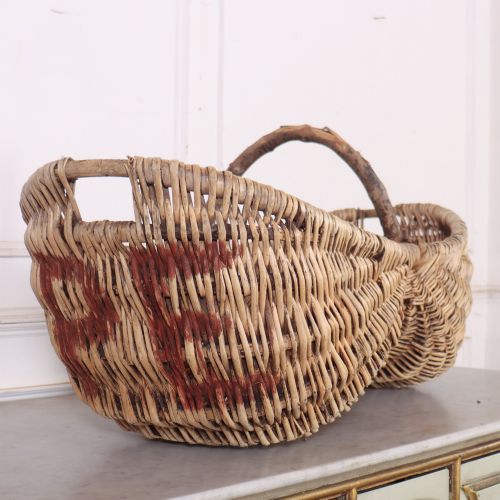
You are most likely to meet wooden and woven examples on this page, reflecting English, French, Welsh and German rural traditions. Forms range from garden trugs and grape baskets to market sellers' carriers and housekeeper's work boxes.
The periods represented stretch from the seventeenth century through Georgian, Victorian and Edwardian eras into the early twentieth century. Each specimen carries the marks of vernacular craftsmanship, shaped by the practical needs of rural life.
Materials and construction
Makers utilised locally available woods and natural fibres, selecting oak, willow, pine and wicker for their resilience and flexibility. Iron reinforcement often secured heavy wooden bodies to withstand the rigorous demands of outdoor harvesting and market work.
Construction methods relied on traditional joinery and weaving techniques suited to agricultural and domestic service. Some pieces feature handpainted surfaces or simple wooden frames, prioritising utility and structural endurance over ornamentation.
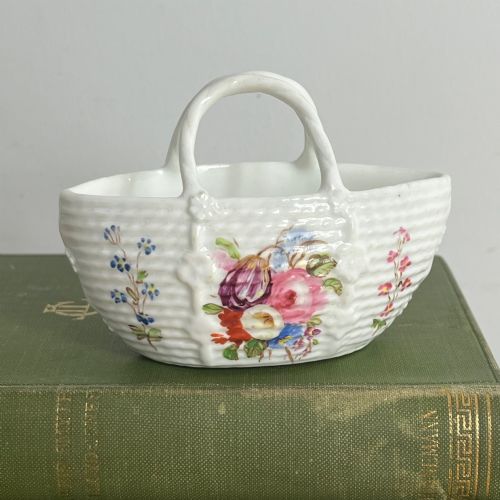
Materials recorded across the inventory include oak, willow, pine, wicker, iron, paint and porcelain.
Judging quality
Quality in these utilitarian objects rests on the integrity of the original construction and the survival of natural materials through heavy use. Robust framing, tight weaving and honest patination distinguish superior vernacular work from routine agricultural tools.
The relationship between material strength and intended purpose dictates the caliber of a piece, whether built for truffle collecting, grape picking or heavy garden duties. Better examples retain their structural stability while displaying authentic surface wear from genuine service.
Flight Barr And Barr
The Antique Trug Glossary
- Trug
- A shallow wooden or woven basket traditionally used for gathering garden produce, fruit or flowers. These vessels combine sturdy base boards with bentwood rims or woven sides.
- Vernacular
- Everyday objects made by regional artisans using local materials and traditional methods, without academic design influences. This style prioritises practical utility over decorative refinement.
- Welsh Artisan
- Work originating from Welsh makers known for robust rural construction and functional domestic items. Such pieces often employ durable native timbers like oak.
- Black Forest
- A style of carved woodenware associated with nineteenth-century German and Swiss workshops. These items frequently incorporate naturalistic motifs derived from woodland environments.
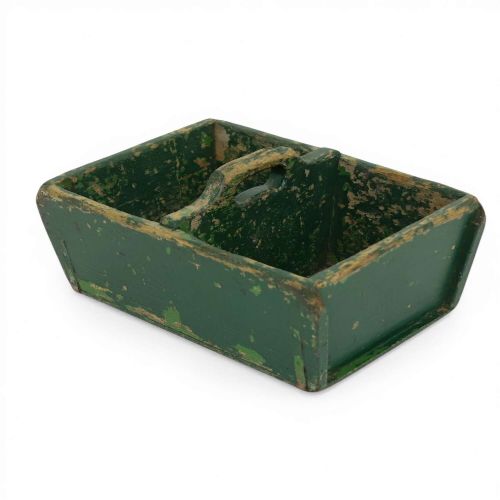
- Housekeeper's Carry
- A partitioned wooden tray or box designed for transporting domestic implements and small tools around a large household. They often feature central upright handles for one-handed carriage.
Antique Trug: Frequently Asked Questions
What is an antique trug used for?
These pieces served as practical carriers for garden harvests, market produce, flowers and household tools. Their sturdy builds allowed workers to transport heavy loads across fields and through country houses.
Today, they function well in contemporary homes as storage containers for logs, magazines or dried botanicals. Gardeners still utilise traditional wooden designs for gathering produce from the plot.
How old are these garden trugs?
The examples on this page date from the seventeenth century through the Victorian and Edwardian periods up to the early twentieth century. Vernacular items often resisted strict stylistic dating because makers prioritised utility.
Examining the tool marks, timber shrinkage and iron fastenings helps determine the age of a wooden carry. Natural wear patterns accumulated through agricultural service also indicate the expanse of time a piece has survived.
How do I clean an antique wicker basket?
Gentle dusting with a soft-bristled brush or a vacuum attachment using low suction removes surface dirt safely. Introducing excessive moisture to aged wicker or painted wood causes the natural fibres to warp and split.
If cleaning requires moisture, use a barely damp cloth and dry the material thoroughly immediately afterwards. Keeping these pieces away from direct heat sources prevents the dry wood from cracking.