



Antique Trug Baskets
These antique trug baskets are honest utilitarian carriers shaped from wood, wicker and iron for garden, market and harvest work.
Antique Trug Baskets
When you search for antique trug baskets, you encounter hard-working utilitarian vessels fashioned for gathering fruit, flowers, grapes and garden produce. The pieces appearing here span the nineteenth century, the Victorian era, the Edwardian period and the early decades of the twentieth century, originating from English, French, Welsh and German makers.
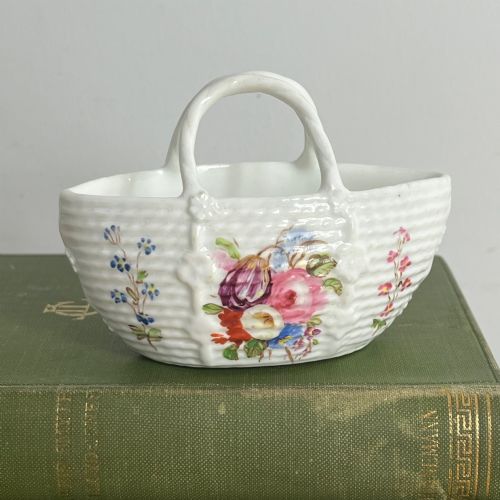
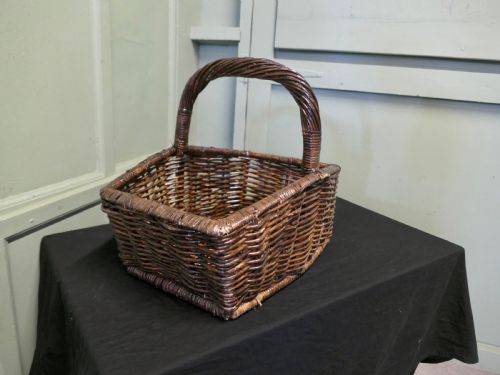
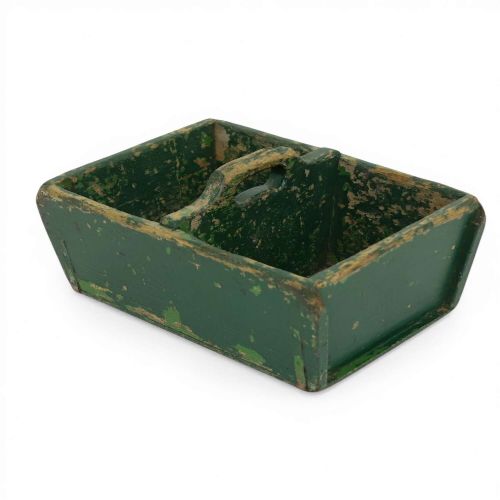
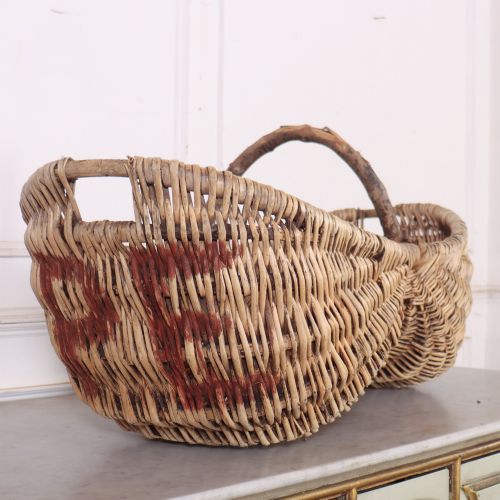
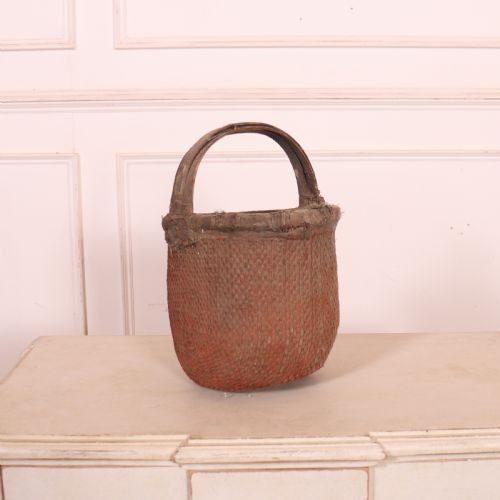
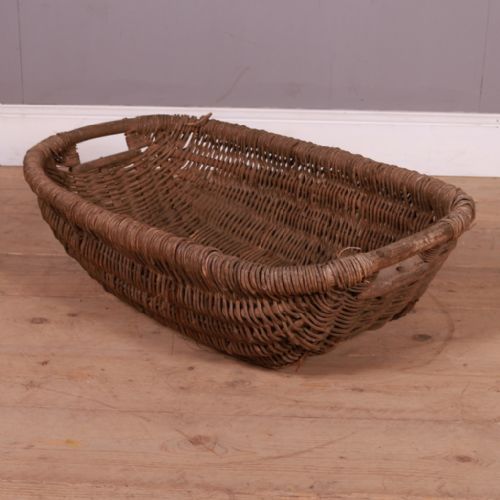
You meet various forms on this page, ranging from robust Welsh artisan costermonger trugs to French market seller flower and fruit carriers, French grape baskets, and specialised oak truffle collecting trugs from the Black Forest. Alongside these utility carriers, the selection includes related wooden caddies, painted woven baskets, and occasional miniature porcelain baskets.
The English country pieces lean towards outdoor tool carrying and kitchen work boxes, utilising traditional regional construction methods. Meanwhile, continental examples bring distinct continental agricultural traditions, from vineyard grape picking to market vending.
How they were made
Makers built these carriers using natural materials gathered from local woodlands and workshops, predominantly employing willow, wicker, oak, pine and iron. Willow and wicker provided pliable yet resilient weaving properties for lighter gathering baskets, while heavier timbers like oak offered rigid structural strength.
Iron bands, braces and fastenings reinforced high-stress areas on agricultural and carrying pieces, ensuring durability under heavy loads of fruit, vegetables or earth. Selected items feature surface treatments such as traditional paint layers, preserving the timber and adding distinct visual character to the utilitarian design.
What varies in quality
Quality in these vernacular items lies in the integrity of construction and the honesty of the materials rather than refined decorative polish. A robust, well-made frame with tight weaving and secure iron binding indicates a piece built by a skilled artisan for heavy daily labour.
The survival of original surfaces, whether unpainted weathered oak or early painted wicker, distinguishes pieces that retain their authentic working character from those altered over time. Proportion, structural balance and the harmonious patina of age separate standard utility items from exceptional surviving examples of regional craftsmanship.
Flight Barr And Barr
The Antique Trug Baskets Glossary
- Trug
- A shallow wooden basket traditionally used for gathering garden crops, flowers and fruit. Its shallow form prevents bruising of delicate produce during the harvest.
- Costermonger
- A street vendor who sold fruit, vegetables and flowers from barrows or baskets. Costermonger trugs were built with extra robustness to withstand the rigours of daily urban trading.
- Black Forest
- A cultural region in Germany known for intricately carved wooden items and specialised collecting containers. Pieces from this tradition often display detailed naturalistic woodwork.
- Vernacular
- Architecture and objects made by traditional craftsmen using local materials to meet practical everyday needs. Welsh vernacular trugs reflect distinct regional building techniques.
- Wicker
- Pliable plant material such as willow, rattan or reed woven into baskets and furniture. It provides a lightweight yet durable medium for agricultural carrying vessels.
Antique Trug Baskets: Frequently Asked Questions
What were antique trug baskets used for?
These vessels served practical roles in agriculture, horticulture and commerce, carrying harvests of grapes, fruit, vegetables and flowers from fields to markets. They also functioned as everyday containers for garden tools and domestic kitchen tasks.
Their sturdy construction allowed them to withstand heavy daily use in all weather conditions, making them indispensable to gardeners, market sellers and rural workers.
How do I live with antique trug baskets?
You can display these pieces in contemporary interiors as natural storage containers for blankets, firewood, magazines or dried florals. Their weathered textures and honest wooden construction bring warmth and grounded character to living spaces.
Position them in hallways, kitchens or living rooms where their history as working objects can be appreciated up close while still serving a practical storage purpose.
How do I tell Victorian trugs apart from later pieces?
Victorian examples often display heavier ironwork, denser timber selection like oak, and signs of intensive hand-tool shaping typical of nineteenth-century rural workshops. They carry the patination accumulated through decades of agricultural labour.
Later pieces from the Edwardian period or the nineteen-twenties sometimes incorporate lighter gauges of wicker or alternative fastening methods, reflecting changing manufacturing techniques and slightly less rustic demands.
What is the difference between English and French trugs?
English trugs frequently emphasise garden tool carrying, oak construction, and utilitarian domestic work box forms rooted in regional vernacular traditions. They prioritize rigid wooden frames and sturdy utility.
French market and grape baskets focus heavily on harvesting and vending fresh produce, utilising flexible wicker weaves and specialised shapes designed specifically for gathering grapes and carrying flowers.