

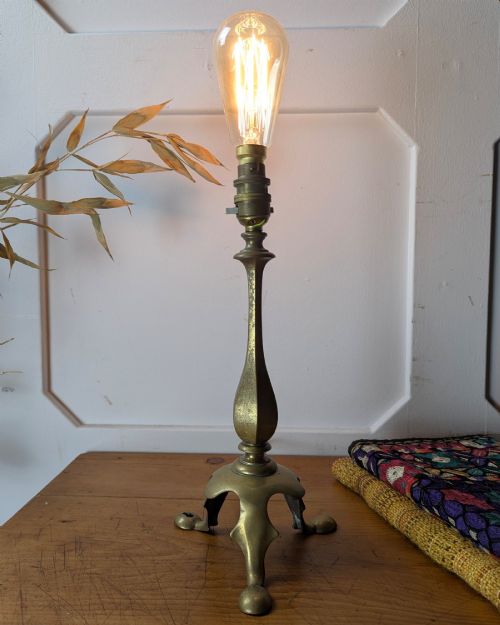


Antique Tripod Desk
An antique tripod desk supports working life with a slender central column and steady three-footed base, bringing practical elegance to study spaces.
Antique Tripod Desk
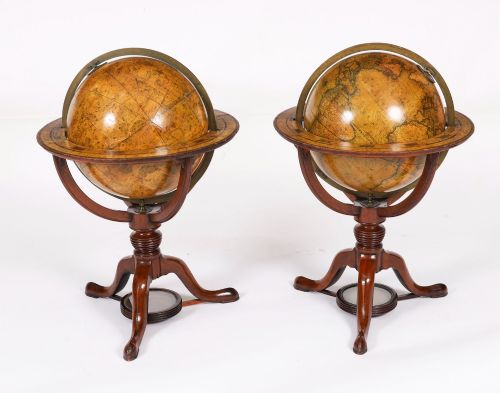
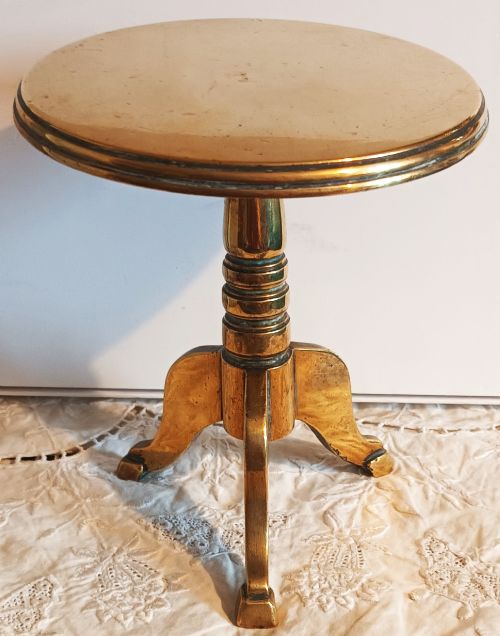
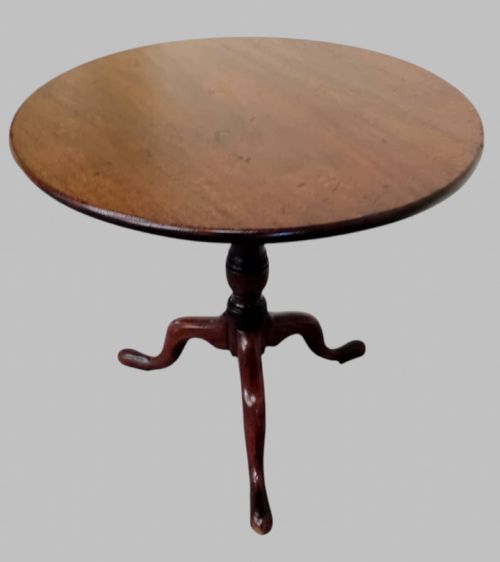
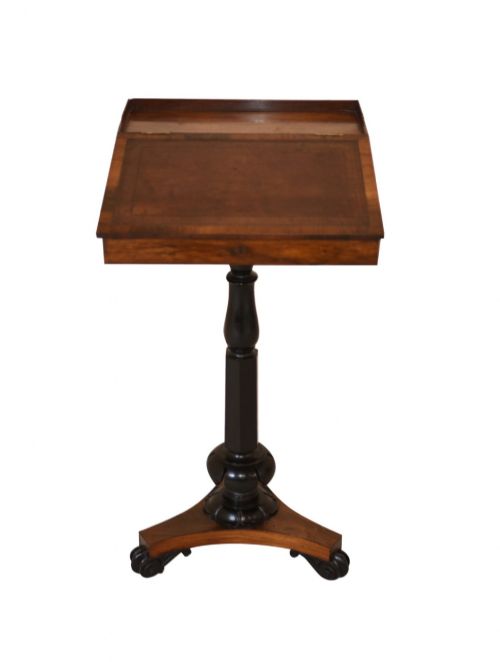
An antique tripod desk or table brings together compact writing surfaces, reading stands, and drum tables supported on a stable three-legged base. These forms serve scholarly and domestic rooms across multiple centuries of craftsmanship.
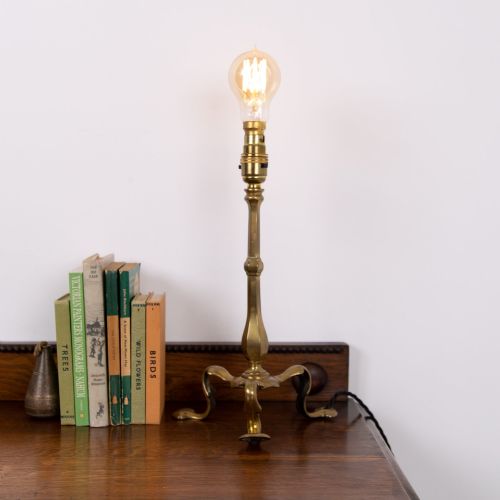
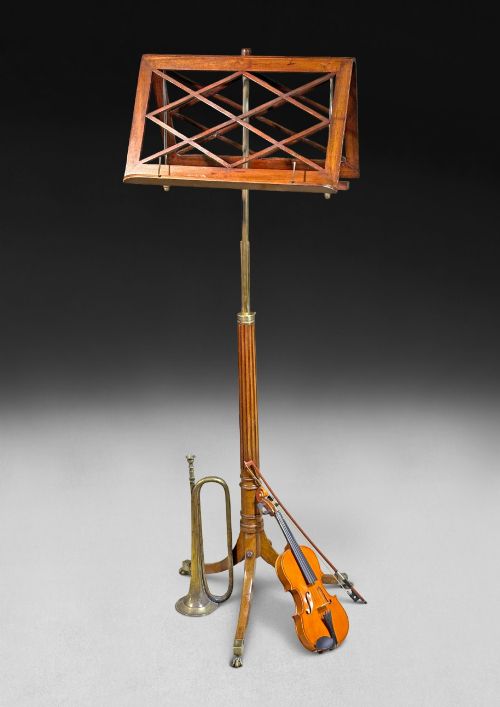
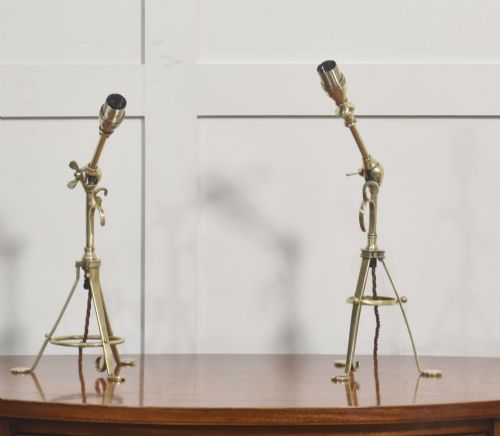
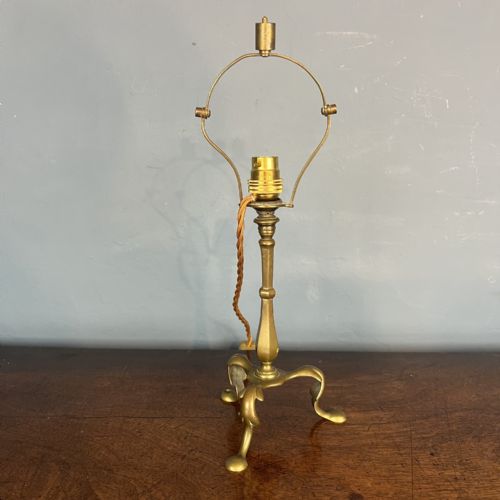
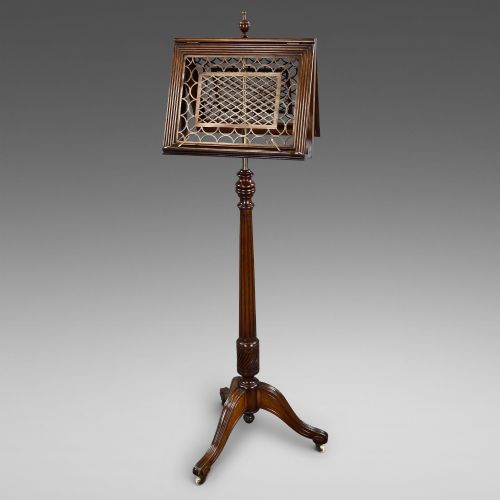
The pieces on this page span the Georgian, Regency, and Victorian periods, with materials ranging from rich mahogany and rosewood to brass and cast iron. Alongside standard writing tables, you will encounter music stands, reading tables, and drum tables resting on tripod supports.
Originating in English, French, and Chinese workshops, these items reflect both utilitarian purpose and refined decorative arts. The selection prioritises portable and adjustable designs suited to specialised reading, writing, and study tasks.
How they were made
Makers utilised dense timbers such as mahogany, rosewood, walnut, and gonçalo alves, turning central columns on lathes and carving cabriole or splayed tripod legs. Brass and ormolu mounts provide structural reinforcement and decorative contrast.
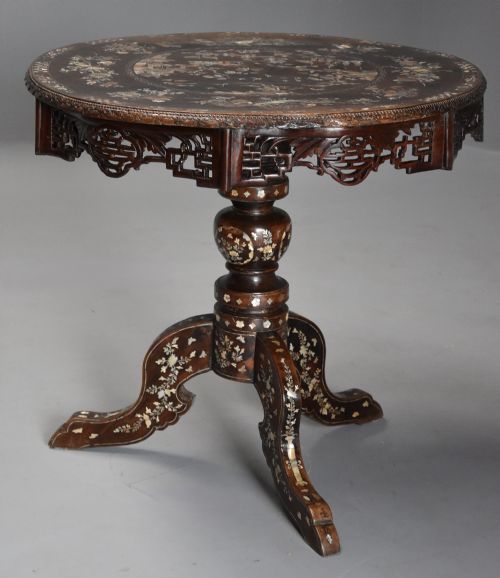
Many examples incorporate adjustable mechanisms, leather inserts, and intricate inlays of mother of pearl or fine wood veneers. Joinery relies on traditional techniques to balance the weight of the top with the outward reach of the three feet.
Antique Tripod Desk Retail Price Guide 2026
Typical asking prices for tripod desk among the pieces listed under this phrase on Sellingantiques today, from the lower quarter to the upper quarter. They describe what is for sale here now, not the wider market.
Listings feature mahogany, rosewood, walnut, and cast iron across Georgian, Regency, and Victorian periods.
What varies in quality
The distinction between ordinary and exceptional pieces rests on the precision of the turning, the selection of figured timber, and the crispness of any carved ornament. Superior examples display balanced proportions where the weight of the top rests securely upon the tripod base without wobble.
The refinement of brass ratchets, adjustable mechanisms, and original leather surfaces separates utilitarian items from bespoke studio pieces. Attention to hidden joints and the integration of secondary woods indicate the hand of a skilled cabinetmaker.
W.A.S. Benson·Faraday and Sons·Lebegue and Cie
The Antique Tripod Desk Glossary
- Drum table
- A circular library table with a deep frieze containing drawers, resembling the shape of a drum and typically mounted on a central pillar and tripod base.
- Reading stand
- An adjustable piece designed to hold books or sheet music at a comfortable viewing angle, often incorporating folding ledges and extending stems.
- Ormolu
- Gilt bronze applied to furniture and lighting as decorative mounts, cast and chased with fine detail.
- Gonçalo Alves
- A dense, highly figured tropical hardwood utilised in quality nineteenth-century cabinet work for its striking grain patterns.
- Duet stand
- A specialised music stand or reading table wide enough to accommodate two sets of open sheets simultaneously.
Antique Tripod Desk: Frequently Asked Questions
What is an antique tripod desk used for?
These pieces serve as compact writing surfaces, adjustable reading tables, and library fixtures designed for studies and drawing rooms.
Their central pillar and three-footed base allow them to occupy minimal floor space while providing a stable platform for books, papers, and lamps.
How do I identify a Regency tripod table?
Regency examples typically feature dark mahogany timbers, brass inlays, and classical proportions inspired by Greek and Roman designs.
Look for reeded columns, sabre legs, and crisp brass paw feet that characterise the early nineteenth-century aesthetic.
Are these desks comfortable for daily writing?
Many tripod designs incorporate tilt-top mechanisms or fixed leather-lined surfaces specifically intended for writing and correspondence.
Because they often feature smaller proportions than partner desks, they suit lighter administrative tasks and laptop use in modern homes.
How do I care for rosewood and mahogany?
Maintain timber surfaces by keeping them away from direct sunlight and sudden changes in central heating.
Apply a microcrystalline wax sparingly to nourish the grain and protect the polished finish without building up heavy residues.