





Antique Triple Frame
An antique triple frame is a multi-panel piece built to hold three panes of glass or fabric, offering layered views and structured presence.
Antique Triple Frame
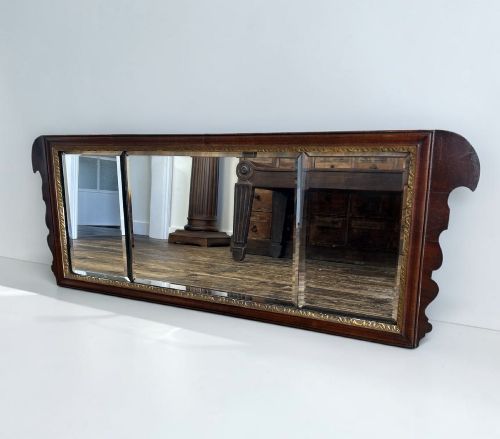
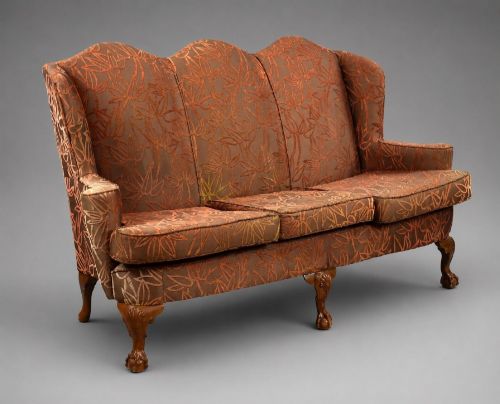
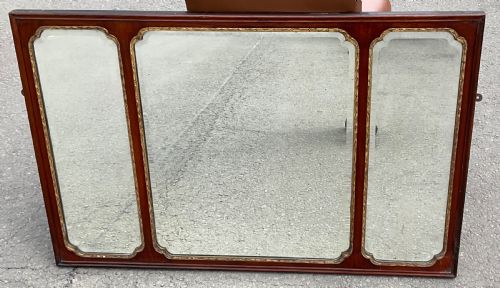
When you search for an antique triple frame, you encounter multi-section mirrors and seating arrangements drawn from the Georgian, Victorian, and Edwardian periods. These pieces divide their surface or structure into three distinct bays, whether through tripartite glass panels in overmantel mirrors or three-seat frameworks.
The most common examples on this page take the form of overmantel mirrors and dressing table mirrors featuring three plates of glass, alongside occasional multi-seat sofas. Their designs draw upon styles such as George I, Queen Anne, Sheraton Revival, and Art Deco.
Origins span British workshops alongside 19th-century Italian examples, reflecting regional preferences for tripartite symmetry. Each period brings its own proportion, from the carved and gilded ornamentation of late Georgian overmantels to early 20th-century oak shop mirrors.
Materials and construction methods
Makers utilised timber frames of walnut, coromandel, satinwood, and oak to provide structural integrity for the multi-panel layout. These woods were often selected for their grain or finished with parcel gilt and carved gilding to enhance the visual weight of the frame.
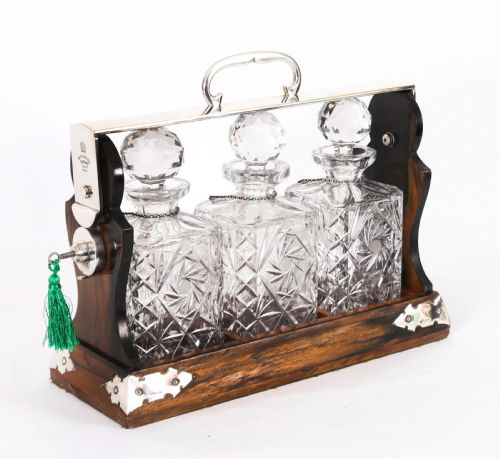
Mirror glass formed the primary medium for the majority of these pieces, cut into triple plates and complemented by mirror glass borders or associated silver plate hardware. Upholstery fabric appears on tripartite seating forms, while crystal and cut glass populate related decanter sets.
Antique Triple Frame Retail Price Guide 2026
Typical asking prices for triple frame among the pieces listed under this phrase on Sellingantiques today, from the lower quarter to the upper quarter. They describe what is for sale here now, not the wider market.
The object forms span overmantel mirrors, wall mirrors, and dressing table mirrors alongside triple-seat sofas and settees.
Evaluating craftsmanship and execution
The standard of a piece rests upon the precision of the joinery uniting the three sections and the quality of the carving upon the timber or giltwood. Finer examples display crisp moulding and cohesive integration between the central and flanking panels.
Material selection further distinguishes the range, with dense walnut and figured satinwood indicating superior workshop choices compared to simpler domestic pine carcasses. The depth and execution of parcel gilding or carved decoration govern the overall visual balance.
The Antique Triple Frame Glossary
- Tripartite
- Divided into three distinct sections or panels. This arrangement defines the structural layout of triple frames and multi-plate mirrors.
- Overmantel mirror
- A large mirror designed to hang above a fireplace mantel. These frequently incorporate triple plates to widen the reflected field of view in a room.
- Parcel gilt
- Partially covered with gold leaf or gilt paint. This technique highlights specific carved details against a contrasting wood background.
- Sheraton Revival
- A late 19th-century style inspired by the neoclassical designs of Thomas Sheraton. It relies on satinwood, light proportions, and refined inlay.
- Triptych
- A picture, mirror, or carving divided into three panels hinged or fixed side by side. It provides a structured symmetry common in dressing table mirrors.
Antique Triple Frame: Frequently Asked Questions
How do I hang a heavy triple overmantel mirror?
These large frames require secure anchoring directly into wall studs or masonry using heavy-duty mirror plates and brackets that match the weight of the timber and glass.
Because the tripartite design distributes mass across a wide span, professional installation ensures the frame remains stable and level.
How do I clean antique mirror glass?
Use a soft, lint-free cloth and a mild, ammonia-free cleaning solution applied to the cloth rather than directly onto the glass. This prevents moisture from seeping behind the silvering or damaging the wooden rabbet.
Avoid abrasive materials that can scratch historic glass surfaces or erode the surrounding frame finish.
Are triple frames strictly Georgian or later?
While the tripartite mirror form has roots in the Georgian and George I periods, makers continued producing them through the Victorian, Edwardian, and 1930s eras. Each successive decade reinterpreted the three-panel format through its own prevailing aesthetic, from Sheraton Revival to Art Deco.
Examining the underlying timber, backboards, and mounting hardware helps determine the specific period of manufacture.