




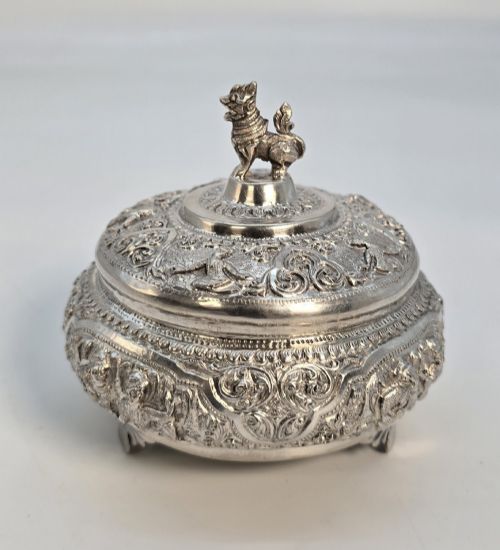
Antique Trinket Jar
An antique trinket jar holds personal treasures on a dressing table, combining utility with decorative artistry from past centuries.
Antique Trinket Jar
An antique trinket jar encompasses lidded vessels, vanity jars, powder boxes, and dressing table containers designed to hold small valuables or cosmetics. These pieces emerge from periods spanning the Victorian and Edwardian eras into the Art Deco years, reflecting changing domestic habits of the nineteenth and early twentieth centuries.
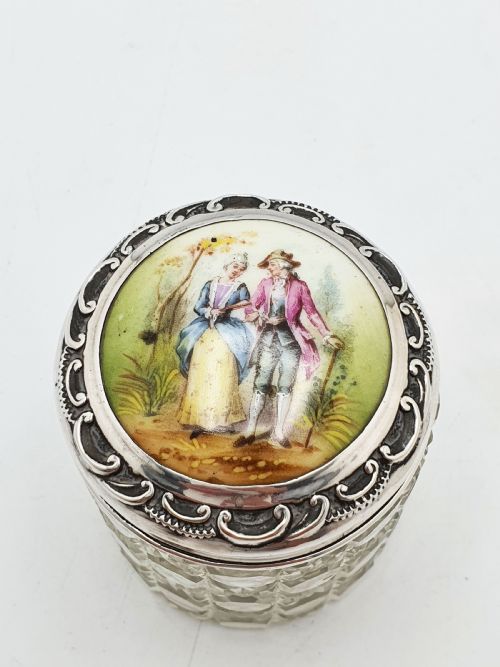
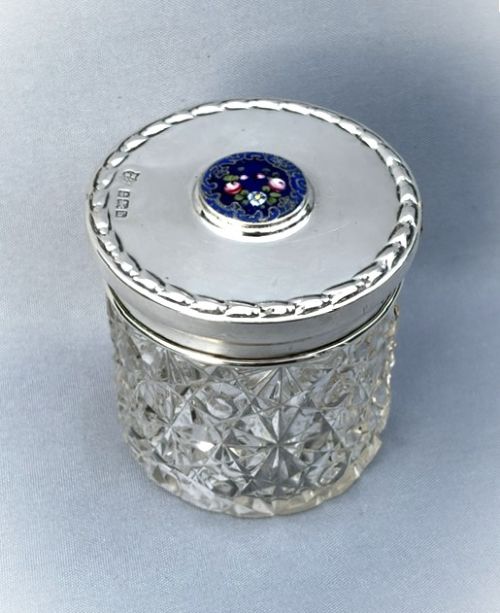
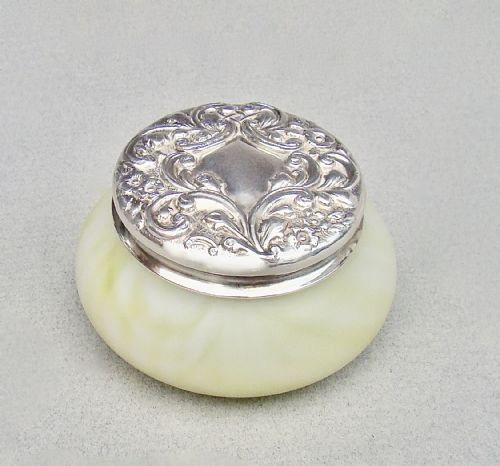
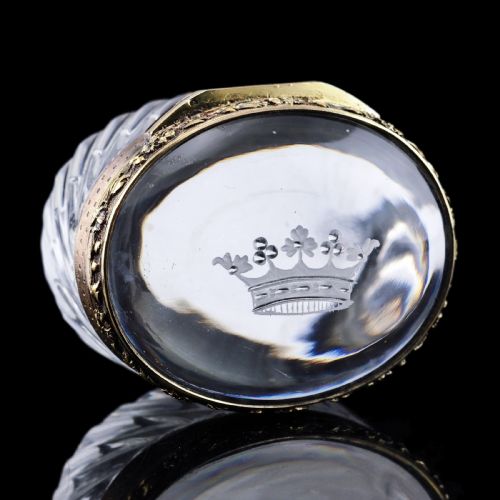
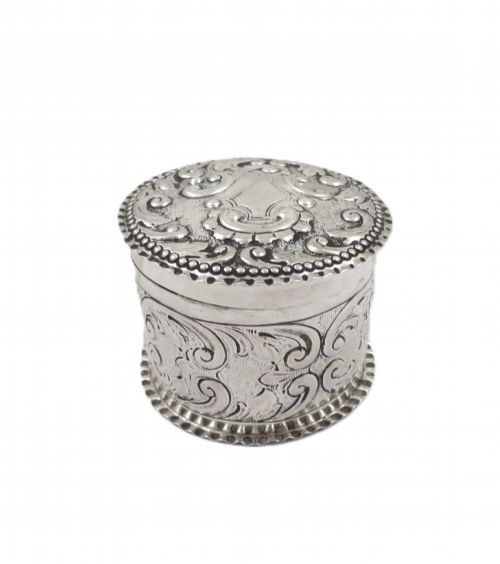
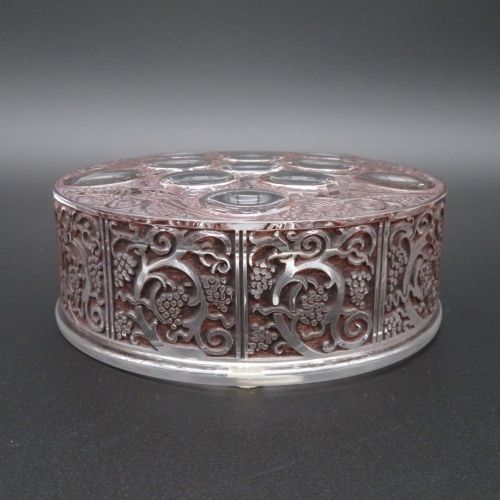
The version most commonly encountered on this page pairs a heavy glass, crystal, or ceramic body with a hallmarked sterling silver lid. Formats range from simple circular powder pots to elaborate faceted containers intended for display on dressing tables.
Materials and Techniques
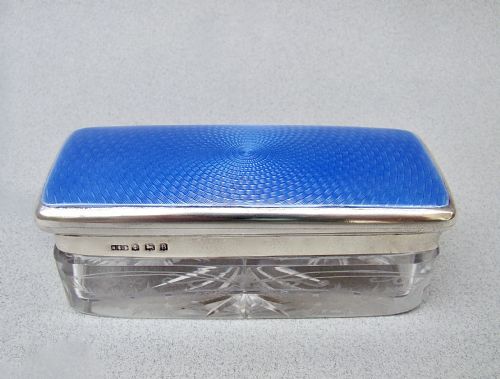
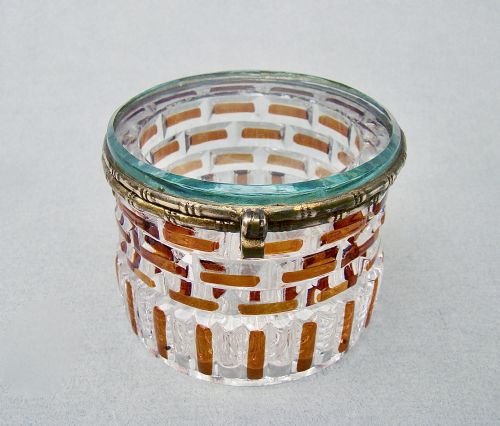
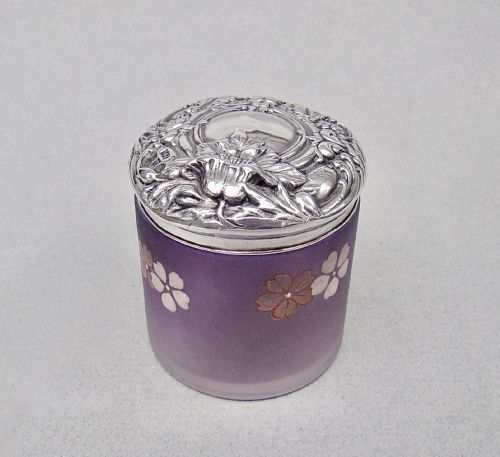
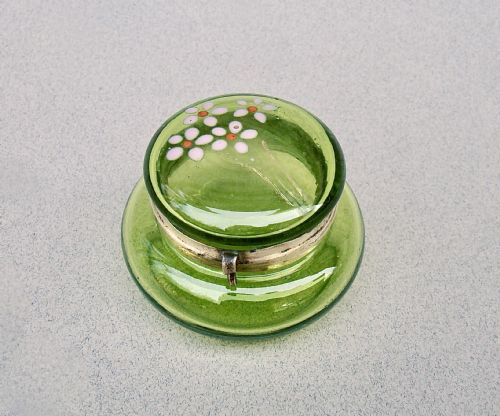
Silversmiths shaped lids using techniques such as repousse decoration, engine turning, and application of translucent guilloche enamel over engraved metal. Glass bodies were frequently mould-blown, cut, or overlaid in distinct colours like cranberry, amber, and Bristol blue.
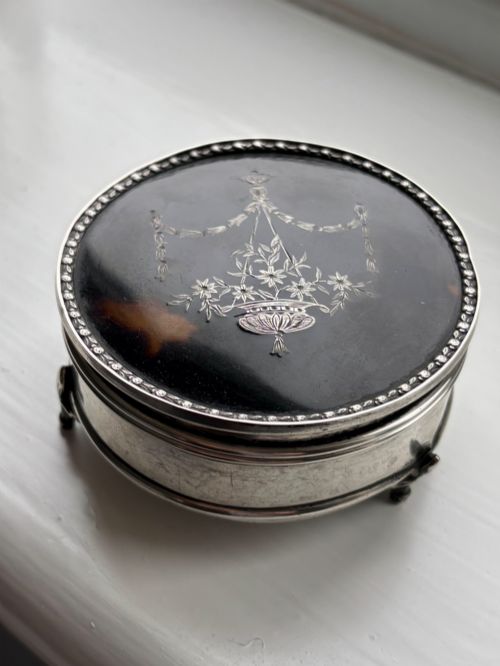
Ceramic and porcelain vessels utilised traditional glazing and firing methods, sometimes complemented by intricate metal mounts, pique work, or hand-painted surface details.
Antique Trinket Jar Retail Price Guide 2026
Typical asking prices for trinket jar among the pieces listed under this phrase on Sellingantiques today, from the lower quarter to the upper quarter. They describe what is for sale here now, not the wider market.
Judging Quality
Quality rests in the weight of the silver mounts, the clarity and depth of cut glass or crystal, and the intact preservation of delicate enamel work. Maker attribution and crisp hallmark stamps elevate an ordinary container into a piece of distinct craftsmanship.
Superior examples display precise fitting between metal lids and glass bodies, alongside intricate detailing in repousse motifs or hand-applied decorative elements.
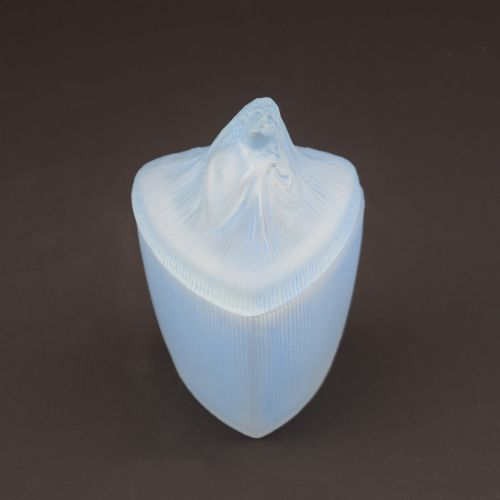
A. J. Pepper & Co·Henry Clifford Davis·Goldsmiths and Silversmiths Company·A. Bromet & Co·Rene Lalique·Asprey & Co·Posen of Frankfurt and Berlin
The Antique Trinket Jar Glossary
- Guilloche enamel
- A decorative technique where translucent enamel is layered over engine-turned metalwork, creating geometric patterns beneath the glossy surface.
- Repousse
- A metalworking method where the artisan hammers the design from the reverse side to form raised relief patterns on the front.
- Pique work
- The delicate inlay of tiny gold or silver pins into tortoiseshell or ivory surfaces to form intricate geometric or floral designs.
- Silver gilt
- Sterling silver that has been coated with a thin layer of gold on its surface, often used for the interior of boxes.
- Frosted glass
- Glass treated with acid or sandblasting to create a matte, textured finish that diffuses light.
Antique Trinket Jar: Frequently Asked Questions
What were antique trinket jars used for?
These jars served primarily on dressing tables to hold pins, rings, powder, and small cosmetic items.
Their enclosed design protected delicate contents from dust while adding ornamental value to the room.
How do I date a silver lidded jar?
British silver lids typically feature hallmarks that indicate the assay office, standard of metal, and date letter.
Comparing these stamped symbols against reference tables provides the exact year of manufacture.
Can I use them for daily storage?
Yes, many collectors continue to use these sturdy lidded containers to store modern jewellery or small keepsakes.
Care should be taken with fragile materials such as enamel and older glass to prevent accidental chips.
What is the difference between cut glass and crystal?
Crystal contains lead oxide, which increases its weight, refractive index, and capacity for deep, sharp cutting.
Standard cut glass is lighter and lacks the same level of optical brilliance.