





Antique Trinket Holder
These pieces known as an antique trinket holder range from silver boxes to porcelain dishes, offering a neat place to keep small valuables.
Antique Trinket Holder
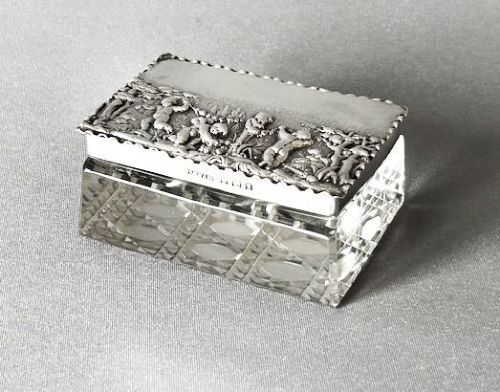
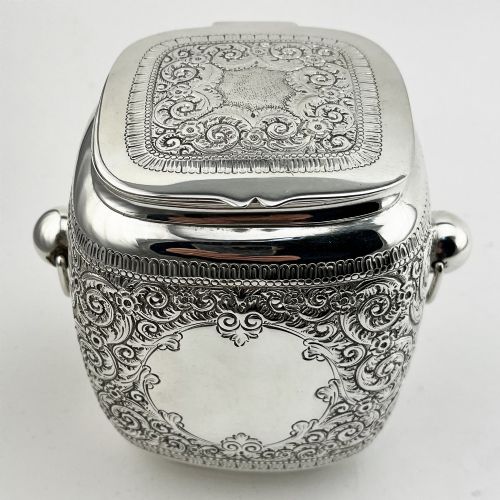
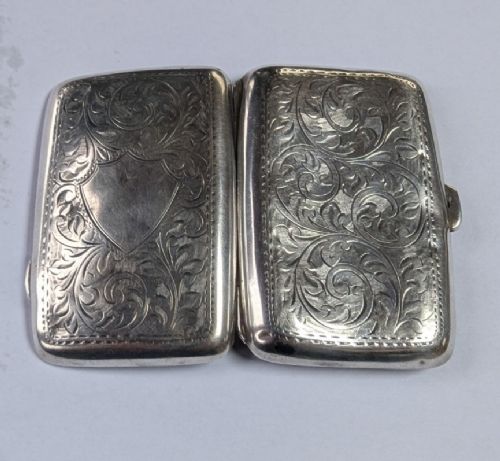
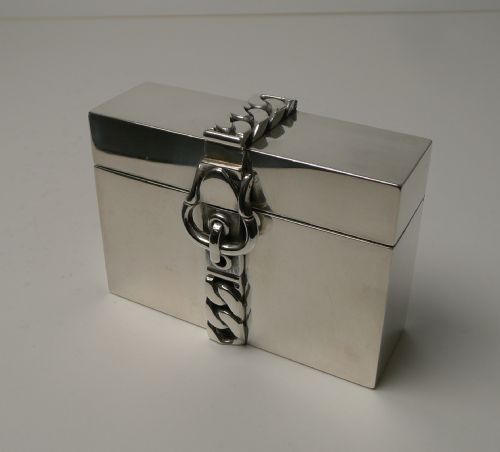
When searching for an antique trinket holder, one encounters a diverse selection of small receptacles designed to keep personal items safe. The inventory spans functional containers like desk accessories, tea caddies, and cigarette cases, alongside decorative baskets and pin dishes. These items serve to hold rings, pins, and small keepsakes on a dressing table or desk.
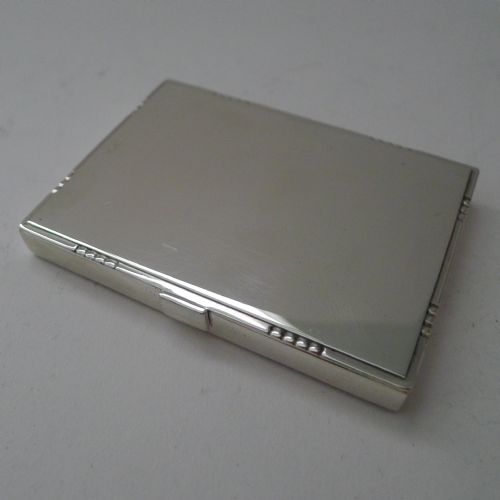
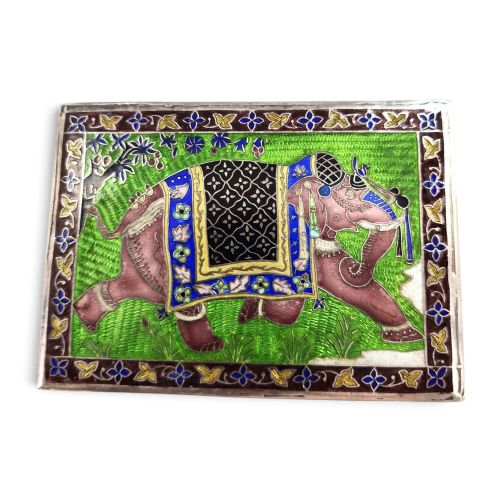
The objects present on this page originate from periods such as the Victorian and Edwardian eras, as well as the 1930s and 1940s. Styles range from Victorian Imari and Arts and Crafts to Art Deco and Anglo-Indian designs. Buyers will find variations in form, from simple ceramic bowls to hinged sterling silver boxes.
Materials represented in this category include sterling silver, silver plate, porcelain, earthenware, ceramic, enamel, glass, brass, and oak. Forms such as stamp boxes, ring boxes, and powder boxes appear frequently among the listings. Each item reflects the domestic habits and decorative tastes of its respective period.
How they were made
Silversmiths constructed many of these items using sterling silver and silver plate, often incorporating hinges, fitted interiors, and mounted glass or wood elements. Workshops employed techniques like stamping, chasing, and enamelling to decorate metal surfaces with patterns and pictorial details.
Ceramic and porcelain examples involve shaping clay or paste, followed by the application of coloured glazes and enamel painting. Potters utilised moulding and firing methods to achieve specific forms like baskets, powder bowls, and soap dishes.
Cabinet makers utilised hardwoods such as oak to build small boxes, frequently adding metal mounts or interior linings. Craftspeople combined materials, encasing glass in silver or pairing ceramics with metal fittings to create durable daily objects.
Antique Trinket Holder Retail Price Guide 2026
Typical asking prices for trinket holder among the pieces listed under this phrase on Sellingantiques today, from the lower quarter to the upper quarter. They describe what is for sale here now, not the wider market.
What varies in quality
The distinction between standard examples and superior pieces rests on the precision of the maker's hand and the selection of materials. Master silversmiths and renowned glasshouses achieved cleaner lines, crisper chasing, and more refined enamelling than mass-market producers.
Construction details also dictate the standing of a piece, such as the snug fit of a silver lid, the weight of the metal, or the clarity of a porcelain glaze. Objects bearing identifiable maker marks or originating from notable firms demonstrate higher levels of craftsmanship.
Georg Jensen·Martin Hall And Co·John Knox·Nelson And Drake
The Antique Trinket Holder Glossary
- Sterling silver
- A silver alloy containing 92.5 percent pure silver by mass and 7.5 percent other metals, usually copper. This standard alloy provides the durability required for small hinged boxes and desk accessories.
- Silver plate
- A layer of silver applied to a base metal such as copper or nickel brass. This technique offered a more affordable alternative to solid silver for domestic items like tea caddies.
- Imari
- A style of Japanese porcelain featuring underglaze blue and overglaze red, gold, and green, which inspired Western ceramic copies during the nineteenth century. Victorian makers adapted these bold colour palettes for decorative dishes and vessels.
- Enamel
- A glassy substance fused to the surface of metal through firing to provide smooth, coloured decoration. It appears frequently on metal card and cigarette cases from the early twentieth century.
- Stamp box
- A small desk accessory specifically compartmentalised to hold postage stamps. Edwardian examples often feature silver mounts and glass or wood bodies.
Antique Trinket Holder: Frequently Asked Questions
What is an antique trinket holder used for?
These small containers were traditionally used to store rings, pins, stamps, and small personal valuables on dressing tables or desks. They kept everyday items organised and protected from dust.
Today, they serve much the same purpose while adding period character to modern interiors as decorative accents.
How do I identify the period of a silver box?
Silver pieces often feature hallmarks stamped into the metal, which indicate the assay office, the year of manufacture, and the maker. Comparing these assay marks against established registers reveals the exact date.
Stylistic cues such as Art Deco geometric lines or Victorian ornamentation also help assign a piece to its decade.
Are ceramic powder boxes fragile?
Ceramic and porcelain powder boxes require careful handling because the ceramic body and fine glazes can chip or crack upon impact. They were designed for gentle use on dressing tables rather than heavy travel.
Displaying them away from high-traffic edges keeps the ceramic surfaces secure.
What is the difference between silver plate and sterling silver?
Sterling silver consists of solid precious metal throughout, marked to show its silver content. Silver plate involves a thin coating of silver over a base metal.
Solid silver pieces generally carry greater weight and maintain their metal composition beneath any surface wear.
How should I clean an enamel and silver box?
Enamel surfaces require gentle wiping with a soft, damp cloth to avoid scratching the coloured glass layer. Harsh metal polishes can damage the delicate enamel work surrounding the silver.
Silver sections can be treated with standard silver cleaner while taking care to keep polish away from the enamel.