

Antique Tribal Flooring
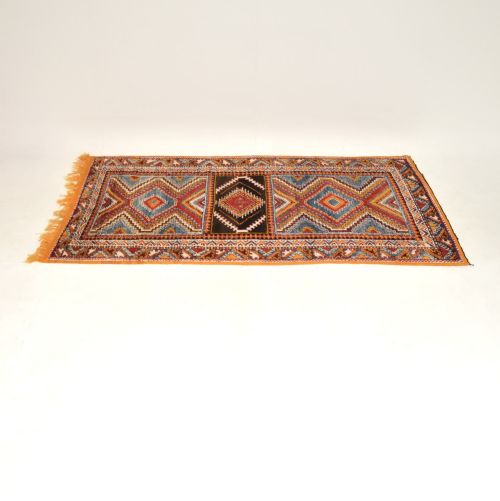
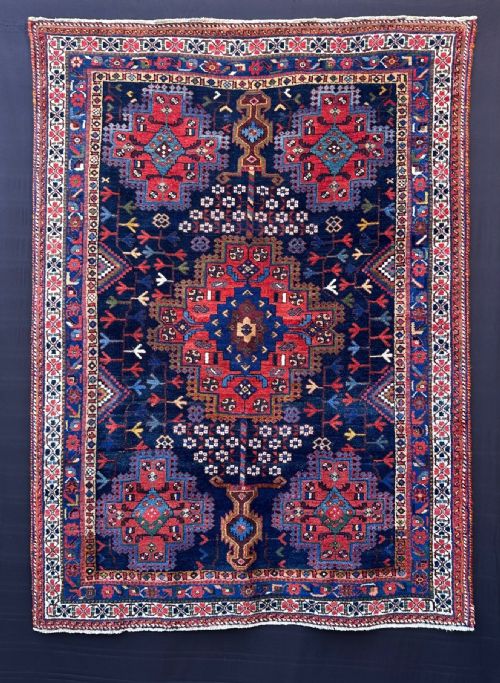
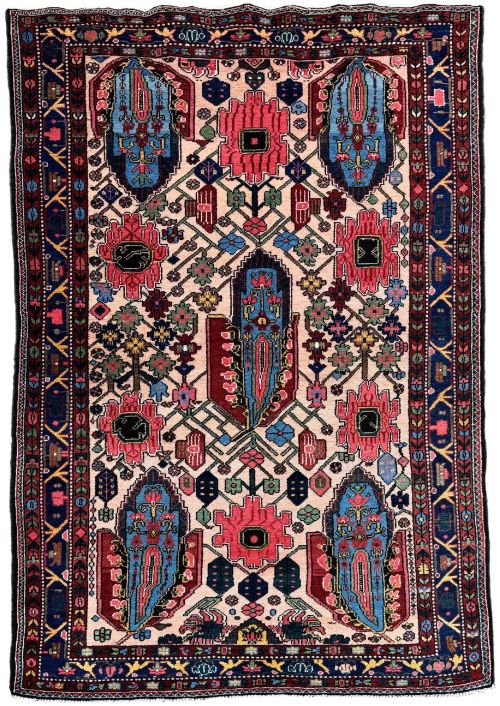
When you search for antique tribal flooring, you find hand-knotted wool rugs and carpets woven by nomadic and village communities.
Antique Tribal Flooring
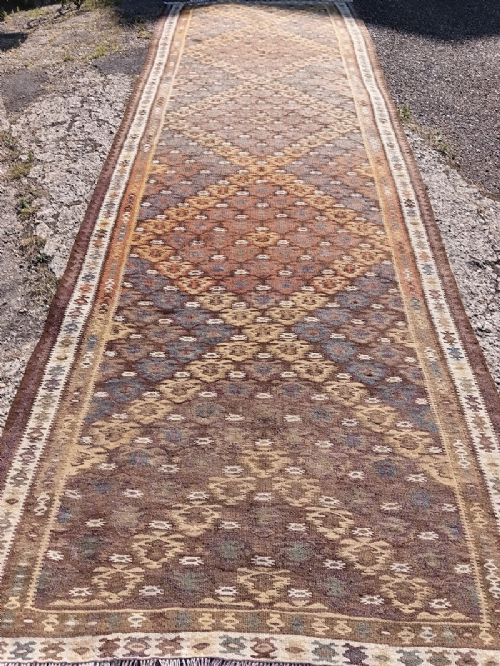
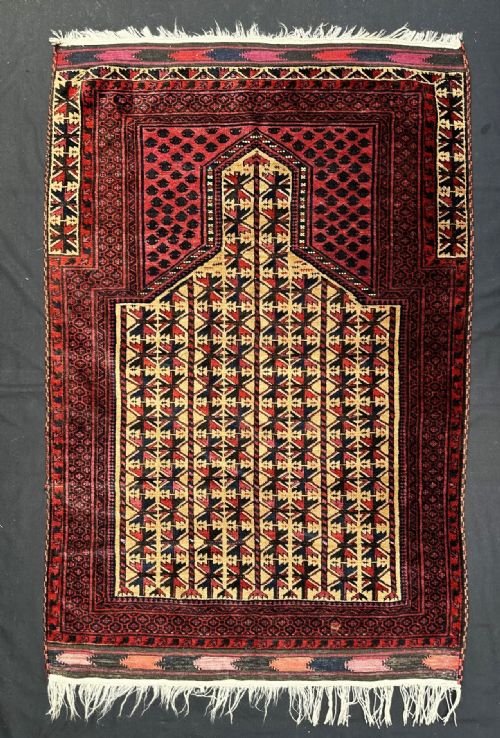
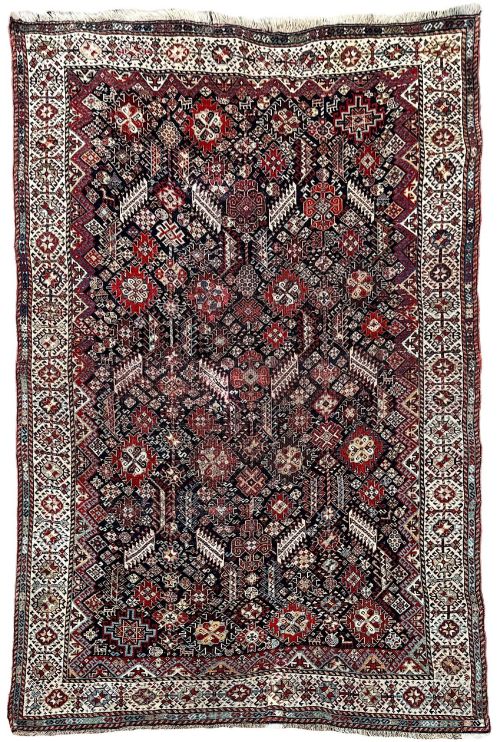
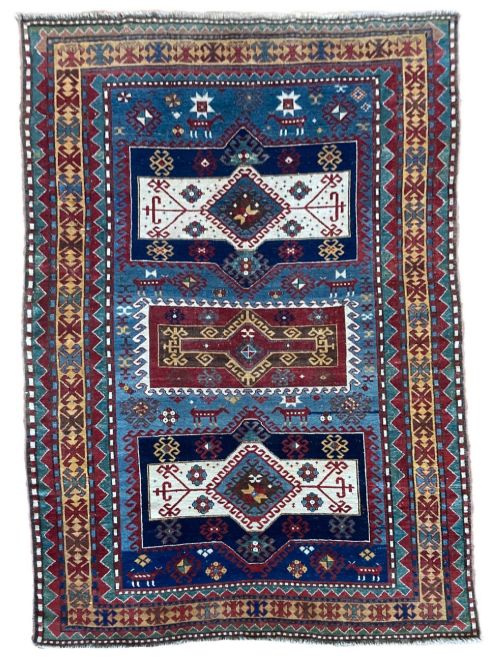
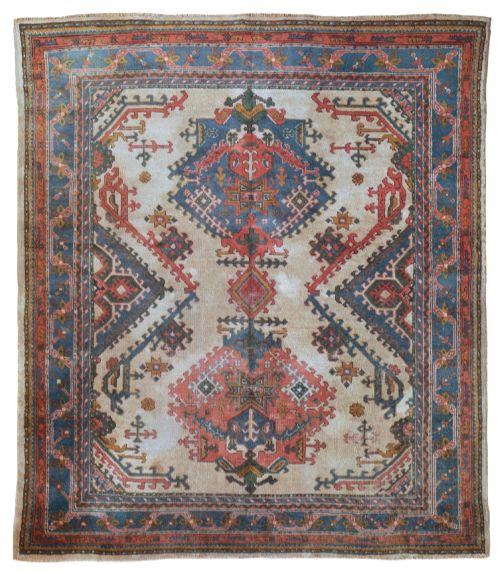
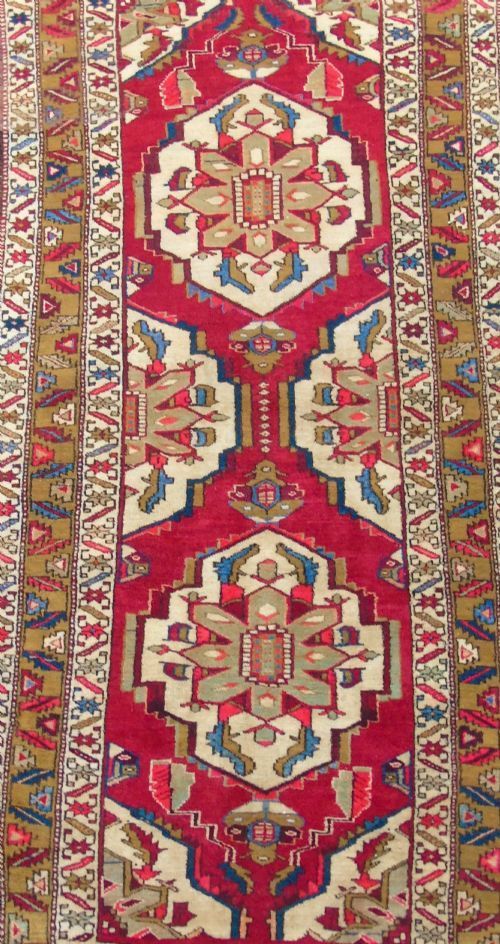
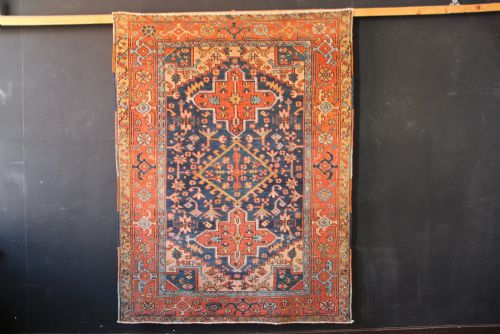
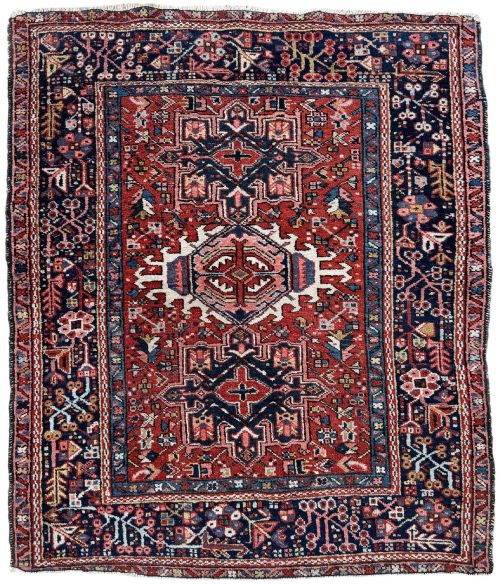
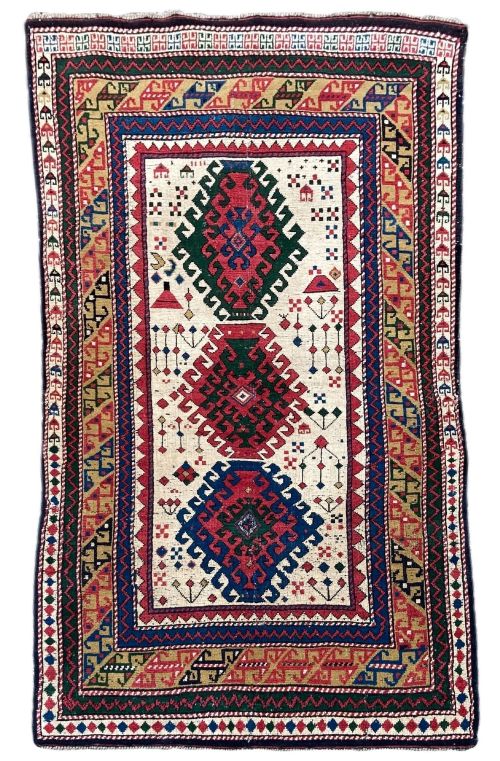
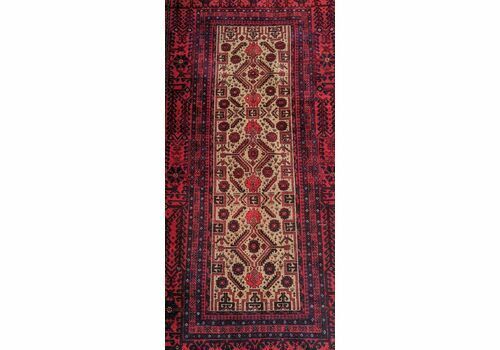
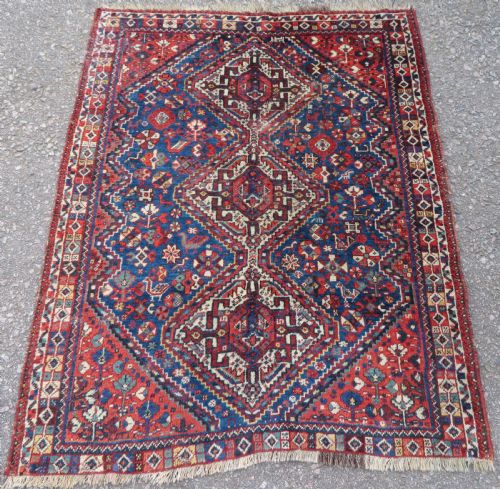
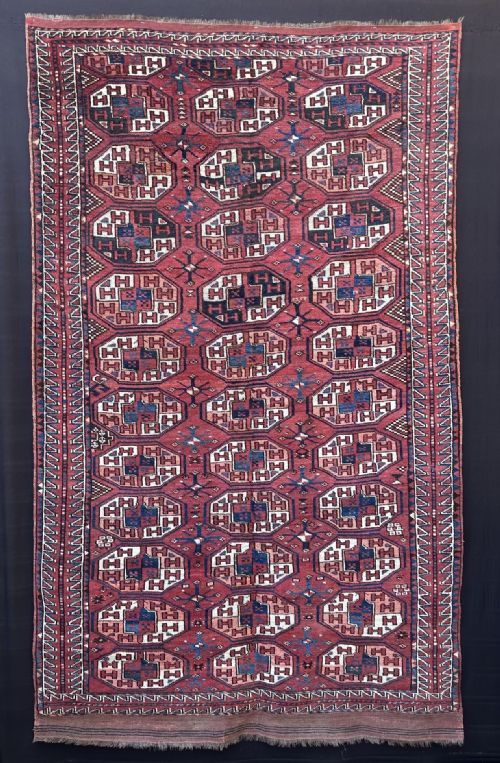
When you search for antique tribal flooring, you encounter hand-knotted rugs, carpets, and runners produced by nomadic confederacies and village weavers across Persia, the Caucasus, and Central Asia. These textiles served practical purposes in tents and village homes, functioning as floor coverings, hearth rugs, and sleeping mats.
The pieces on this page span from the nineteenth century into the early twentieth century, incorporating regional identifiers such as Kazak, Khamseh, Baluch, Afshar, and Bakhtiar. Alongside woven floor textiles, the selection includes related wooden items such as hand-carved grain mortars and pestles from tree trunks.
Nomadic weavers relied on memory and tribal tradition rather than paper cartoons, resulting in spontaneous geometric patterns, medallion layouts, and repeating motifs. Each piece reflects the specific visual vocabulary and cultural heritage of the tribe that produced it.
How they were made
Weavers utilised hand-spun wool for the pile, foundation warps, and wefts, occasionally combining wool with cotton for structural stability. The natural wool fibres provide resilience and a tactile density that withstands sustained foot traffic.
Antique Tribal Flooring Retail Price Guide 2026
Typical asking prices for tribal flooring among the pieces listed under this phrase on Sellingantiques today, from the lower quarter to the upper quarter. They describe what is for sale here now, not the wider market.
Materials span hand-spun wool, cotton foundations, and carved hardwood utilitarian objects.
What varies in quality
The fineness of the knotting and the handling of the wool dictate the structural integrity of each textile. Tighter knots and well-prepared hand-spun wool yield a firmer handle and greater longevity.
The clarity and saturation of the natural dyes influence visual depth, as skilled dyers achieved complex hues that patinate gracefully over decades. The integrity of the original borders and selvedges also separates standard utility pieces from exceptional tribal examples.
The Antique Tribal Flooring Glossary
- Gul
- A repeating medallion or octagonal motif frequently found in Turkmen and Baluch tribal carpets. It often acts as a clan identifier.
- Kelleh
- A large rectangular format rug, longer than it is wide, traditionally used as a room-size floor covering in Persian interiors.
- Warp
- The vertical foundation threads stretched lengthwise on the loom before knotting begins. Wefts are then beaten down across these stationary threads.
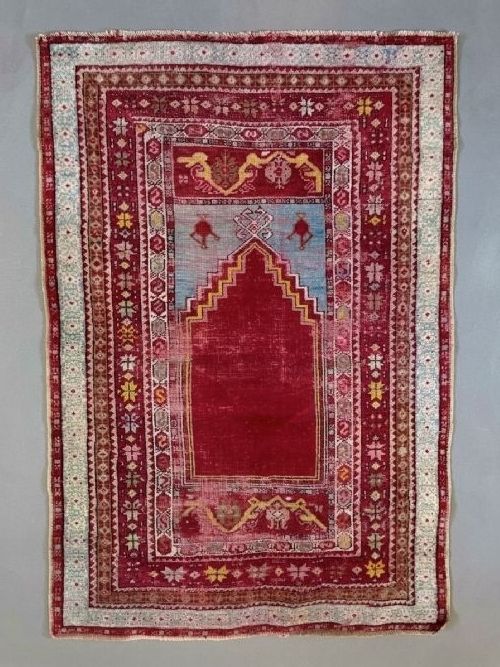
- Prayer rug
- A small format textile featuring a mihrab or niche design, historically laid on the ground for daily devotions. These pieces often originate from Anatolia and the Caucasus.
- Selvedge
- The reinforced outer edge of a rug, finished with multiple wrapping cords to prevent the side knots from unravelling.
Antique Tribal Flooring: Frequently Asked Questions
How do I clean an antique tribal rug?
Gentle surface brushing and regular low-suction vacuuming remove embedded dust without damaging the wool pile. Professional specialist cleaning is necessary for deeper maintenance to protect natural dyes.
Water saturation and harsh chemical detergents cause wool fibres to shrink and colours to bleed. Keep these textiles in dry areas away from continuous direct sunlight.
Can I use these rugs on modern floors?
Placing a breathable non-slip underlay beneath the carpet prevents sliding on polished wood or stone surfaces. This layer also reduces friction between the wool foundation and the floorboards.
Ensure the rug lies flat without curled corners to avoid tripping hazards in high-traffic hallways or living spaces. Rotating the textile every few months promotes even wear.
What is the difference between a village and a nomadic rug?
Nomadic pieces are woven on portable horizontal looms by tribal groups moving with the seasons, leading to improvised geometric designs. Village rugs are produced by settled communities using fixed vertical looms, often displaying more structured floral lattices.
Nomadic carpets tend to feature coarser wool and bolder, abrash-heavy colour shifts due to changing dye batches. Village carpets frequently incorporate denser knot counts and refined regional border patterns.
How do I identify a Kazak rug?
Kazak rugs originate from the southern Caucasus and feature bold primary colours like madder red, navy blue, and ivory. Their designs rely on large geometric medallions, hooked polygons, and stylised animal or human figures.
These pieces typically have a heavier wool pile and stiff handle compared to finer Persian counterparts. The weave often employs distinctive symmetrical knots with wool warps and wefts.