
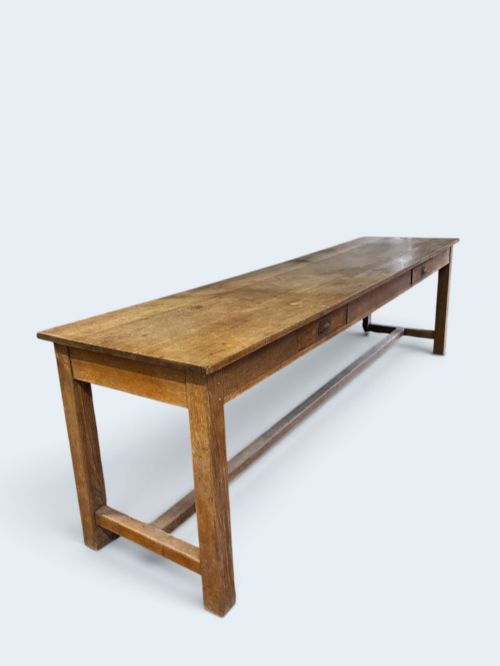
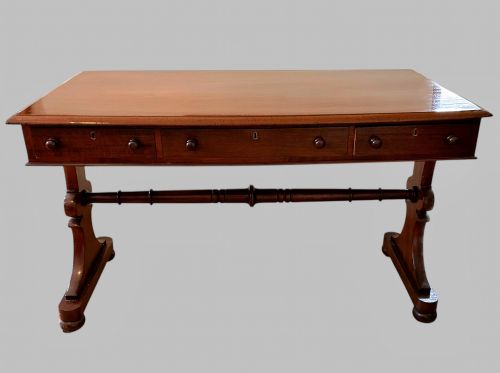
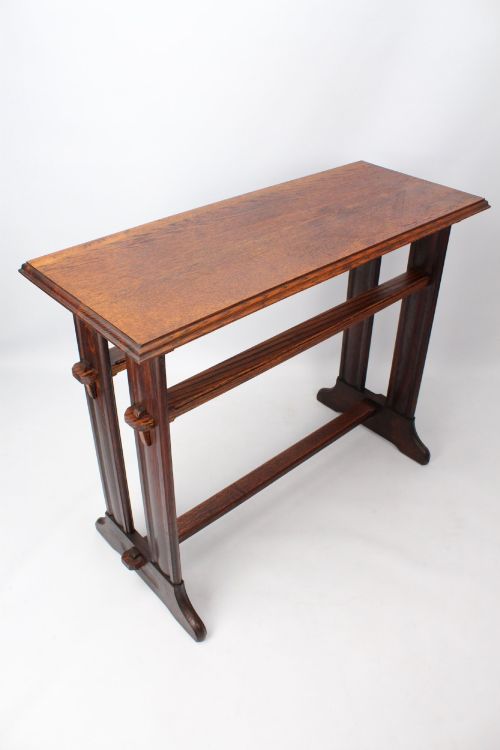
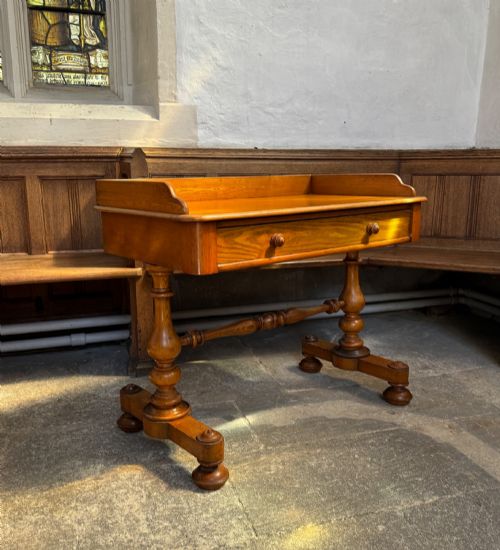
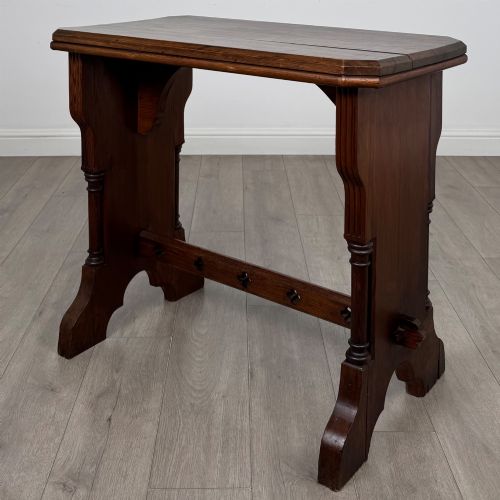
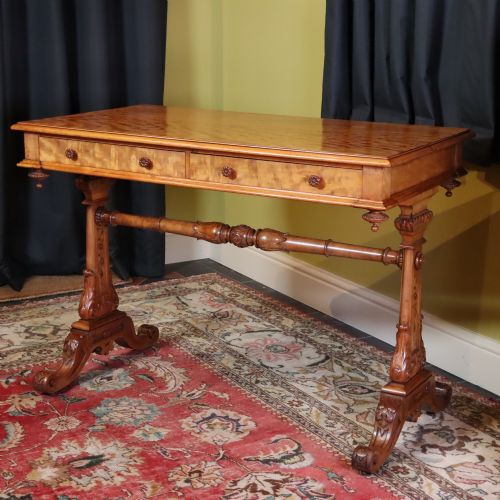
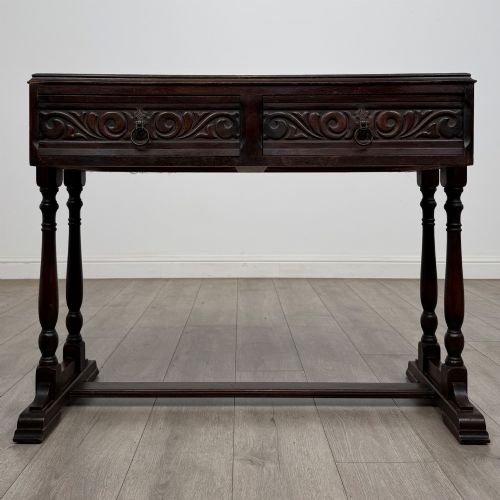
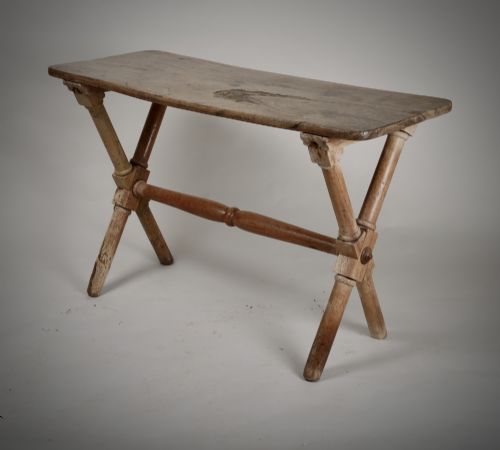
Antique Trestle Console Table
An antique trestle console table brings architectural strength and enduring timber character to a hallway or reception space.

Antique Trestle Console Table
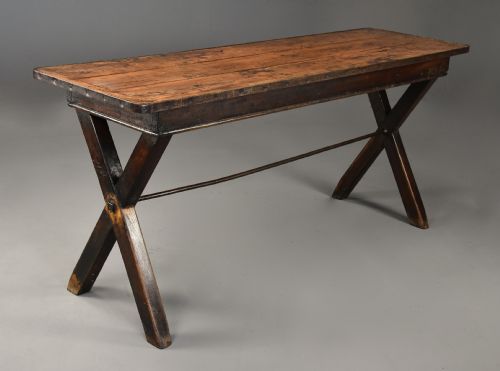
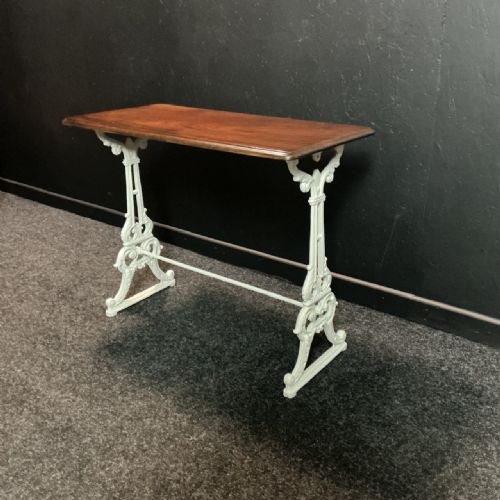
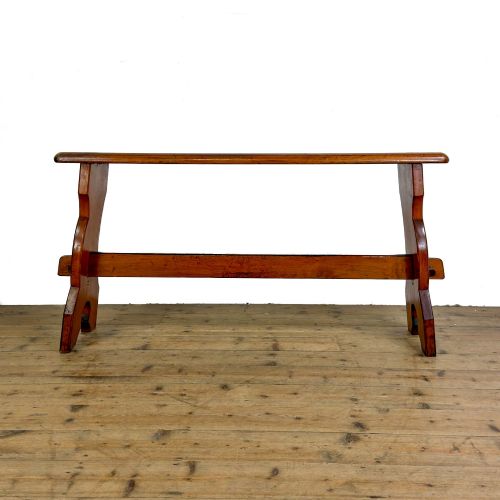
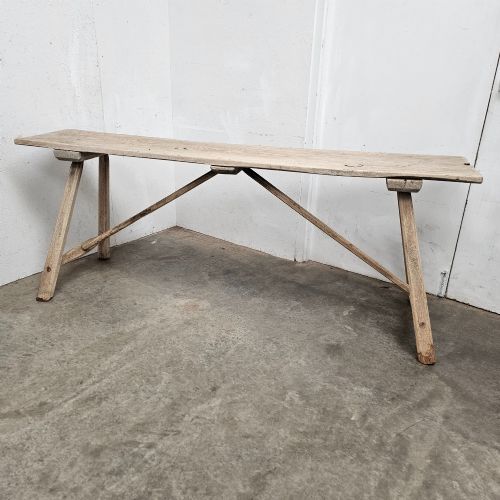
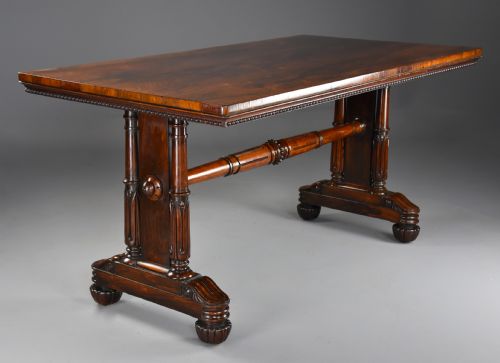
When searching for an antique trestle console table, collectors encounter a diverse array of forms shaped by centuries of domestic utility. These pieces bridge the gap between heavy work surfaces and formal display furniture, incorporating sturdy upright supports linked by stretchers.
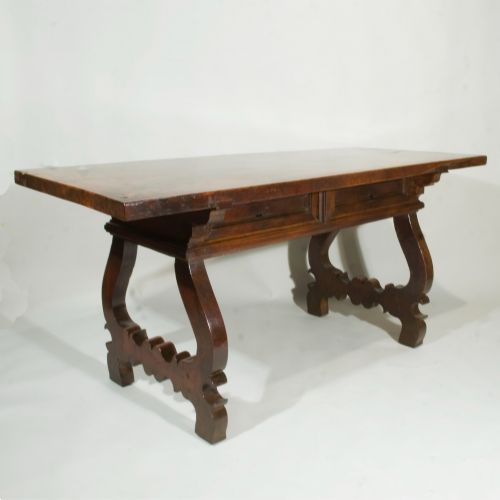
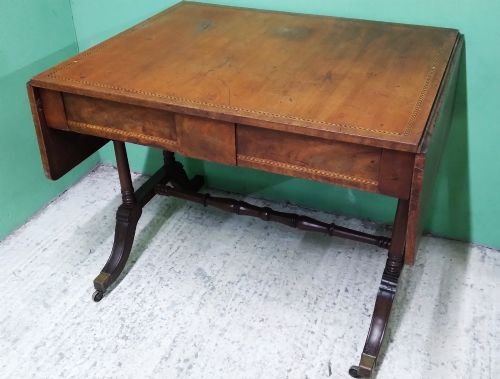
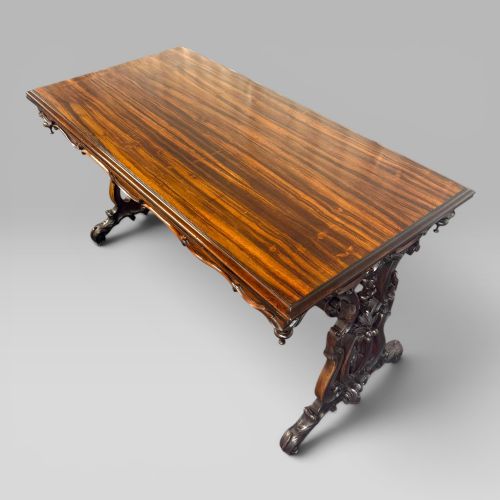
The selections span from robust 17th century Spanish walnut and oak examples to refined Regency and Victorian iterations in mahogany, rosewood, and satinwood. Many items share DNA with tavern tables, library tables, and serving counters, reflecting how past households repurposed narrow surfaces for daily needs.
Buyers frequently meet vernacular pine and scrubbed oak country pieces alongside highly polished townhouse tables featuring figured veneers and marquetry inlay. This variety ensures a fit for both minimalist modern interiors and traditional period rooms.
Materials and Construction Methods
Cabinetmakers relied heavily on dense hardwoods such as mahogany, oak, walnut, and rosewood, often pairing them with secondary softwoods like pine for internal framing. Selected pieces incorporate decorative details in brass, cast iron, marble, and giltwood to elevate their visual presence.
Construction techniques evolved from pegged mortise and tenon joints in early rustic pieces to sophisticated veneering and dovetailing found in later Georgian and Victorian examples. Joinery prioritised stability, allowing long narrow surfaces to carry weight without sagging across the span.
Several tables crossed from bustling French laundry rooms and quiet monasteries into refined drawing rooms.
Factors Defining Quality
Quality rests upon the selection of timber figures, such as burr walnut, pollard oak, or figured mahogany, and how harmoniously grain patterns match across the top surface. Superior examples display crisp hand-carved details and original patination developed through generations of handling.
Structural integrity and the retention of original elements, including stretcher bars, drawer linings, and hardware, dictate the standing of a piece. Lesser items often suffer from unsympathetic timber replacement or heavy over-finishing that obscures the natural character of the wood.
The Antique Trestle Console Table Glossary
- Trestle
- A structural support consisting of a horizontal beam fixed to upright legs or feet. This arrangement provides maximum legroom beneath long surfaces.
- Console
- A side table designed to stand against a wall, frequently secured with brackets or balanced on sturdy legs.
- Patina
- The surface sheen and mellowing developed by wood and metal over decades of use and cleaning. It serves as a key indicator of age and authenticity.
- Stretcher
- A horizontal timber connecting the legs of a table to improve rigidity and prevent lateral movement. Early examples often feature pegged joinery at these intersections.
- Marquetry
- Decorative inlay work using various tinted woods to create pictorial or geometric patterns on tabletops. This technique requires exceptional precision from the maker.
Antique Trestle Console Table: Frequently Asked Questions
Where should I place a console table?
These narrow surfaces suit entrance halls, narrow corridors, and living room perimeters where floor space is at a premium. They provide a practical landing spot for lamps, correspondence, and decorative objects without blocking movement.
Positioning them against a blank wall also allows them to anchor a mirror or painting above, creating a balanced focal point in the room.
Can these tables be used for writing?
Many historical side and serving tables double effectively as writing surfaces, depending on their height and leg clearance. Examples originally designated as library or writing tables include integrated drawers for stationery and inkwells.
Check the height from the floor to the underside of the aprons or stretchers to ensure comfortable seating before pairing the table with a chair.
How do I distinguish 17th century from Victorian oak?
Early 17th century pieces display hand-riven timber, heavy pegged joinery, and distinct medullary ray patterns in quartersawn oak. Their construction is generally heavier and reflects vernacular Spanish or English joinery traditions.
Victorian interpretations often exhibit machine-sawn components, standardised fixings, and revival styles that borrow historic motifs while utilising modern workshop efficiencies.